
Black Victorian Chest
A black victorian chest brings dark surface and sturdy presence into a room, offering practical storage disguised in period character.
Black Victorian Chest
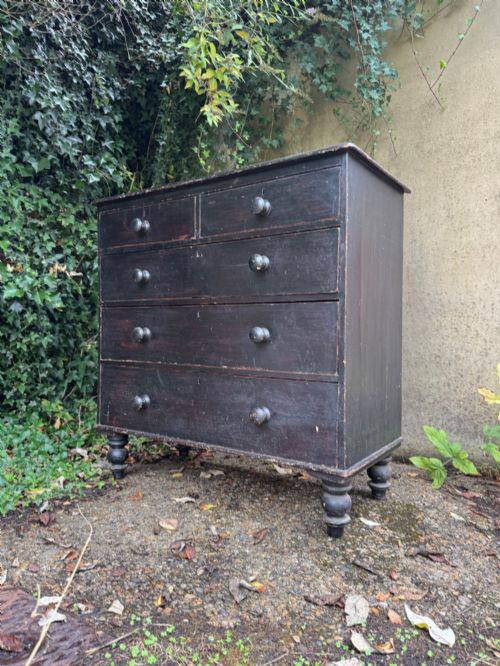
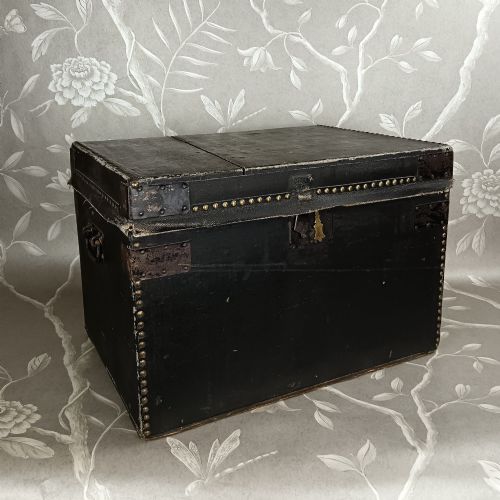
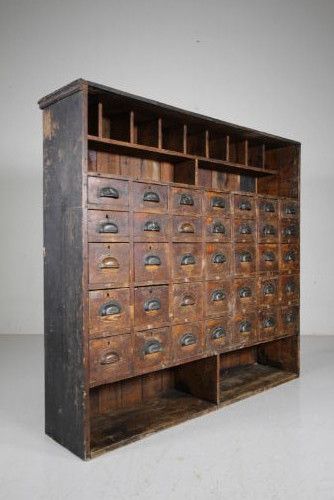
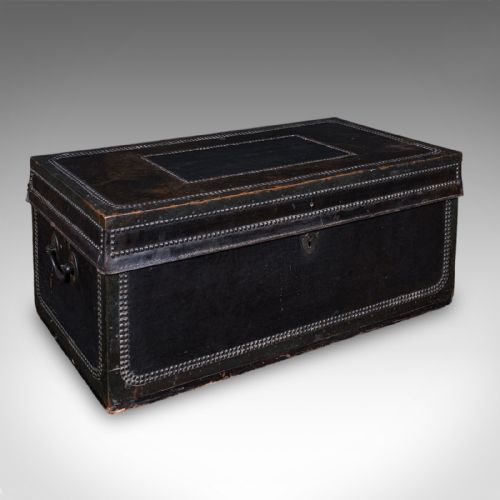
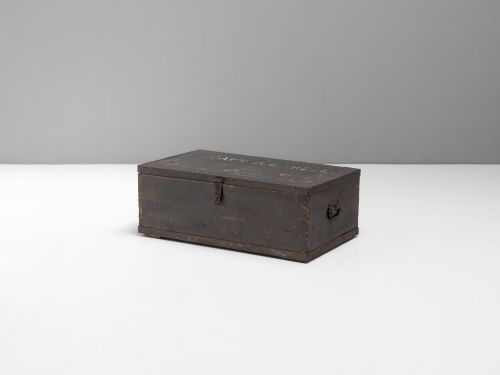
A black victorian chest encompasses diverse forms ranging from painted pine drawer units to leather-bound travel trunks and ebonised tool chests. These pieces emerge primarily from the nineteenth century, reflecting utilitarian origins or decorative dark finishes.
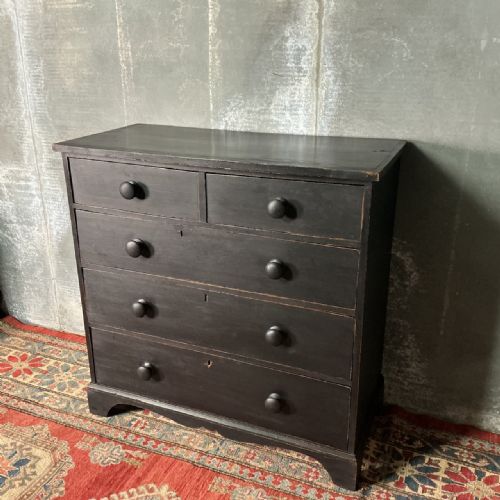
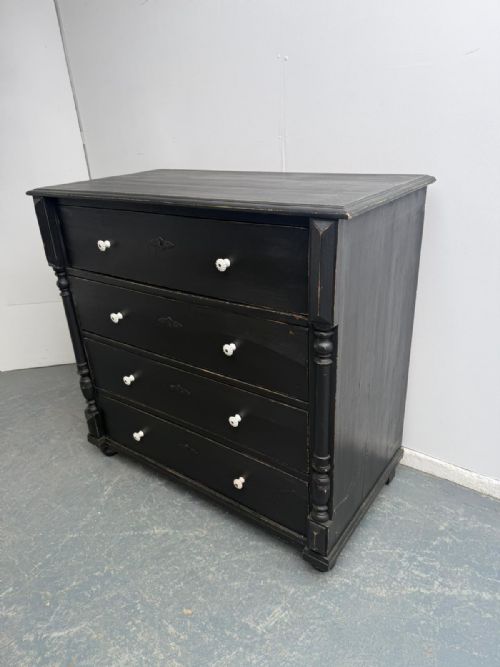
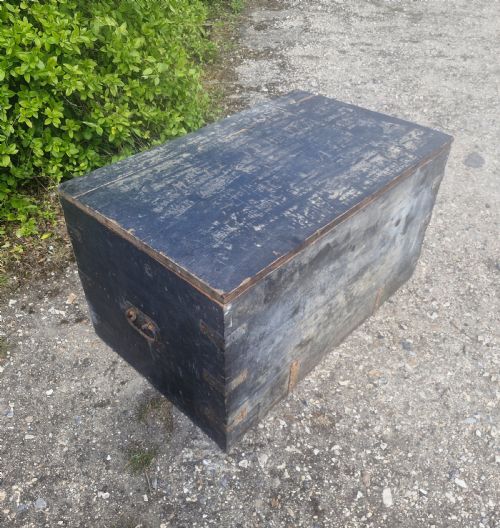
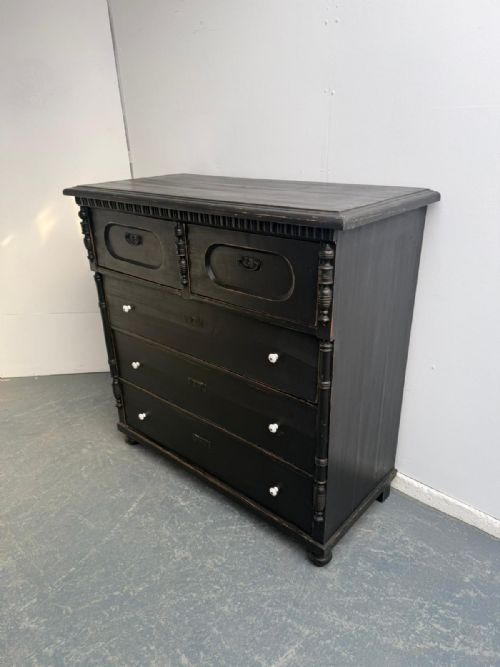
Buyers seeking a black victorian chest most frequently encounter painted pine chests of drawers from Hungarian or English workshops, alongside heavy metal-bound trunks and campaign boxes. Storage trunks and chests of drawers dominate the available selection.
Origins stretch across English, Hungarian, and Anglo-Indian makers, incorporating styles such as Victorian country, campaign, and Arts and Crafts. Each variation serves distinct storage needs while maintaining a dark aesthetic.
Materials and construction methods
Pine and solid woods form the primary structural carcases, frequently coated in original black paint or finished with lacquer. Tradesmen applied paint and ebonisation directly to utilitarian timber to protect surfaces and create uniform dark tones.
Metal fittings such as brass hinges, iron bands, and locks reinforce travel trunks, tool chests, and campaign boxes for heavy usage. Leather and canvas bindings further secure edges on mobile luggage pieces.
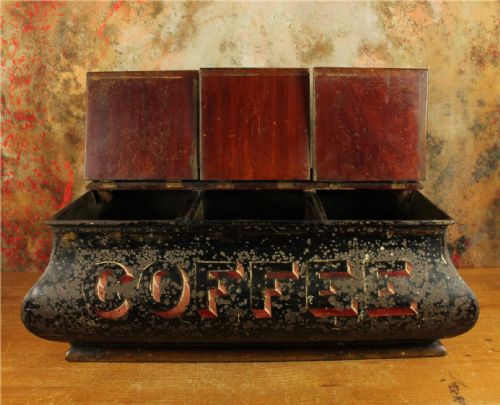
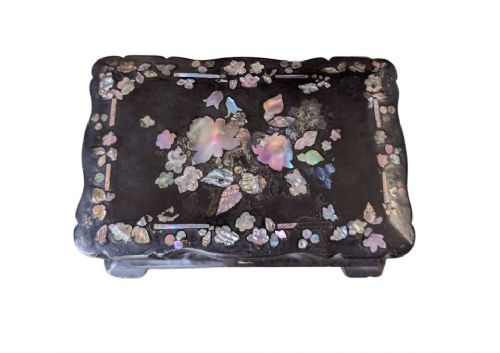
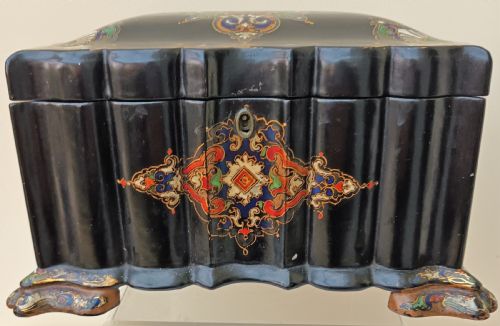
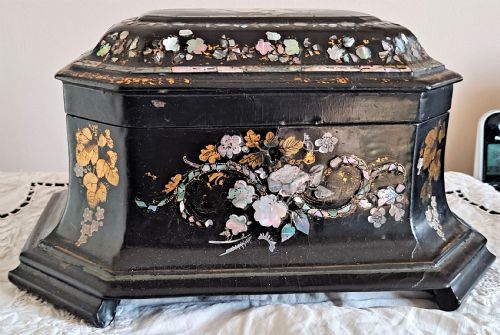
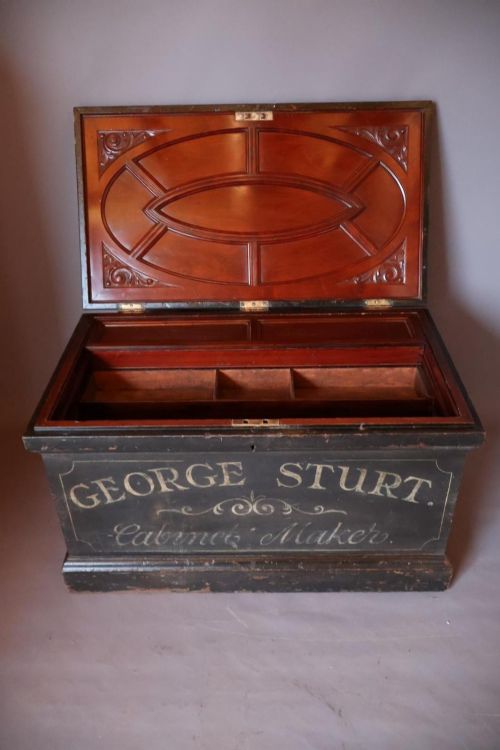
Decorative details rely on papier-mâché, mother of pearl inlay, and hand sign-writing, particularly on tea caddies and school chests. Cabinet makers also utilised camphorwood, ebony, and walnut for specialist boxes and cabinets.
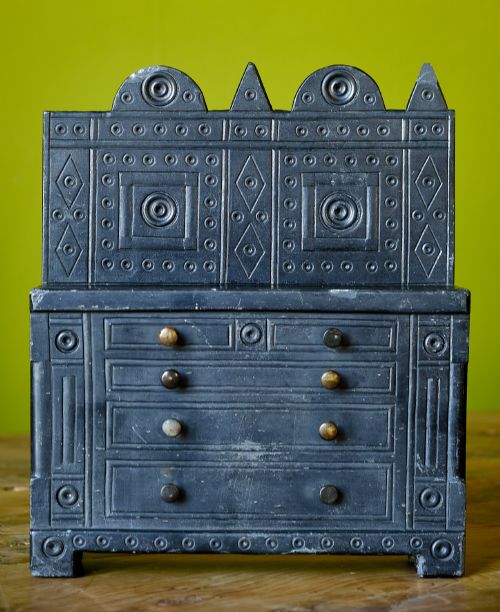
A miniature carved slate model of a chest of drawers proves that nineteenth-century stonemasons needed desk toys just like anyone else.
Assessing craftsmanship and finish
Original painted surfaces and untouched patination elevate certain chests above later refinished examples. The integrity of hand-brushed black paintwork or genuine ebonisation determines visual depth.
The robustness of internal construction, from dovetailed drawer joints to original brass carrying handles and working locks, separates utilitarian workboxes from fine parlor pieces. Surviving maker marks and original inscriptions add documented provenance.
Wm Insall of Bristol
The Black Victorian Chest Glossary
- Campaign trunk
- A portable storage chest designed for military travel, fitted with recessed brass handles and corner brackets. These pieces break down or stack for easy transport.
- Ebonised
- Wood treated with stain or paint to imitate costly ebony wood. This dark finish gained widespread popularity during the nineteenth century.
- Camphorwood
- An aromatic wood utilised in maritime and colonial chests to deter insects from stored garments. The distinctive scent remains perceptible over generations.
- Papier-mâché
- A composite material made from paper pulp or layers of paper bound with glue, pressed into moulds and lacquered. It provides a smooth base for inlaid mother of pearl.
- Toleware
- Lacquered or enamelled metal items produced in domestic and decorative forms. Tea caddies and boxes frequently employ this technique.
Black Victorian Chest: Frequently Asked Questions
What is a campaign trunk?
A campaign trunk is a portable storage chest built for military officers and travellers on the move. These pieces feature recessed brass hardware to prevent snagging during transit.
They offer sturdy construction designed to withstand rough journeys while maintaining a refined appearance for officers stationed abroad.
How do I care for painted pine?
Painted pine surfaces require gentle cleaning with a dry or barely damp cloth to preserve original finishes and hand sign-writing. Avoid harsh chemical cleaners that strip nineteenth-century paintwork.
Keep these chests away from direct sunlight and excessive humidity to prevent wood movement and flaking of the dark surface layers.
Are these chests suitable for daily storage?
These chests provide deep interior space suited for bedding, clothing, or household items. Drawers and lidded trunks accommodate modern storage needs without losing period character.
Solid wood construction ensures they withstand regular opening and closing while anchoring a room with dark nineteenth-century tones.
What distinguishes ebonised wood from black paint?
Ebonised wood involves treating light timber with chemical stains or dark dyes that penetrate the grain to mimic solid ebony. Black paint sits as an opaque layer on top of the wood surface.
Both techniques achieve dark nineteenth-century finishes, though painted surfaces often show brush marks or wear patterns from decades of use.