

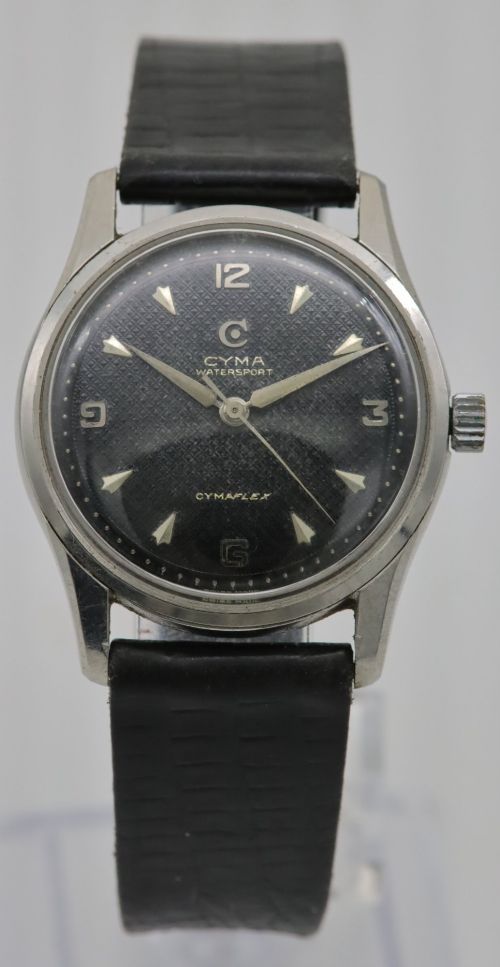
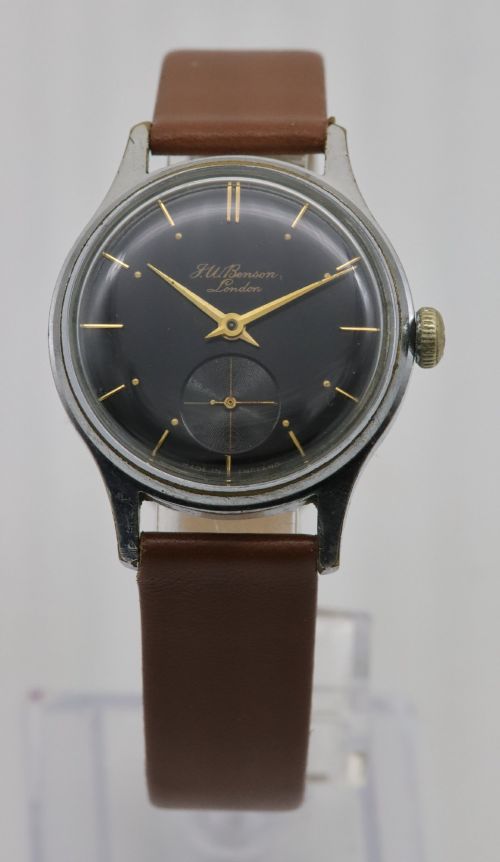
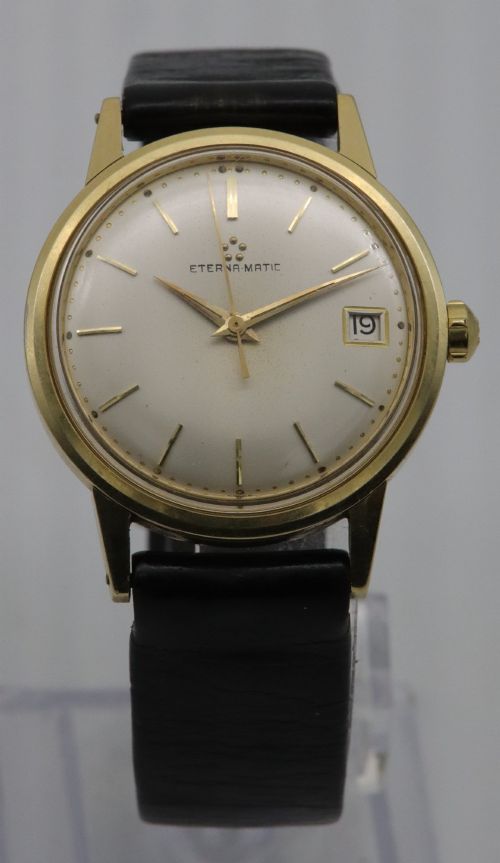
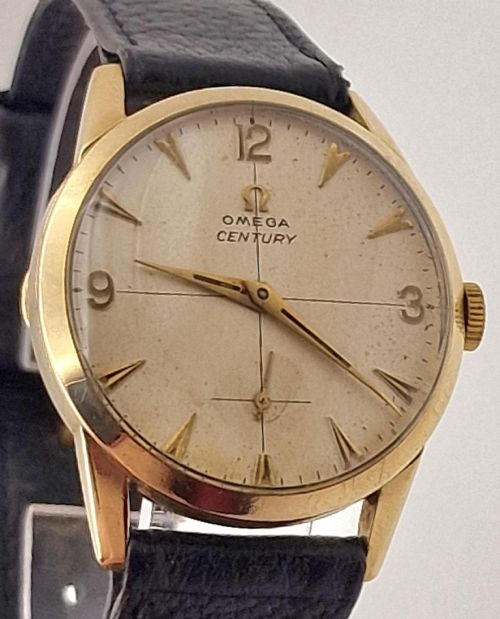
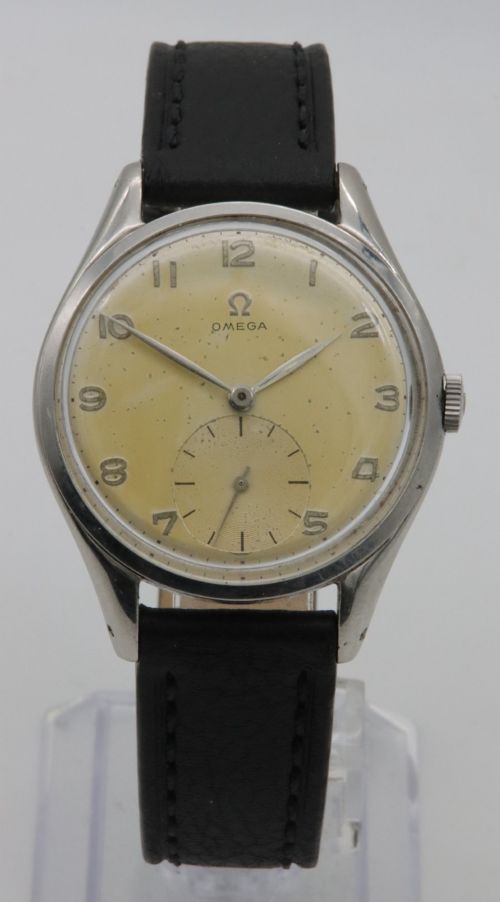
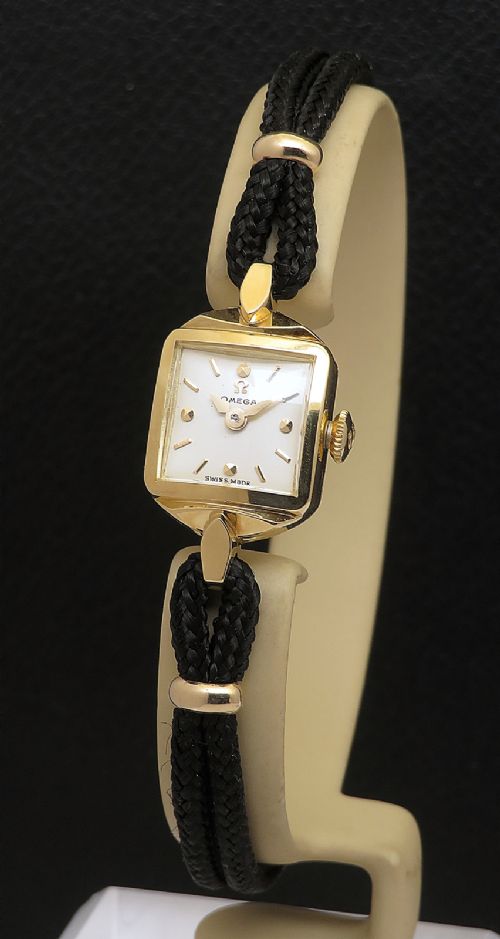
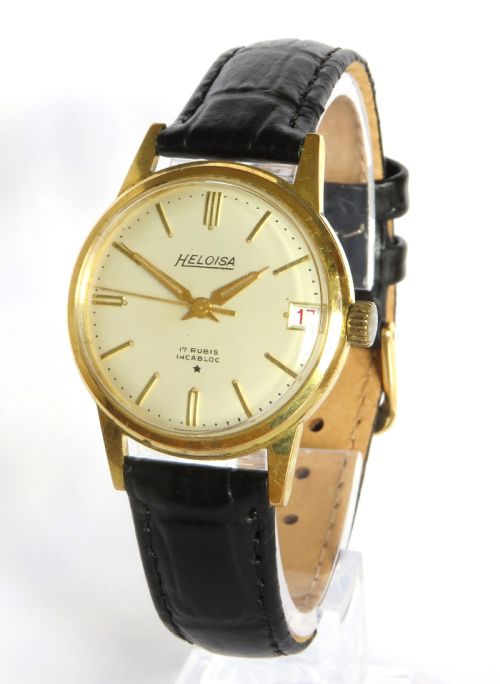
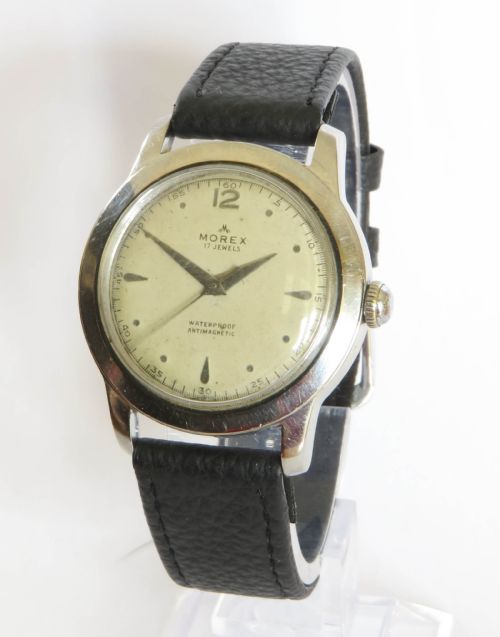
Black Strap Dress Watch
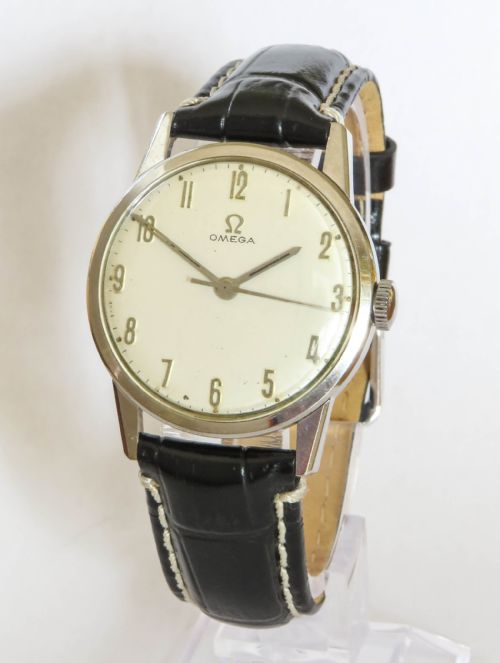
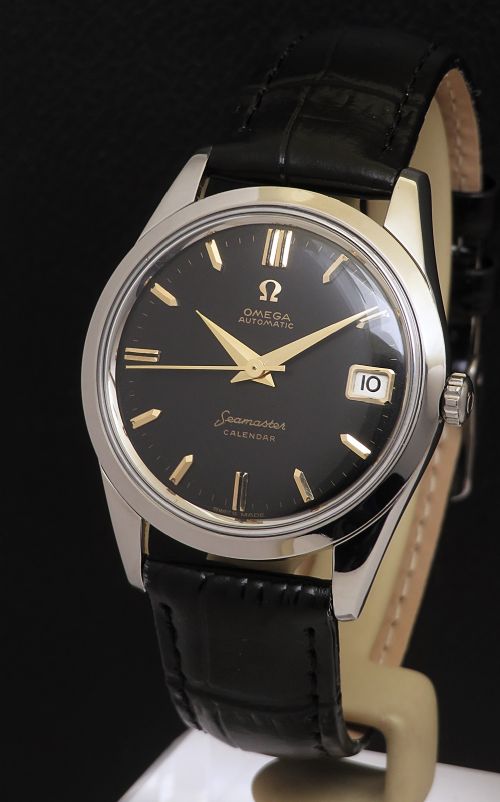
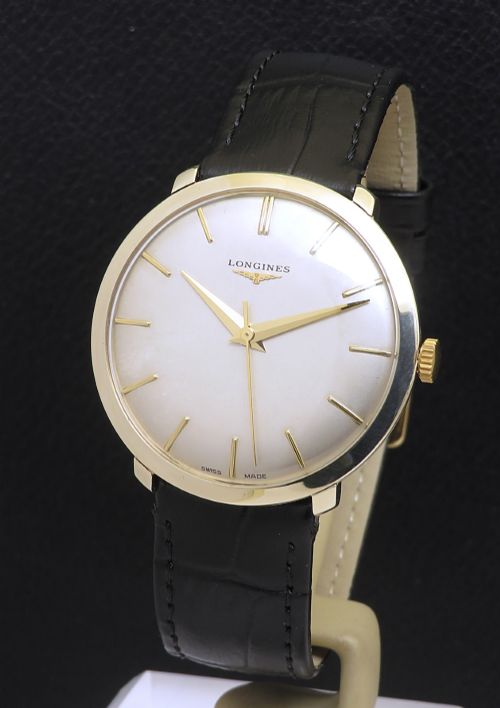
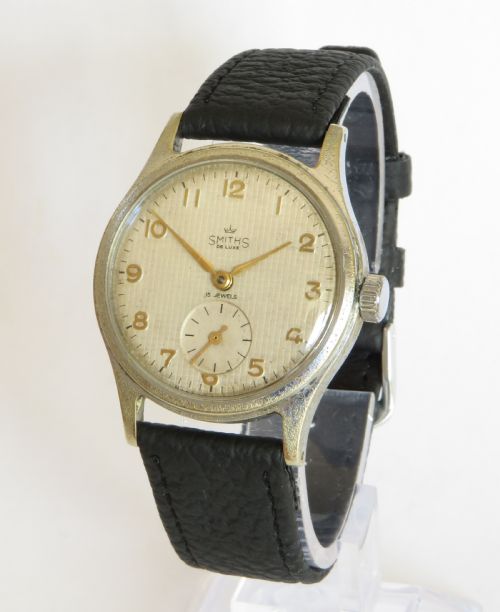
A black strap dress watch is a classic timepiece that pairs dark leather with metals ranging from stainless steel to solid gold.
Black Strap Dress Watch
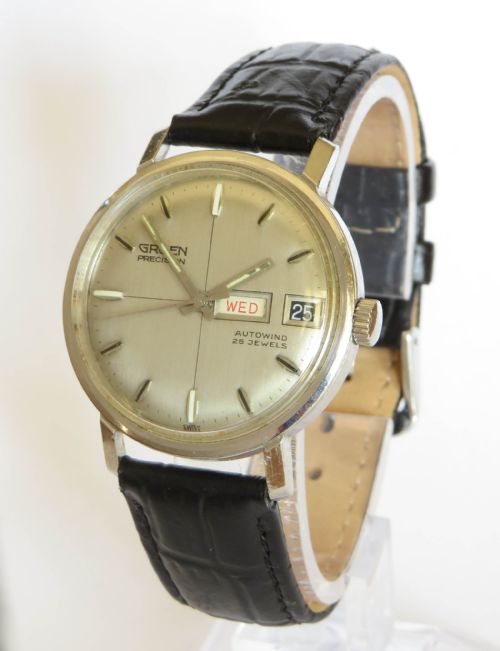
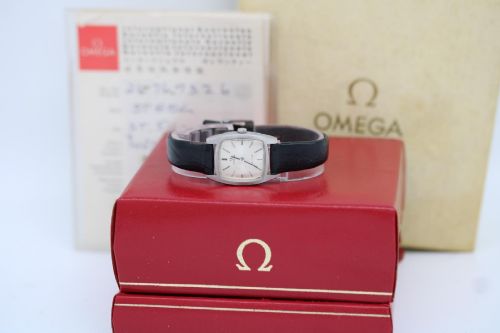
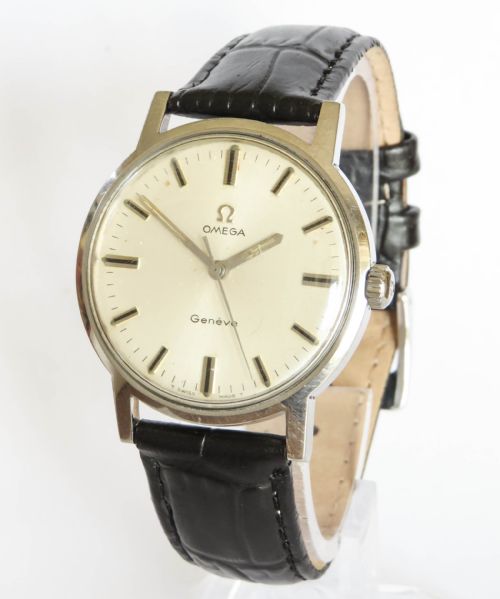
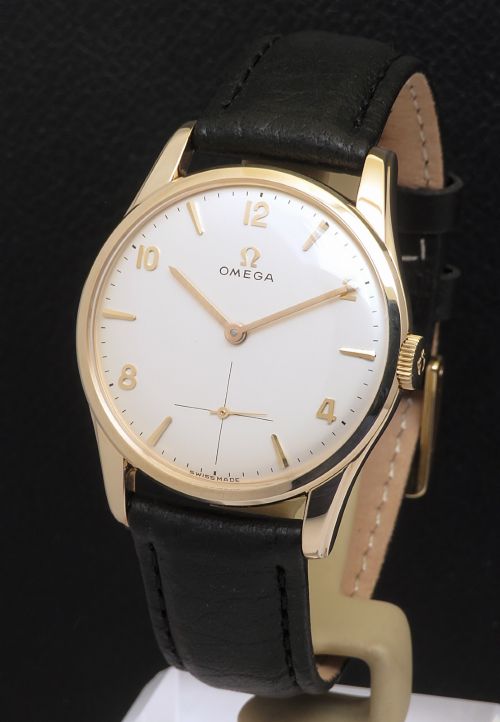
When you search for a black strap dress watch, you look at vintage timepieces designed primarily for the wrist, spanning several decades of manufacturing from the 1920s through the 1960s. These items take the form of wristwatches and wrist watches intended for both ladies and gents, often featuring slender profiles suited to formal wear.
You are most likely to meet mid-century examples from the 1950s and 1960s on this page, alongside earlier Art Deco pieces from the 1920s and 1930s. The forms vary from round cases to curved rectangles and square cocktail designs, originating from Swiss and British makers.
How they were made
The construction relies on metals such as stainless steel, chrome, gold plate, and solid 9ct, 14ct, or 18ct gold for the cases, paired with leather straps. Watchmakers fitted glass or acrylic glass over dials, while internal movements utilised mechanical manual-wind or auto-wind calibres.
Surface treatments and casing techniques include stamping, plating, and polishing, combined with delicate dial printing and diamond setting on specific luxury or cocktail models.
Black Strap Dress Watch Retail Price Guide 2026
Typical asking prices for black strap dress watch among the pieces listed under this phrase on Sellingantiques today, from the lower quarter to the upper quarter. They describe what is for sale here now, not the wider market.
Listings feature periods spanning from 1920 to 1960, utilising leather, stainless steel, glass, acrylic, gold plate, and 9ct gold materials.
What varies in quality
The standard of a timepiece rests upon the grade of its metal casing, whether solid gold, gold plate, or stainless steel, and the complexity of its internal movement. Higher tier examples feature precision-adjusted mechanical calibres from established watchmaking houses rather than standard commercial movements.
Condition and originality also dictate the standing of a piece, distinguishing items with their original dials, signed crowns, and matching buckles from those with replacement components or heavily refinished surfaces.
Omega·Montilier·Heloisa·Gruen·Rolex·Marvin·Tissot·Rotary·Dogma Prima·Longines·Smiths·Zenith·Baume and Mercier·Le Coultre·Benrus·Tudor
The Black Strap Dress Watch Glossary
- Calibre
- The specific internal mechanical movement manufactured for a watch. Collectors use this term to identify the exact movement series inside a case.
- Manual-wind
- A mechanical movement powered by hand-winding the mainspring via the crown. These watches require regular manual winding to keep time.
- Auto-wind
- A self-winding mechanical movement that uses the motion of the wearer's wrist to tension the mainspring. This mechanism eliminates the need for daily manual winding.
- Cocktail watch
- A small, decorative ladies dress watch often set with diamonds or precious metals. These pieces were historically worn to evening social events.
- Art Deco
- A design style spanning the 1920s and 1930s characterised by geometric lines and stylised forms. Pieces from this period often feature rectangular or curved cases.
Black Strap Dress Watch: Frequently Asked Questions
How do I wind a manual watch?
Turn the crown gently clockwise between your thumb and forefinger until you feel resistance. Stop immediately to avoid damaging the internal mainspring.
Perform this action at the same time each day to maintain consistent timekeeping throughout wear.
Are vintage watches waterproof?
Vintage timepieces generally lack modern waterproof seals and gaskets. Exposure to water, rain, or humidity can cause moisture condensation behind the glass and rust the internal movement.
Keep the watch away from water entirely to preserve the delicate metal components and the leather strap.
What is an automatic watch?
An automatic watch is a self-winding mechanical timepiece containing a weighted rotor that spins as your arm moves. This motion tightens the mainspring automatically.
If left unwearied for a period, the watch will stop and require manual setting before use again.
How do I date a watch?
Dating relies on identifying serial numbers stamped on the inside case back or movement, cross-referenced with manufacturer records. Design styles and hallmark stamps on precious metal cases also provide period indicators.
Examination of the movement type and dial typography helps narrow down the decade of production.