

Black Paper Art
Black paper art brings together historical silhouettes, cut paper work, and dark-ground works on paper spanning several centuries.
Black Paper Art
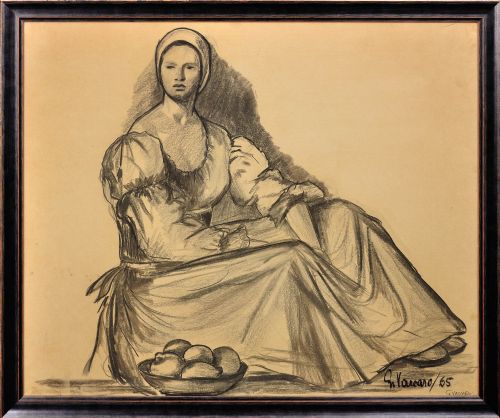
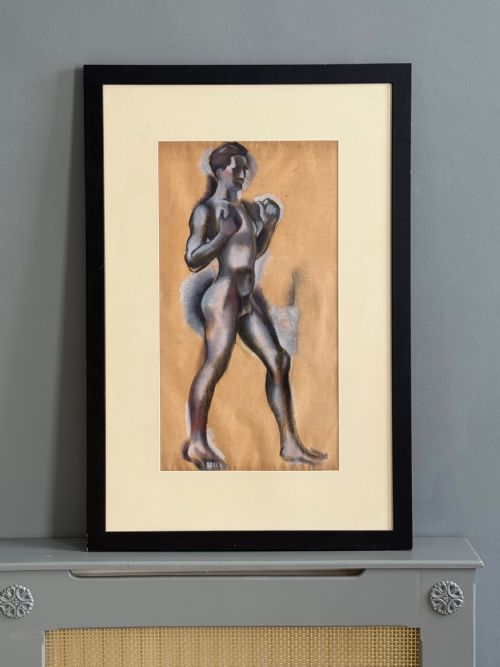
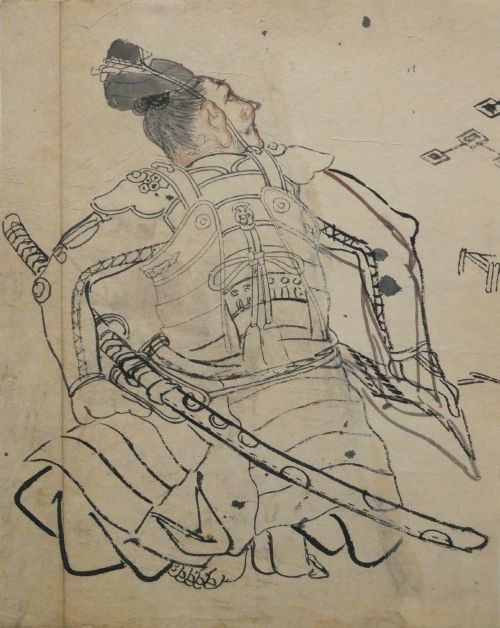
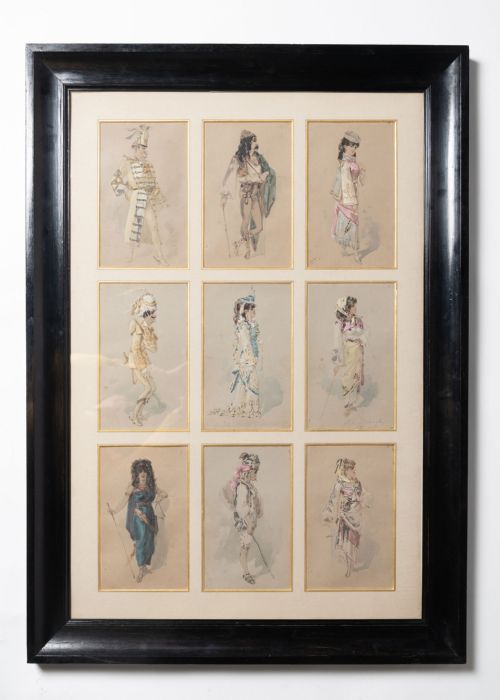
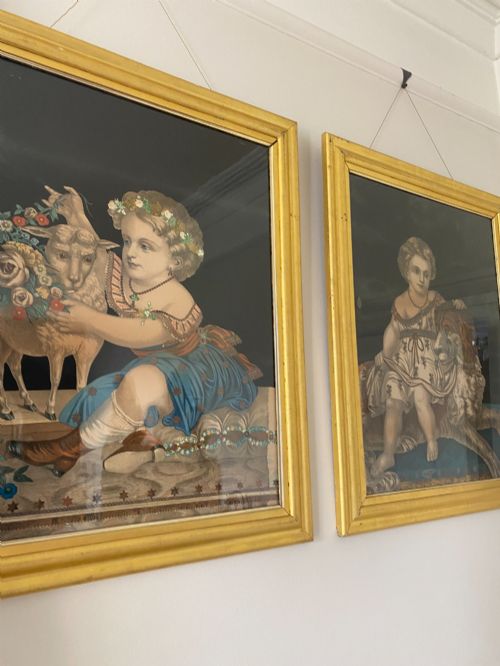
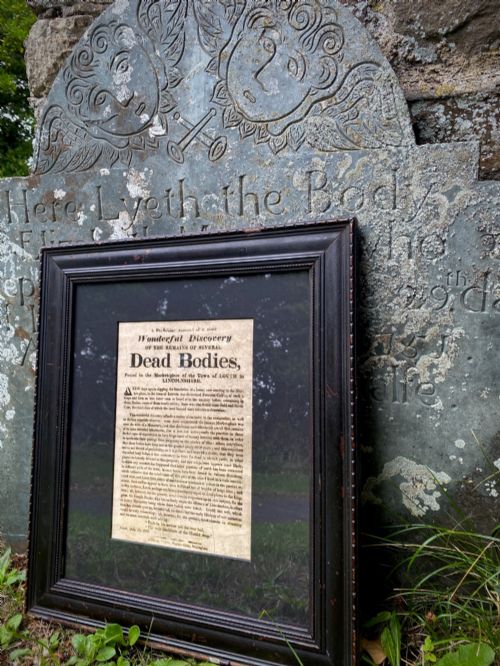
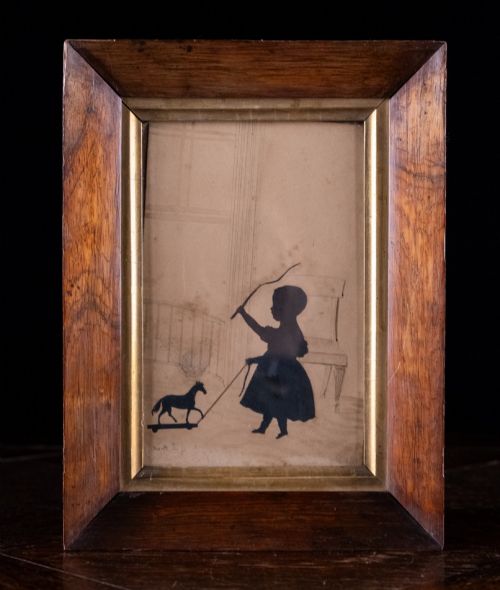
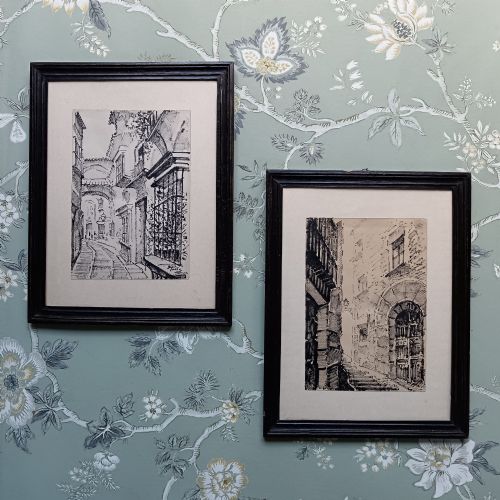
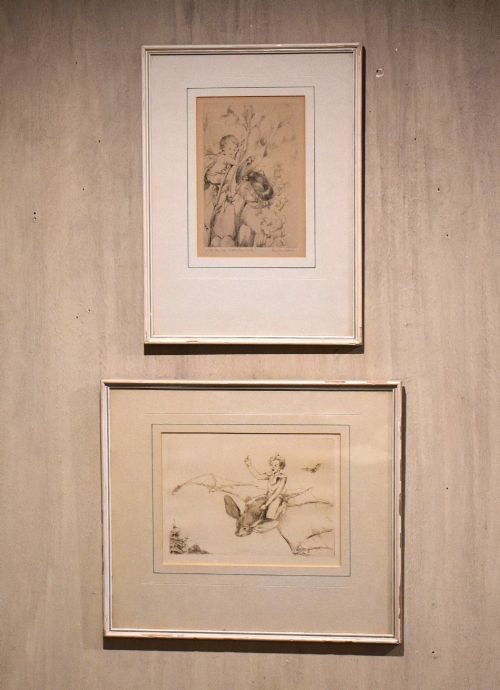
Black paper art encompasses works created with dark paper supports or dark pigment grounds, alongside cut-paper silhouettes and shadow profiles from the 18th and 19th centuries. Buyers searching this phrase encounter framed silhouettes of gentlemen and children, detailed cut-paper compositions paired with watercolour, and works on paper utilising ink, gouache, and ebonised wood frames.
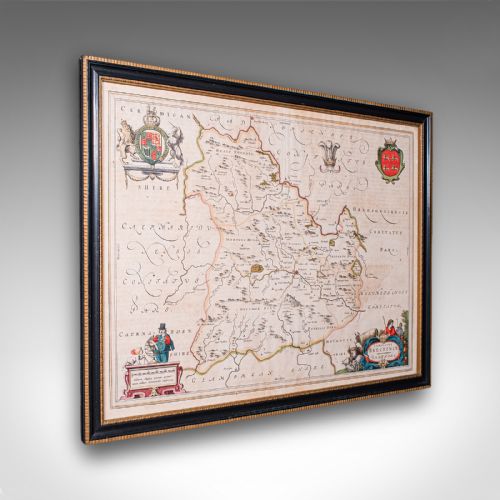
The selection on this page leans heavily toward Georgian and Regency silhouettes, alongside 17th-century to 20th-century prints and drawings mounted behind glass. Formats range from small framed portrait miniatures to larger wall art pieces, often housed in original Hogarth or gilded frames that complement the dark tones of the paper and ink.
Materials and methods
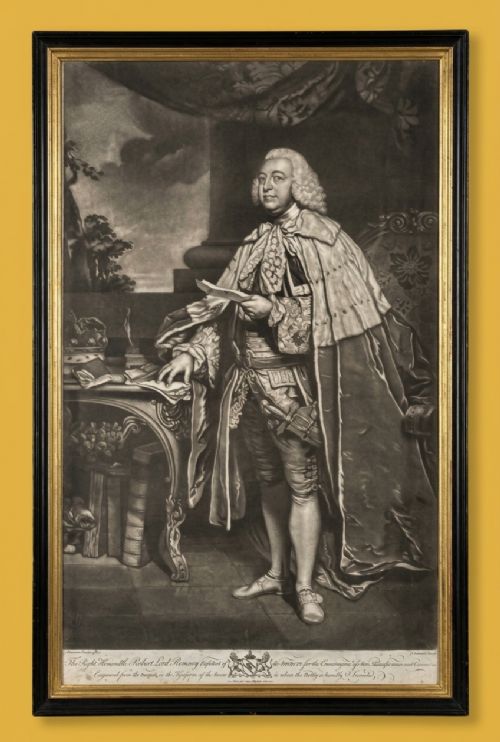
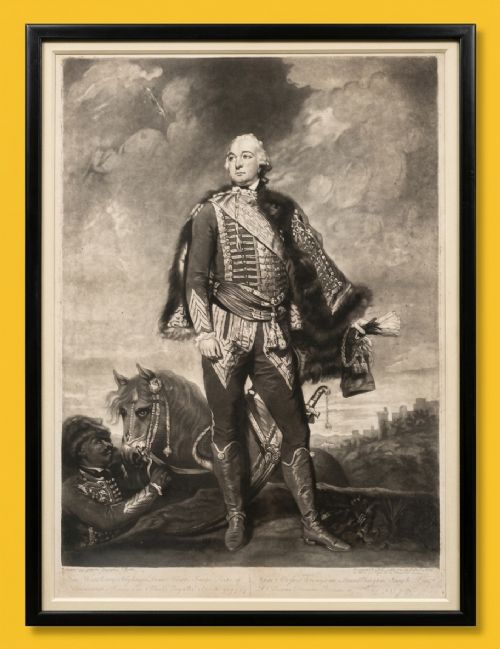
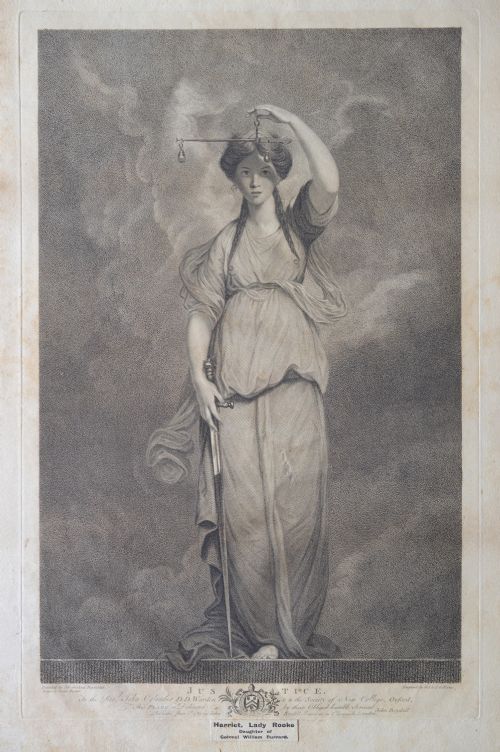
Framing played an integral role in the preservation and presentation of these works, with ebonised wood and glass protecting delicate paper surfaces from moisture and handling. Engraving and mezzotint techniques applied to paper also appear frequently, using copper plates and dark inks to achieve deep tonal gradations.
Black Paper Art Retail Price Guide 2026
Typical asking prices for black paper art among the pieces listed under this phrase on Sellingantiques today, from the lower quarter to the upper quarter. They describe what is for sale here now, not the wider market.
Periods represented span from the 17th century through the 18th, 19th, and early 20th centuries up to the 1950s.
Distinctions in quality
Quality rests upon the precision of the hand-cutting and the fineness of the ink or watercolour detailing applied to the paper surface. Superior examples display clean, confident scissor work without ragged edges, alongside crisp facial profiles and well-preserved pigments that maintain their depth.
The preservation of the paper itself and the originality of the framing separate finer examples from standard decorative pieces. Works retaining their period ebonised wood or gilded frames, free from heavy foxing or paper degradation, occupy the upper tier of the range.
Joan Blaeu·Marjorie L Davies·Jacob Kramer·Fred Lawson·William James Hubard·Francesco Bartolozzi·Bruce Bairnsfather·Marcellin Auzolle
The Black Paper Art Glossary
- Silhouette
- A portrait profile filled in with a solid dark colour, typically black, cut from paper or painted. This form gained immense popularity during the Georgian and Regency periods.
- Mezzotint
- A printmaking process of the intaglio family where the plate is roughened to achieve rich dark tones and subtle gradations. It allows for deep shadows that suit dark-ground imagery.
- Gouache
- An opaque watercolour medium consisting of pigment, water, and a binding agent such as gum arabic. It provides solid, flat areas of colour on paper supports.
- Ebonised wood
- Timber treated with a chemical stain or finish to imitate ebony. It provides the characteristic dark framing seen on many historical silhouettes and prints.
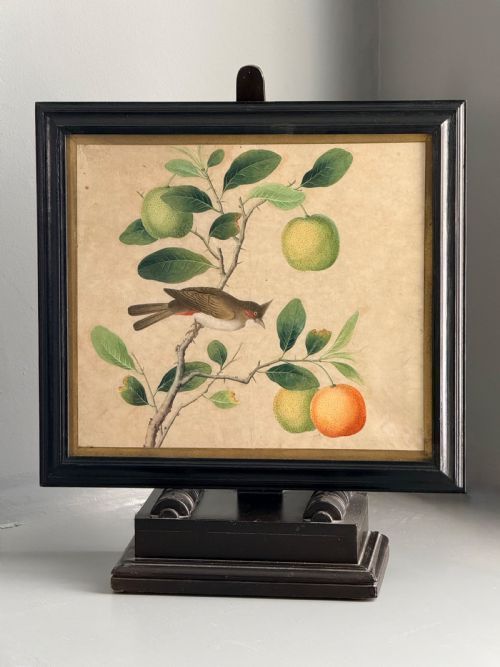
- Pith paper
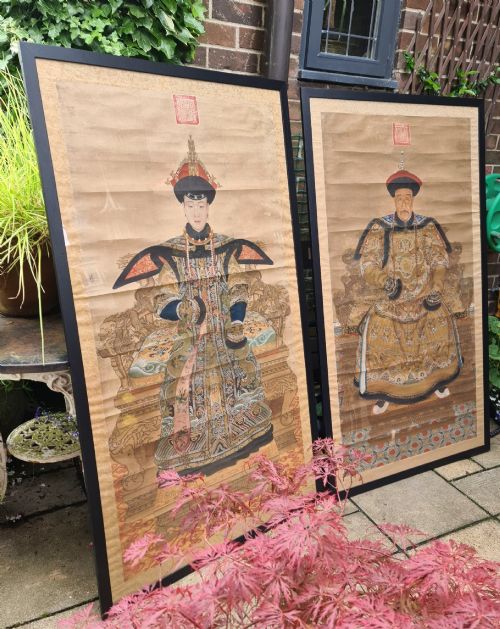
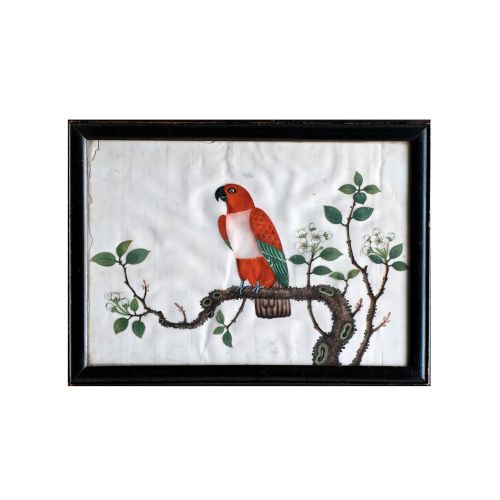
- A delicate material formed from the pith of the Tetrapanax papyrifer plant, used for Asian export paintings and gouache works.
Black Paper Art: Frequently Asked Questions
What is black paper art?
Black paper art covers historical silhouettes, cut-paper works, and dark-ground drawings or prints framed behind glass.
These pieces typically date from the 17th to the 20th century and utilise paper, ink, and silhouette techniques.
How do I care for works on paper?
These delicate pieces require protection from direct sunlight and high humidity to prevent paper yellowing and fading.
Keeping them securely framed behind glass prevents atmospheric dust and physical damage to the paper surface.
How can I tell periods apart?
Georgian and Regency silhouettes often feature full-length figures with detailed cutting and original ebonised frames.
Later 19th and 20th-century works on paper incorporate different printing techniques, broader subject matter, and modern framing materials.