


Black Lacquered Desk
A black lacquered desk brings polished surface and hand-painted detail into a room, offering a functional workspace rooted in centuries of decorative tradition.
Black Lacquered Desk
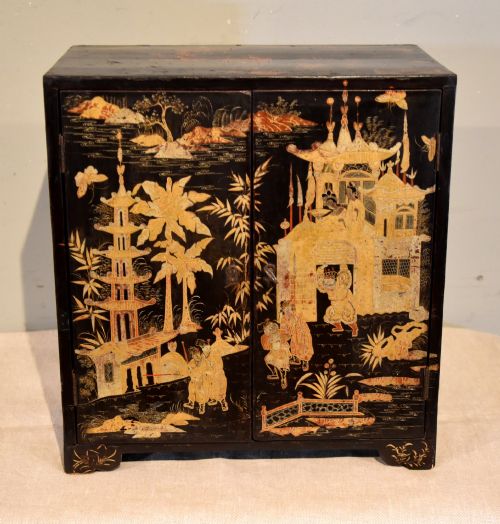
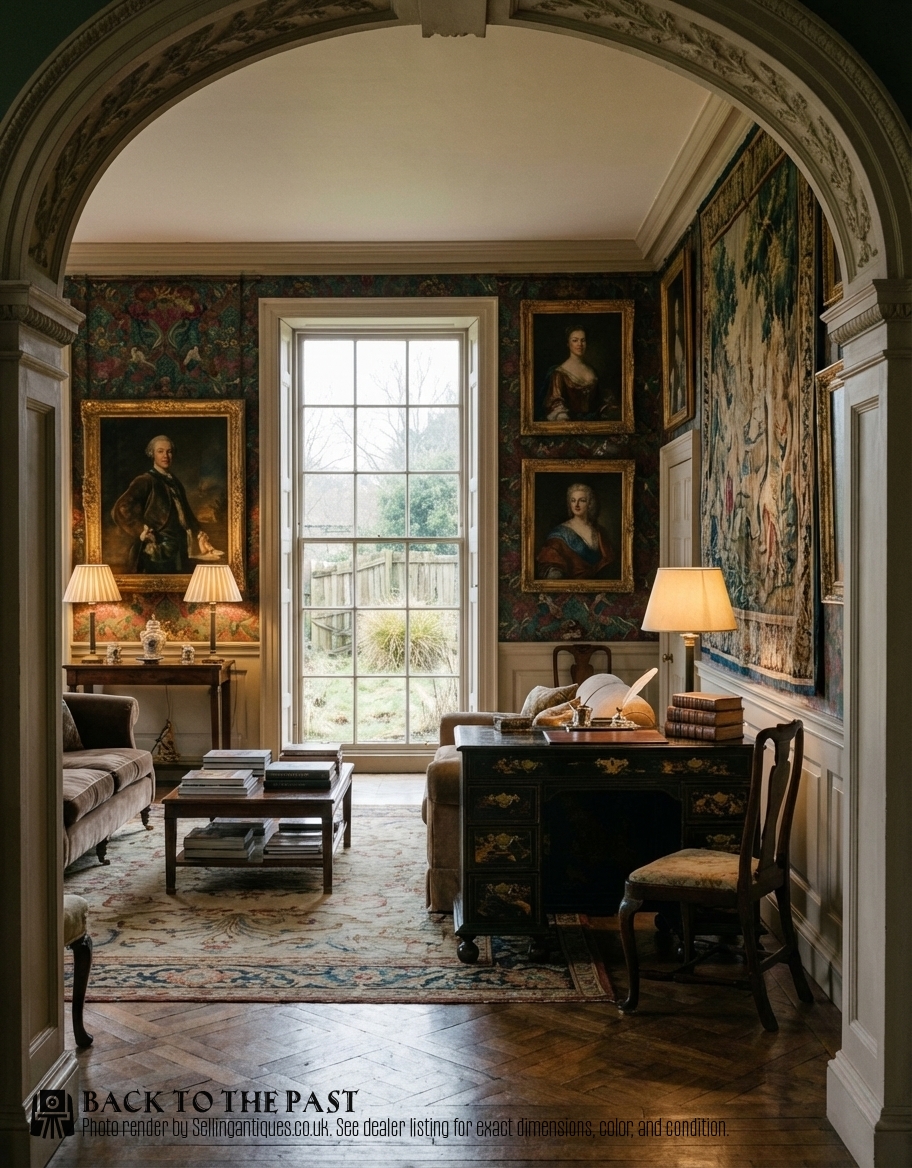
When you search for a black lacquered desk, you encounter forms ranging from compact writing boxes and bureau bookcases to grand kneehole tables. The pieces span multiple centuries and international workshops, crossing 18th-century English and Chinese export traditions down to Victorian and Edwardian revivals.
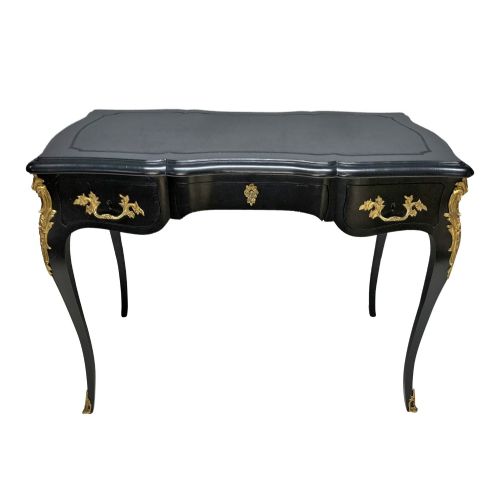
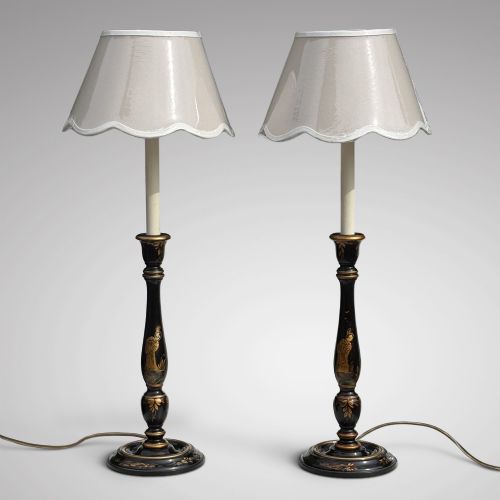
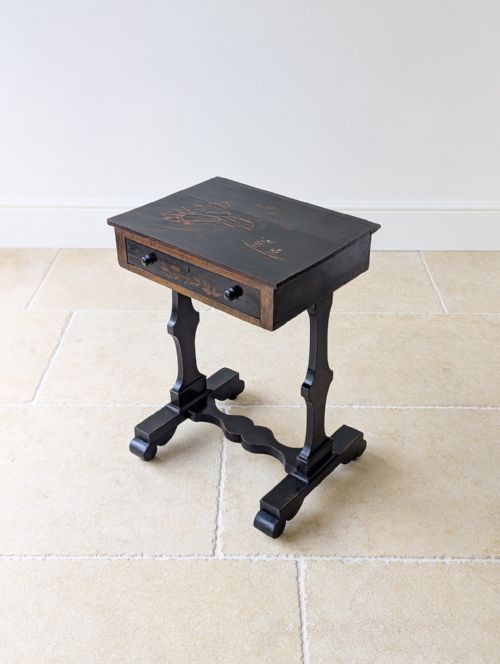
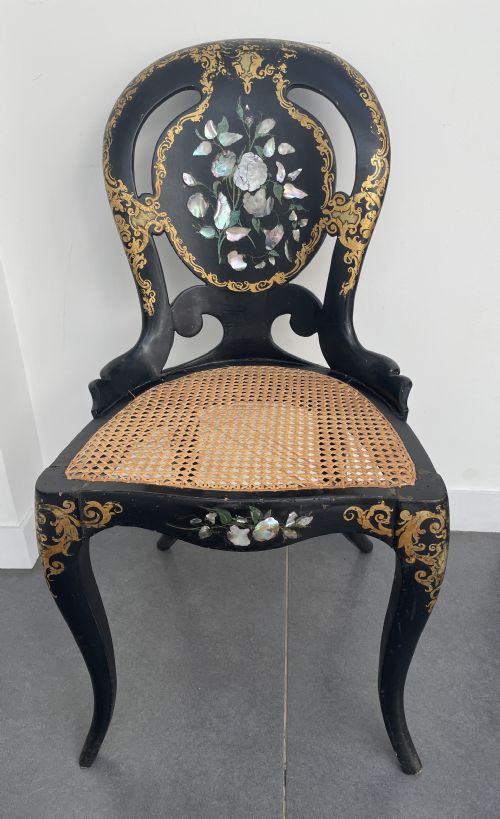
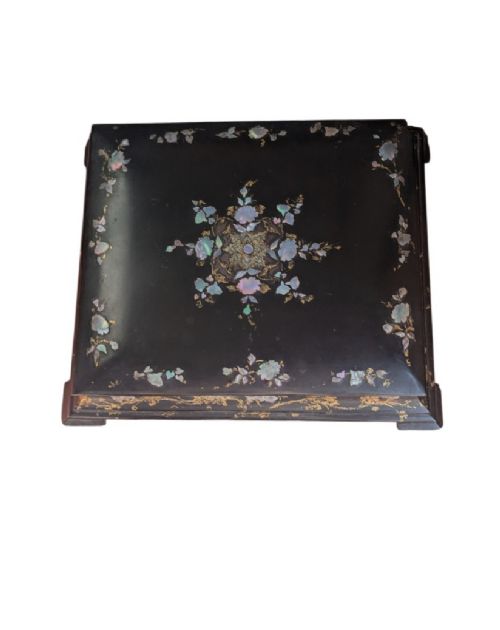
You are most likely to meet desks, writing tables, and bureau plat examples finished in deep dark lacquer, often accented with gilt motifs or mother-of-pearl inlay. These items combine practical writing surfaces with intricate painted decoration.
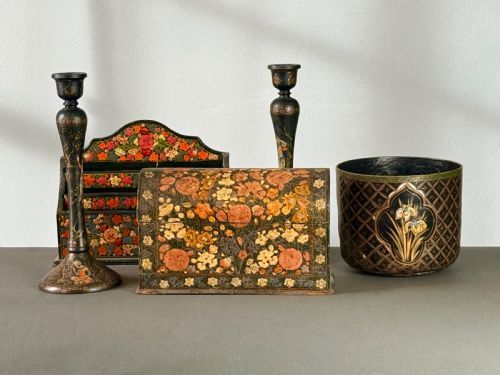
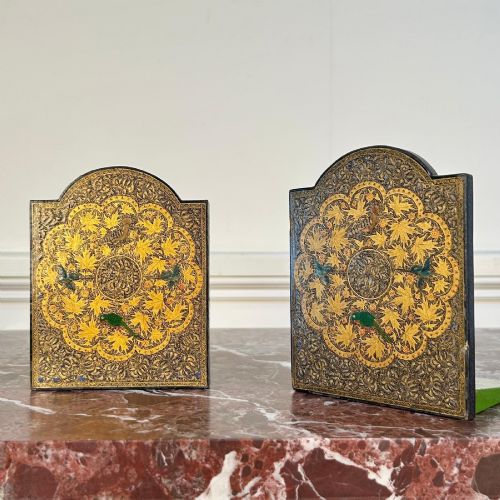
Originating from diverse regional aesthetics, the selection includes Chinese export pieces, Anglo-Indian items, and Kashmiri papier-mâché creations alongside European interpretations in the Louis XV and Chinoiserie styles.
How they were made
Construction relies heavily on timber and papier-mâché as a base, built up with successive layers of lacquer to achieve a smooth, deep black finish. Artisans applied hand-painted pigments and gilt detailing directly onto the hardened surface.
Brass hardware, locks, and hinges provide structural support and functional contrast to the dark panels. Selected pieces integrate mother-of-pearl inlay and glass components within the writing compartments and decorative trim.
Listings feature black lacquered desks and accessories spanning from the 18th century through the Edwardian era, incorporating materials like brass, mother-of-pearl, and papier-mâché.
What varies in quality
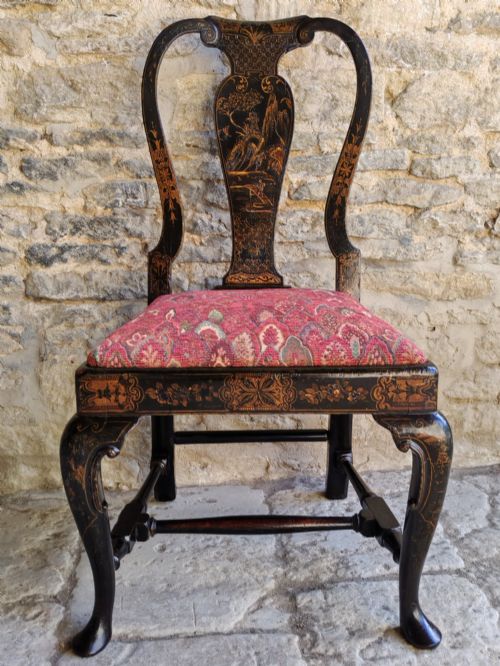
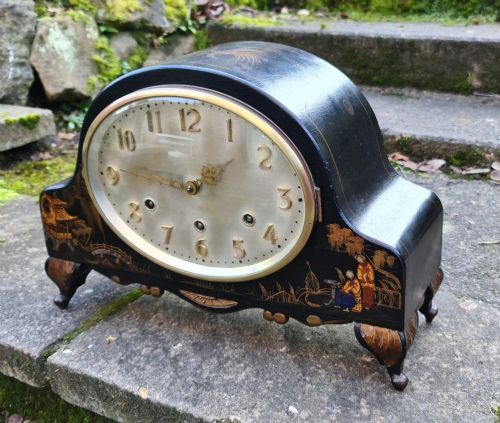
The sophistication of the hand-painted Chinoiserie scenes and the depth of the lacquer finish separate standard pieces from exceptional examples. Skilled brushwork and precise gilt detailing demonstrate superior craftsmanship in the decorative scheme.
The integrity of the underlying timber or papier-mâché structure dictates the longevity and durability of the desk. Original brass mounts, intact inlay work, and well-preserved writing surfaces elevate the standing of an individual piece.
The Black Lacquered Desk Glossary
- Chinoiserie
- European decorative style reflecting Chinese artistic influences, seen in painted landscape motifs and figures. It became particularly popular during the 18th century and later revival periods.
- Bureau Plat
- A freestanding writing table fitted with drawers, originating in France. It lacks the superstructure of a bureau bookcase and provides an open top.
- Papier-mâché
- A composite material made from paper pulp or layers of paper mixed with glue, pressed and dried. It forms a smooth base suitable for lacquer and paint.
- Gilt
- Application of gold leaf or gold paint onto a surface to create decorative highlights. It provides contrast against the dark black lacquer background.
- Kashmiri
- Pertaining to decorative goods from Kashmir, often featuring distinctive hand-painted floral patterns on papier-mâché or wooden bases.
Black Lacquered Desk: Frequently Asked Questions
How do I care for a black lacquered desk?
Dust the surface regularly with a soft, dry cloth to prevent abrasive particles from scratching the finish. Avoid placing the desk in direct sunlight or near heat sources to protect the lacquer from cracking.
Refrain from using chemical polishes, commercial solvents, or wet cloths that might damage the hand-painted details. Maintain a stable room temperature to preserve the timber and papier-mâché beneath.
Are these desks suitable for daily writing use?
Many historical desks accommodate modern writing tasks, though antique surfaces warrant careful treatment. Using a blotter or leather pad protects the original lacquer finish from ink stains and deep scratches.
Drawers and writing flaps require gentle handling to preserve ageing joints and historical hinges. Lighter administrative tasks suit these pieces best compared to heavy daily industrial work.
How can I tell the period of a lacquer desk?
Examine the construction methods, drawer linings, and hardware styles to determine the likely manufacturing era. 18th-century pieces often display distinct hand-carved frames and early export characteristics, while Victorian and Edwardian examples show machine-cut elements.
The style of the Chinoiserie decoration and the formulation of the lacquer also shift across decades. Comparing the patination and wear patterns against dated pieces helps confirm the age.
What is Chinese export lacquer?
Chinese export lacquer refers to items manufactured in China specifically for Western markets during the 18th and 19th centuries. These pieces blended traditional Eastern manufacturing techniques with European furniture forms.
Craftsmen adapted traditional motifs to suit foreign tastes, resulting in distinctive desks and cabinets destined for international homes. The resulting objects carry dual stylistic influences.