


Gilt Chinoiserie Desk
A gilt chinoiserie desk brings hand-painted lacquer and gilded fantasy to a study, offering rich decorative detail alongside functional workspace.
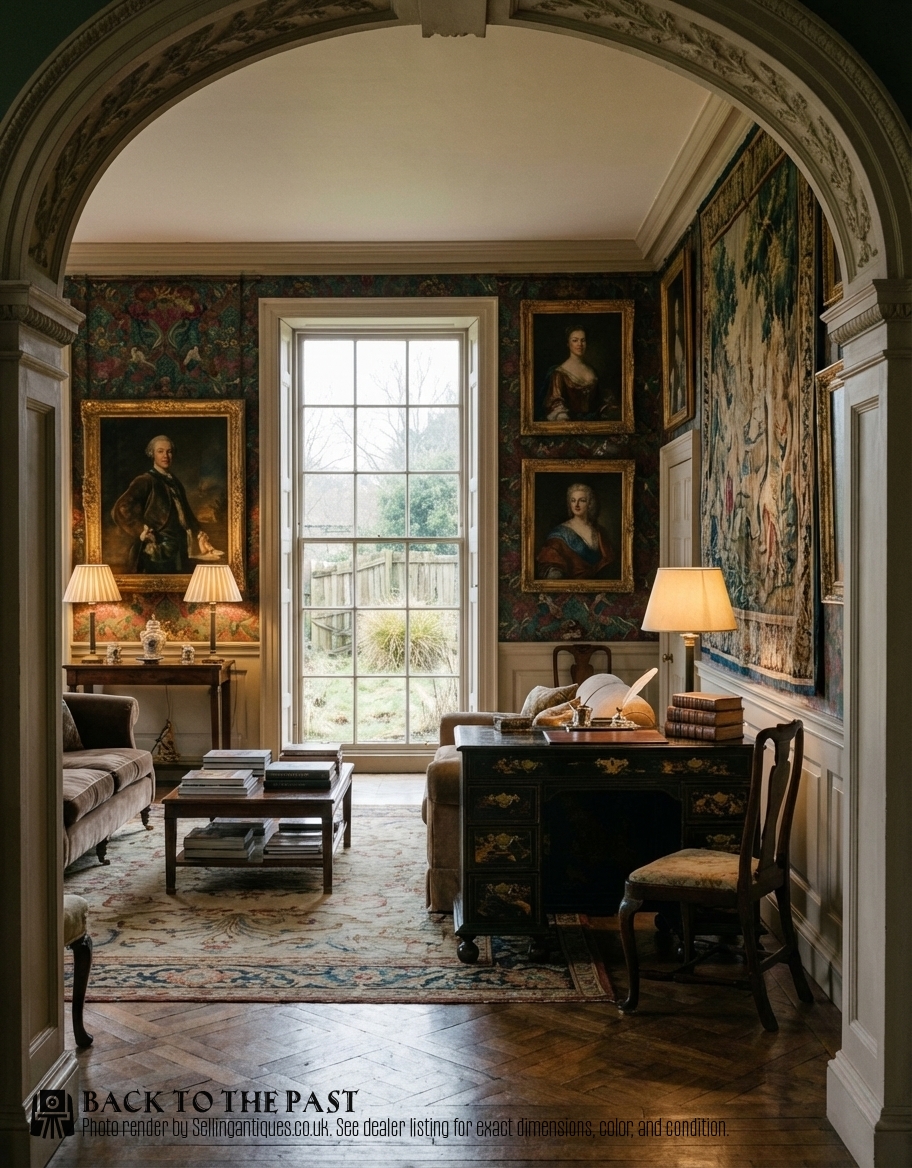
Gilt Chinoiserie Desk
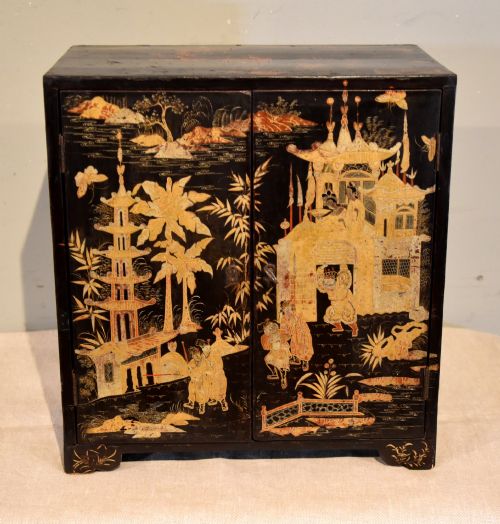
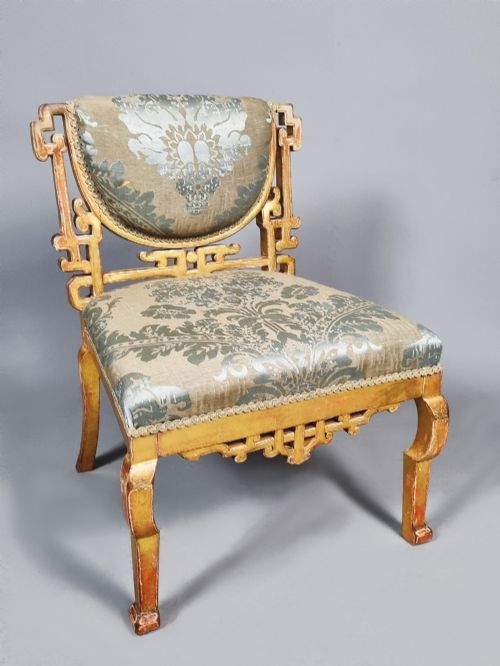
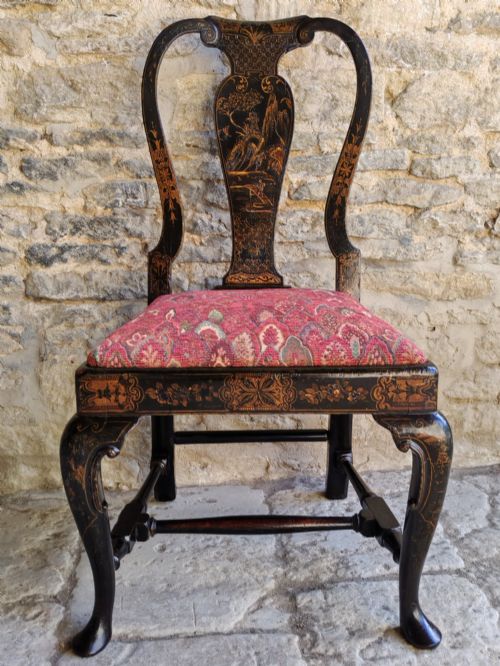
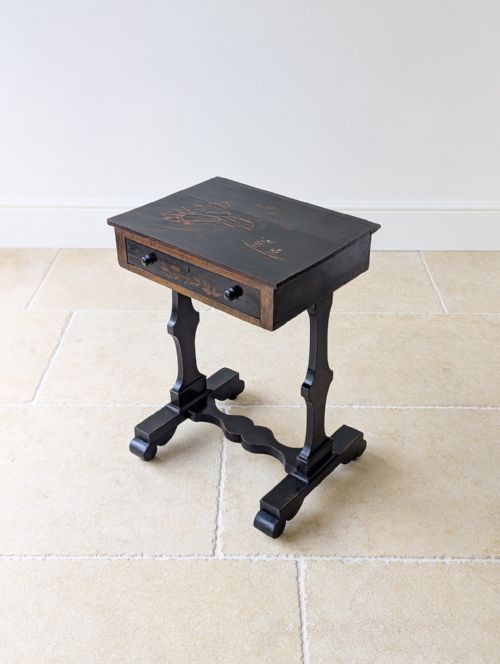
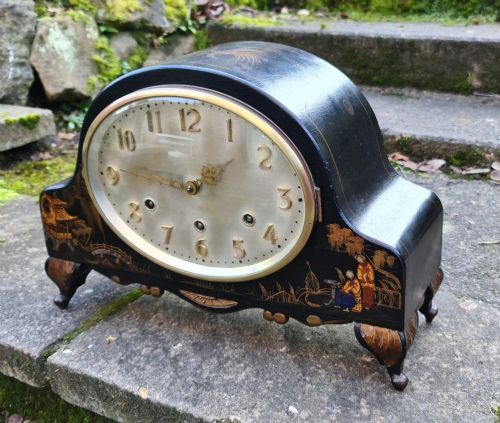
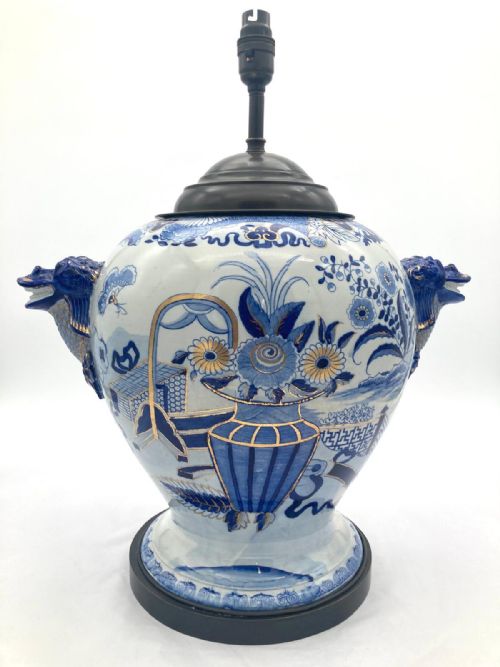
When you search for a gilt chinoiserie desk, you encounter writing furniture decorated with European interpretations of East Asian motifs, often finished in black, red or green lacquer with gold highlights. The pieces appearing here span from the eighteenth century through the nineteenth century and into the early twentieth century, taking the form of bureau bookcases, dressing tables, work tables and bureau platt desks.
Bureau bookcases and writing tables form the core of the selection, frequently pairing sloping falls or flat writing surfaces with fitted interior compartments. Stylistic influences cross from Chinese Chippendale and Queen Anne shapes into Regency and Edwardian revivals, matching the broader taste for exotic ornamentation across these periods.
Materials and Technique
The construction relies on timber frames built from woods such as oak and pine, which are then prepared for multiple coats of lacquer. Artisans built up the surface through layering and polishing before applying raised or flat gilt decoration depicting figures, landscapes and pavilions.
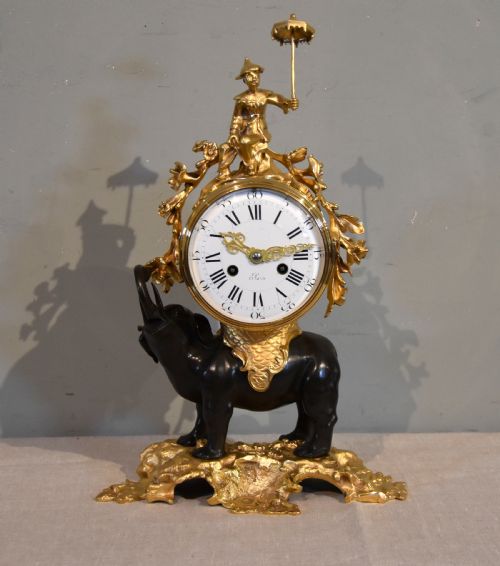
Metal mounts in brass, ormolu and gilt bronze often accent the handles, escutcheons and feet, providing structural crispness to balance the soft sheen of the lacquered panels.
Listings here feature bureau bookcases, work tables and dressing desks spanning the eighteenth to the twentieth centuries, utilising lacquer, brass and gilt bronze.
Quality and Execution
Quality rests primarily in the depth of the lacquer work and the finesse of the hand-gilding. Superior examples display intricate, multi-layered pictorial scenes with crisp linework, whereas lesser pieces show flat, mechanical application with minimal hand-finishing.
The integrity of the underlying cabinetry also dictates value, distinguishing bespoke furniture with well-fitted interior drawers and original brassware from later adaptations or heavily restored surfaces.
Waugh and Son·Edmé Samson·Moser
The Gilt Chinoiserie Desk Glossary
- Chinoiserie
- European decorative style inspired by Chinese artistic traditions, popular across the eighteenth and nineteenth centuries. It relies on imaginative depictions of landscapes, figures and pagodas.
- Bureau bookcase
- A dual-purpose piece featuring a sloping writing flap above drawers, topped by a shelved cabinet with doors. These items served for correspondence and the storage of bound volumes.
- Ormolu
- Gilded bronze ornamentation applied to furniture and clocks, cast and hand-chased to provide bright metallic highlights against wood and lacquer surfaces.
- Work table
- A small domestic table designed for sewing and needlework, often fitted with fabric bags or internal compartments beneath the main writing surface.
Gilt Chinoiserie Desk: Frequently Asked Questions
How do I care for lacquer furniture?
Lacquer surfaces require gentle treatment using a soft, dry cloth for dusting. Avoid chemical cleaners, excessive moisture and direct sunlight, which can fade the delicate gilt decoration over time.
Maintaining a stable room temperature prevents the underlying timber from expanding and protects the integrity of the layered finish.
How do I date an antique desk?
Dating relies on examining the secondary timbers, construction joints in the drawers, and the style of the brass hardware. Hand-cut dovetails and regional wood choices often point to specific manufacturing decades.
Stylistic shifts in the gilt motifs, moving from eighteenth-century restraint to nineteenth-century eclecticism, also help place the piece in its correct period.
Where were these desks placed?
In historic interiors, these desks found homes in private studies, boudoirs and drawing rooms. Their decorative exteriors meant they were displayed openly rather than hidden away.
Today, they adapt readily to modern home offices or living spaces, serving as statement pieces that break up utilitarian room layouts.