


Black Japanned Cupboard
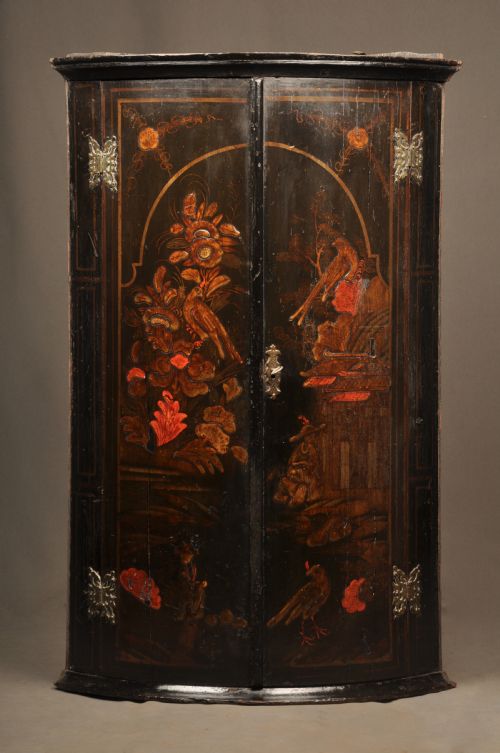
A black japanned cupboard brings orientalised decoration and rich lacquer into a room, offering deep visual texture alongside enclosed storage.
Black Japanned Cupboard
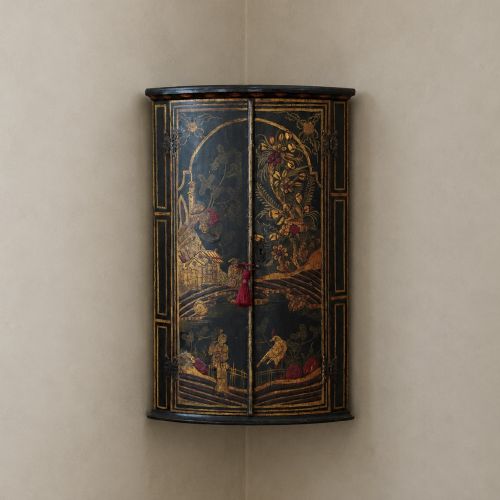
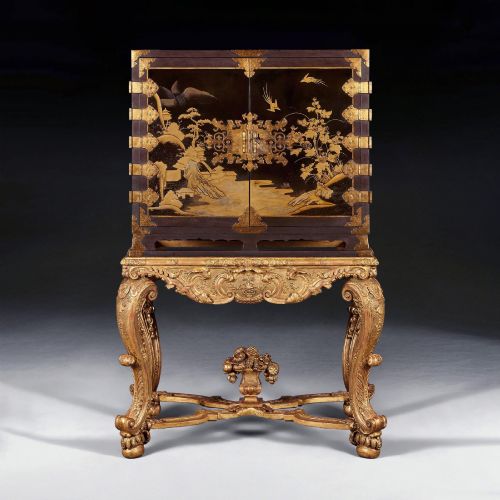
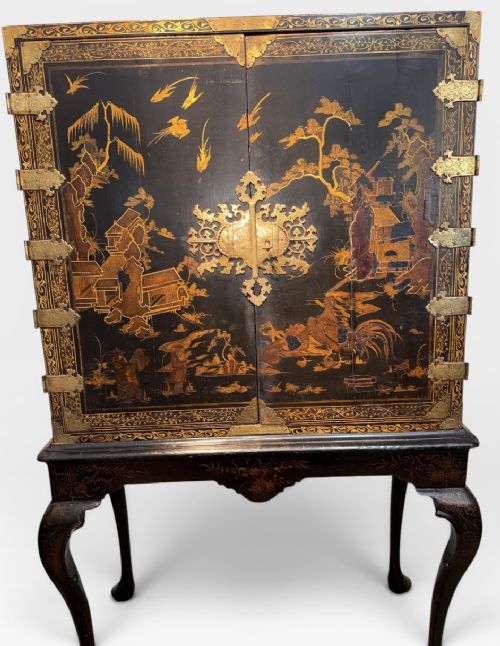
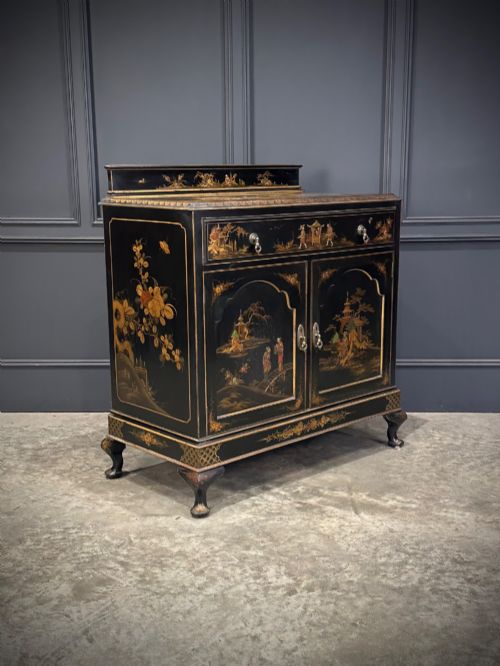
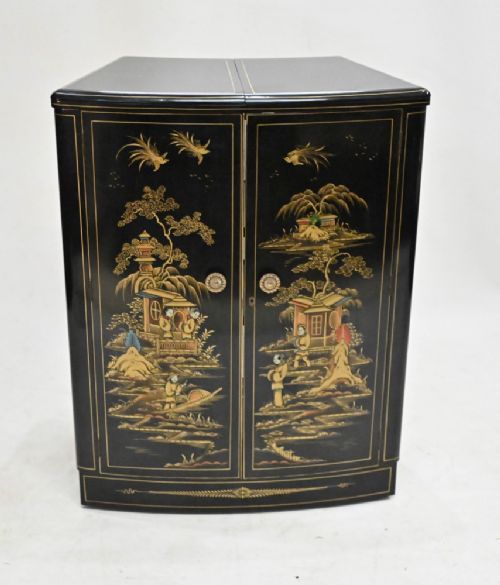
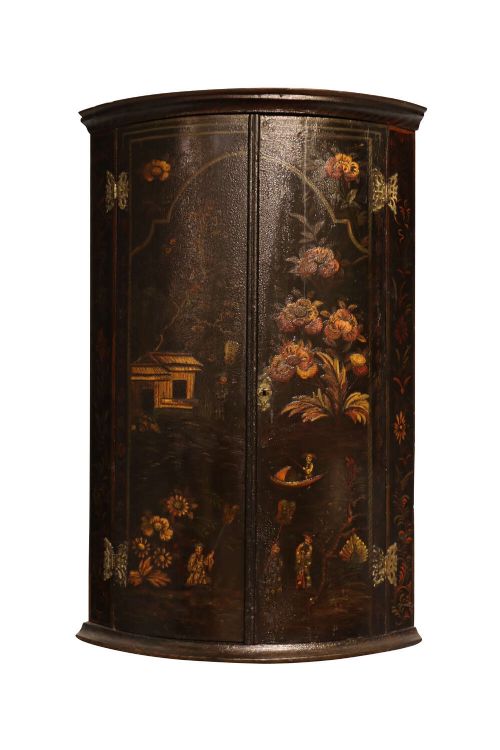
A black japanned cupboard unites form and decorative narrative, appearing across corner cupboards, side cabinets, and sophisticated cabinets on stands. These pieces span centuries from the seventeenth through to the twentieth, encompassing Georgian and Regency periods alongside Art Deco interpretations.
The aesthetic leans heavily on Chinoiserie and Japanese export styles, bringing raised motifs of figures, birds, and botanical scenes in gold leaf against dark grounds. Buyers frequently encounter corner cabinets designed to utilise awkward spaces as well as prominent side cabinets and cocktail bars.
Earlier examples typically originate from the Georgian and Queen Anne eras, while later twentieth-century iterations revive the technique in Art Deco drinks cabinets. Each piece serves primarily to conceal items while acting as a striking focal point within an interior scheme.
Materials and construction
Makers built these pieces using solid timbers such as pine and general wood carcasses, which provided a stable foundation for the layered finish. Artisans applied layers of lacquer to build a deep, reflective surface before executing intricate decorations.
Gilt, gold leaf, and brass hardware completed the surface scheme, highlighting the painted scenes and providing functional mounts. The application of gold leaf required steady precision to render the delicate landscapes and figures characteristic of Chinoiserie.
Materials recorded across the selection include lacquer, pine, brass, gold leaf, and giltwood.
Distinctions in quality
Quality rests in the depth of the lacquer layers and the finesse of the hand-painted or raised gilt decoration. Superior pieces display intricate detail in the rendering of birds, flowers, and human figures, whereas lesser examples show flat or hurried brushwork.
The integration of the cabinet with its stand, where applicable, determines structural integrity and stylistic harmony. Original brass mounts and well-preserved giltwork elevate the standing of a piece considerably against those with later replacements.
The Black Japanned Cupboard Glossary
- Japanning
- European imitation of East Asian lacquerwork, created by building up resin layers and heat-drying them. This technique allowed Western artisans to replicate the coveted sheen of imported oriental furniture.
- Chinoiserie
- European artistic style reflecting Chinese motifs and aesthetic traditions. It dominated decorative arts throughout the eighteenth century and saw revivals in later periods.
- Cabinet on stand
- A freestanding storage compartment elevated on a dedicated supporting frame or table base. This form lifts the main body of the furniture to display it with greater prominence.
- Giltwood
- Timber that has been coated with gold leaf or gold paint. It provides a luxurious contrast to the dark lacquer surfaces of the main cabinet.
- Corner cupboard
- A triangular or angled storage unit designed specifically to fit into the corner of a room. These pieces maximised floor space in period domestic interiors.
Black Japanned Cupboard: Frequently Asked Questions
How do I date a black japanned cupboard?
Dating relies on observing structural carcass timbers, hardware style, and the specific characteristics of the japanning technique. Eighteenth-century pieces often display hand-cut dovetails and distinct lacquer ageing compared to twentieth-century revivals.
Examining the underlying wood species, such as pine or oak, alongside the mounting brackets helps establish the manufacturing period accurately.
Where were these cupboards placed historically?
Corner cupboards naturally found homes in dining rooms and parlours to utilise empty wall angles for displaying porcelain or storing glassware. Cabinets on stands served as principal reception room pieces designed to command attention.
Later Art Deco iterations often functioned as dedicated cocktail cabinets positioned in entertaining spaces.
How should I care for lacquer surfaces?
Lacquer requires gentle dusting with a soft, dry cloth and protection from direct sunlight and extreme humidity fluctuations. Avoid standard chemical polishes which can degrade the historic finish.
Maintaining a stable indoor climate prevents the timber beneath from expanding and causing the lacquer layers to craze or crack.
What is the difference between lacquer and japanning?
True Asian lacquer utilises the sap of the toxicodendron vernicifluum tree, applied in numerous meticulous coats in humid conditions. Japanning is the European adaptation using shellac, varnishes, and resin varnished over a dark ground to simulate the effect.
European makers developed japanning as a cost-effective alternative to importing genuine East Asian lacquer panels.