



Black Iron Fender
These black iron fenders bring substance to a hearth, anchoring the fireplace with utilitarian weight and period craft.
Black Iron Fender
A black iron fender frames the hearth to contain ash and protect the room from stray embers. When searching for a black iron fender, a buyer encounters forms ranging from low functional guards to elaborate nursery fences and club designs.
The pieces on this page span the Georgian, Victorian, Regency, Edwardian, and 1920s periods. Victorian and nineteenth-century examples dominate the selection, appearing alongside earlier Georgian items and later twentieth-century interpretations.
Makers utilised cast iron, wrought iron, and steel, frequently combining the dark metal with brass tops, wire mesh, or leather seating. These variations reflect the changing demands of domestic heating across two centuries of domestic life.
Materials and construction methods
Black iron fenders rely on the contrasting use of cast and wrought iron. Smiths cast heavy components in moulds for rigid structural framing, while forging malleable iron by hand into decorative scrolls or protective wirework mesh.
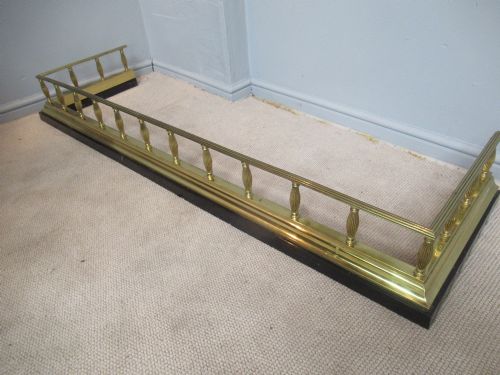
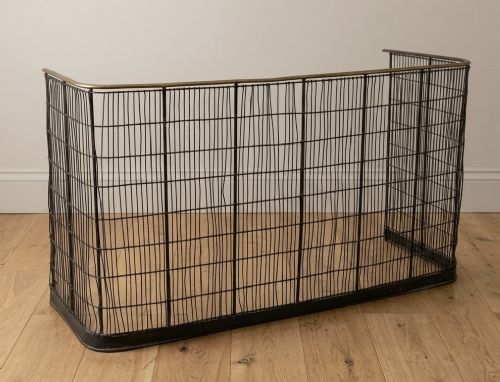
Workshops routinely paired iron frames with polished brass rails or secured fine wire mesh to contain sparks safely. Certain club designs integrate padded leather upholstery directly onto the metal structure to provide hearthside seating.
Some nursery fenders included built-in rails specifically for drying small garments near the warmth of the fire.
Assessing the grade of a fender
Quality rests upon the heft of the metalwork and the precision of the assembly. Heavy cast components and cleanly joined wrought members indicate a higher standard of production than light, mass-produced alternatives.
The integration of secondary materials defines the calibre of the piece. Firmly stitched leather on club versions and neatly woven wire mesh demonstrate superior execution by the original maker.
The Black Iron Fender Glossary
- Club fender
- A low hearth guard featuring upholstered leather seats on either side. These items allow people to sit close to the fire.
- Nursery fender
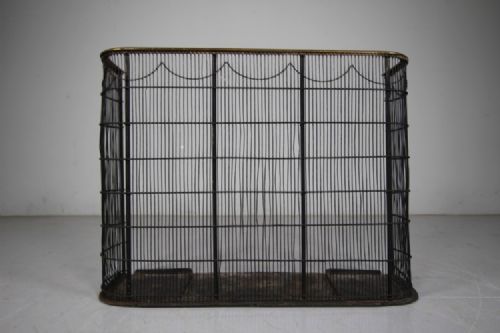
- An tall protective screen designed to prevent children and pets from reaching the flames. These pieces often incorporate wire mesh.
- Cast iron
- Molten metal poured into a mould to form rigid structural shapes. This material provides the heavy foundation for many hearth guards.
- Wrought iron
- Metal heated and shaped by hand using a blacksmith's tools. This technique creates resilient bars and decorative scrollwork.
Black Iron Fender: Frequently Asked Questions
How do I choose the right size fender?
Measure the width and depth of your fireplace opening carefully before selecting a guard. Ensure there is adequate clearance around the grate for daily use.
Consider the proportions of the room and the height of the fireplace surround when viewing different styles.
What is a club fender used for?
A club fender serves as both a protective hearth barrier and an integrated seat. The padded corners provide comfortable seating directly beside the fire.
These pieces were common in larger country houses and libraries during the nineteenth and early twentieth centuries.
How do I clean a cast iron fender?
Remove surface dust and ash using a soft dry brush. Avoid harsh chemical cleaners that can damage the historic surface.
Light applications of traditional grate polish can help maintain the dark finish on iron components.
Are wire mesh fenders safe?
Wire mesh screens effectively contain sparks and embers while allowing maximum heat to enter the room. They offer practical protection for domestic hearths.
Inspect the mesh structure periodically to ensure the wire remains secure within the metal frame.