


Black Ink Illustration
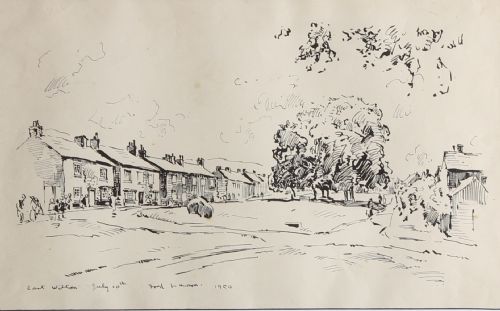
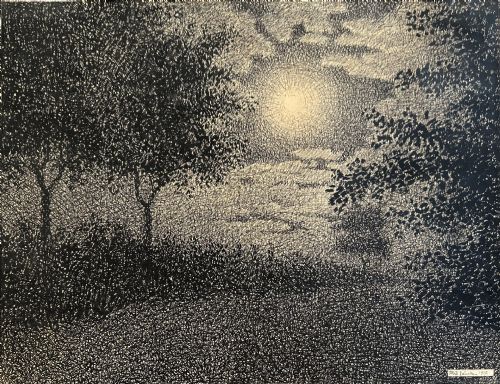
These black ink illustration works on paper capture subjects from rural landscapes to architectural studies through direct line and wash.
Black Ink Illustration
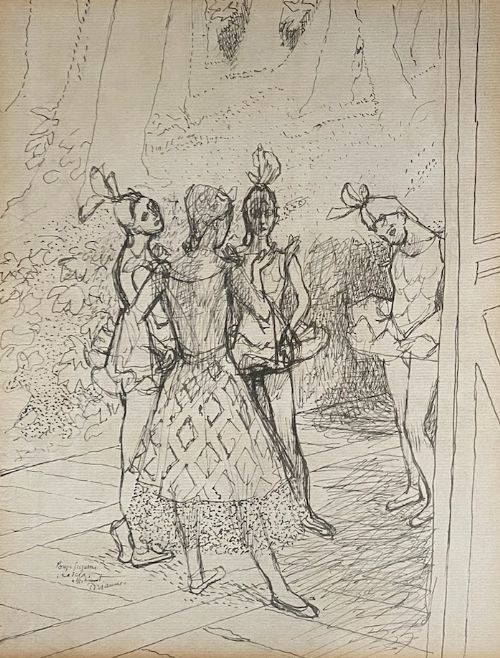
A black ink illustration brings together original drawings on paper spanning the nineteenth century through the mid-twentieth century. Buyers encounter architectural designs, theatrical backstage scenes, and landscape views created by named artists and anonymous hands.
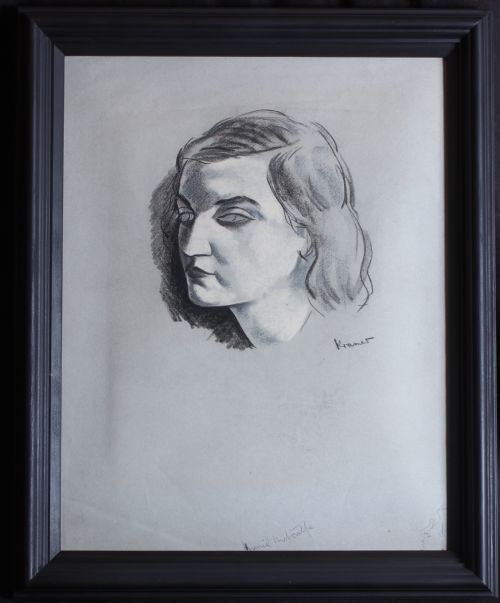
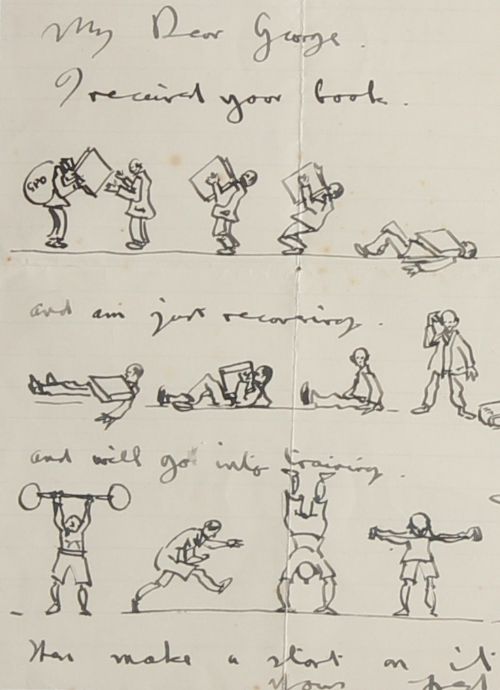
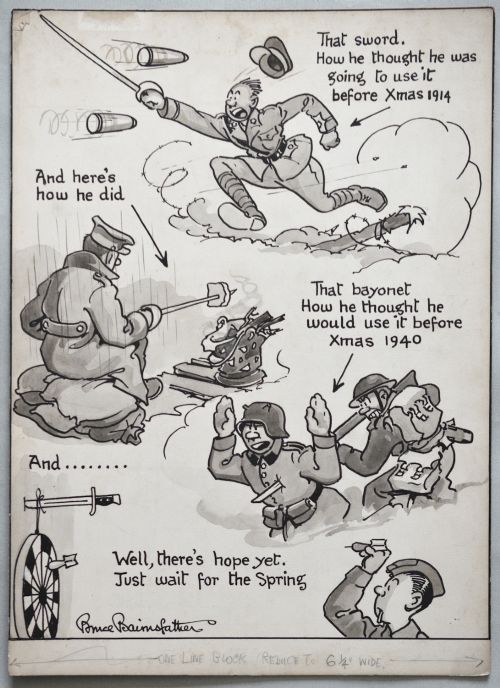
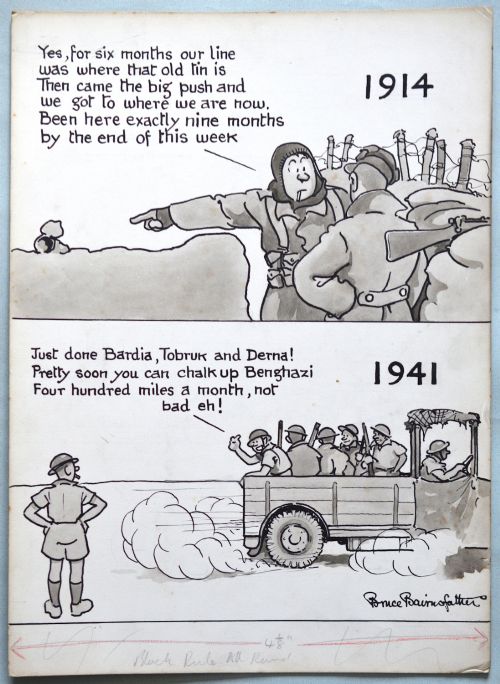
The selection ranges from early architectural drawings to satirical sketches and modernist nudes. Many examples incorporate wash and watercolour alongside pen work to build tone and depth across the sheet.
Works appear framed or unframed, often originating from artist sketchbooks or institutional study collections. Pieces frequently date from the Edwardian era and the decades following, reflecting changing graphic styles.
Materials and technique
Artists utilised dark ink applied with pens or brushes directly onto paper sheets. Many compositions combine pure pen lines with diluted wash and watercolour to establish shadow and atmospheric effects.
Support materials consist of various paper types, sometimes mounted within wooden frames behind glass for protection. Pencil underdrawing remains visible beneath the ink in several preliminary studies and architectural plates.
A seventeen-year-old student named H. H. Wyatt meticulously rendered a royal palace for the South Kensington School.
Quality and execution
The distinction lies in the sureness of the draughtsmanship and the clarity of the composition on the paper surface. Skilled execution demonstrates purposeful line work and confident handling of ink and wash.
Condition of the paper and the integrity of the original medium influence the visual impact. Works that retain crisp ink tones and strong tonal contrast stand apart from faded or heavily browned sheets.
Fred Lawson·Bruce Bairnsfather·Maurice Brianchon·Herbert Dicksee·Lucien Freud·John Duncan Fergusson
The Black Ink Illustration Glossary
- Wash
- A diluted layer of ink or watercolour applied with a brush to create tonal variations and shadows. This technique adds depth behind crisp pen lines.
- Work on paper
- Any piece of art executed on a paper support rather than canvas or panel. This category includes drawings, watercolours, etchings, and prints.
- Pen and ink
- A drawing medium utilising fluid ink applied with a nib or quill upon paper. It forms the primary graphic structure in these illustrations.
- Architectural drawing
- A precise technical or artistic rendering of buildings, interiors, or structural details. These sheets often served educational or design purposes.
Black Ink Illustration: Frequently Asked Questions
What is a black ink illustration?
It is an original work on paper created primarily with dark ink lines, often combined with wash or watercolour. These pieces range from rapid preparatory sketches to finished architectural and landscape compositions.
They represent various periods from the nineteenth century through the mid-twentieth century, showcasing diverse graphic styles from satirical cartoons to modernist studies.
How should I frame works on paper?
Framing requires archival materials and UV-protective glass to shield delicate paper and water-soluble inks from light damage. Professional mounting prevents the paper from touching the glass directly.
Keeping drawings away from direct sunlight preserves the strength of the ink and prevents the paper support from yellowing over time.
How can I date an old drawing?
Dating relies on stylistic clues, paper characteristics, signatures, and any accompanying inscriptions or documentation from the period. Architectural subjects and clothing styles often point to specific decades.
Many sheets carry dates or credit student work, schools, or known artists directly on the paper or reverse mount.
Where did these drawings originate?
These pieces originate from artist sketchbooks, institutional drawing schools, architectural portfolios, and private collections. Some derive from published books or illustrative series.
Their provenances reflect both professional graphic output and educational exercises completed within specific historical movements.