


Black Gilded Mirror
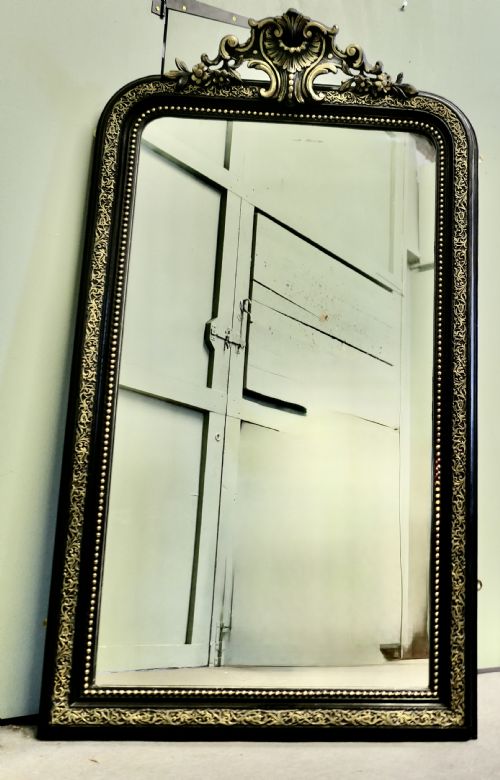
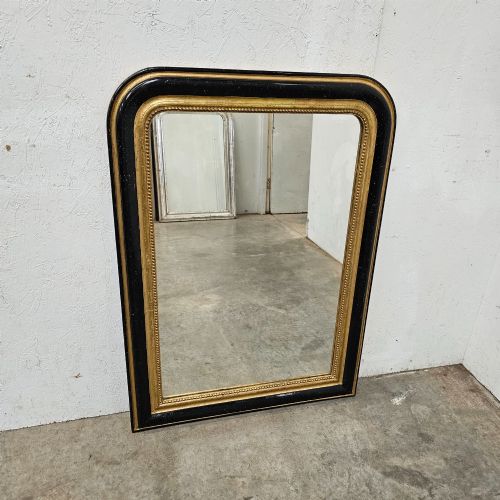
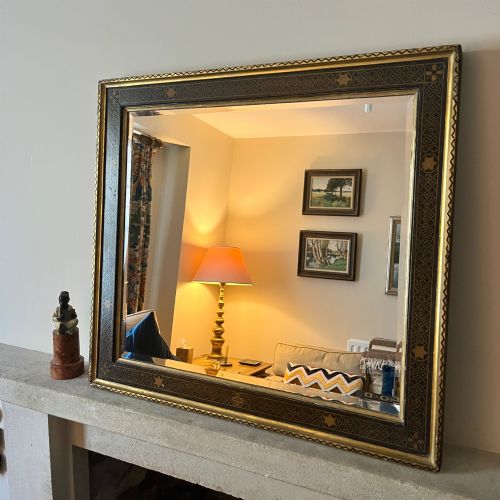
A black gilded mirror brings depth and contrast to a room through dark ebonised surfaces warmed by gleaming gold leaf.
Black Gilded Mirror
A black gilded mirror combines dark ebonised or japanned wood frames with contrasting gold leaf decoration, creating a dramatic focal point. When searching for a black gilded mirror, buyers encounter a rich variety of forms including large overmantel mirrors, tall pier mirrors, and smaller dressing mirrors.
The pieces span multiple periods from the eighteenth century through to the early twentieth century. Victorians favoured grand ebonised and parcel-gilt overmantels, while earlier pieces often display intricate Chinoiserie scenes or Regency motifs.
Wall mirrors and overmantels dominate the selection, designed to hang above mantelpieces or anchor large wall spaces. Each piece reflects the aesthetic preferences of its era, moving from Georgian restraint to ornate Victorian and Napoleon III styling.
Materials and Technique
Frames are constructed from carved wood, applying layers of gesso to create smooth surfaces or relief decoration before finishing. Artisans then apply black paint, ebonised finishes, or dark lacquers to the wooden substrate.
Gold leaf or gilt highlights are carefully applied to raised carvings, crests, and borders to contrast against the dark background. Mirror glass is set within these robust frames, frequently retaining original silvering or showing age through gentle oxidation.
Listings feature eighteenth-century Chinese export pieces alongside nineteenth-century Victorian overmantels in ebonised wood and gesso.
Assessing Quality
Quality rests in the depth of the carving and the intricacy of the gesso work beneath the gilding. Superior frames feature crisp hand-carved details on crests and corners rather than simplified moulded compositions.
The treatment of the dark surface finish alters the character of the piece, with high-gloss lacquer and finely executed japanning demanding greater skill than flat painted surfaces. The integration of the gold leaf with the ebonised wood determines the visual harmony of the mirror.
Garnett & Sons
The Black Gilded Mirror Glossary
- Ebonised
- Wood treated with a chemical stain or finish to imitate expensive ebony. This dark surface forms the primary background for gilt highlights.
- Gesso
- A plaster mixture applied to wood frames and carved to create relief ornament before gilding. It provides the smooth base required for crisp surface detail.
- Parcel-Gilt
- A decorative finish where only specific portions of an object are gilded while the rest remains painted or dark. This technique highlights carved mouldings and crests.
- Japanning
- A European imitation of East Asian lacquerwork using resin varnishes and painted decoration. It frequently appears on Chinoiserie mirrors from the eighteenth and early twentieth centuries.
- Overmantel Mirror
- A large mirror designed to sit directly above a fireplace mantel. These horizontal formats anchor principal reception rooms.
Black Gilded Mirror: Frequently Asked Questions
Where should I hang a black gilded mirror?
These mirrors suit placement above a fireplace mantel or as a focal point on a principal living room wall where their dark frames create strong contrast against light walls.
Smaller dressing mirrors find natural placement on top of chests of drawers or console tables in bedrooms and hallways.
How do I date a black gilded mirror?
Dating relies on stylistic clues, frame construction methods, and the characteristics of the mirror glass itself. Victorian and Napoleon III pieces often feature heavy ebonised overmantel frames with elaborate crests.
Earlier eighteenth-century examples display hand-painted Chinoiserie scenes or refined proportions associated with Regency and Georgian periods.
Are the mirror plates original?
Many antique mirrors retain their original glass plates, which often display subtle foxing, silver loss, and gentle distortions that reveal their age. Replacement glass does occur during restoration, which alters the reflective clarity.
Inspecting the backboards and fixings provides further context regarding the age of the plate within the frame.
How do I care for ebonised and gilt frames?
Dust frames gently using a soft, dry brush to prevent accumulation in the carved recesses of the gesso and gilt work. Avoid chemical cleaners or moisture, which can damage the delicate gold leaf and ebonised surfaces.
Maintain stable indoor humidity levels to protect the underlying wood and prevent movement in the frame joints.