


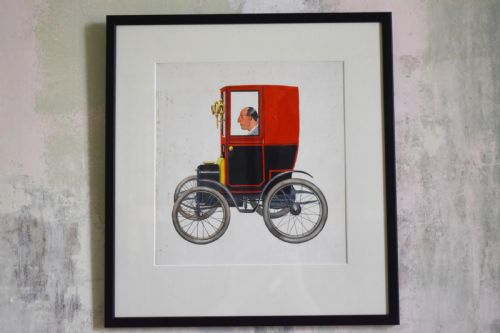
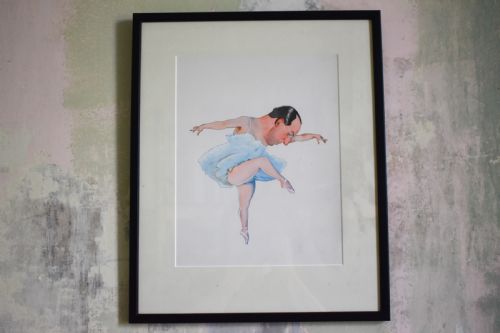
Black Framed Watercolour Artwork
Black framed watercolour artwork brings together delicate pigment on paper and stark dark surrounds, offering a focused period view from the eighteenth century to the mid-twentieth century.
Black Framed Watercolour Artwork
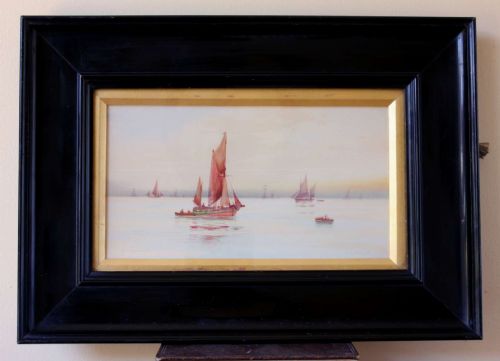
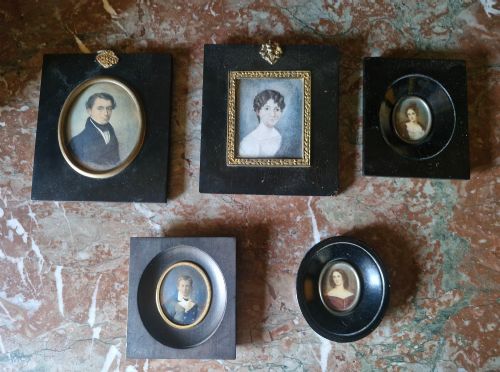
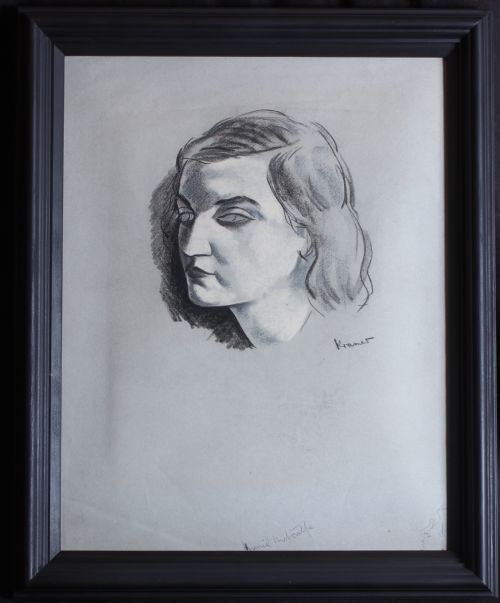
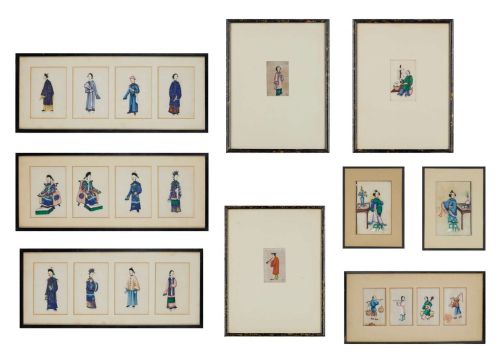
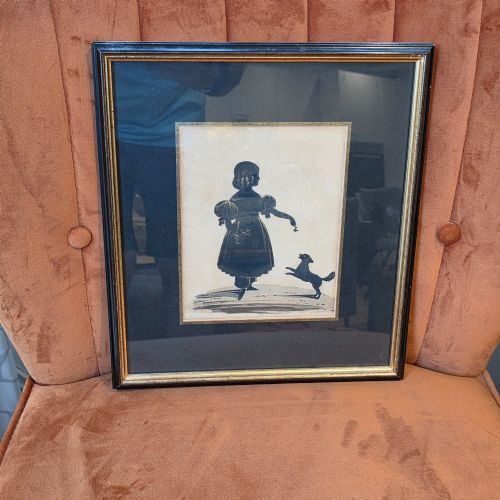
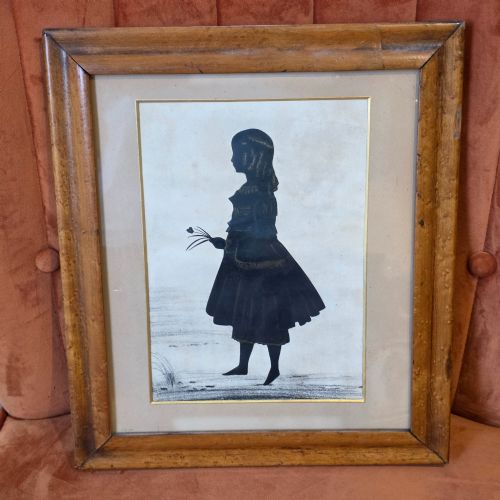
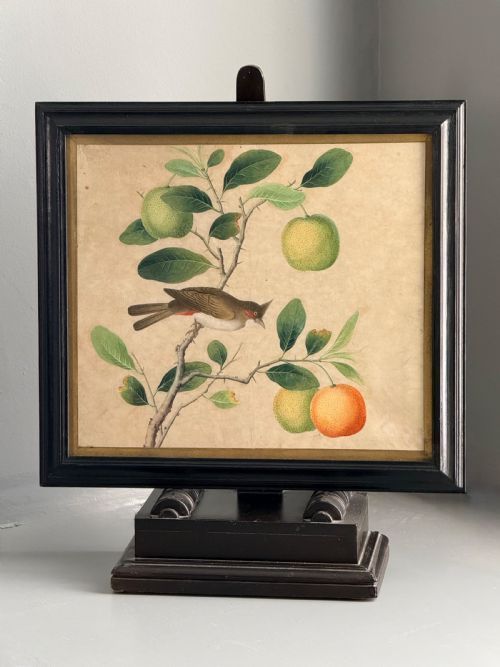
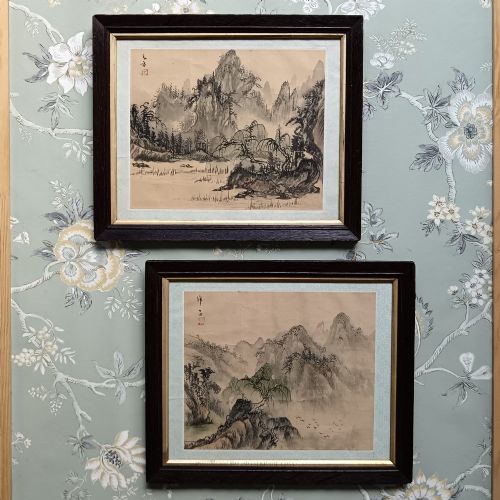
A black framed watercolour artwork search reveals a diverse mix of eighteenth, nineteenth, and twentieth-century paintings, drawings, and silhouettes housed in contrasting dark borders. The selection spans delicate Chinese pith paper paintings, British landscapes in ink and watercolour, and intimate portrait miniatures set within period surrounds.
Buyers encounter everything from crisp Regency cut-paper silhouettes to vibrant Victorian genre scenes and twentieth-century British topographical drawings. These pieces rely on paper and card supports enclosed in wood frames, often with ebonised finishes that accentuate the pigments within.
Materials and construction
Works are executed primarily in watercolour paint, gouache, ink, or pastel on paper, card, pith, or silk, sometimes incorporating gold leaf or delicate cut-paper elements. Pigments are applied with fine brushes to capture linear detail or washes of tone.
The surrounding frames are constructed from wood, frequently finished with an ebonised dark coating to create a strong visual boundary. Glazing typically protects the fragile paper surface underneath, occasionally accompanied by original mounts and backboards.
A tiny three-month-old infant named Robert is immortalised here in full Regency watercolour splendor.
Markers of quality
Quality rests in the precision of the brushwork, the expressiveness of the draughtsmanship, and the survival of the original paper or silk surface without excessive fading. Strong provenance or legible artist signatures elevate individual examples above anonymous works.
The integrity of the framing plays a role, with period ebonised wood mouldings and original glass contributing to historical cohesion. Condition issues such as foxing or water staining on the paper substrate detract from the visual strength of the image.
William James Hubard·Fred Lawson·Edwin Lord Weeks·Alice Anne Renshaw·Raoul Millais·Annie L Lee·Alfred Graham
The Black Framed Watercolour Artwork Glossary
- Watercolour
- A painting method in which the paints are made of pigments suspended in a water-based solution. It allows for transparent washes of colour that let the texture of the paper show through.
- Ebonised wood
- Timber treated to resemble dense, black ebony wood through staining or chemical darkening. This finish was widely utilised on frames during the Victorian and Regency periods to provide high contrast.
- Pith paper
- A delicate material prepared from the spongy interior of the Tetrapanax papyrifer plant. It accepts rich watercolour and gouache pigments with a distinctive velvety texture.
- Silhouette
- A portrait cut from dark paper or painted in solid profile against a pale background. Artists during the eighteenth and nineteenth centuries often combined this technique with watercolour details.
- Gouache
- An opaque water-based paint that includes a white pigment filler, creating a heavier and more solid colour layer than standard watercolour. It is frequently found combined with ink on nineteenth-century sheets.
Black Framed Watercolour Artwork: Frequently Asked Questions
Can I hang these paintings in direct sunlight?
Paper and watercolour pigments are sensitive to ultraviolet light and will fade permanently if exposed to bright sun over time.
Position your pieces on interior walls away from direct sunlight to preserve the original depth of the ink and paint.
How do I identify a Regency ebonised frame?
Regency frames often feature simple, clean wooden mouldings with a deep black finish that highlights the delicate silhouette or portrait within.
Examining the backboards, fixings, and timber type helps confirm whether the frame is contemporary to the artwork.
What is pith paper artwork?
Pith paper paintings are delicate historical works created on a plant-based cellular material that gives pigments a soft, velvety depth.
These pieces are exceptionally fragile and require secure glazing and stable humidity levels to prevent cracking.