
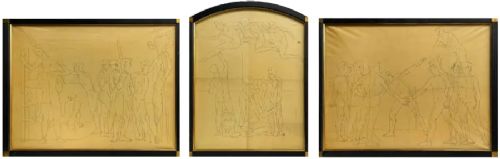
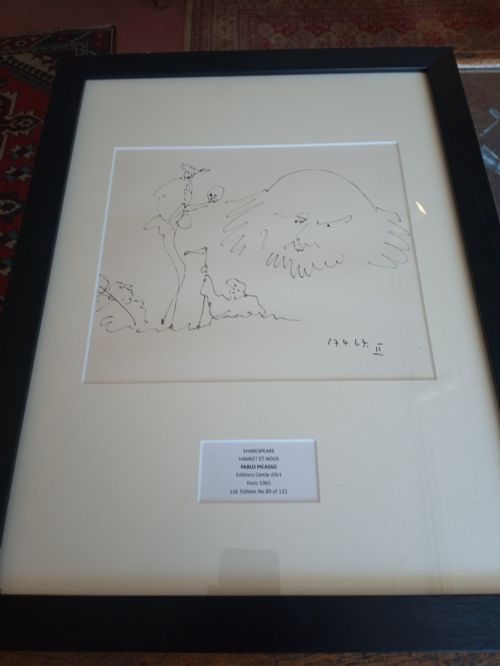
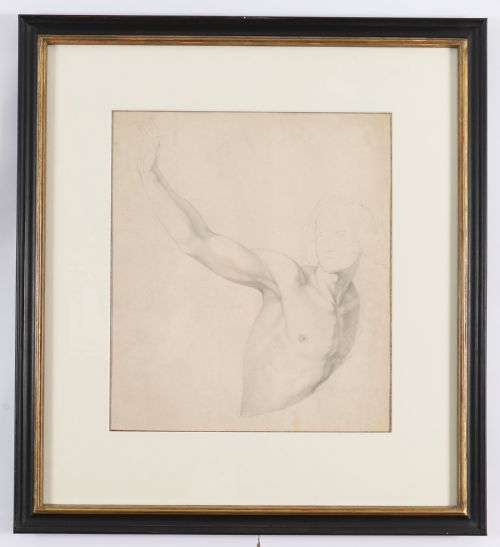
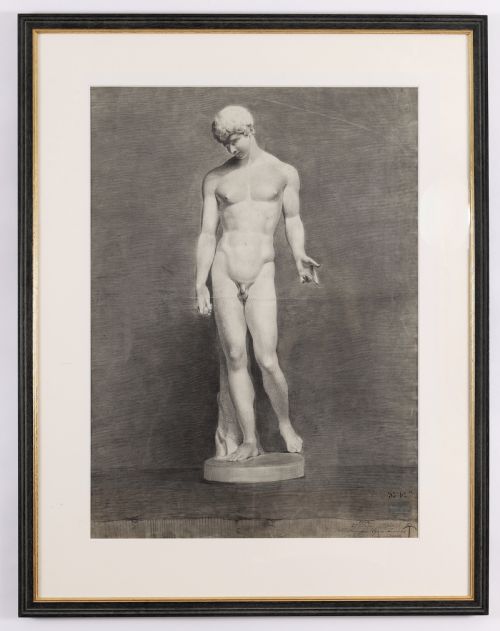




Black Framed Drawing
A black framed drawing brings historical character to a room through monochrome or tinted works on paper protected beneath glass.
Black Framed Drawing
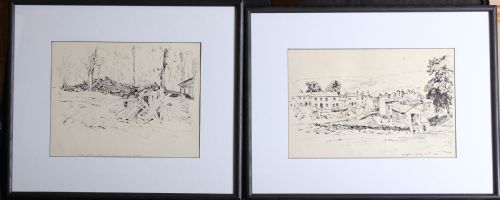
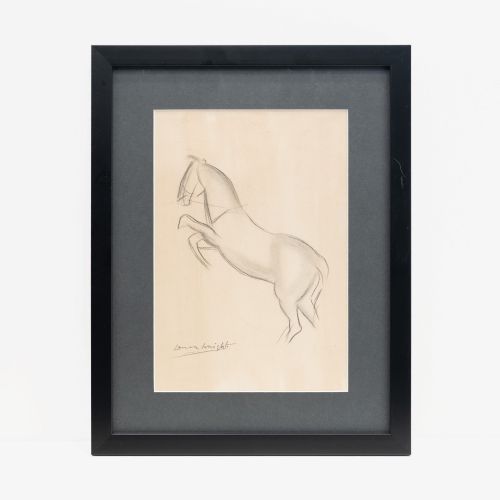
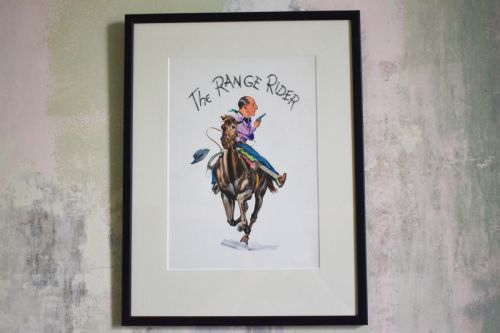
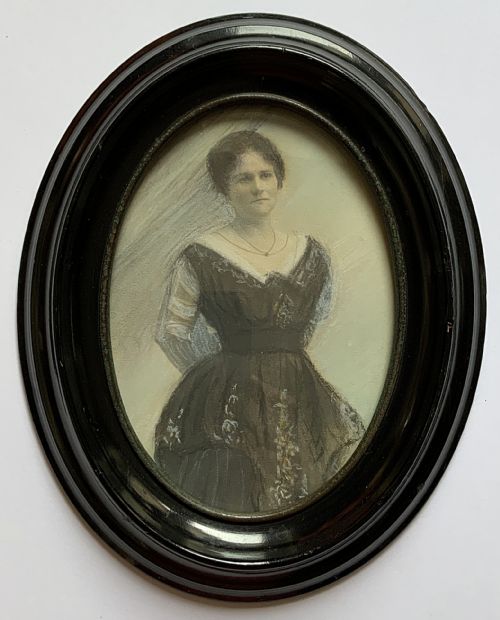
A black framed drawing comprises original works on paper housed inside dark wooden or moulded surrounds, matching the search phrase black framed drawing. These pieces span portrait miniatures, landscape studies, and academic life drawings produced across multiple centuries.
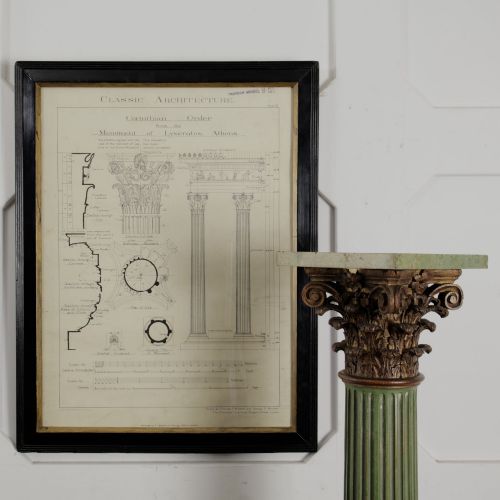
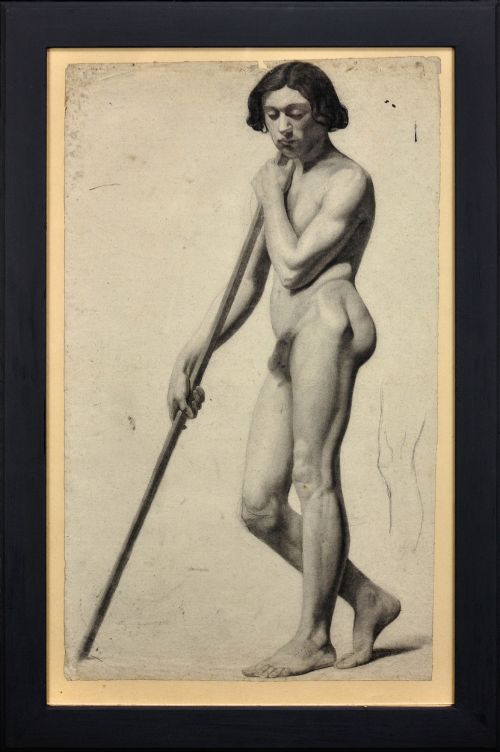
The selection frequently includes nineteenth-century academic sketches, mid-century modernist compositions, and eighteenth-century plumbago portraits. Works by named artists sit alongside anonymous studio studies and architectural drafts.
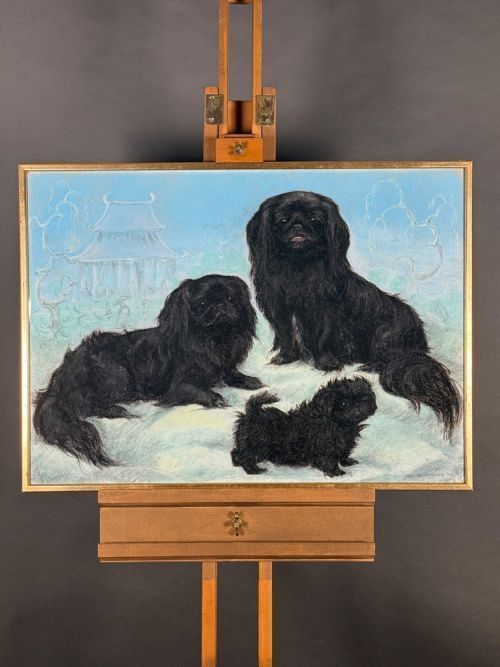
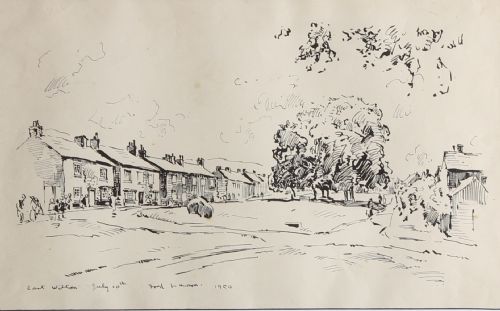
Buyers encounter subjects ranging from animal portraits and equine studies to classical figures and topographical landscapes. The common thread uniting these objects is their paper medium paired with dark framing.
How They Were Made
Draftsmen and artists employed pencil, graphite, charcoal, ink, and watercolour applied directly to paper supports. Plumbago drawings utilised fine lead-based graphite to achieve miniature detail, while charcoal and pastel allowed for broader tonal expression.
Wooden frames, often finished in black paint or stain, secured the works alongside glass to protect the fragile paper surfaces underneath. Brass elements occasionally appeared in hanging hardware or subsidiary mounts.
Styles represented include Academic Realism, Georgian, Mid-Century Modern, Neoclassical, and Regency.
What Varies in Quality
Draftsmanship and precision separate casual studio exercises from accomplished finished works. The confidence of the line and the anatomical accuracy in life studies reveal the hand of a trained practitioner.
The preservation of the paper support and the harmony between the drawing and its dark frame influence desirability. Contemporary or period framing that respects the scale of the artwork enhances the visual coherence of the piece.
Fred Lawson·James Stroudley·Dame Laura Knight·John Taylor·Henry Arthur Roberts·Demetrios Galanis·Michael Lyne·J D Fergusson·Raoul Millais·Winifred Eugene Ballard
The Black Framed Drawing Glossary
- Plumbago
- An early form of pencil drawing executed in graphite, popular for detailed portrait miniatures during the seventeenth and eighteenth centuries. The term derives from the Latin name for graphite.
- Academic Realism
- A style of painting and drawing produced under the influence of European academies of art, prioritising strict adherence to classical standards and accurate life drawing. Such works often depict mythological or historical subjects.
- Charcoal
- A dry drawing medium made from organic matter combusted without oxygen, yielding deep black marks that smudge easily for dramatic shading. It remains a primary medium for expressive figure studies.
- Portrait Miniature
- A small-scale painted or drawn portrait, frequently executed on vellum, ivory, or paper during the eighteenth and nineteenth centuries. These intimate works were often housed in protective cases or frames.
Black Framed Drawing: Frequently Asked Questions
How should I hang a framed drawing?
Keep drawings away from direct sunlight to prevent the ink, watercolour, or paper from fading over time. Utilise wall space at eye level in rooms with stable humidity.
Ensure the hanging wire and brackets match the weight of the dark wooden frame securely. Grouping smaller sketches together creates a balanced gallery display.
What is plumbago?
Plumbago refers to a delicate portrait drawing executed in graphite on paper or vellum. These works gained popularity in the Georgian era for their crisp detail.
The term also describes the mineral substance used before modern pencils were manufactured. Collectors prize these fine monochrome portraits for their linear precision.
Are these drawings original?
The selection consists of original works on paper, including ink studies, charcoal life drawings, and watercolour landscapes. Artists created each piece by hand.
Listings occasionally include period prints or lithographs after known artists alongside unique drawings. Check the individual description to confirm the specific medium.
How do I date an old drawing?
Examine the watermark on the paper, the style of the script, and the materials used in the construction of the frame. Academic clothing and hairstyles also offer clues to the period.
Nineteenth-century academic studies often carry institutional stamps or signatures. Comparative research helps narrow down the decade of creation.