

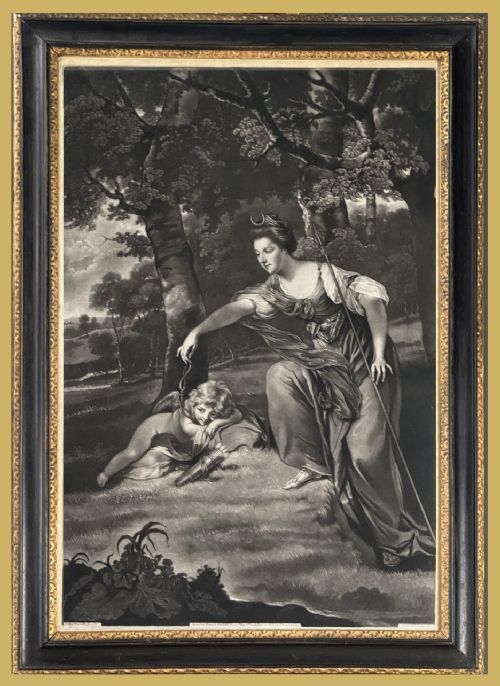
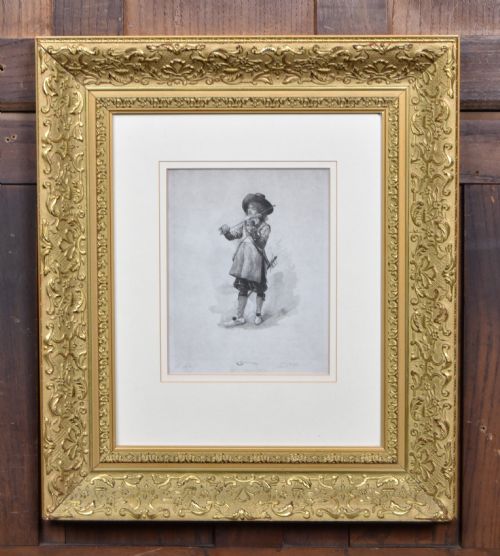
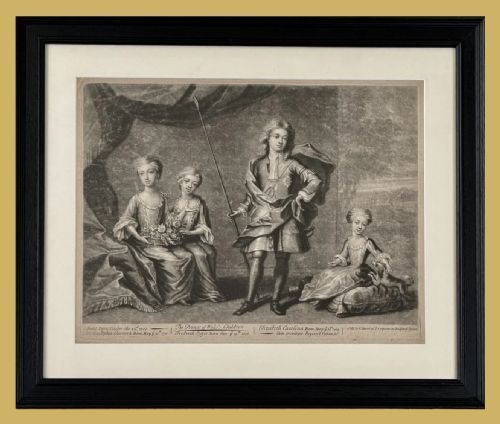
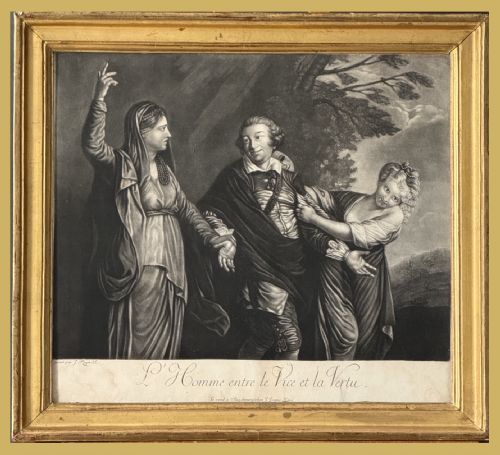
Black Framed Classical Prints
Black framed classical prints bring historic engraving, etching and mezzotint into modern interiors with stark framing.
Black Framed Classical Prints
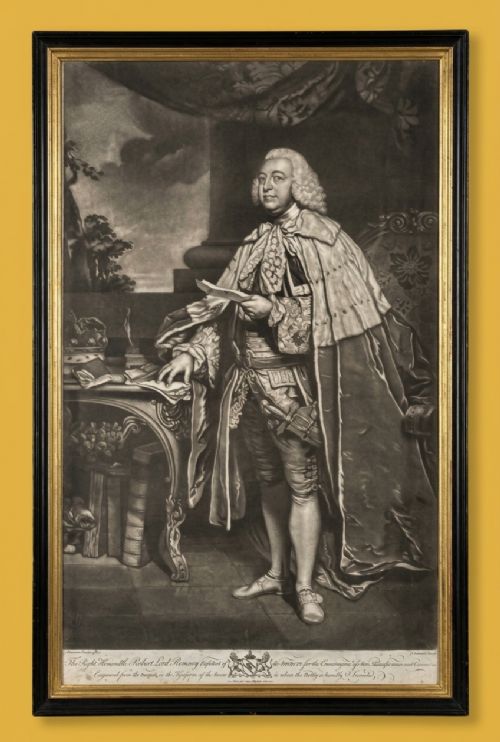
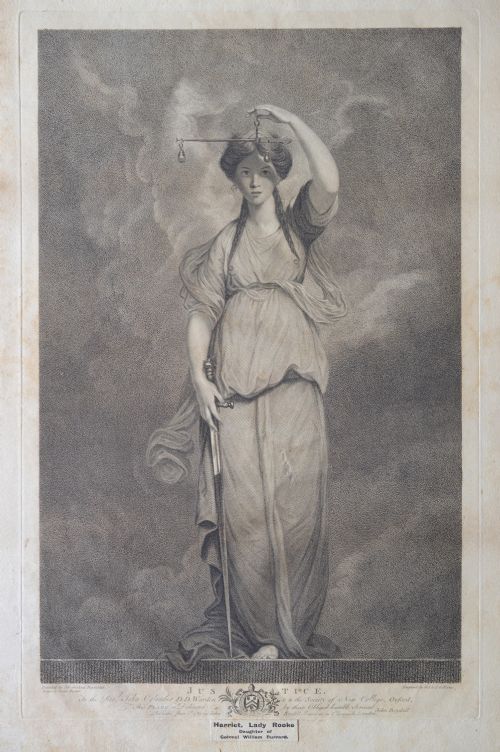
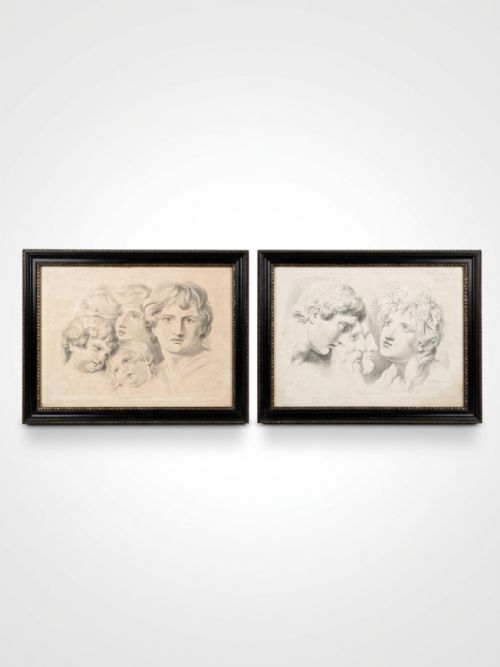
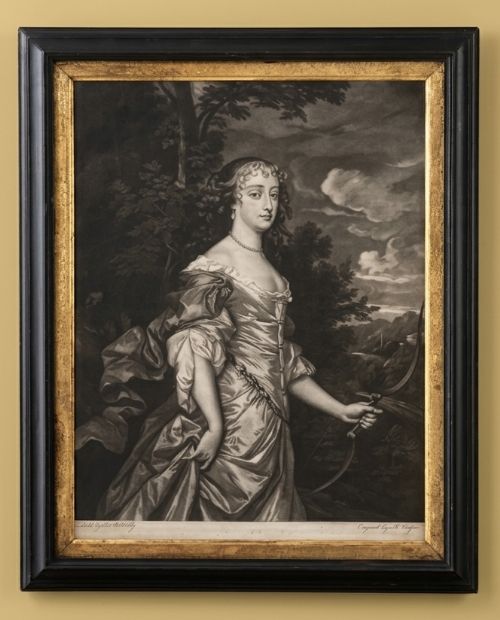
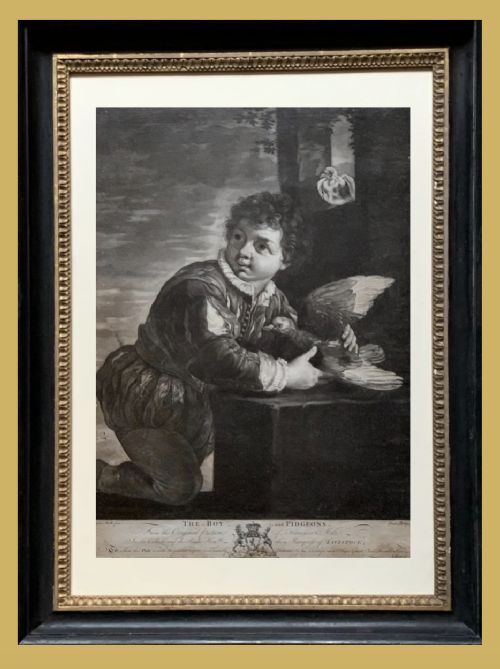
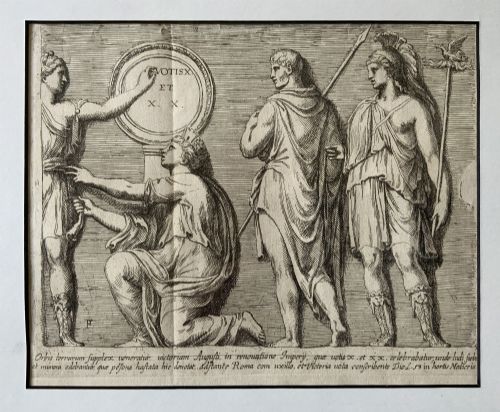
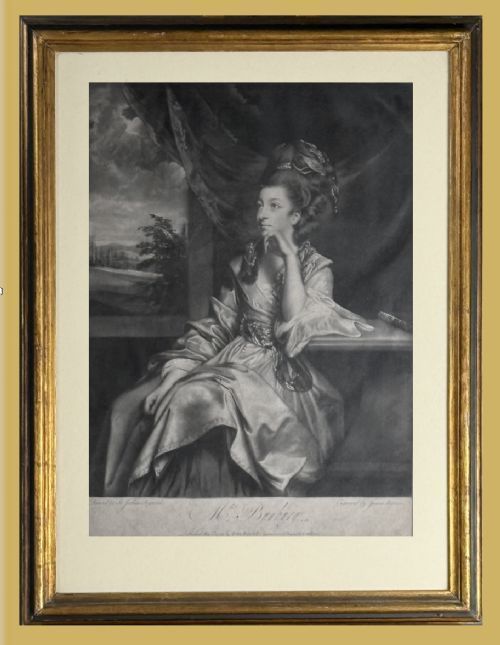
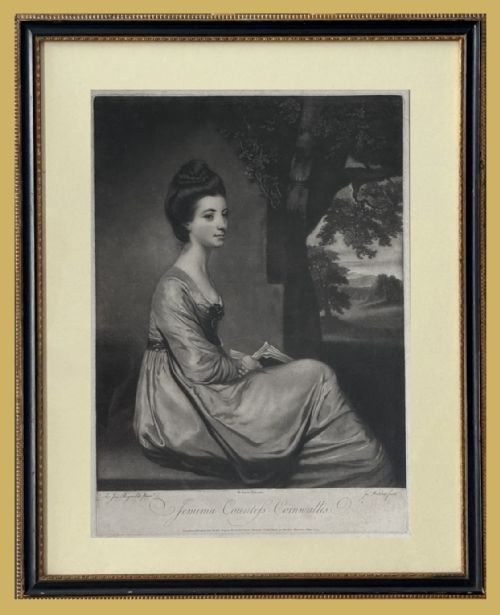
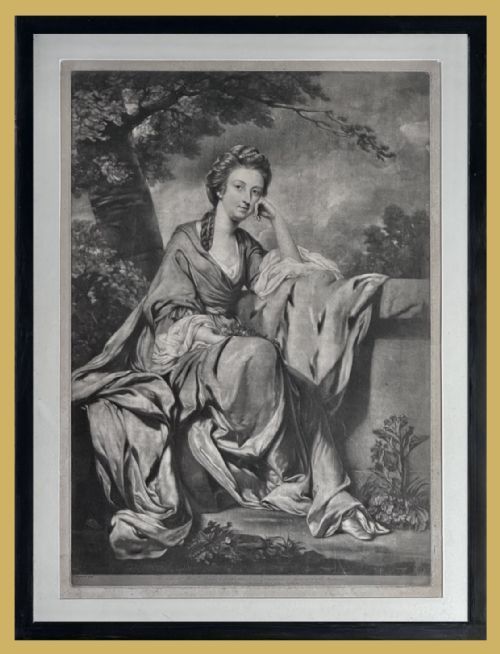
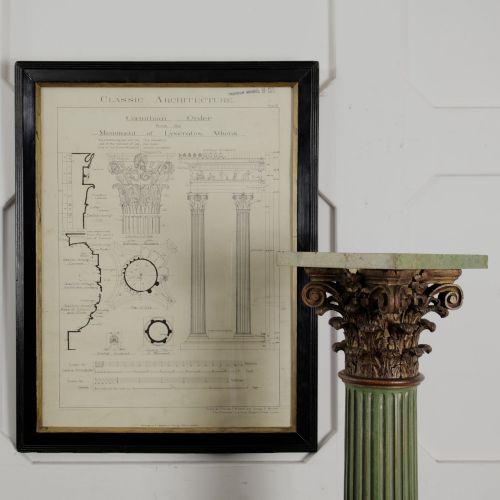
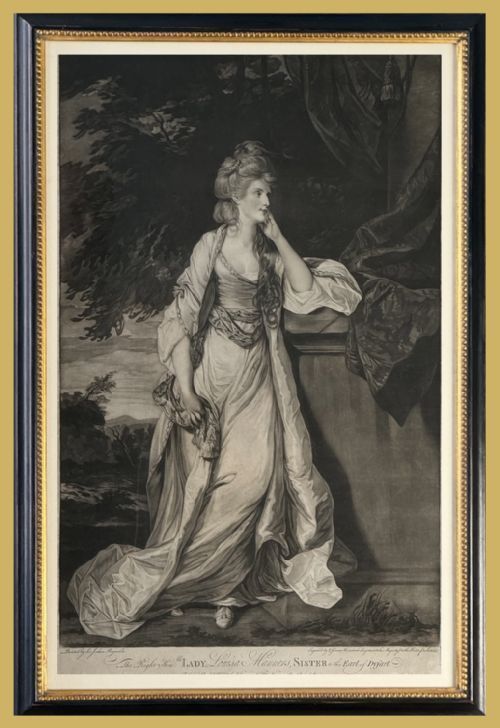
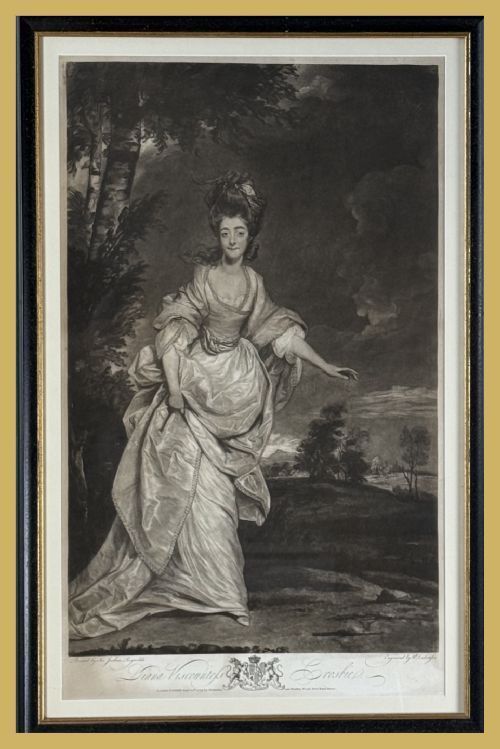
Black framed classical prints represent centuries of printmaking, spanning subjects from ancient architectural ruins and mythology to academic figure studies and aristocratic portraits. When exploring black framed classical prints, buyers encounter works originating from the seventeenth century through to the twentieth century, with strong representation from the eighteenth and nineteenth centuries. These pieces typically present historical engravings, etchings or mezzotints set behind protective glass within dark timber surrounds.
The visual character relies on monochrome ink on aged paper contrasted against a simple dark border. Many examples stem from Grand Tour travels, featuring Italian antiquities, classical sculpture and architectural plates by printmakers like Francesco Piranesi and François Perrier. Others reproduce paintings by masters such as Sir Joshua Reynolds or Nicolas Poussin, translating complex painted tones into finely worked lines.
Buyers are most likely to meet nineteenth-century impressions of earlier plates, alongside original eighteenth-century architectural engravings and portrait mezzotints. The mounting often incorporates traditional timber moulding finished in black paint, sometimes accented with fine gilt lines or gilding. This presentation suits both traditional libraries and contemporary minimalist wall displays.
Materials and Techniques
The foundational medium relies on laid or wove paper receiving ink transferred from hand-pressed copper or steel printing plates. Artisans utilised etching acid to bite lines into metal plates, or employed engraving tools to carve details directly into the copper surface. Mezzotint practitioners worked the plate surface with a rocker to create rich tonal gradations from deep black to brilliant white highlights.
Framing materials traditionally consist of solid wood, such as oak, pine or fruitwood, rebated to hold the glazing and print securely. Dark finishes were applied using dark stains, black paints or ebonising techniques, occasionally complemented by applied gold leaf or gilt wood slips around the inner edge. Glazing protects the delicate paper surface from atmospheric moisture and dust accumulation.
Black Framed Classical Prints Retail Price Guide 2026
Typical asking prices for black framed classical prints among the pieces listed under this phrase on Sellingantiques today, from the lower quarter to the upper quarter. They describe what is for sale here now, not the wider market.
Listings feature paper, glass, wood, ink, gold leaf, gilt wood and charcoal across 18th and 19th-century periods.
Factors Determining Quality
Quality rests primarily upon the impression clarity and the printing state of the paper. Early impressions taken when the metal plate was fresh display crisp, deep lines and sharp contrasts, whereas later printings yield softer, worn details. The historical significance of the printmaker and the draughtsman also elevates the standing of a piece.
Paper condition heavily influences the desirability of an antique print. Fine examples retain their natural tone without heavy foxing spots or acid burns from old backing boards. Furthermore, the retention of original framing elements, such as early glass and period wooden mouldings, contributes to historical integrity.
Thomas Watson·John Boydell·Edward Fisher·James Watson·Valentine Green·Francesco Piranesi·Étienne Baudet
The Black Framed Classical Prints Glossary
- Mezzotint
- A printmaking process where the copper plate is roughened evenly and scraped to produce rich tones and subtle shadows. This tonal method was widely used in the eighteenth century for reproducing oil portraits.
- Etching
- A technique where lines are bitten into a metal plate using acid before being inked and pressed onto paper. Artists use this method to achieve fluid, expressive line work.
- Engraving
- A method of cutting design lines directly into a metal plate using a sharp steel tool called a burin. The resulting lines are precise and clean.
- Grand Tour
- A cultural journey of Europe undertaken by wealthy young men in the eighteenth and nineteenth centuries to study classical art and architecture. Prints documenting these travels were popular souvenirs.
- Neoclassical
- An artistic movement drawing inspiration from the classical art and culture of ancient Greece and Rome. This style dominated architecture, painting and decorative arts through the eighteenth and nineteenth centuries.
Black Framed Classical Prints: Frequently Asked Questions
How do I hang these prints safely?
Use sturdy picture hooks rated for the weight of the timber frame and glass. Hang them away from direct sunlight to prevent the ink and paper from fading over time.
Ensure the wall fixings are secure into masonry or wall studs to support the heavy wooden frames safely.
Are these prints original antiques?
Many listings feature original prints pulled from metal plates during the seventeenth, eighteenth or nineteenth centuries. Print dates often reflect the period the impression was created rather than the original composition date.
Examining the paper type and plate marks helps confirm the historical period of the physical sheet.
What subjects are most common?
Common subjects include classical architectural ruins, mythological scenes, and academic figure studies of male and female forms. Portrait mezzotints after prominent painters also appear frequently.
These themes reflect the educational and aesthetic interests of collectors during the Georgian and Victorian eras.