


Black Forest Figures
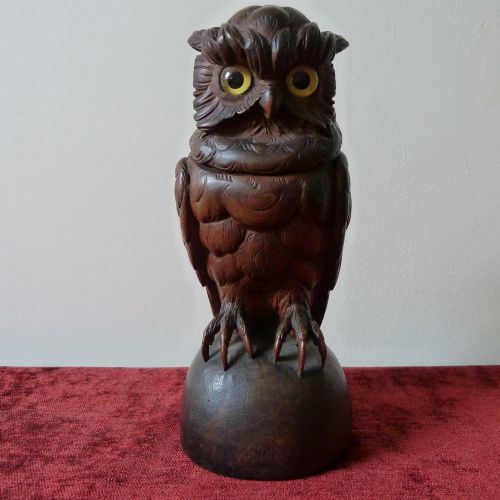
Black forest figures are hand-carved wooden sculptures and functional objects from the nineteenth and early twentieth centuries that bring rustic alpine charm into a room.
Black Forest Figures
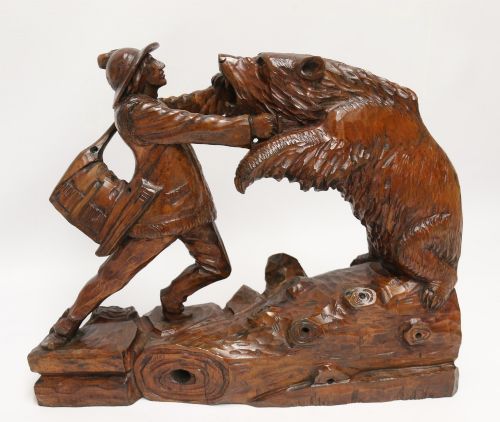
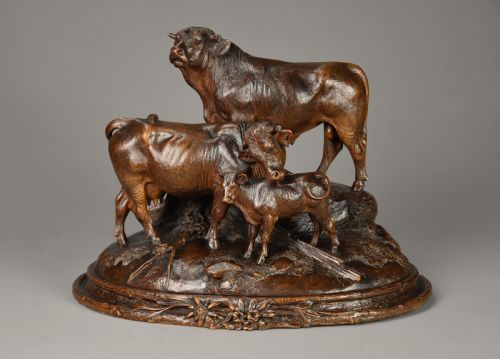
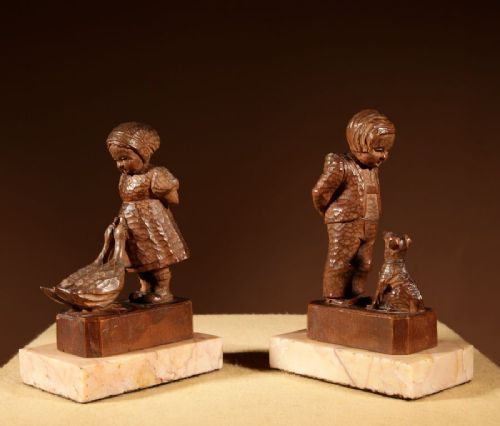
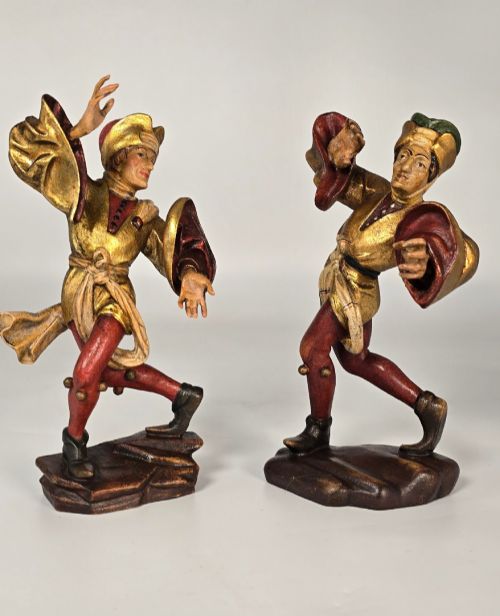
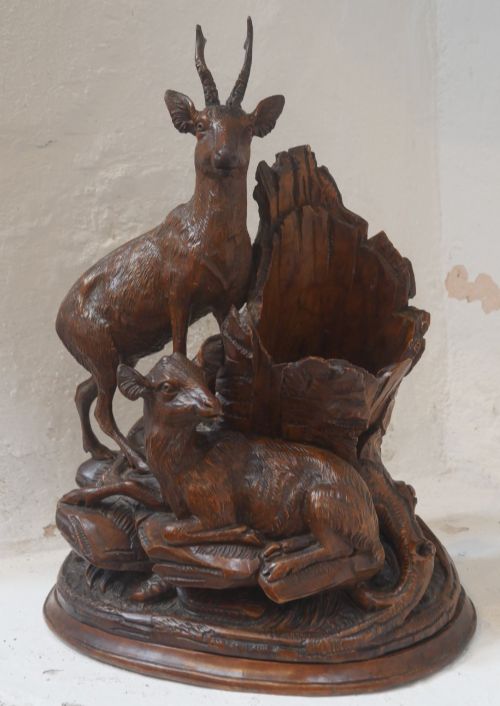
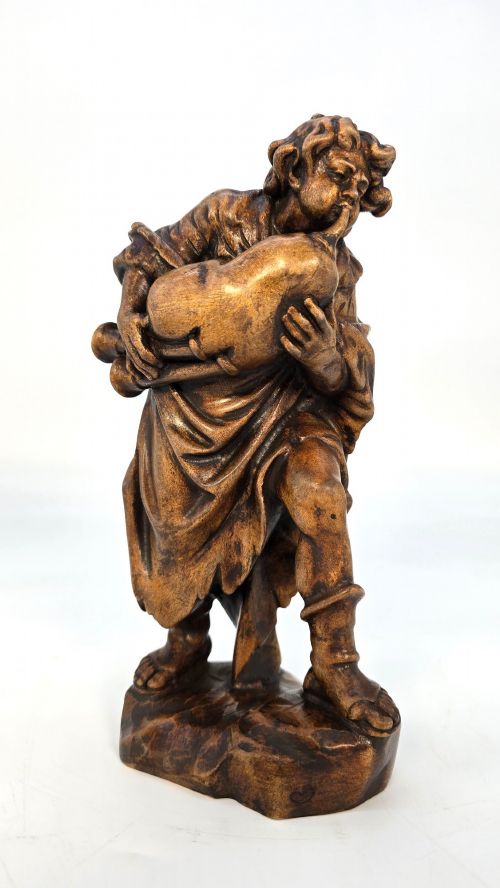
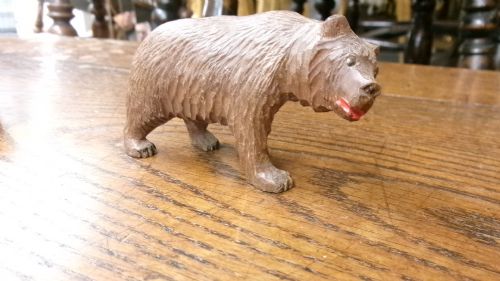
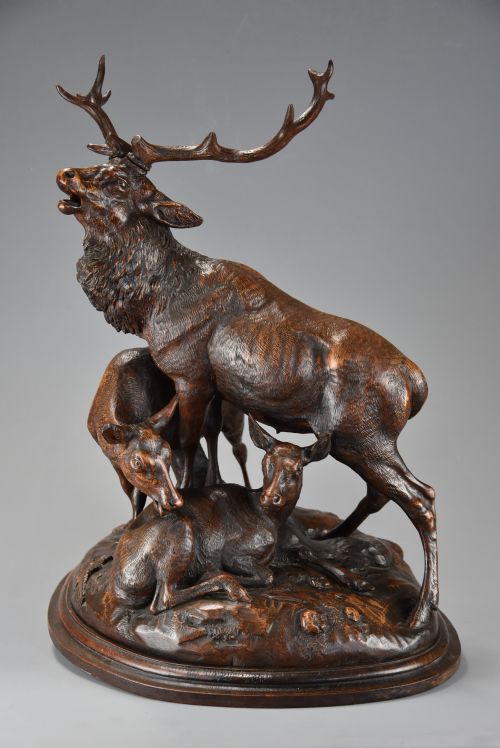
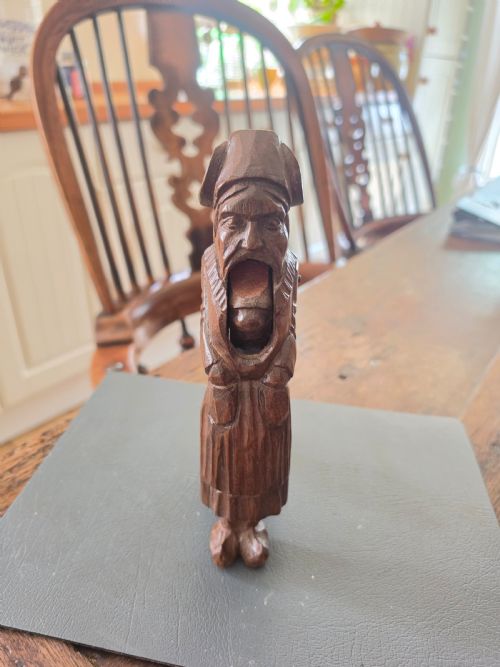
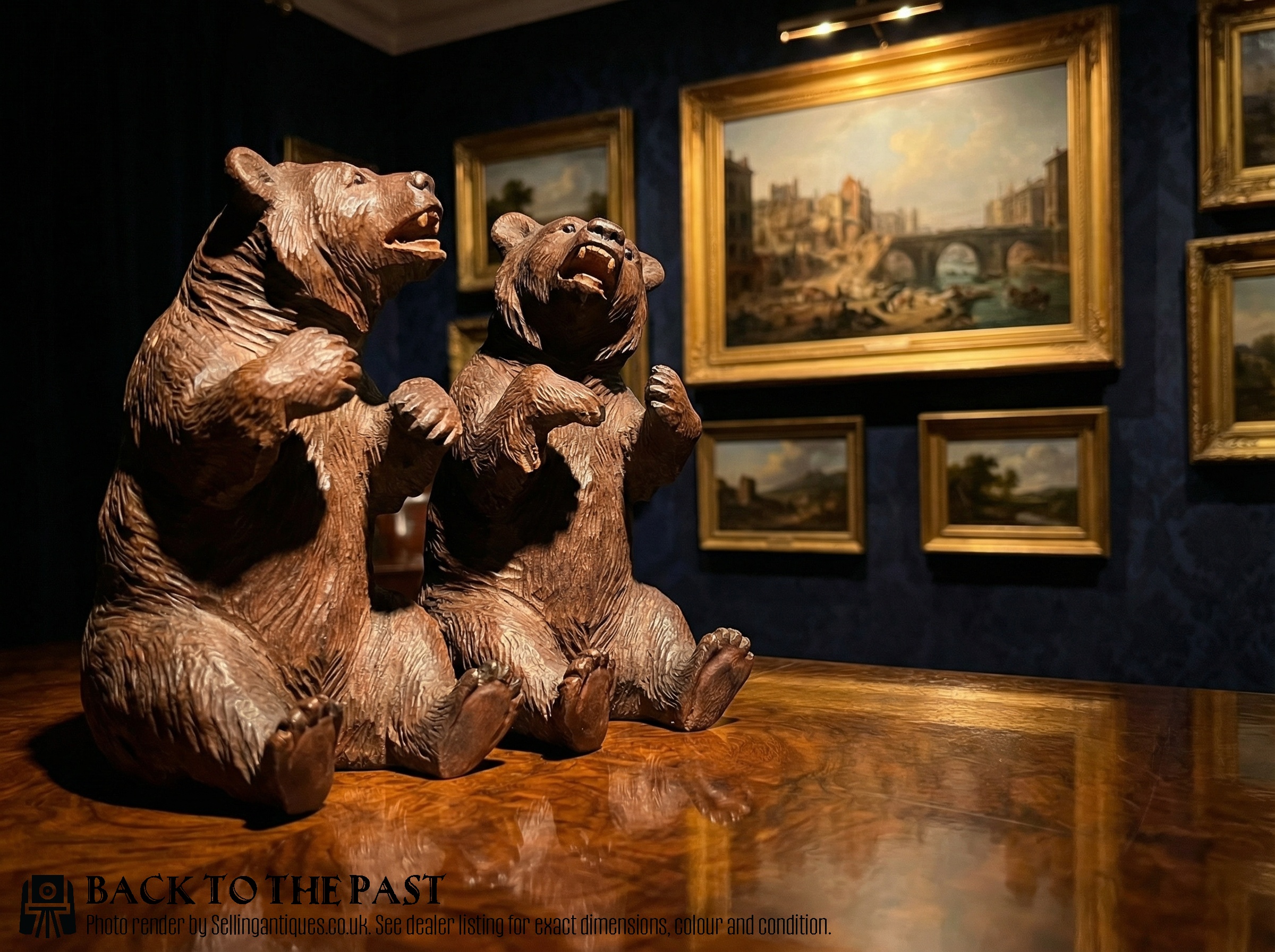
When you search for black forest figures, you encounter carved wooden animals, human characters, and utility pieces originating from European mountain regions during the Victorian era and the early twentieth century. Bears, owls, deer, cattle, and human figures such as peasants and medieval musicians appear frequently across these listings.
How they were made
Carvers utilised soft and workable timbers such as limewood, linden wood, walnut, and oak to shape intricate details using hand chisels and gouges. Lighter woods allowed for deep undercutting and realistic fur textures, particularly on animal subjects.
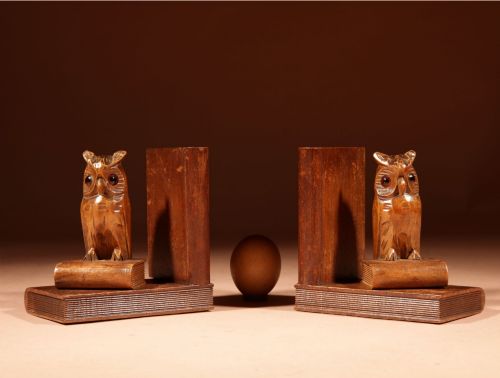
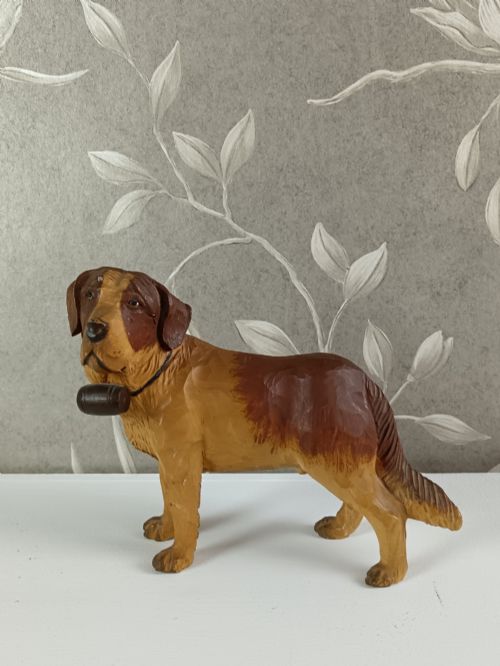
Some pieces incorporate painted polychrome finishes or glass eyes to enhance realism, while others rely purely on the polished grain of the walnut or oak. Stamped signatures or inscriptions occasionally identify specific workshops or makers on the finished wood.
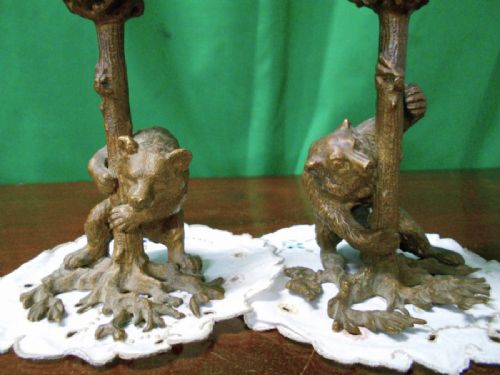
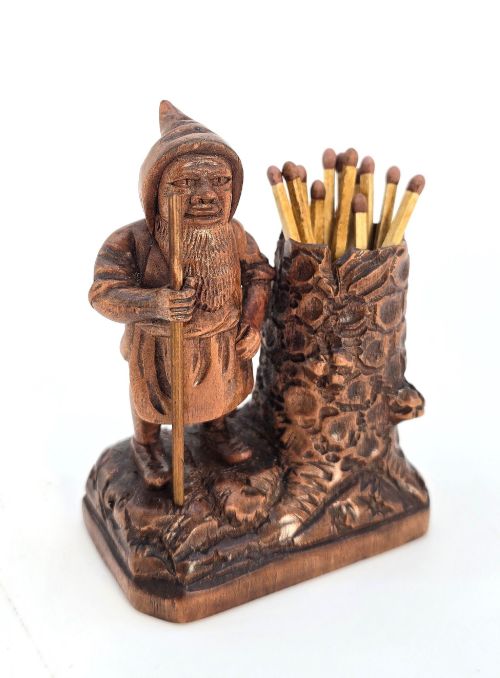
Functional objects on this page include bookends, candlesticks, nutcrackers, match holders, and inkwells alongside pure sculptures.
What varies in quality
Complexity of composition also separates individual items, such as multi-figure groups depicting cattle, bears, or dancing jesters compared to single static animals. The presence of functional elements like inkwells or bookend mechanisms integrated smoothly into the carved design adds further interest.
J HUGGLER
The Black Forest Figures Glossary
- Black Forest
- A regional style of wood carving originating from the mountainous areas of central Europe, famous for animal figures and folk art. Pieces typically date from the nineteenth and early twentieth centuries.
- Limewood
- A pale timber favoured by carvers for its fine grain and lack of prominent growth rings. It allows intricate tool work without splitting.
- Polychrome
- Painted in several colours to decorate the surface of the wood. This technique appears on specific human figures and jesters.
- Inkwell
- A small pot for holding ink, often fitted into a larger carved wooden base depicting animals or forest scenes. These objects combined desk utility with decorative carving.
- Nutcracker
- A mechanical lever tool carved in the form of animals or human characters to crack nuts between wooden jaws. These items represent a practical sub-category of the carving tradition.
Black Forest Figures: Frequently Asked Questions
What animals appear most often?
Bears, owls, deer, ibex, and cattle dominate the animal subjects within this carving tradition. Carvers frequently rendered them in lively poses, either standing alone or interacting in groups.
Bears serve as the most recognisable motif, appearing as inkstands, bookends, and nutcrackers alongside standalone sculptures.
Were these items meant to be useful?
Many of these carved wooden pieces served practical functions in Victorian and Edwardian homes. Items range from bookends and candlesticks to match strikers, condiment containers, and inkwells.
Makers combined traditional alpine folk art with everyday utility so that sculptures doubled as functional desk accessories.
How do I date a carving?
Dating relies on stylistic clues, timber choice, and occasional stamped signatures or registration marks. Most pieces date from the Victorian period up to the early twentieth century.
Detailed linden wood animal groups and marked workshop pieces generally point toward the late nineteenth century or around nineteen hundred.
How should I care for the wood?
Keep carved wooden pieces away from direct sunlight and extreme temperature fluctuations to prevent the timber from drying out or splitting. Dust gently with a dry, soft brush to protect the fine details.
Avoid applying modern chemical polishes or water, as historic wooden surfaces benefit from natural breathing and minimal intervention.