

Dark Wood Figurine
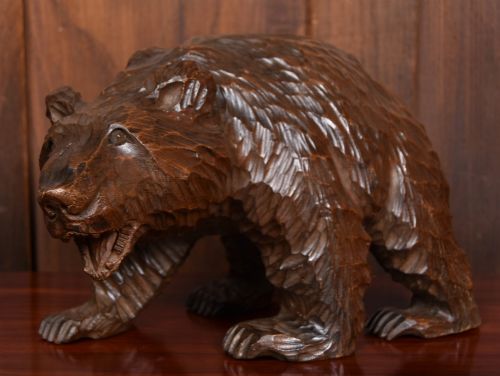
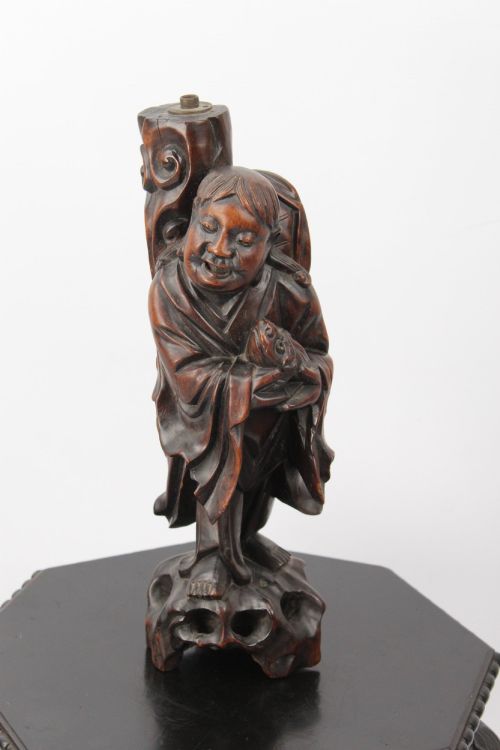
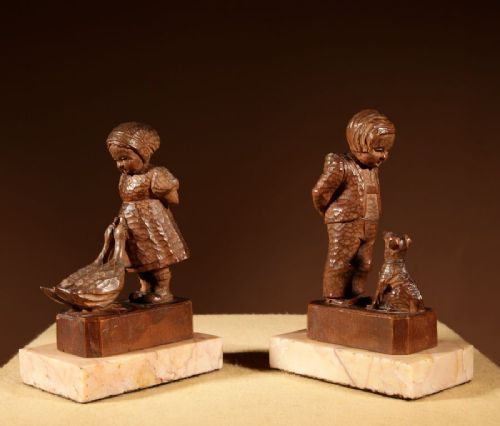
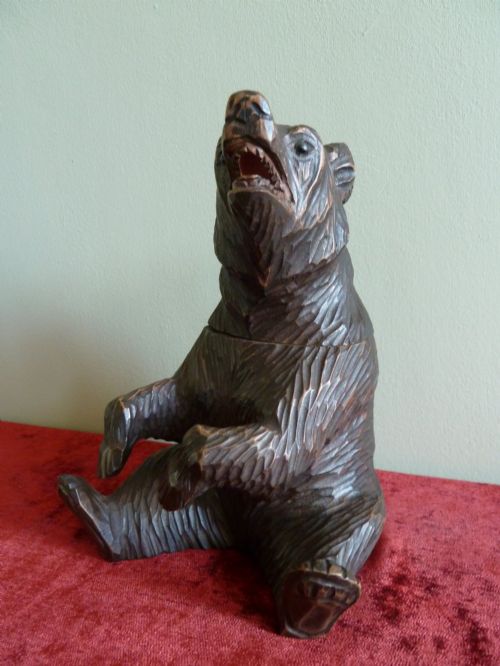
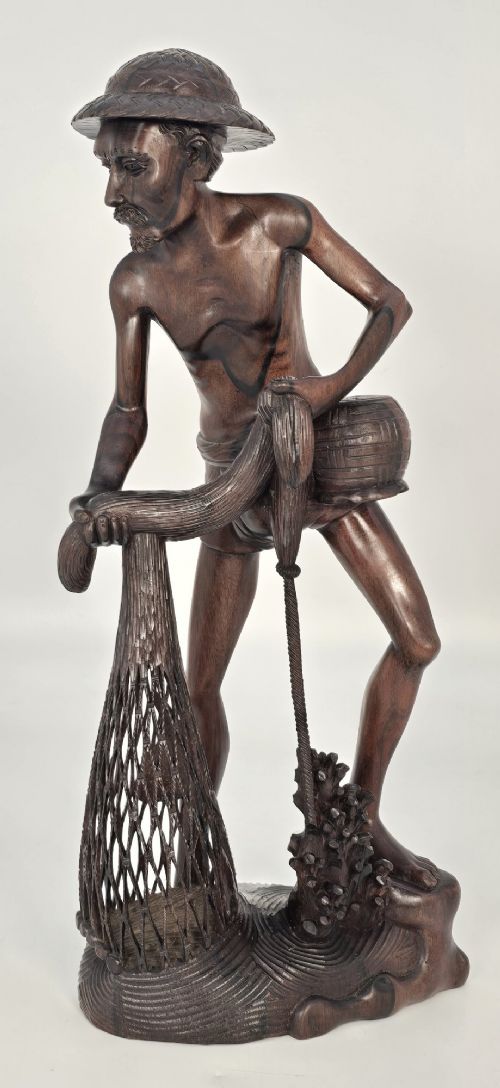
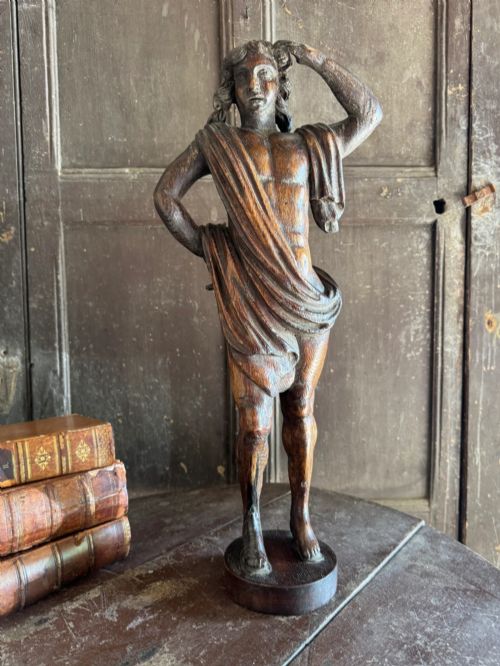
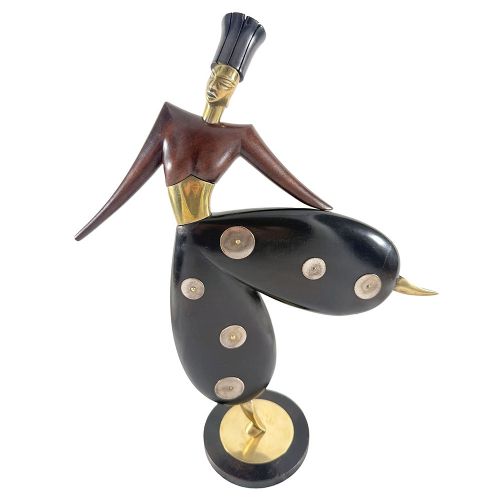
These dark wood figurine examples bring together regional carvings, wildlife studies and traditional figures shaped from walnut, linden and dense hardwoods.
Dark Wood Figurine
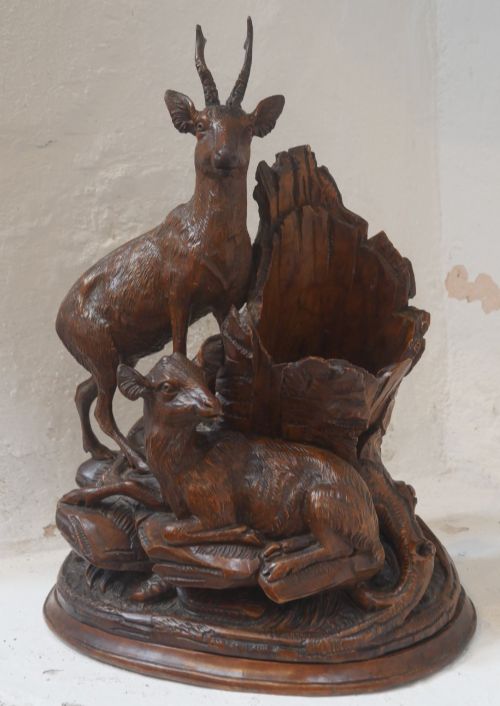
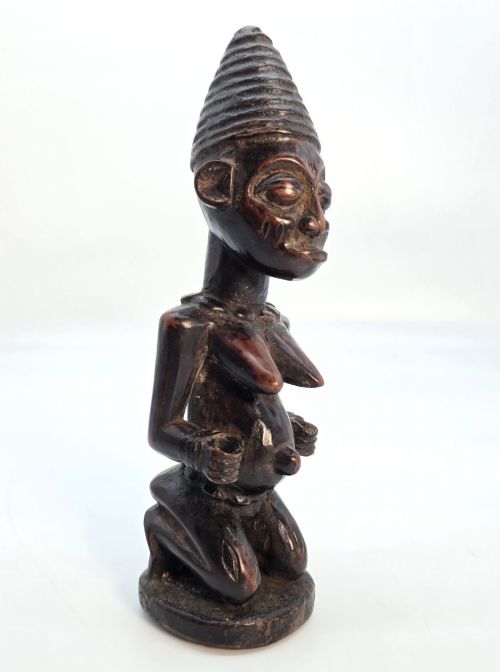
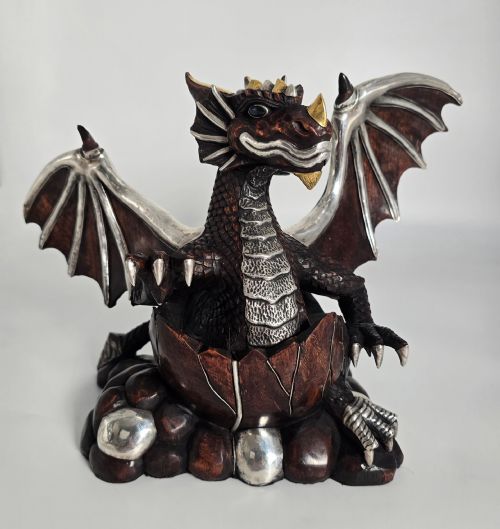
When you search for dark wood figurine, you encounter sculptural works ranging from European animal carvings to Asian deities and African tribal figures. The selection spans domestic animals, bears, human figures and mythical subjects created across multiple centuries.
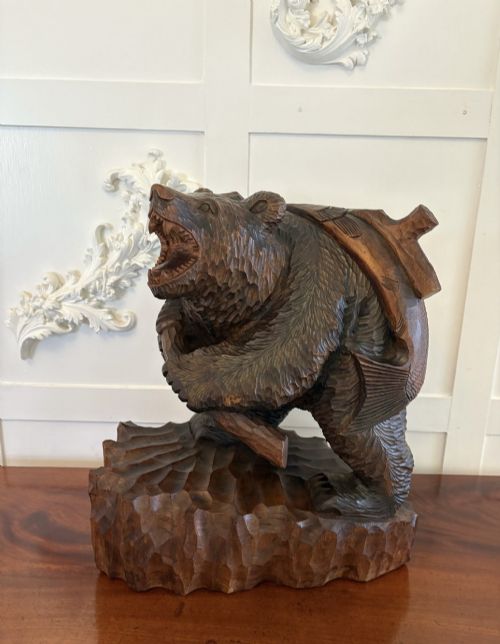
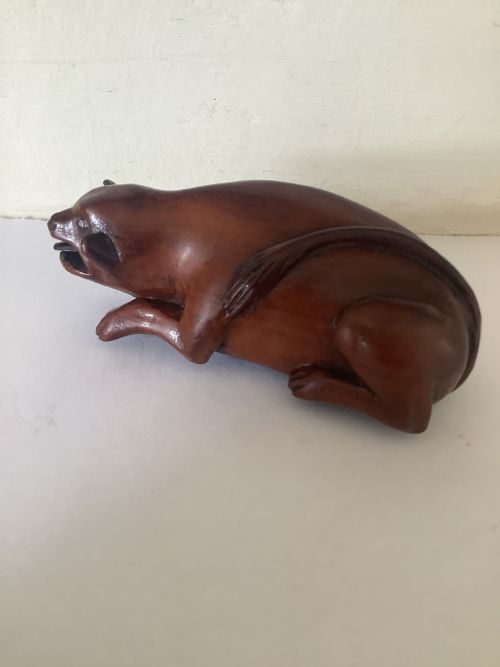
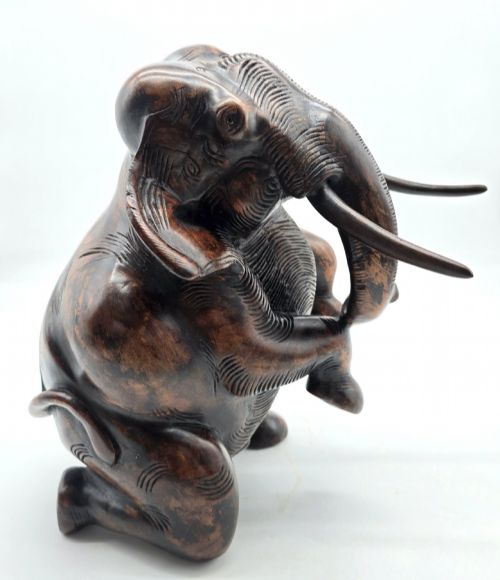
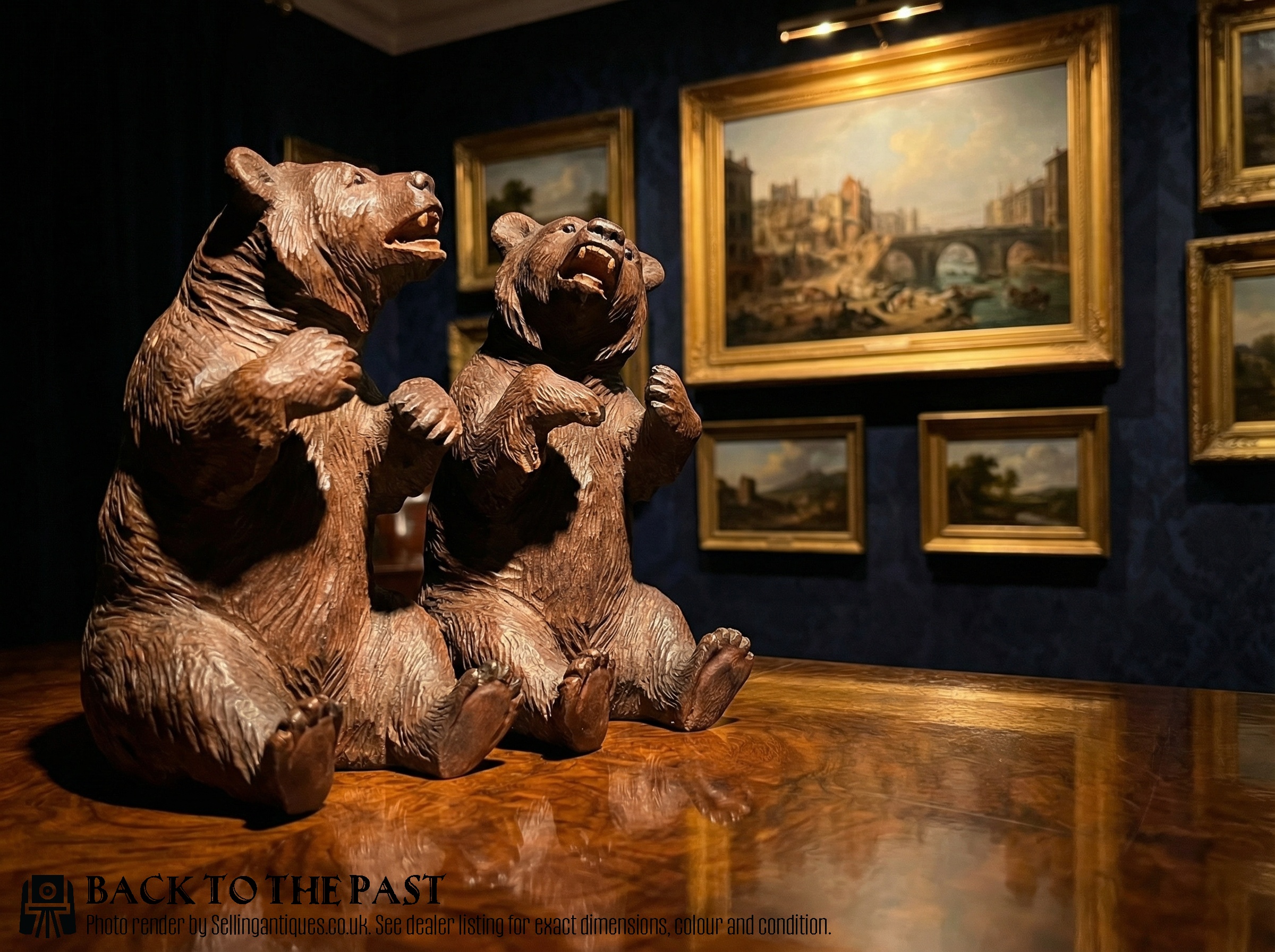
You meet Black Forest bears and woodland animals alongside Japanese netsuke, Chinese immortals and Indian Raj period elephants. These objects serve as decorative sculptures, snuff boxes, hook fittings and tabletop ornaments.
The regional diversity reflects global carving traditions, utilising local timbers to represent distinct cultural subjects. Pieces date from the eighteenth century through to the art deco period, each displaying specific regional motifs.
How they were made
Carvers shaped these figures from linden wood, walnut, boxwood and various dense Asian and African hardwoods using specialised chisels and gouges. Grain patterns dictate the direction of the cut, allowing artisans to define fur, drapery and facial expressions.
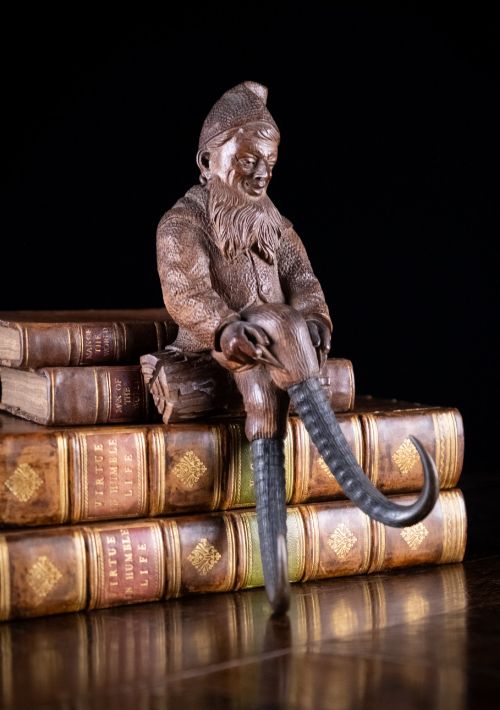
Selected works incorporate mixed metals, bone, horn and ivory highlights to accent eyes, tusks or accessories. Surface finishes rely on natural waxes and hand-polishing to accentuate the deep tones of the timber.
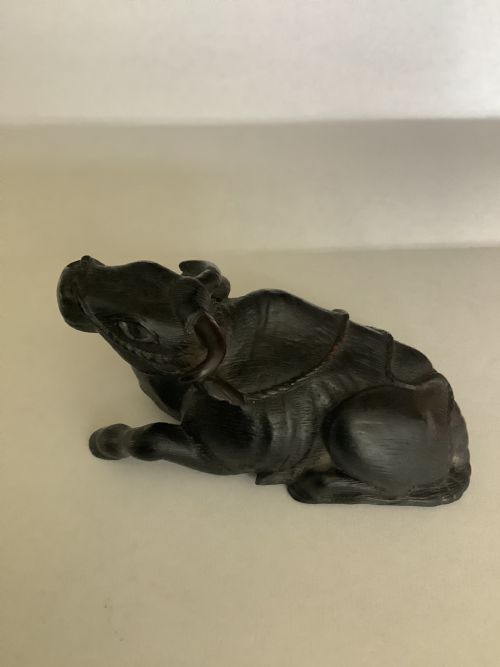
Animal subjects range from European bears and mountain goats to Indian elephants and Chinese water buffaloes.
What varies in quality
Depth of carving and the preservation of crisp tool marks without sanding away character define the standard of the work. The choice of well-seasoned timber with an appealing grain structure elevates the final presence of the figure.
Simon Troger·Tomochika·Sier Kunst
The Dark Wood Figurine Glossary
- Netsuke
- A small carved toggle fastened to the end of a cord on a traditional Japanese pouch or container. These miniature sculptures often depict animals, deities or figures from folklore.
- Okimono
- A Japanese decorative ornament intended for display on a tabletop or in a household alcove. They share stylistic origins with netsuke but are generally larger and not designed for fastening to clothing.
- Raj Period
- The era of British crown rule on the Indian subcontinent, spanning from eighteen fifty-eight to nineteen forty-seven. Carvings from this context frequently portray elephants and regional figures in dense hardwoods.
- Lay Figure
- An articulated wooden model used by artists to study human anatomy and drapery. These pieces feature functional joints secured with pegs or wire.
Dark Wood Figurine: Frequently Asked Questions
What wood types do these figures use?
Makers selected dense materials including walnut, linden wood, boxwood and assorted dark tropical hardwoods. The choice depended on regional availability and the level of detail required for the subject.
Softer woods like linden allowed for deep, expressive animal fur texturing, while hardwoods supported intricate miniature work and polished finishes.
How do I identify Black Forest carvings?
These European sculptures typically depict bears, mountain goats or rural figures carved from walnut or linden. They originated in nineteenth-century woodworking centres in Switzerland and Germany.
Look for deep brown tones, realistic anatomical rendering of wildlife, and subjects engaged in human activities or forest scenes.
Where were Japanese netsuke placed?
Japanese netsuke functioned as toggles attached to the cords of traditional pouches and boxes worn suspended from kimonos. They secured the container while tucked into the sash.
Carvers drilled small holes through the base or body of the figurine to thread the cord securely through the wood.
How do I care for wooden figures?
Keep carved wooden pieces away from direct sunlight and sudden temperature shifts to prevent the timber from splitting. Dust them gently with a dry, soft brush rather than liquid cleaners.
Occasional applications of microcrystalline wax help protect the surface and preserve the natural sheen of the dark wood.