



Black Forest Carved Table
A black forest carved table brings the dramatic naturalism of alpine woodworking straight into a room.
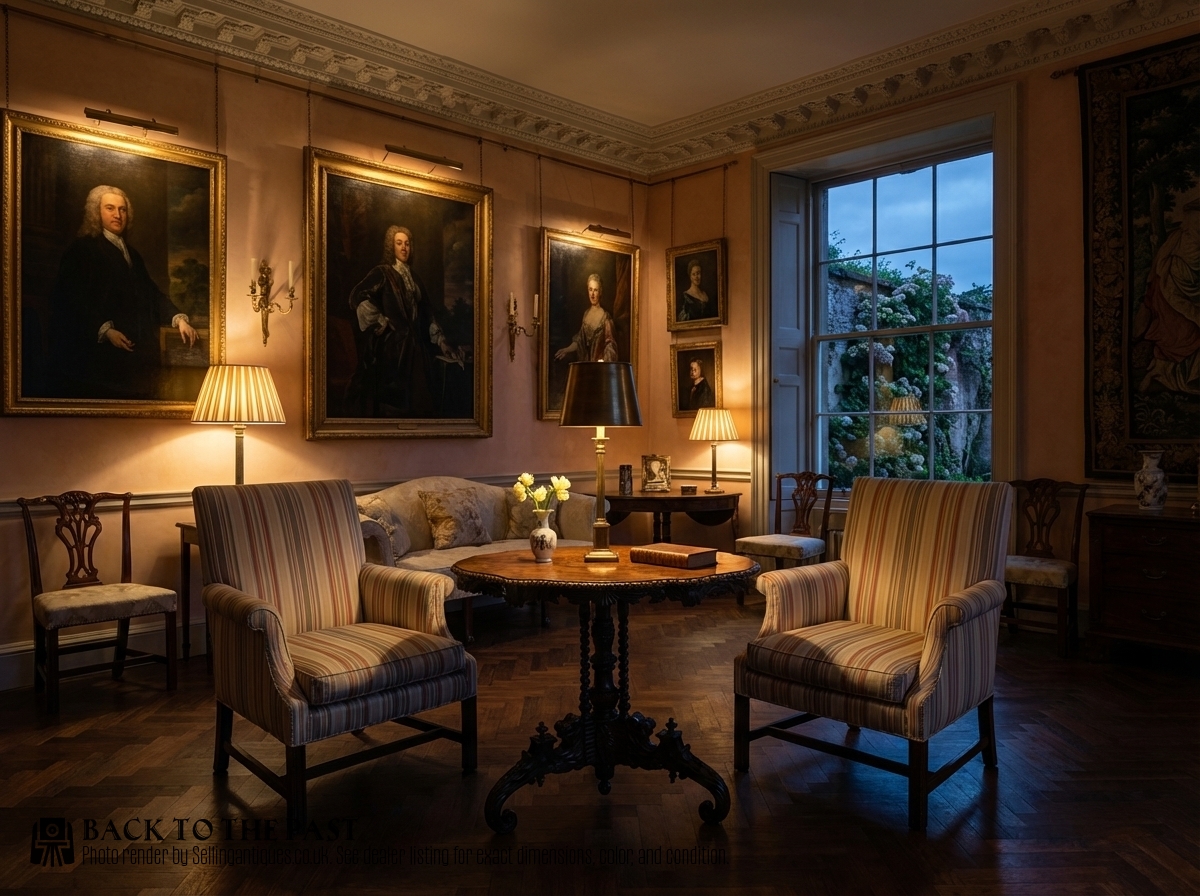
Black Forest Carved Table
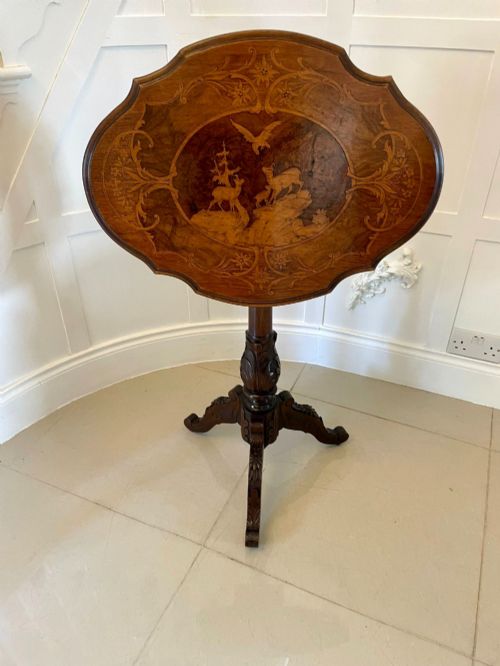
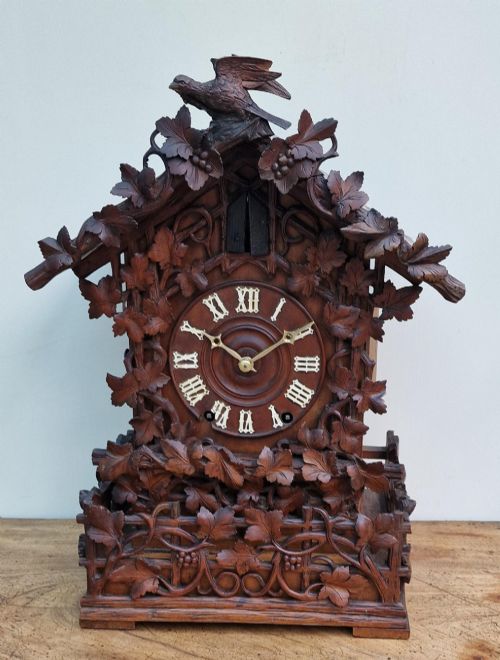
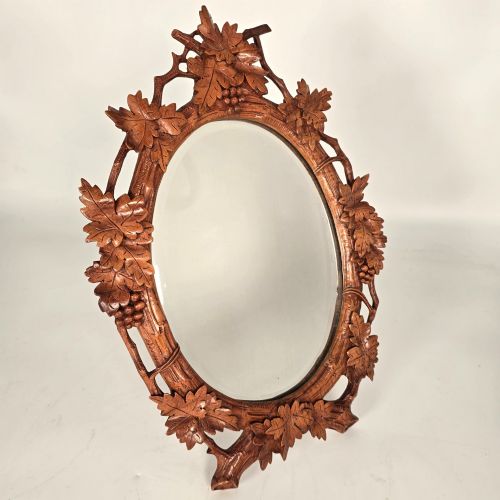
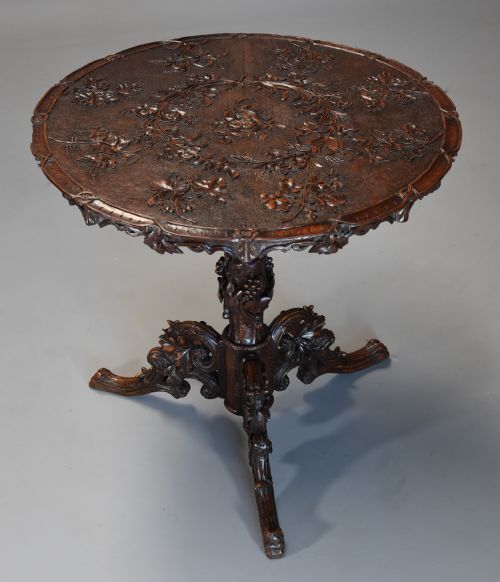
A black forest carved table combines intricate animal and foliage motifs with functional furniture forms originating from nineteenth-century Switzerland and Germany. These works frequently incorporate structural elements shaped as bears, hounds, or twisting tree branches supporting circular or oval tops. Walnut and linden wood dominate the construction, often enhanced by marquetry inlay or paired with glass and brass elements.
Occasional tables, centre tables, and side tables represent the primary forms encountered within this category. Many examples date from the Victorian era, spanning the mid-nineteenth century through to the early twentieth century. Makers utilised native European timbers to create deeply textured surfaces where flora and fauna merge seamlessly into the furniture framework.
Materials and construction techniques
Carvers predominantly selected lime wood, linden wood, and walnut for their fine grain and suitability for deep, undercut relief work. Timbers were seasoned carefully before artisans employed gouges and chisels to model complex fur, feathers, and botanical details by hand. Selected tables integrate contrasting wood veneers in geometric marquetry patterns across the table tops to balance the heavy sculptural carving beneath.
Structural integrity relied on traditional joinery supplemented by turned wooden supports or natural branches transformed into table bases. Metal components such as brass brackets or glass inserts occasionally appear in related centrepieces and table lamps, though solid wood remains the foundational medium for the tables themselves.
Black Forest Carved Table Retail Price Guide 2026
Typical asking prices for black forest carved table among the pieces listed under this phrase on Sellingantiques today, from the lower quarter to the upper quarter. They describe what is for sale here now, not the wider market.
Judging the quality of carving
Quality rests entirely upon the anatomical precision and depth of the hand carving. Superior pieces display lifelike movement in figures such as bears or hounds, with carefully rendered fur textures and glass eyes set flush into the timber. Lesser examples rely on shallow surface stamping or rigid, blocky forms lacking naturalistic fluidity.
The integration between the sculptural base and the functional table top distinguishes finer examples from simpler workshop output. Well-executed tables ensure the weight of the timber top rests securely upon balanced supports without compromising the visibility of the surrounding foliage or animal figures.
Bergen And Co·Lenzkirch·Beha
The Black Forest Carved Table Glossary
- Linden wood
- A pale, fine-grained timber favoured by alpine carvers for its uniform texture. It allows for crisp undercutting without splintering.
- Marquetry
- The art of applying small pieces of veneer to a structure to form decorative patterns. Walnut and fruitwoods commonly supply the contrasting tones.
- Alpine folk art
- A regional design tradition celebrating mountain flora and fauna. It provides the stylistic vocabulary for nineteenth-century Swiss and German workshops.
- French Rococo
- A decorative style characterised by asymmetrical scrollwork and C-curves. Several mid-nineteenth-century clocks and tables adopt these ornamental flourishes.
Black Forest Carved Table: Frequently Asked Questions
What woods were used for a black forest carved table?
Makers principally relied on linden wood, lime wood, and walnut for their durability and receptivity to fine hand carving.
These timbers allowed artisans to render intricate fur, foliage, and animal anatomy with high precision.
How do I date a black forest carved table?
Dating relies on stylistic markers, construction methods, and period characteristics typical of nineteenth-century Swiss and German workshops.
Most surviving examples originate between the mid-nineteenth century and the early twentieth century during the height of Victorian production.
Where were these tables made originally?
Production centred primarily in the alpine regions of Switzerland and Germany, particularly around the Black Forest and Brienz areas.
Local woodcarving guilds exported these distinctive pieces internationally throughout the Victorian period.
How should I care for a carved wooden table?
Maintain stable indoor humidity levels and keep the timber away from direct heat sources to prevent cracking.
Dust gently with a soft, dry brush to protect the deep recesses of the hand-carved surfaces.