




Black Forest Animal Figures
Black forest animal figures are charming carved wooden sculptures capturing alpine wildlife, prized for their expressive detail and rustic character.
Black Forest Animal Figures
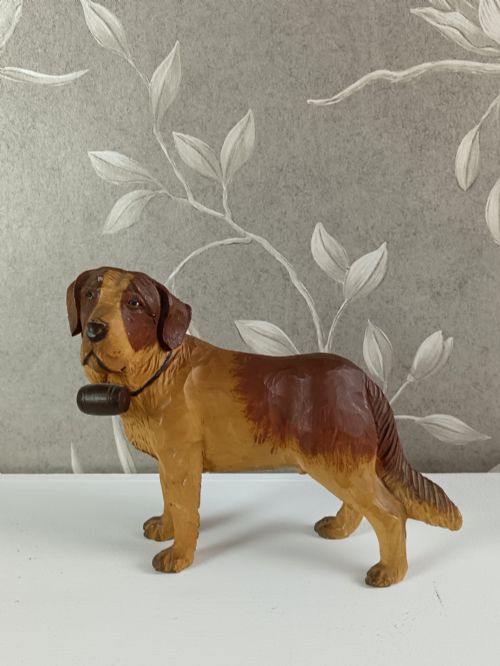
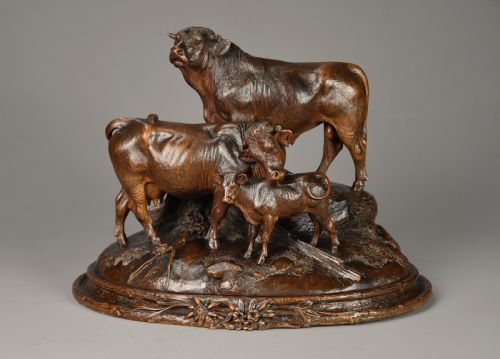
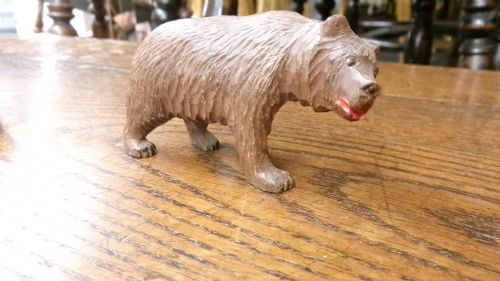
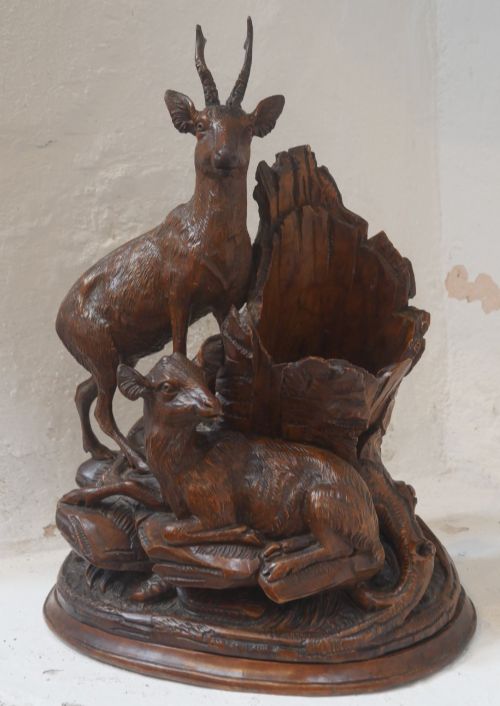
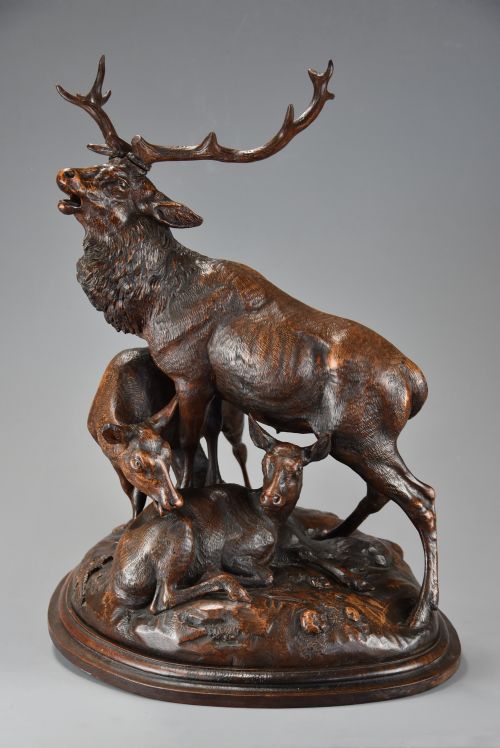
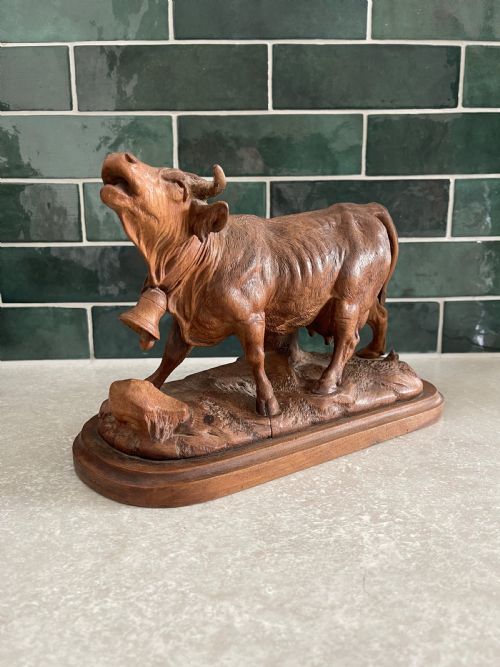
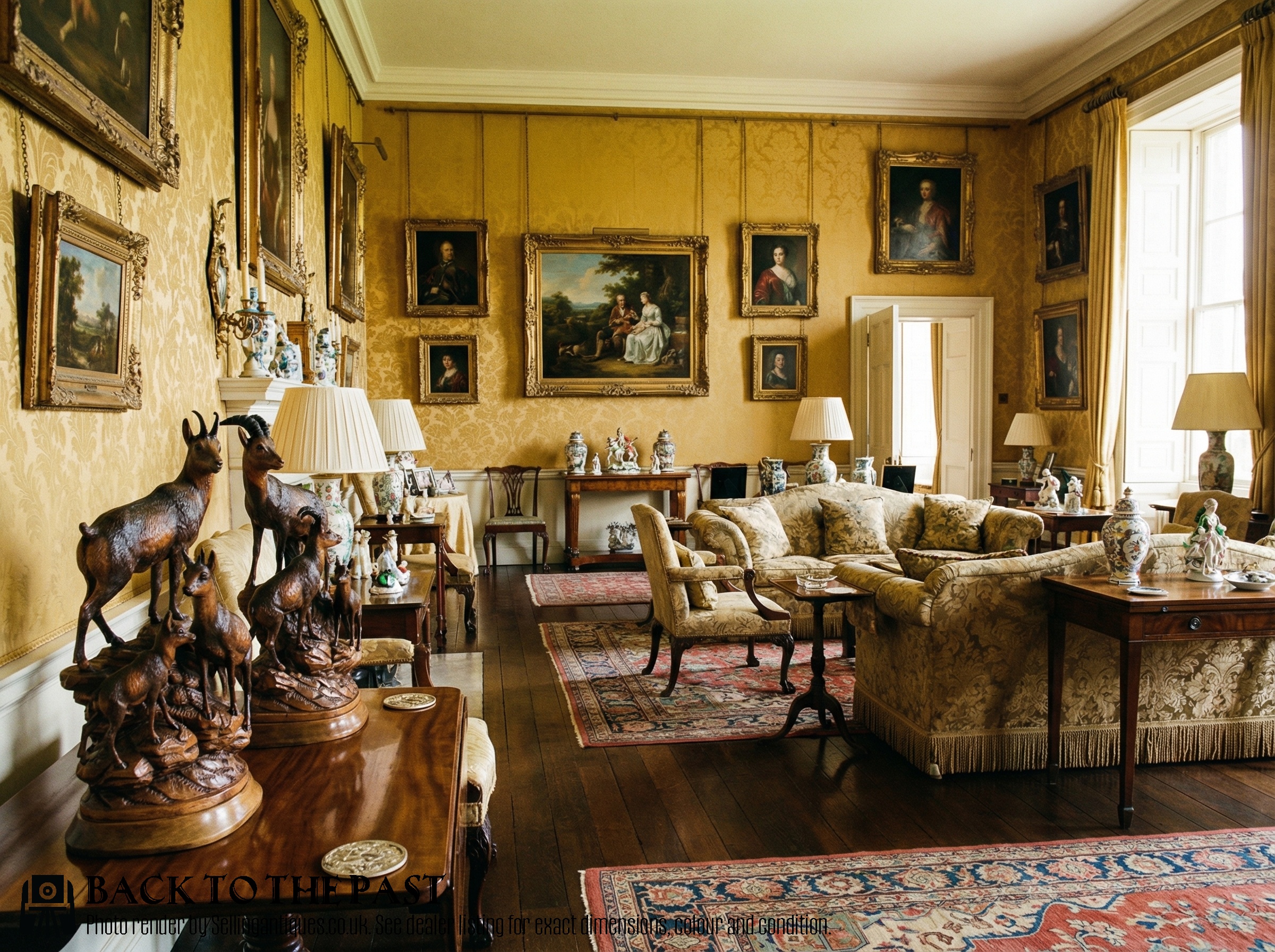
When you search for black forest animal figures, you enter a distinct realm of alpine carving spanning the Victorian era through the early twentieth century. The offerings here showcase familiar woodland and mountain creatures, ranging from bears and owls to cattle, deer, and ibex.
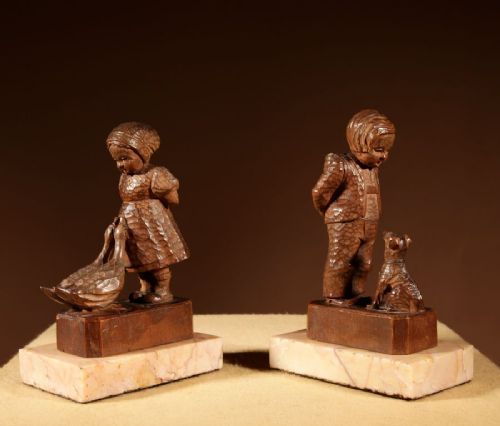
Most pieces date from the late nineteenth century and take the form of freestanding decorative sculptures, inkwells, and bookends. The style draws heavily on Swiss alpine folk art traditions, bringing a touch of the forest into the Victorian home.
Materials and carving techniques
The carvers relied primarily on soft timbers native to European forests, notably linden wood, lime wood, and occasionally walnut. These woods permitted deep, undercut carving without splitting, allowing artisans to render fur texture and musculature with striking realism.
Makers finished the timber with subtle staining and polishing to bring out the grain, whilst details like eyes occasionally utilised glass inserts or simple studs to catch the light.
Black Forest Animal Figures Retail Price Guide 2026
Typical asking prices for black forest animal figures among the pieces listed under this phrase on Sellingantiques today, from the lower quarter to the upper quarter. They describe what is for sale here now, not the wider market.
Judging the work
Quality rests in the anatomical accuracy of the carving and the depth of the relief work. The finest examples display careful observation of muscle and bone in creatures like stags and bears, whereas simpler pieces rely on basic outlines.
Signatures, stamps, or attributed workshops elevate a piece, distinguishing mass production from master craftsmanship.
J Huggler
The Black Forest Animal Figures Glossary
- Linden wood
- A pale, fine-grained timber favoured by carvers for its cooperative texture and lack of prominent grain. It allows intricate detailing on small animal sculptures.
- Inkwell
- A small desk accessory with a lidded glass or ceramic insert for liquid ink, often integrated into a carved animal base. These combine utility with ornamental display.
- Bookends
- A matched pair of heavy carved figures designed to support a row of books upright on a shelf. In this category, they typically feature animals leaning inward.
Black Forest Animal Figures: Frequently Asked Questions
What animals appear most frequently?
Bears, deer, owls, and cattle dominate the surviving examples from this tradition. Carvers focused on creatures native to the European mountain regions.
Bears are particularly common, appearing alone or in groups engaged in various human-like activities.
How should I clean my carvings?
Dust the wood gently with a soft, dry brush to prevent accumulation in the crevices. Avoid using water or chemical polishes, which can darken the linden wood.
Regular gentle dusting preserves the original patina and protects the delicate carved fur texture.
Were these pieces purely decorative?
Many sculptures served a dual purpose in the Victorian home. Pieces often incorporated inkwells, match holders, or bookends alongside their sculptural forms.
Desk accessories and functional carvings proved especially popular among affluent Victorian buyers.
How do I spot a later copy?
Examine the tooling marks and the ageing of the timber. Older pieces exhibit hand-carving irregularities and dry, patinated surfaces.
Modern reproductions often feel lighter and lack the deep, crisp undercut details found in nineteenth-century work.