





Victorian Black Forest Decor
Victorian black forest decor brings the deep woods indoors through masterly carved wood and bronze animals.
Victorian Black Forest Decor
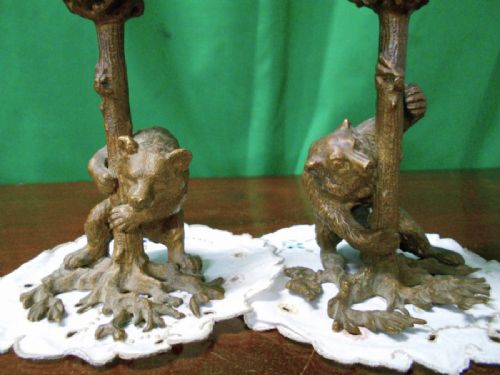
Victorian black forest decor encompasses hand-carved wooden animals, mirrors, and functional objects rooted in the nineteenth century. These pieces capture woodland life through figures of bears, birds of prey, ibex, and chamois.
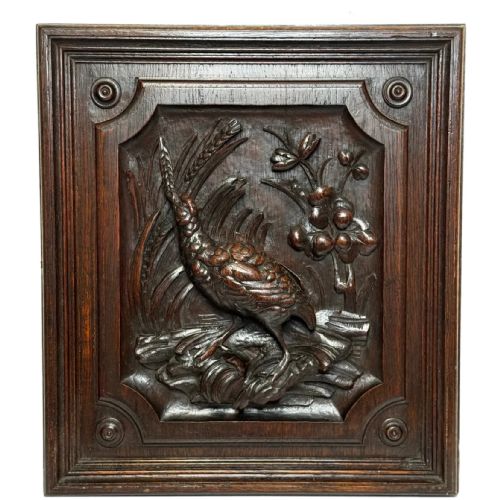
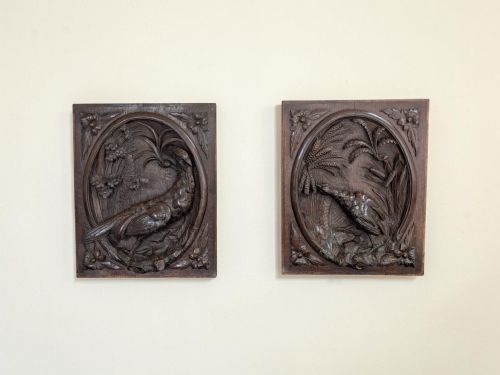
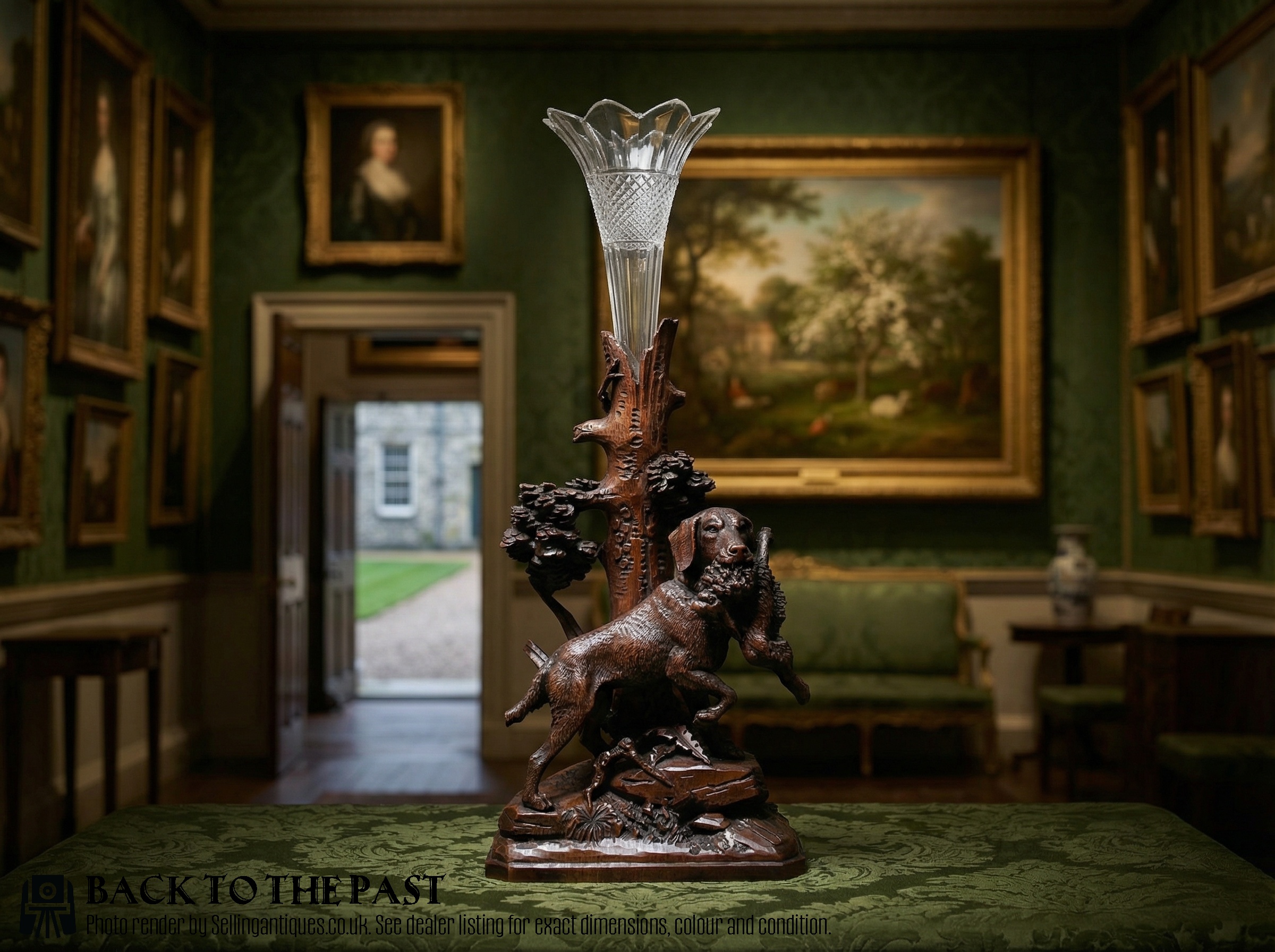
The objects on this page range from wall mirrors and barometers to tobacco boxes, candlesticks, and centrepieces. Carved wood panels and mounted antlers also appear within the selection.
Buyers will encounter items fashioned from linden wood, oak, and walnut, alongside bronze and horn details. The style leans heavily into Victorian and Victorian Gothic Revival aesthetics.
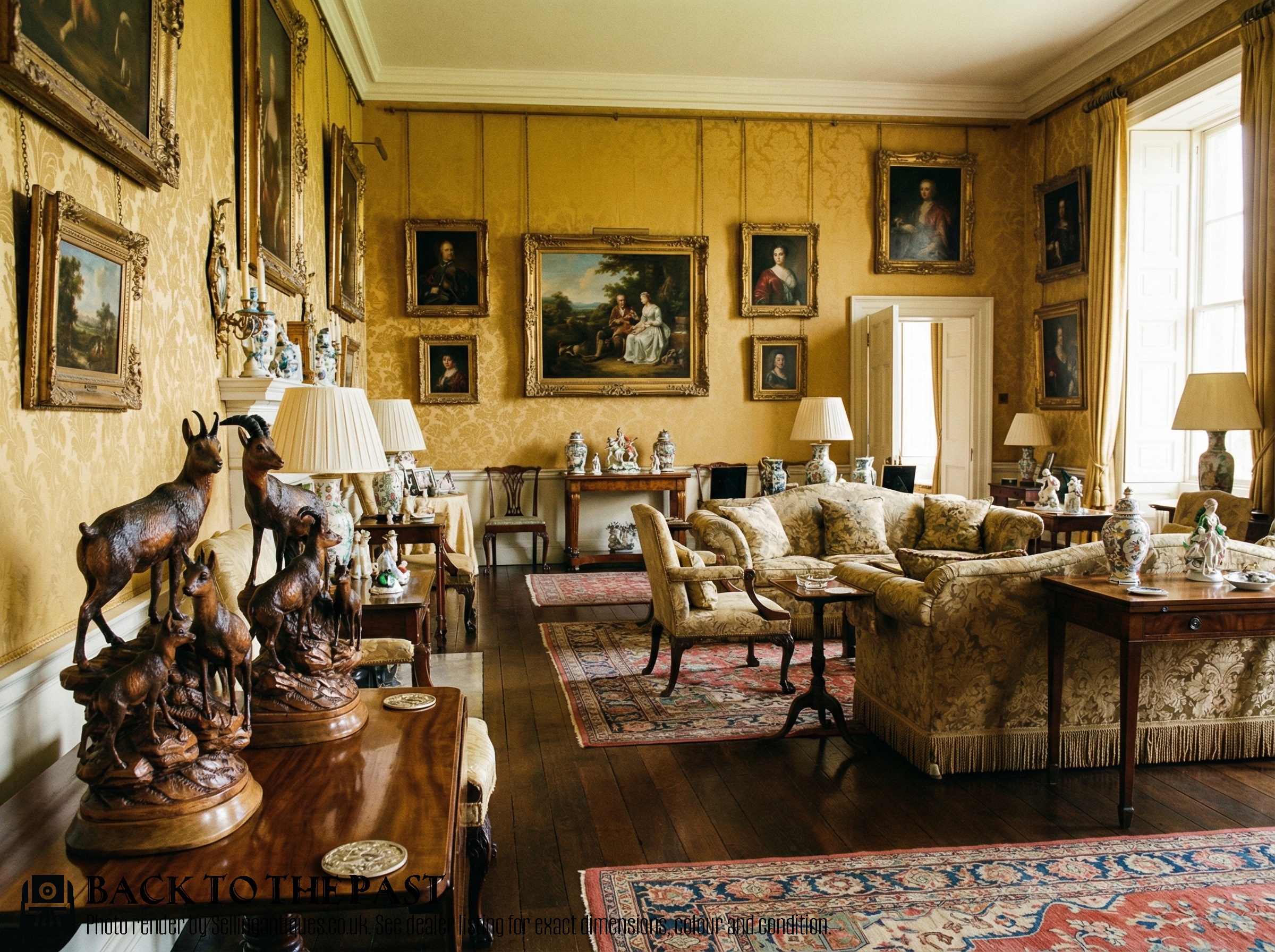
How victorian black forest decor was made
Carvers utilised linden wood, oak, and walnut to achieve the deep relief and lifelike textures seen across these pieces. Linden wood offered a soft yet stable medium for intricate animal fur and feather detailing.
Makers combined carved wood with glass in mirrors, and occasionally incorporated bronze or horn elements for realistic accents. Antlers and shields were assembled to create taxidermy-adjacent wall mounts.
A brown bear doubles as a humidor, holding your tobacco inside its carved wooden belly.
What varies in quality
The depth and naturalism of the carving define the upper tiers of these pieces. Artistry shines where fur, muscle structure, and expressions emerge with convincing anatomical accuracy.
Condition of the wood surface and the preservation of delicate carved elements dictate the desirability of an object. Integrated components, such as original glass mirrors or functional barometer mechanisms, also separate standard examples from exceptional ones.
The Victorian Black Forest Decor Glossary
- Linden wood
- A pale timber favoured by nineteenth-century carvers for its fine grain and ease of manipulation. It allows for the intricate undercut fur and feather details characteristic of the style.
- Humidor
- A specialised box designed to store cigars or tobacco at a controlled humidity. In this category, they often take the sculptural form of a carved bear.
- Chamois
- A goat-antelope native to European mountains, frequently depicted in carved wooden figures from this period. These sculptures highlight the alpine fauna themes central to the aesthetic.
- Gothic Revival
- An architectural and decorative style drawing inspiration from medieval forms. Victorian interpretations appear here in specific architectural wall panels and heavy structural carvings.
Victorian Black Forest Decor: Frequently Asked Questions
What is black forest decor?
Black forest decor refers to heavily carved wooden ornaments and furniture originating in nineteenth-century Europe, particularly the Swiss and German border regions. The style is defined by naturalistic animal motifs and woodland scenes.
Items range from large wall panels and mirrors to small desk accessories like tobacco boxes and candlesticks. The aesthetic celebrates alpine wildlife through skilled hand-carving.
Which woods were used?
Carvers relied primarily on linden wood due to its cooperative grain and suitability for detailed work. Oak and walnut also provided robust foundations for larger panels and furniture.
Specific details sometimes incorporated horn, glass, or bronze elements to enhance the realistic depiction of animals. Each timber brings a distinct weight and colour to the finished piece.
How do I date a piece?
Dating relies on stylistic markers within the nineteenth century, including specific Victorian or Gothic Revival design cues. The type of hardware, backing materials, and joinery also help establish an age.
Objects from this tradition span from the mid-nineteenth century through to nineteen hundred. Comparing the carving depth and subject matter against known periods provides further context.
How were these items used?
These pieces served both decorative and functional purposes in Victorian interiors. Barometers monitored weather, mirrors reflected light, and centrepieces adorned dining tables.
Smaller items like tobacco boxes and candlesticks added rustic charm to studies and parlours. Wall panels and mounted antlers brought the outdoors directly into domestic spaces.