



Black Ebonised Wall Mirror
A black ebonised wall mirror brings deep tone and sharp contrast to a room, drawing the eye with dark timber finishes and bright gilt highlights.
Black Ebonised Wall Mirror
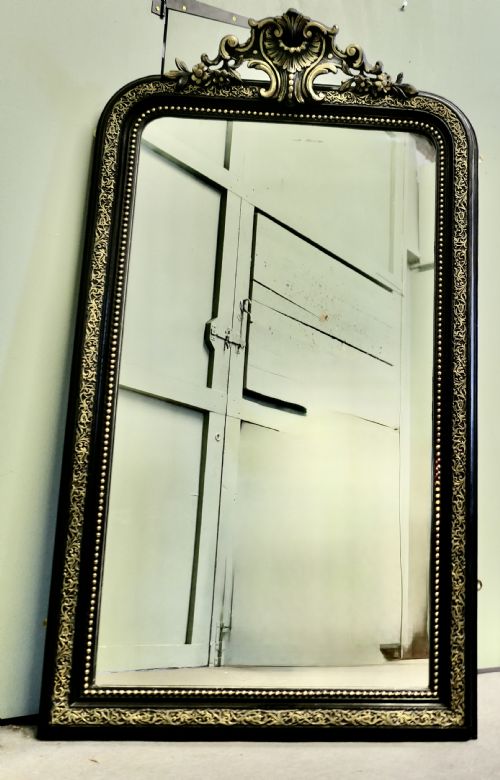
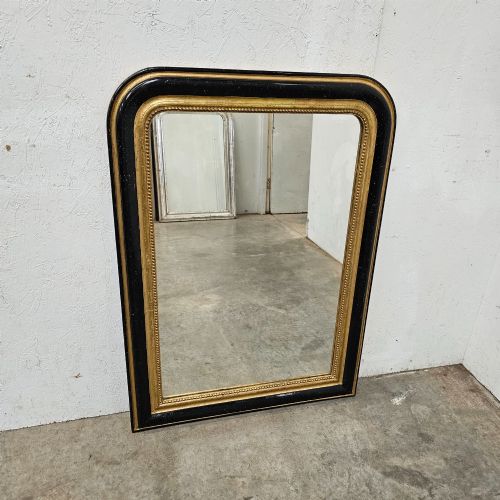
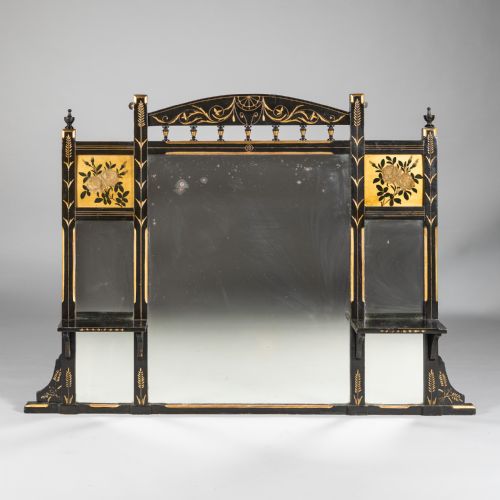
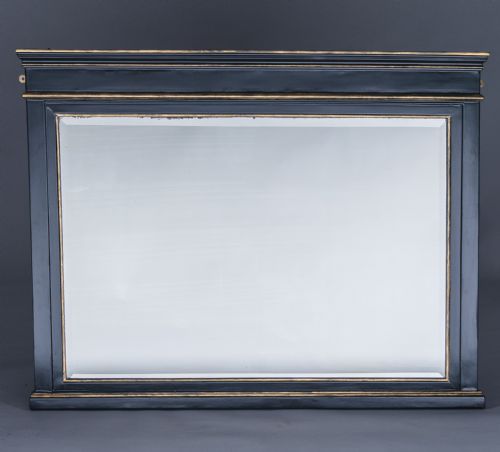
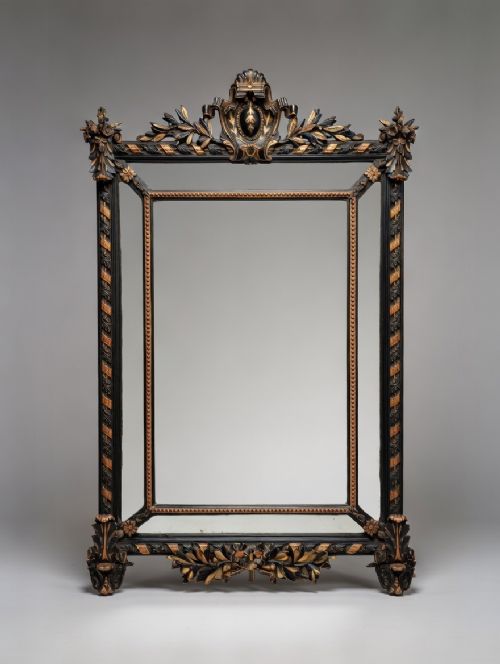
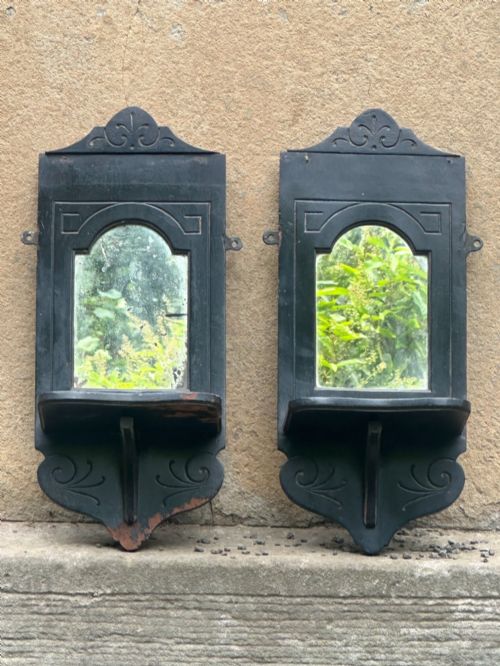
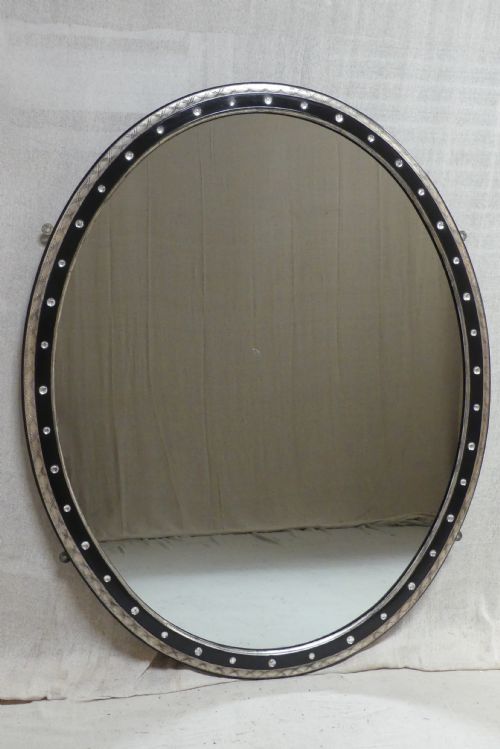
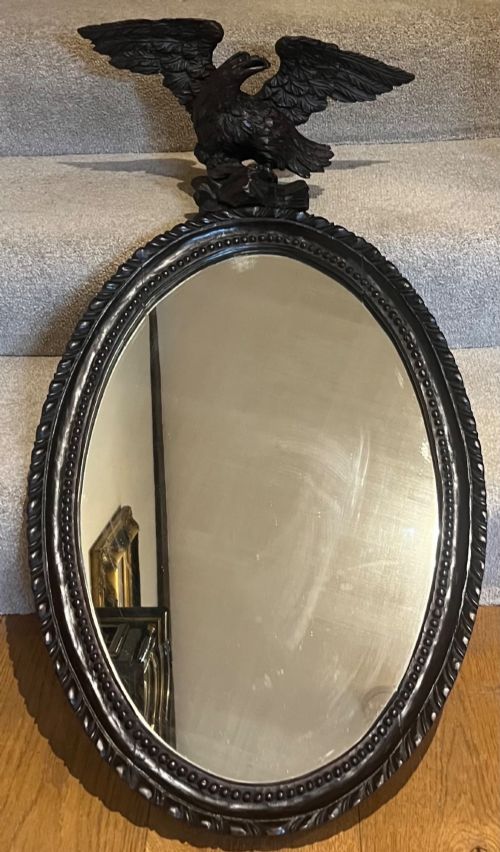
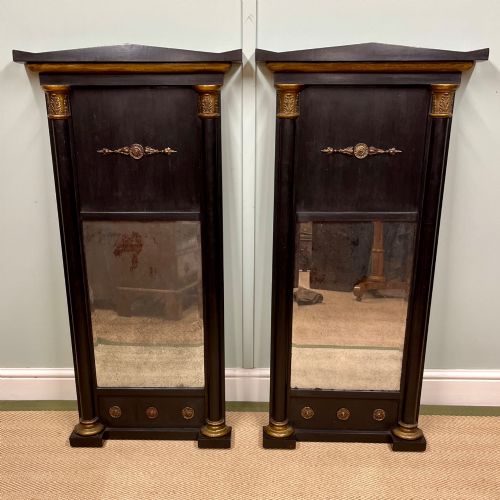
When searching for a black ebonised wall mirror, a buyer encounters a range of nineteenth-century formats spanning the Victorian, Regency, and Edwardian eras. The selection on this page leans heavily towards substantial overmantel mirrors, tall pier mirrors, and smaller wall-hanging pieces designed for halls and reception rooms.
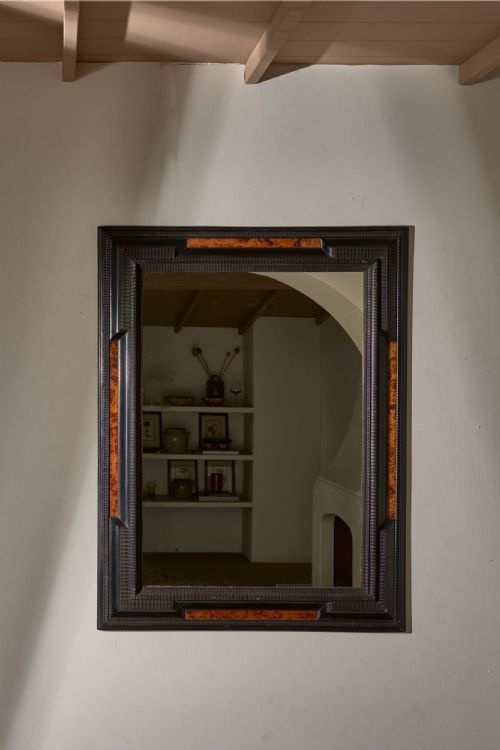
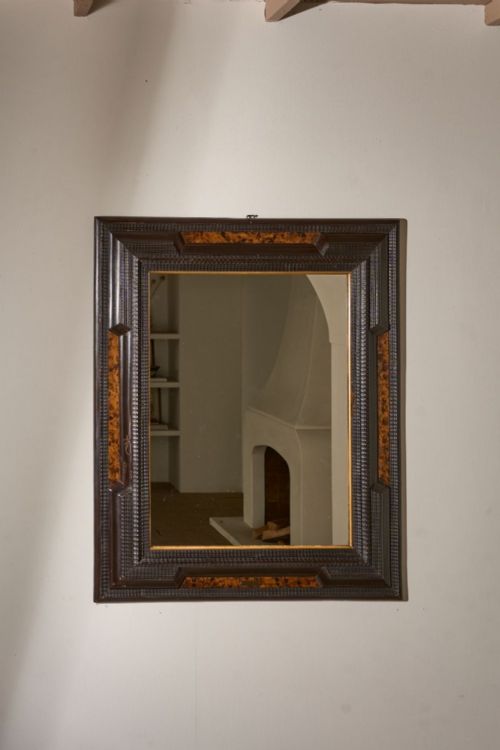
Many examples date from the eighteen-eighties and display the distinctive characteristics of the Aesthetic Movement, incorporating parcel-gilt detailing, incised decoration, and painted elements upon dark wood. Other pieces reflect French influence through Napoleon III and Louis Philippe styling, alongside Italian interpretations featuring faux tortoiseshell surfaces.
Distinctions in craftsmanship
The degree of hand-carving and the crispness of the gesso mouldings separate standard production frames from finer decorative works. Superior pieces exhibit deeply chiselled details, balanced proportions, and careful application of gold leaf rather than plain metallic paint.
The integrity of the original ebonised surface and the presence of period mirror glass contribute significantly to the character of a piece. Finer examples retain their original gilding without excessive overpainting, while the timber beneath shows thoughtful joinery and minimal structural alteration over time.
The selection includes pieces spanning the nineteenth century, featuring materials such as gesso, gold leaf, and ebonised wood across various regional styles.
Cottier and Co
The Black Ebonised Wall Mirror Glossary
- Ebonised
- Wood treated with stain, paint, or chemical processes to simulate the appearance of dense, dark ebony. This finish became particularly popular during the Victorian period for accentuating carved details.
- Parcel-gilt
- A decorative technique where only specific raised portions, mouldings, or carved motifs of an object are gilded with gold leaf, leaving the surrounding dark wood exposed.
- Gesso
- A plaster-like mixture applied to wooden frames as a smooth base for subsequent gilding or painting. Skilled artisans could carve and stamp intricate patterns directly into the dried surface.
- Overmantel mirror
- A wide mirror designed specifically to hang on the wall directly above a fireplace mantelpiece. These frames often reflect the architectural proportions of the room.
- Pier mirror
- A tall, narrow mirror traditionally hung on the wall space between two windows, often placed above a matching pier table to maximise light in a reception room.
Black Ebonised Wall Mirror: Frequently Asked Questions
Where should I hang an overmantel mirror?
These large frames traditionally sit directly above a fireplace mantelpiece, anchored securely to the wall to bear the considerable weight of the timber and glass.
They also function effectively on main living room walls where their reflective surface can bounce natural light across the space and anchor the surrounding furniture arrangement.
How do I clean an antique ebonised frame?
Dust the carved woodwork gently with a soft, dry brush or a lint-free cloth to remove accumulated particles without disturbing the delicate finish.
Avoid commercial liquid polishes and abrasive cleaners, as moisture and harsh chemicals can damage original ebonised surfaces and aged parcel-gilt highlights.
What is the difference between Victorian and Regency styles?
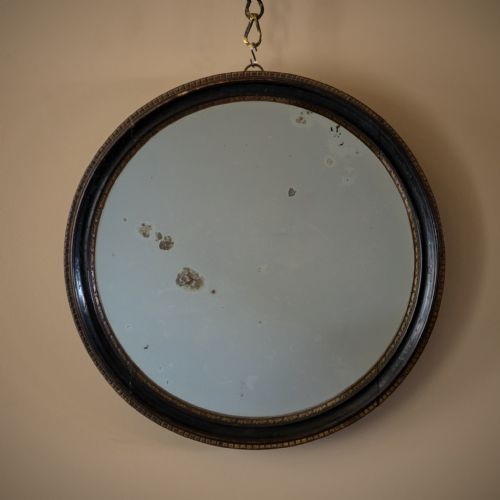
Regency frames generally display classical restraint, clean architectural lines, and occasionally convex circular plates designed to capture light from multiple angles in smaller rooms.
Victorian and Aesthetic Movement pieces tend to be heavier and more ornate, featuring incised decoration, contrasting parcel-gilt details, and darker, more dramatic silhouettes.
Are the mirror plates original?
Many older pieces retain their original silvered glass, which often exhibits characteristic signs of age such as faint foxing spots, minor clouding, and slight distortions in the reflection.
Replacements do occur over time due to damage, but original plates contribute substantially to the historical integrity and visual depth of the piece.