


Victorian Painted Mirror Frame
A victorian painted mirror frame brings depth and character to a room through layered surfaces and period handwork.
Victorian Painted Mirror Frame
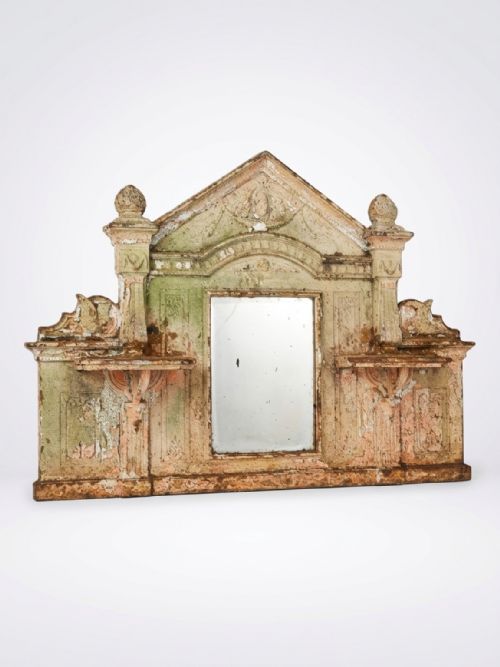
A victorian painted mirror frame combines the substantial scale of nineteenth-century wall and overmantel glass with decorative surface finishes. These pieces range from large architectural overmantels designed for reception rooms to smaller wall-hanging formats.
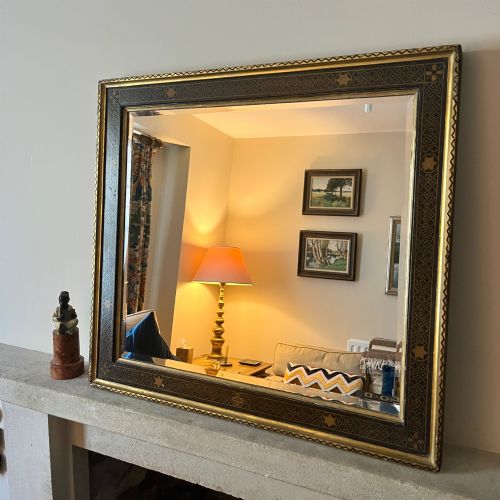
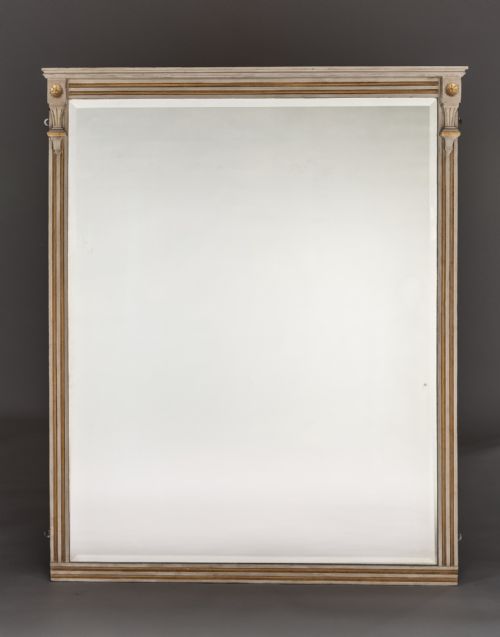
The selections available here lean heavily toward overmantel mirrors and decorative wall mirrors originating in the nineteenth century, often showing layered paint, parcel gilding, or ebonised details.
Makers and workshops utilised diverse structural approaches, encompassing simple rectangular wooden profiles alongside elaborate architectural shapes like arched tops and columned sides.
Materials and Construction
Makers built the structural carcases of wood, incorporating carved timber elements or oak foundations beneath the decorative layers.
Surface ornamentation relied on gesso applied over the wood base, which was then carved, moulded, or built up to form intricate relief details before painting and gilding.
Finishes combined oil paints, gold leaf, silver leaf, and ebonised treatments, frequently applied over earlier gilt grounds to create distressed or over-painted patinas.
One unexpected survivor even hides an integral oil painting inside its gilded frame, doubling as art and looking glass.
Assessing Quality
The distinction between standard and superior pieces rests on the crispness of the gesso moulding and the depth of the carved wood elements beneath the paint.
Original surface treatments carry higher regard than later repainting, particularly where parcel-gilt highlights or subtle colour layering remain undisturbed by modern restoration.
The Victorian Painted Mirror Frame Glossary
- Gesso
- A plaster-like mixture applied to wood frames to create a smooth or moulded surface for painting and gilding. This material forms the raised decorative reliefs on nineteenth-century mouldings.
- Overmantel Mirror
- A large mirror specifically designed to hang above a fireplace mantelpiece. These pieces frequently feature architectural framing to anchor them within a room.
- Parcel-Gilt
- Partially gilded, where gold leaf is applied only to specific raised details or carved highlights rather than the whole surface. This technique creates contrast against painted areas.
- Ebonised
- Wood treated with a chemical stain or finish to imitate ebony. This dark, formal surface treatment appears frequently in Aesthetic Movement pieces.
- Pier Mirror
- A tall mirror designed to hang on the narrow wall space between windows. They often incorporate decorative consoles or integral artwork.
Victorian Painted Mirror Frame: Frequently Asked Questions
Where should I hang an overmantel mirror?
These large mirrors sit naturally above a fireplace mantelpiece, where their scale reflects light and anchors the room.
Alternatively, hanging one on a primary wall creates a strong focal point in a dining room or hallway.
How do I clean a painted frame?
Dust the carved surfaces gently with a soft, dry brush to prevent dirt from settling into the gesso crevices.
Avoid liquid cleaners or abrasive cloths, as moisture can damage fragile nineteenth-century paint and gold leaf.
Are the mirror plates original?
Many nineteenth-century frames retain their original mercury or early silvered glass, which often displays charming foxing and age spots.
Some pieces have received replacement glass over the decades to maintain a clearer reflection.
What styles are common in these frames?
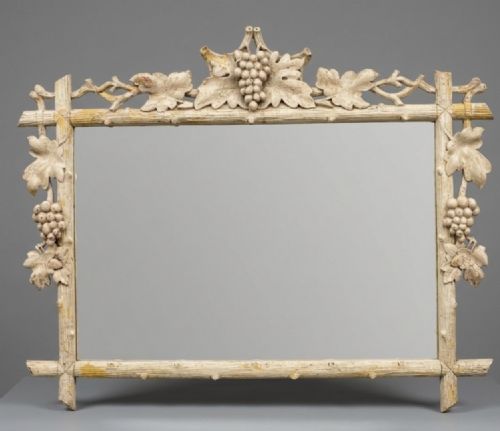
The listings show a strong presence of Victorian aesthetic movement, classical revival, and rustic or country house designs.
Finishes range from dark ebonised tones to distressed cream paint and rich parcel gilding.