





Black Ebonised Bureau
A black ebonised bureau brings dramatic dark polish and refined writing surfaces into a room, drawing the eye instantly.
Black Ebonised Bureau
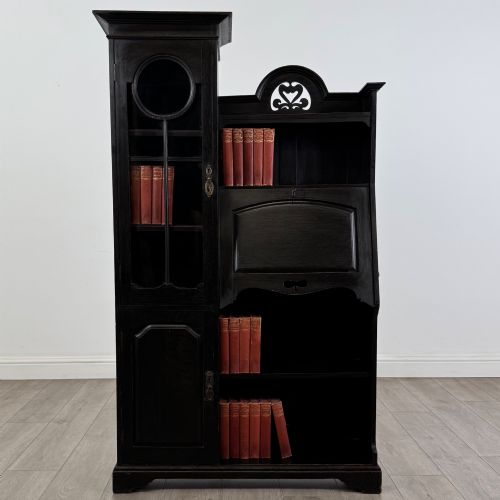
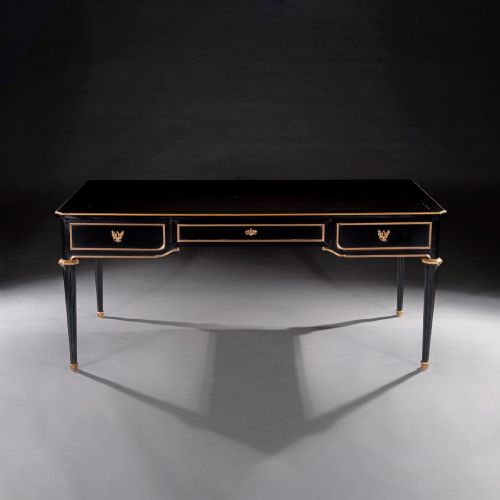
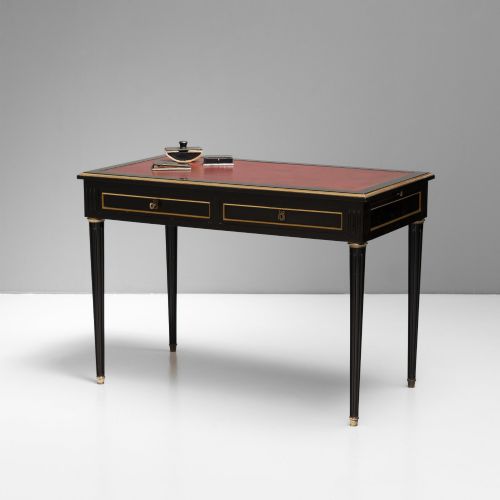
A black ebonised bureau offers a dark, polished writing surface created through specialist wood staining or painting, emulating costly ebony. These pieces emerge from the nineteenth century, including Victorian and Edwardian periods, alongside French Napoleon III and Aesthetic Movement iterations.
How they were made
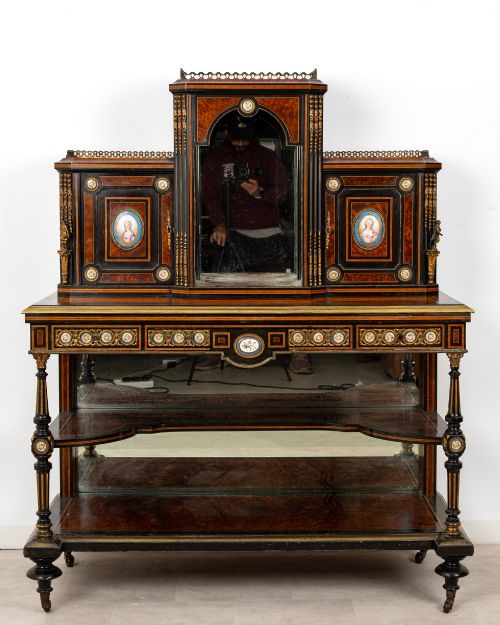
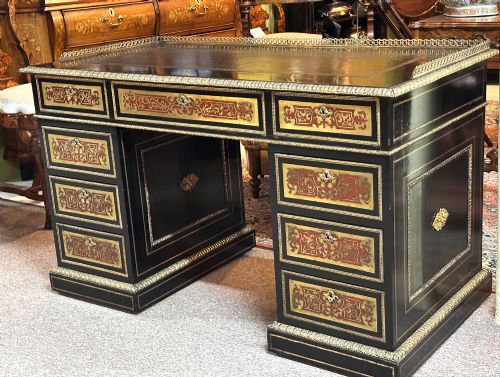
Craftsmen utilised woods like oak, birch, pine, and burr walnut as foundational timber before applying dark ebonised finishes. Many examples incorporate brass, ormolu, and gilt bronze mounts, alongside leather writing inserts and occasional marble or glass components.
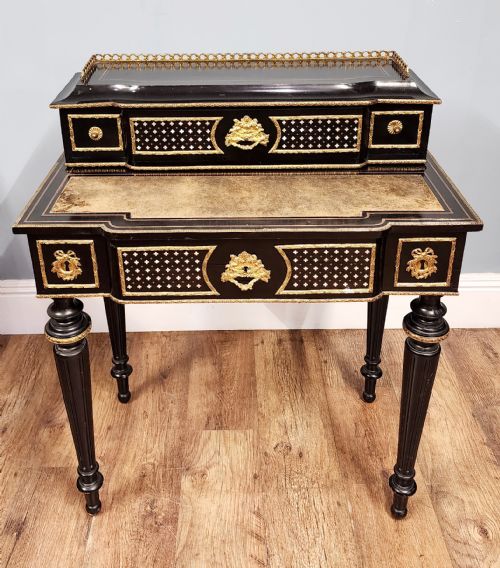
Advanced workshops employed intricate marquetry, boulle work, and pietra dura inlay to elevate the dark surfaces. Ormolu mounts and fine engraving further embellished the structural frameworks of these desks.
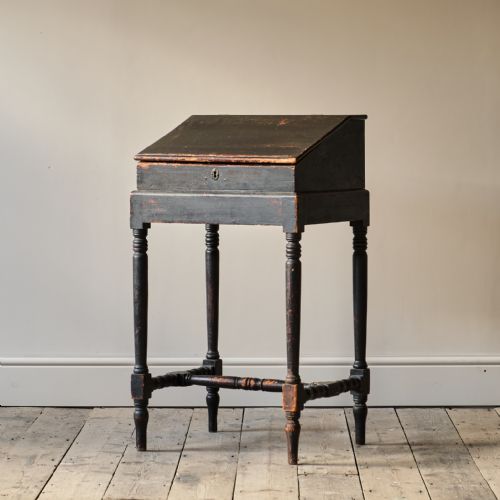
Nineteenth century clerks perched at simple pine desks while Parisian salons enjoyed elaborate ormolu-mounted bonheur-du-jours.
What varies in quality
The refinement of the ebonised finish and the crispness of the applied ormolu or gilt bronze mounts dictate the standing of a desk. Superior examples display precise cabinetmaking in the underlying drawers and joinery.
Signed pieces and attributed works demonstrate higher workshop standards compared to simpler commercial equivalents. The integration of specialty materials like pietra dura or intricate boulle work marks out the superior tier.
Paul Sormani·Diehl Paris·Befort Jeune
The Black Ebonised Bureau Glossary
- Ebonised
- Wood treated with stain, dye, or paint to imitate expensive ebony. This finish became widespread during the nineteenth century for formal furniture.
- Ormolu
- Gilt bronze mounts applied to furniture for decoration. High quality mounts feature hand chasing to sharpen the cast details.
- Bonheur-du-Jour
- A light ladies writing desk with a small cabinet or set of drawers on top. The form gained popularity in mid nineteenth century France.
- Boulle Work
- Marquetry using brass and tortoiseshell inlaid into dark wood grounds. Named after the royal cabinetmaker André Charles Boulle.
- Pietra Dura
- Inlay work using cut and fitted polished coloured stones. It creates intricate pictorial designs on table tops and desk surfaces.
Black Ebonised Bureau: Frequently Asked Questions
What is an ebonised bureau?
An ebonised bureau is a writing desk finished in a dark, polished black coating designed to resemble solid ebony. These pieces span various nineteenth and early twentieth century design movements.
They combine functional writing surfaces with decorative elements like brass mounts and fine timber inlays.
How do I clean an ebonised surface?
Clean ebonised wood gently using a soft, dry cloth to remove dust without harming the dark finish. Avoid harsh chemical cleaners or excess moisture that might dull the polish.
Maintain the wood periodically with appropriate specialist wax recommended for antique furniture.
Where were these desks used?
These desks served as private writing surfaces in studies, libraries, and elegant drawing rooms. Ladies often used the lighter bonheur-du-jour variations for correspondence and letter writing.
Larger bureau cabinets provided secure storage for documents alongside a dedicated writing space.