




Black Dial Clock
A black dial clock brings together dark timber, slate or painted metal faces and precise movement, offering a striking focal point for any room.
Black Dial Clock
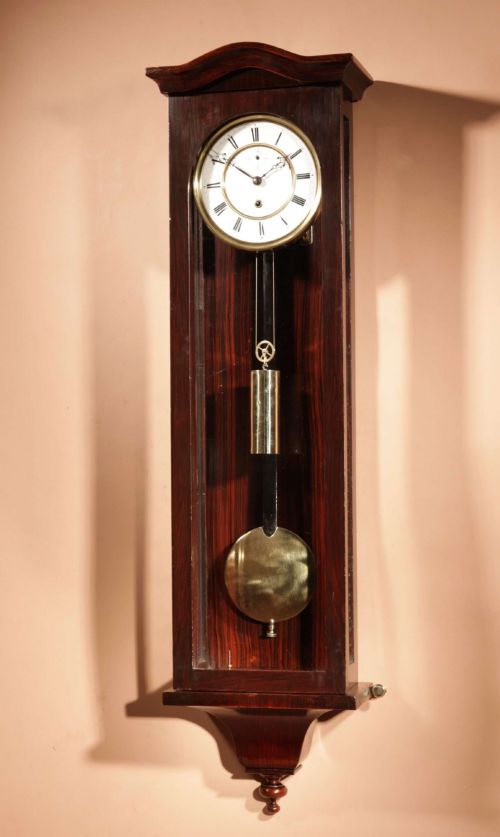
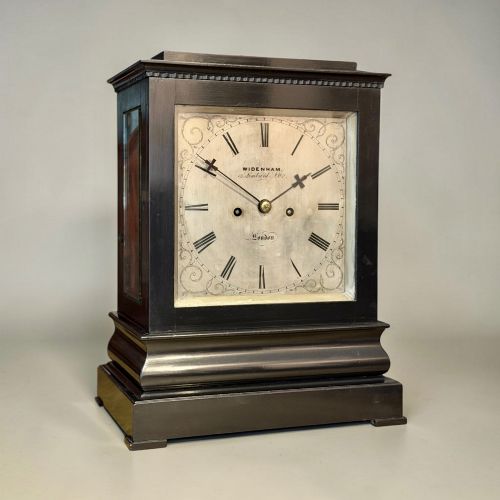
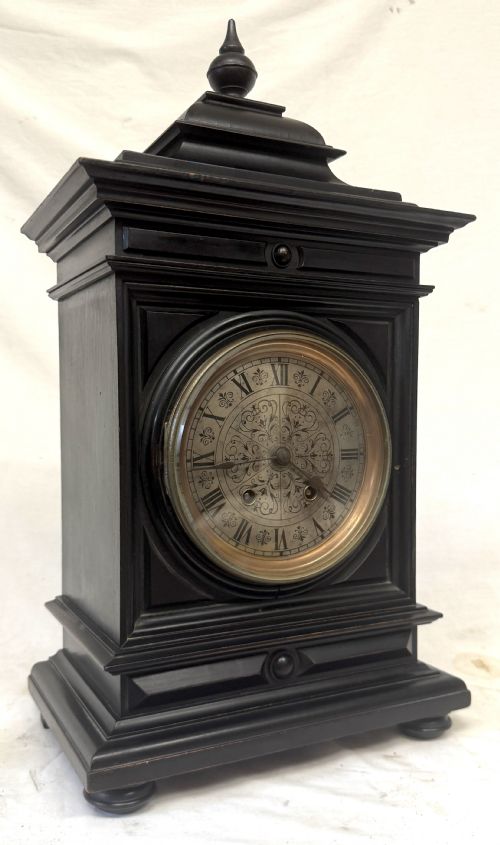
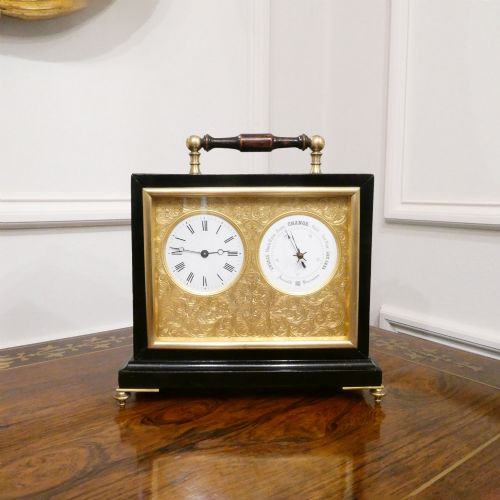
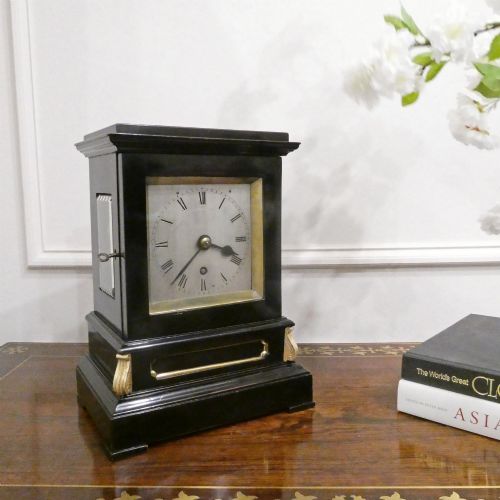
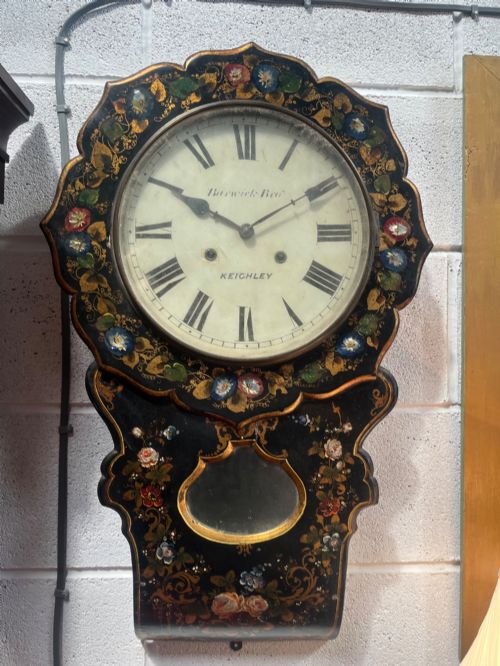
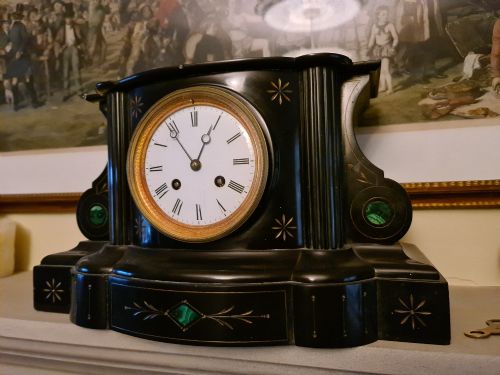
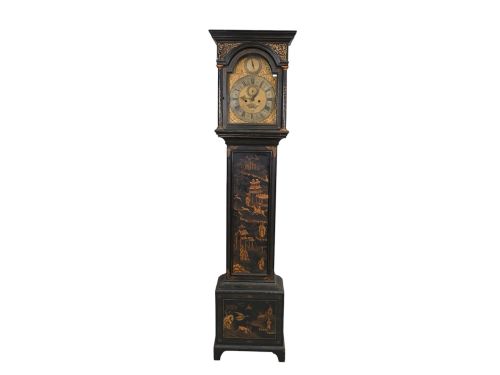
A black dial clock spans several centuries of horological design, appearing across the Georgian, Victorian and Edwardian eras. You will most frequently meet mantel clocks, wall clocks and larger longcase varieties housed in dark timber, ebonised wood or heavy slate.
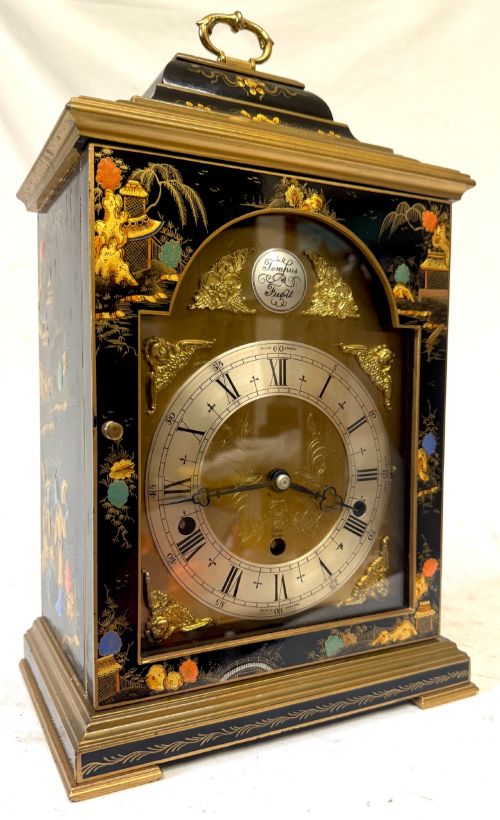
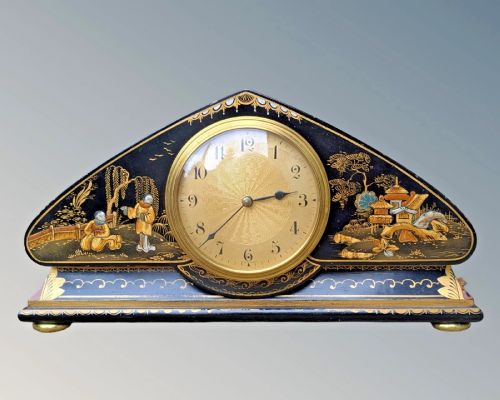
Makers produced these pieces in formats ranging from simple library timepieces to musical three-train bracket clocks and imposing grandfather clocks. Styles shift from restrained 18th century japanning to elaborate French marble designs and decorative Chinoiserie.
How they were made
Craftsmen utilised heavy black slate, marble and ebonised wood to build substantial cases, often pairing them with contrasting brass, silvered or white enamel dials for legibility. Lacquer and japanning techniques created glossy painted surfaces decorated with Chinoiserie motifs.
Movements rely on traditional brass gear trains, fusee mechanisms and pendulum regulation, housed securely within robust wooden or stone enclosures.
Listings feature black dial clock examples across the 18th, 19th and 20th centuries, utilising materials such as slate, marble, ebonised wood and brass.
What varies in quality
The standard of a black dial clock rests upon the precision of its movement and the integrity of its case materials, whether hand-polished slate, genuine lacquer or fine ebonised timber. Master horologists integrated complex quarter-striking systems and fusee movements that maintain steady tension for accurate timekeeping.
Decoration separates standard production from exceptional examples, seen in crisp dial engraving, delicate brass inlay, painted Chinoiserie details and heavy marble mouldings that remain free from repair.
Widenham of London·Elliott London·Lenzkirch·JOHN WITHERSTON OF HEREFORD·Sacre·JOYCE WHITCHURCH·Des Granges of London·Wise of Reading·Phillips Brothers·D. Munsey of Cambridge·Richard Rooker·PAYNE & CO. LONDON·WILLIAM STEVENS OF CIRENCESTER
The Black Dial Clock Glossary
- Fusee
- A conical pulley used in mechanical clocks to maintain even power as the mainspring unwinds. This mechanism helps the clock maintain consistent accuracy throughout its running cycle.
- Ebonised
- Wood treated with a dark finish to imitate expensive ebony. It provides a deep, uniform black surface commonly found on Victorian and Georgian cases.
- Bracket clock
- A portable table clock originally designed to sit on a wall bracket. Many examples include carrying handles on top.
- Three-train
- A clock movement with three separate gear trains driving the timekeeping, the hour strike and the chime melody. This setup is typical in musical bracket clocks.
Black Dial Clock: Frequently Asked Questions
Where should I place a black dial clock?
These clocks suit prominent locations such as mantelpieces, entrance halls or dedicated wall spaces where their dark faces draw the eye. Ensure the mounting surface is entirely level to keep the pendulum swinging truly.
Keep them away from direct sunlight and damp environments to protect delicate ebonised finishes, brasswork and painted dial details from gradual degradation.
Can I adjust a running clock that gains time?
Most pendulum clocks feature a small regulating nut located directly beneath the bob. Turning this nut slightly upwards shortens the pendulum arc and makes the clock run faster.
Lowering the nut lengthens the arc to slow the movement down. Make tiny adjustments and wait a full day to observe the result before altering it again.
How do I identify the period of a clock?
Examine the materials, case architecture and dial construction for period characteristics. Georgian examples often feature understated wooden cases or japanned finishes, whereas Victorian pieces frequently utilise heavy black slate and architectural marble.
Internal movement signatures and maker plaques also help date the piece, though many movements were updated or replaced during long working lives.