


Black Decorative Glass
Black decorative glass brings deep visual weight and intense reflection to a room, ranging from Victorian mirrors to Art Deco vases.
Black Decorative Glass
Black decorative glass encompasses objects designed to catch and reflect light through dark or ebonised surfaces, spanning the Victorian era into the Art Deco period. Buyers seeking black decorative glass encounter a mix of wall mirrors, geometric vases, and small vessels that use dark tones for dramatic effect.
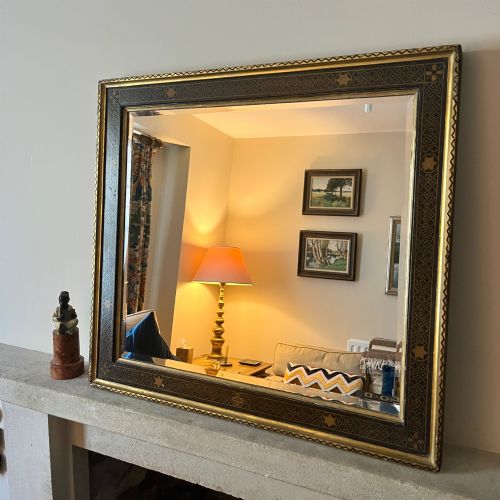
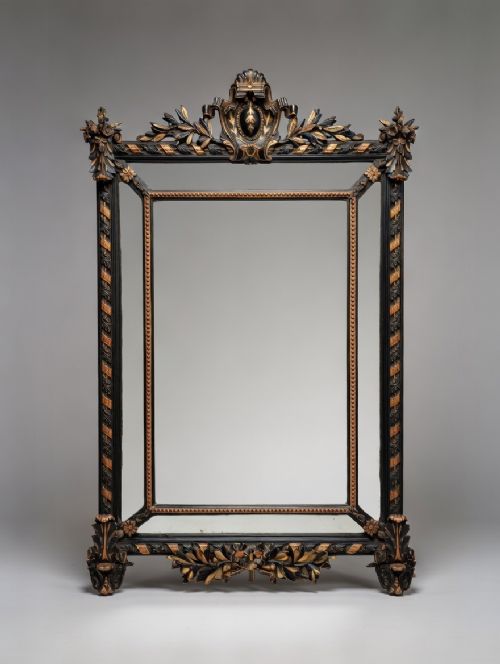
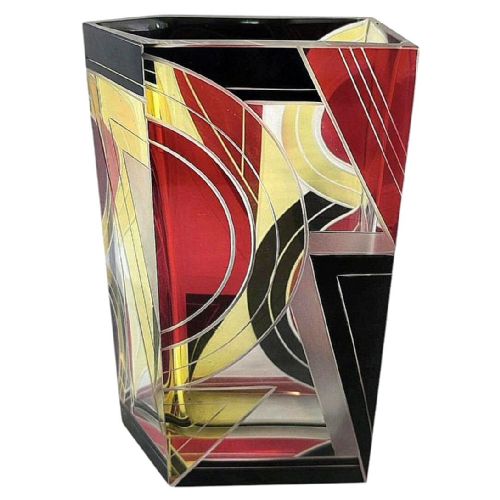
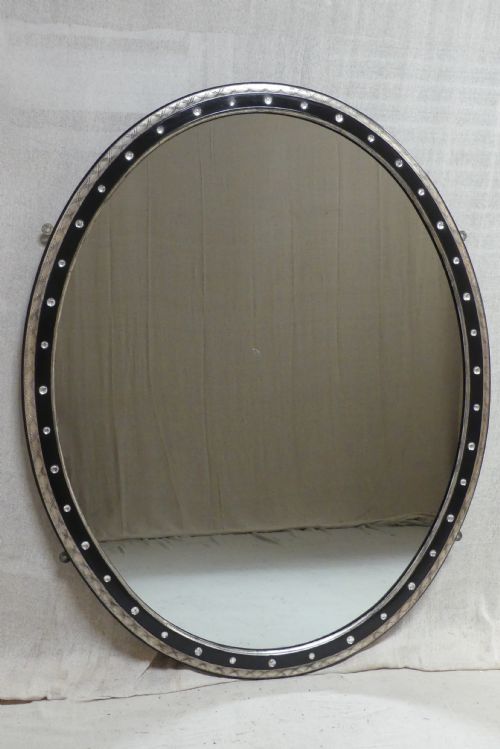
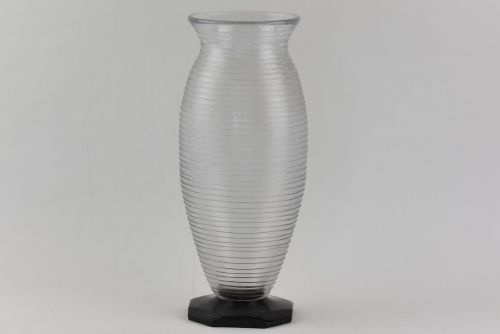
The pieces on this page draw from the nineteenth century, Edwardian years, and the nineteen-thirties, showing how dark glass and ebonised frames served different aesthetic needs over time. Wall mirrors with ebonised wood and dark glass elements appear alongside enamelled glass vases from later modernist workshops.
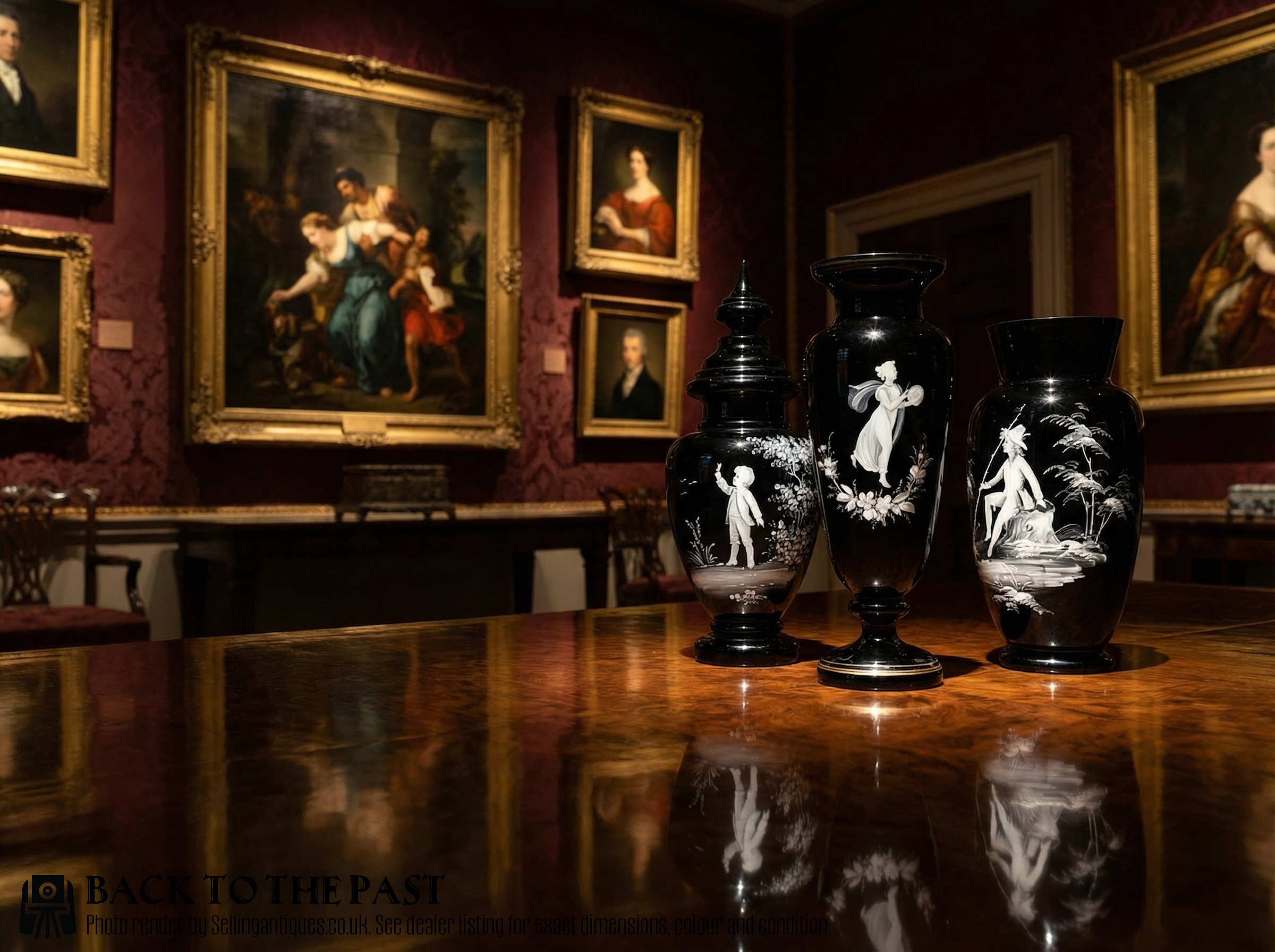
Vases and snuff bottles demonstrate the utility of dark glass on a smaller scale, often incorporating enamel, gold leaf, or aventurine inclusions. These items bring a concentrated presence to domestic interiors, relying on the contrast between deep dark bodies and bright surface decoration.
Materials and construction
Makers utilised dark glass, ebonised wood, and mirror glass to achieve dense, light-absorbing surfaces that contrast with parcel-gilt or enamel details. Glass fabrication involved blowing or moulding vessels, sometimes adding aventurine inclusions during the process to create metallic sparkle within the dark material.
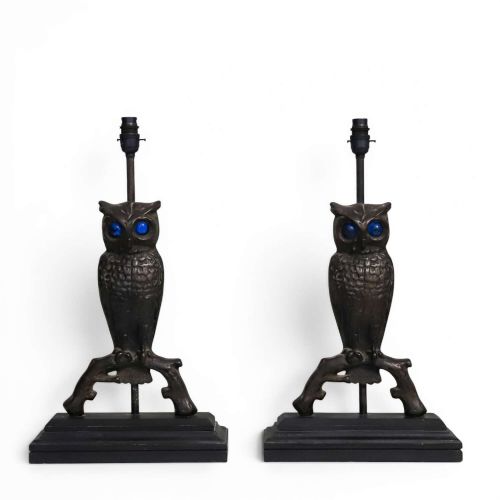
Mirrors combined heavy wooden frames treated with ebonising techniques alongside painted or gilded highlights, while other objects incorporated iron, brass, and enamel decoration. These combined materials required steady hand skills, from glass etching to penwork and metal forging.
Materials represented include glass, ebonised wood, gold leaf, mirror glass, enamel, and cast iron.
Measures of quality
Quality rests in the precision of the surface work, whether through clean geometric enamel lines on an Art Deco vase or the crisp carving of an ebonised mirror frame. Finer examples display deliberate integration of secondary materials like gold leaf or parcel-gilt highlights that remain crisp and secure.
The depth of the glass and the stability of its mounting show the maker's hand, distinguishing standard commercial production from accomplished artistic output. Details such as controlled etching and careful joinery separate the top tier of pieces from simpler utilitarian items.
Daum·Karl Palda·Mary Gregory
The Black Decorative Glass Glossary
- Ebonised
- Wood stained or painted black to imitate true ebony, commonly used on Victorian and nineteenth-century mirror frames.
- Aventurine
- Glass containing small metallic crystals that glitter within the body, frequently produced in Venice.
- Parcel-gilt
- Wood or metal partially decorated with gold leaf or gilt, highlighting specific carved or raised details.
- Enamel decorated
- Glass or metal surfaces painted with vitreous enamel colours that are subsequently fired for permanence.
Black Decorative Glass: Frequently Asked Questions
What is black decorative glass?
Black decorative glass covers vessels, mirrors, and small objects made from dark glass or placed within ebonised and blackened settings.
These pieces use dark reflective or opaque surfaces to create strong visual contrasts within interiors.
How do I date these pieces?
Dating relies on stylistic clues, such as the geometric forms of the nineteen-thirties or the heavy ebonised frames of the nineteenth century.
Materials and decorative motifs like enamel or gold leaf further help place an object in its correct period.
How were these items used originally?
Mirrors hung in reception rooms to bounce light around dark corners, while vases and bottles displayed stems or held small substances.
Many pieces served purely aesthetic functions, acting as focal points on mantels or side tables.
How do I care for black glass?
Keep pieces away from direct, harsh sunlight and clean surfaces gently with a soft, dry cloth to protect delicate enamels and gilding.
Avoid harsh chemical cleaners that might damage ebonised wood or sensitive glass surfaces.