


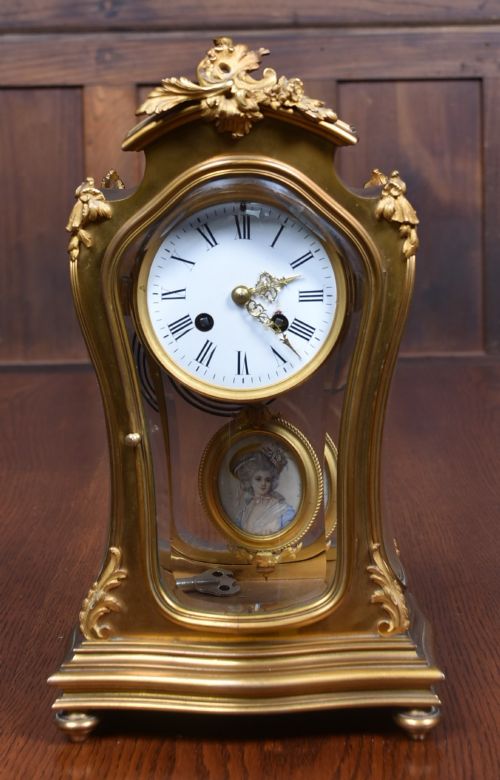


19th Century Enamel Glass
These pieces of 19th century enamel glass combine rich colours with delicate painted surface details that catch the light on any mantel or dressing table.
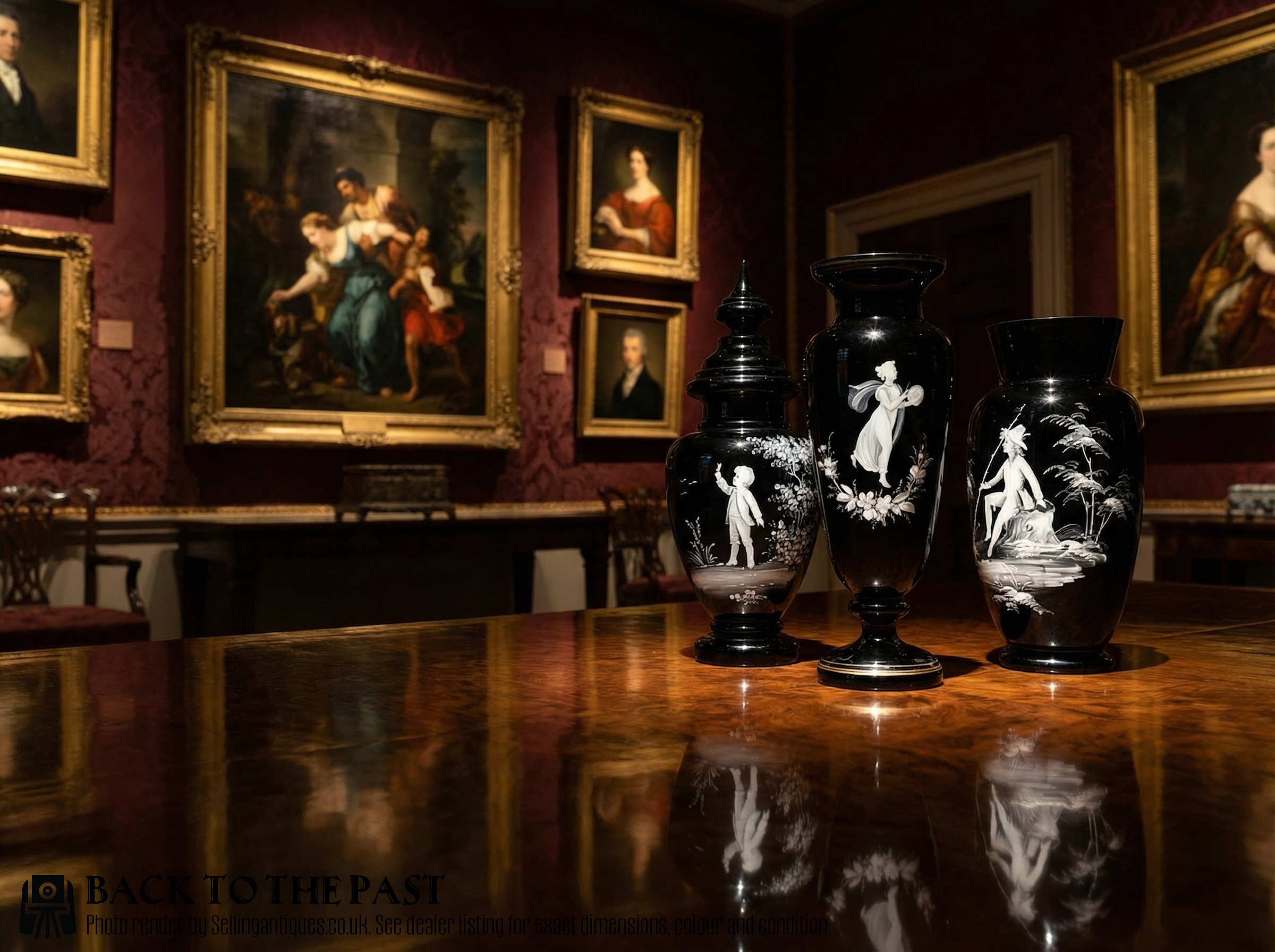
19th Century Enamel Glass
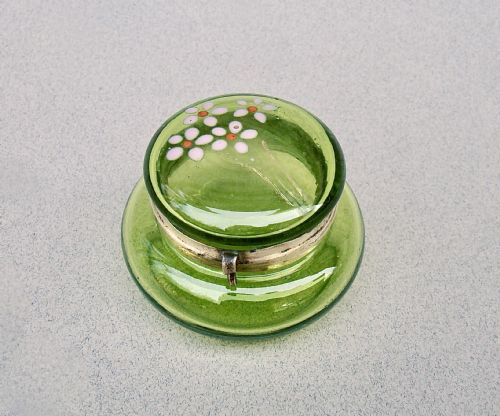
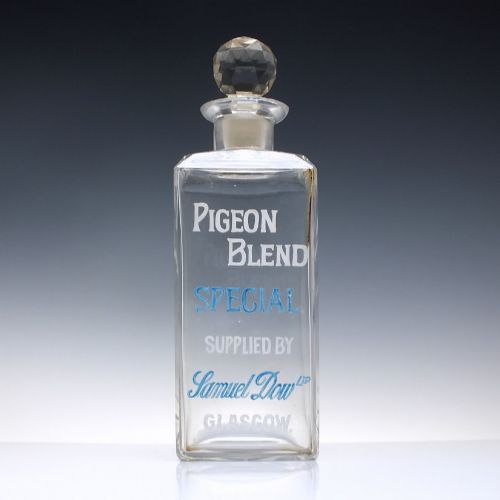
French makers contributed heavily to the category with mounted boxes and bottles utilising deep blue, green, and amethyst glass. Alongside these, Bohemian and Scottish workshops produced heavily decorated vessels and whisky decanters adorned with floral and armorial motifs.
How They Were Made
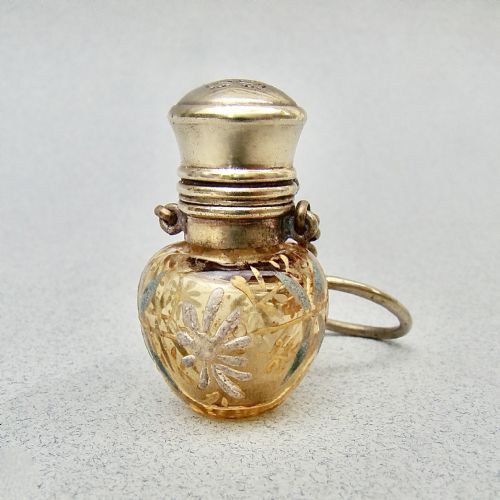
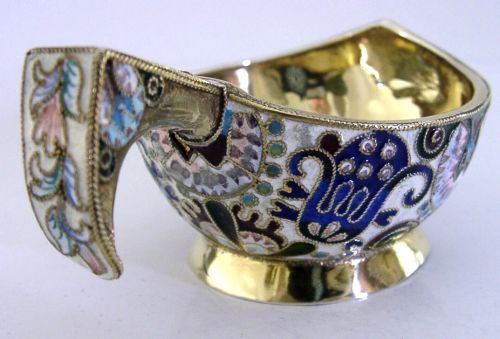
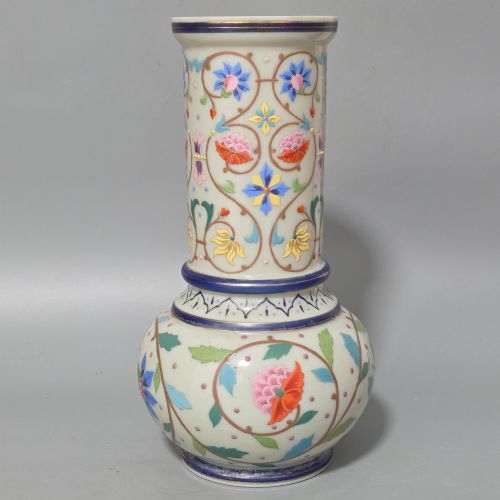
The objects combine vitreous enamel paints applied directly onto clear or coloured glass bodies, frequently fired to fuse the pigments onto the surface. Many pieces incorporate metallic mounts in brass, ormolu, and gilt brass, securing hinged lids or framing delicate glass panels.
Makers utilised techniques such as hand-gilding, casing, and polychromatic enamelling to build up textured surface patterns. The underlying glass forms span opaline, satin, cranberry, and Bristol blue varieties, providing a contrasting backdrop for the painted decoration.
Materials documented across the inventory include vitreous enamel, ormolu, brass, gold leaf, and cased glass.
What Varies in Quality
The standard of 19th century enamel glass rests on the precision of the hand-painted detailing and the crispness of the enamel application. Superior items display complex polychromatic designs and careful registration, while simpler pieces rely on basic monochrome linework.
Quality also depends on the integration of secondary materials, such as heavy cast ormolu mounts and finely fitted brass hinges on boxes and scent bottles. The clarity and depth of the base glass itself, whether cased, flashed, or solid coloured, further define the upper tier of production.
Thomas Webb·Mary Gregory·Lobmeyer·Harrach·Moser
The 19th Century Enamel Glass Glossary
- Enamel
- A vitreous composition fused to the surface of glass or metal through heat firing. It provides durable opaque or translucent colour decoration.
- Ormolu
- Finely ground high-zinc bronze cast and gilt, frequently used for mounts, feet, and hinged frames on French glass boxes and bottles.
- Cased Glass
- Glass formed of two or more distinct layers of different colours, allowing carvers to cut through the outer layer to expose the contrasting colour beneath.
- Opaline Glass
- An opaque, pastel-hued glass popular in the nineteenth century for decorative vases, jars, and dressing table sets.
- Chatelaine
- A decorative belt hook worn with suspended chains carrying small utility items like scent bottles and trinket cases.
19th Century Enamel Glass: Frequently Asked Questions
What is 19th century enamel glass?
These items are decorative and functional glass vessels adorned with fired enamel paints during the Victorian period. They include tableware, scent bottles, and vanity boxes created across European glasshouses.
Craftsmen applied powdered glass pigments onto blown or moulded blanks before firing them in a kiln. This process created permanent, raised or flat surface patterns ranging from simple florals to detailed armorials.
How do I identify French pieces?
French examples from this era frequently appear as richly coloured trinket boxes, cologne bottles, and chatelaine scent bottles mounted in ormolu or brass. They often feature deep blue, green, or amethyst glass bodies with refined gilt floral motifs.
Many of these vanity items were retailed through Parisian houses and Palais Royal shops. Their metalwork tends to feature secure cast hinges and fine chasing that distinguish them from simpler domestic glassware.
What are Mary Gregory pieces?
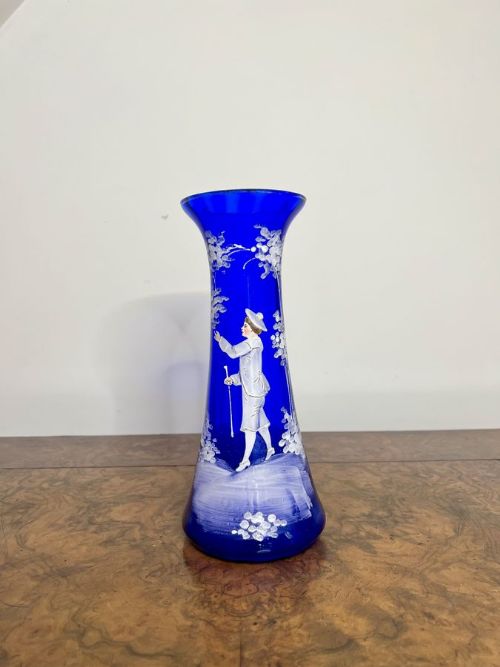
Objects associated with this style feature distinctive white enamel silhouettes depicting children playing amidst foliage against a coloured glass background. The glassware itself is commonly found in shades of blue, green, or cranberry.
While named after an American glass artist, much of this distinctive glassware was actually produced in large quantities by Bohemian and Victorian factories for export. Collectors prize the delicate, opaque white painting technique used to render the figures.
How should I clean these items?
Cleaning requires gentle handling using lukewarm water and mild soap, avoiding abrasive cloths or harsh chemical detergents. Enamel decoration and surface gilding can be delicate and vulnerable to scrubbing.
Dry the pieces thoroughly with a soft lint-free cloth immediately after washing. Metal mounts should be wiped clean separately to prevent moisture accumulation around the hinges and glass joins.