

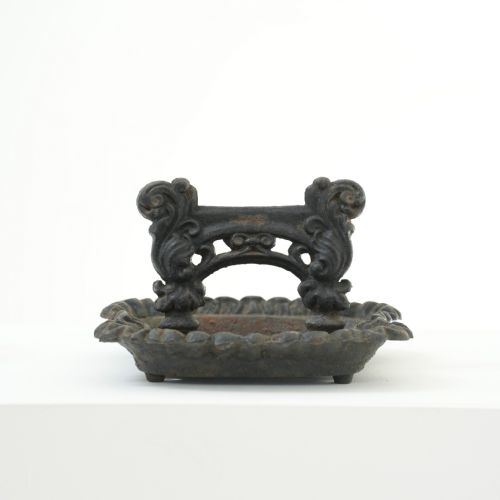


Black Cast Iron Boot Scraper
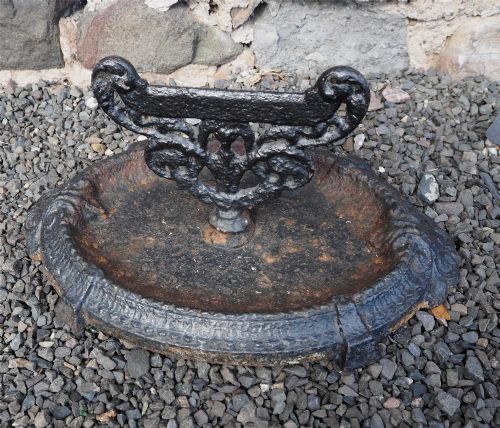
A black cast iron boot scraper stands as a sturdy architectural sentinel by the doorway, designed to clear heavy mud from heavy footwear.
Black Cast Iron Boot Scraper
A black cast iron boot scraper is a robust threshold accessory designed to remove mud and dirt from footwear before entering a house. These items range from simple domestic utilities to substantial architectural fixtures positioned outside doorways.
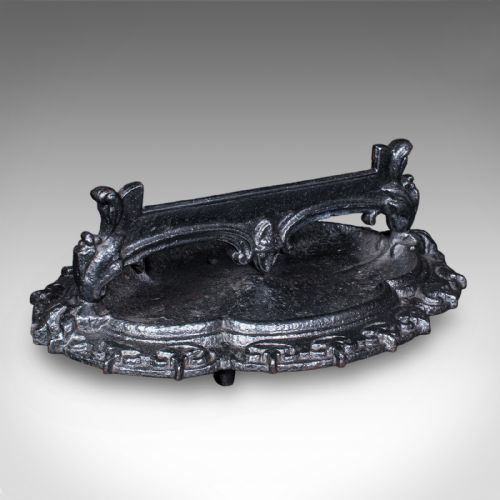
The versions most commonly met on this page date from the Victorian period, alongside earlier Georgian examples and later pieces from around nineteen hundred. They frequently combine the scraper blade with an integrated shoe pull.
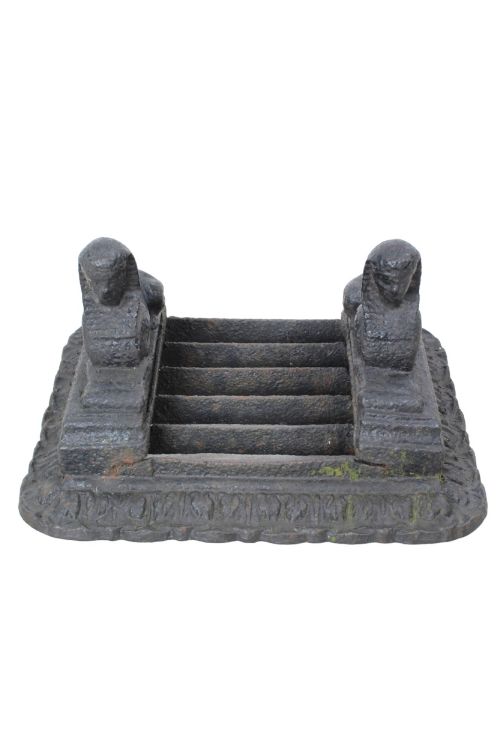
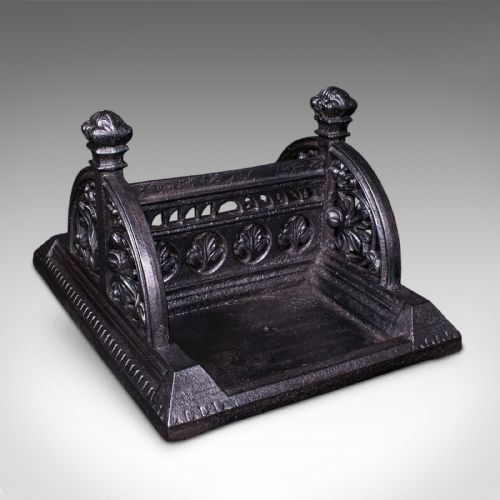
Formations vary from simple townhouse designs to more elaborate interpretations such as Egyptian Revival or Victorian Gothic Revival styles. Larger country house models also appear, sometimes found as pairs.
How they were made
These pieces are produced entirely in cast iron, utilising traditional foundry techniques to shape both the functional scraper blade and the supporting base or mounting brackets. Molten iron is poured into sand moulds, creating rigid and durable forms capable of withstanding heavy daily use outside.
Moulds incorporate decorative details ranging from plain structural supports to ornate architectural motifs like Gothic arches or lion figures. Subsequent finishing often involves protective black coatings to prevent corrosion in exposed exterior environments.
Listings feature cast iron boot scrapers spanning the Georgian era through to the late Victorian period and nineteen hundred.
What varies in quality
Quality in a black cast iron boot scraper depends largely on the weight and crispness of the casting, where sharper architectural detailing and thicker iron sections indicate superior production. Finer examples display cleanly defined ornamentation rather than softened edges from worn foundry moulds.
The sophistication of the design also separates standard utility pieces from grander townhouse or country house iterations. Integrated elements like shoe pulls add both functional complexity and aesthetic interest to the finished piece.
The Black Cast Iron Boot Scraper Glossary
- Boot scraper
- A heavy metal blade fixed near a doorway for scraping mud from the soles of shoes. It forms the primary functional component of these objects.
- Shoe pull
- An attached hook or loop designed to help the wearer pull off muddy boots. This feature frequently accompanies the scraper blade on townhouse examples.
- Cast iron
- A strong, heavy iron-carbon alloy poured into moulds to create rigid metal objects. It provides the essential durable material for all pieces shown.
- Gothic Revival
- An architectural and decorative style drawing inspiration from medieval forms. Pieces in this style display pointed arches and ecclesiastical motifs.
Black Cast Iron Boot Scraper: Frequently Asked Questions
Where were boot scrapers placed?
These items were positioned immediately outside the main entrance or doorway of a house. Townhouses and country residences utilised them to keep heavy mud off interior floors.
They were typically secured near the step or built directly into the exterior masonry. This placement allowed visitors and residents to clean their footwear before stepping inside.
How do I date a boot scraper?
Dating relies heavily on stylistic clues such as Victorian Gothic Revival details or earlier Georgian proportions. Heavy cast iron forms and specific decorative motifs help place pieces within the nineteenth century.
Construction methods also provide context, though many retain traditional foundry characteristics across different decades. Comparing the overall design against known architectural periods clarifies the approximate age.
What is the shoe pull for?
The integrated hook or loop serves to assist in pulling off tight or muddy boots without bending down. It works in tandem with the scraper blade to handle footwear.
Users placed the heel of the boot against or into the pull while stepping out of the footwear. This addition was particularly common on larger townhouse models.
Can these be used outside today?
Cast iron construction makes these objects naturally suited for exterior placement by a modern doorway. Their heavy weight helps them stay firmly in place on stone or concrete steps.
Maintenance involves monitoring the protective black finish to prevent rust from forming in wet weather. Regular checks ensure the iron remains stable against the elements.