
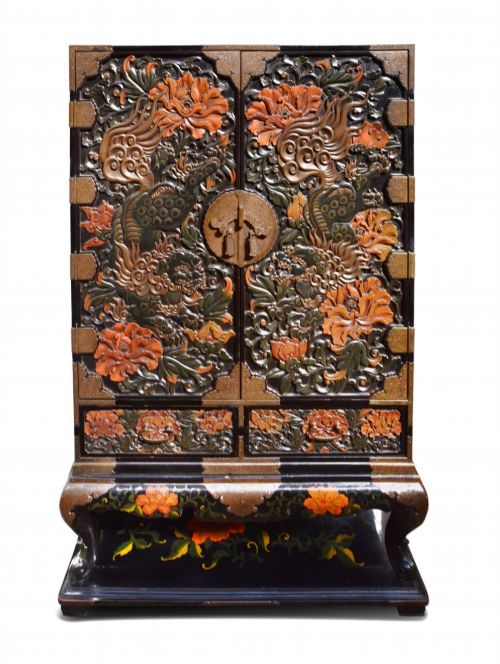
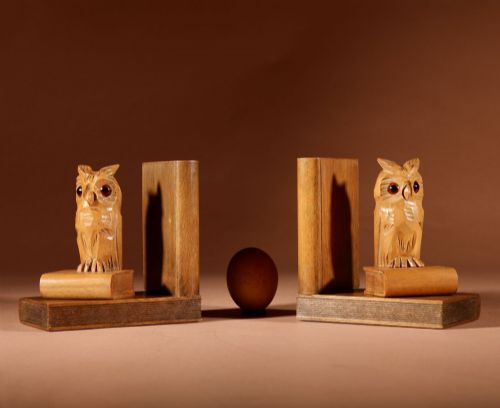
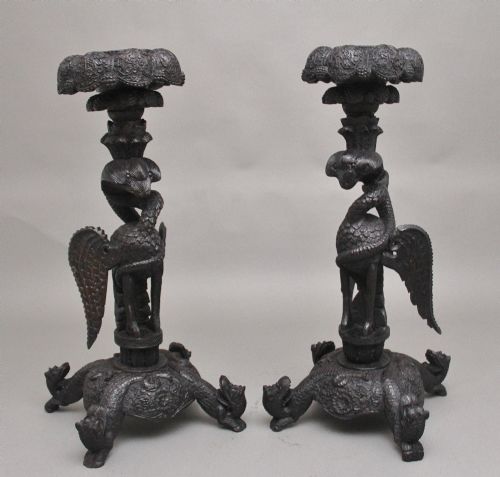
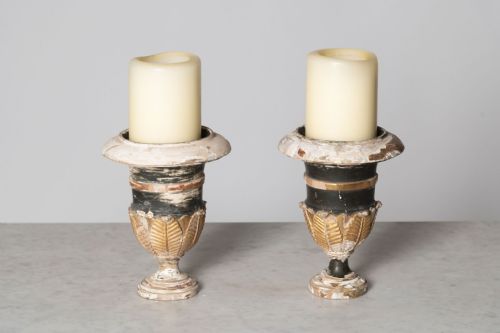
Black Carved Wood Stand
These pieces gather carved wooden items finished in dark tones, from Black Forest animal figures to Anglo-Indian plant pedestals, offering practical display surfaces with strong decorative presence.
Black Carved Wood Stand
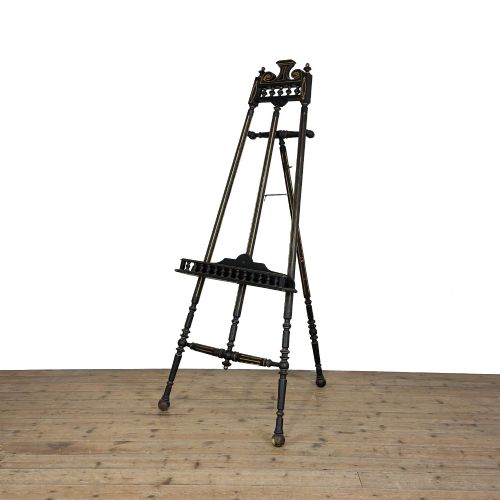
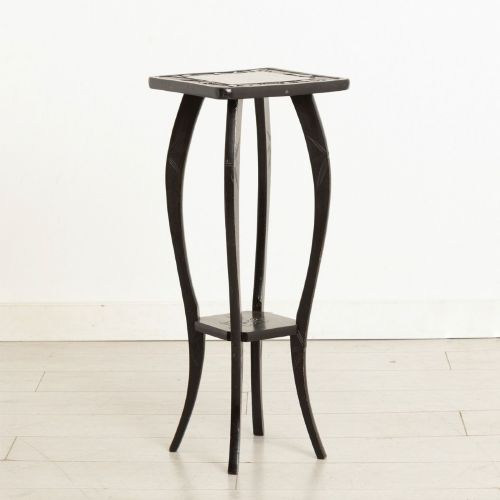
A black carved wood stand encompasses a diverse group of domestic furnishings designed to elevate objects or support outerwear, drawing from distinct regional traditions across the nineteenth and early twentieth centuries. When searching for this phrase, buyers encounter functional items such as plant stands, torcheres, and hall stands alongside smaller display pieces.
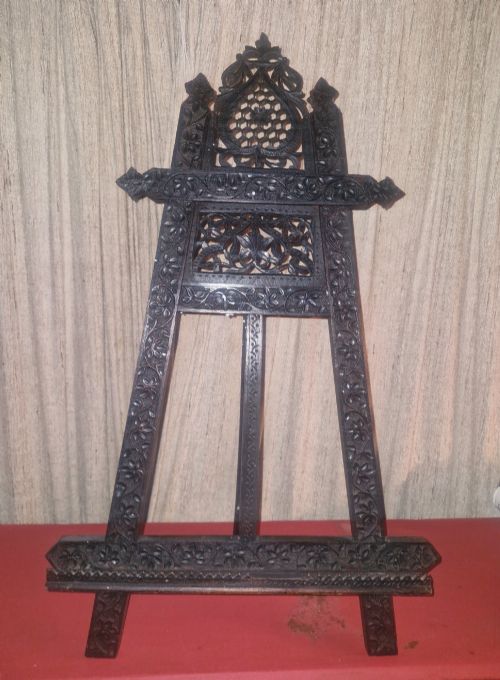
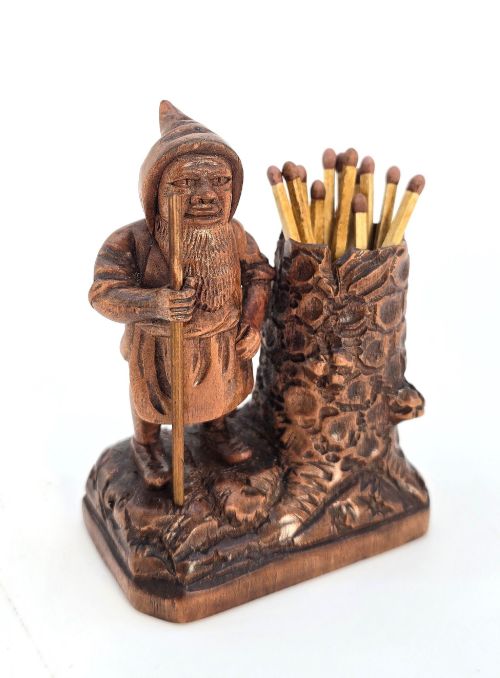
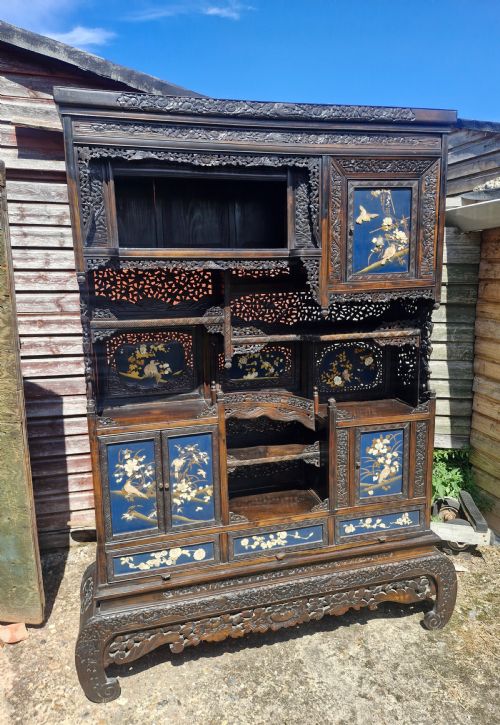
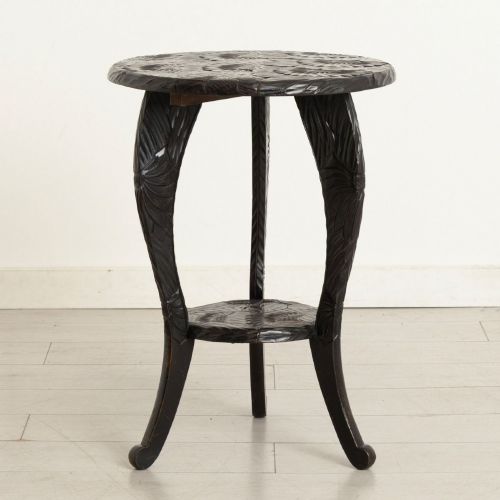
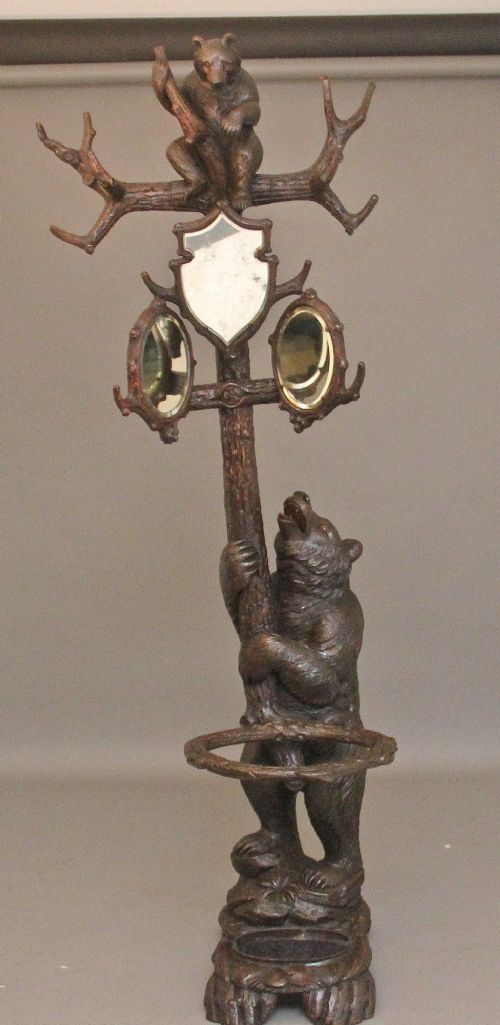
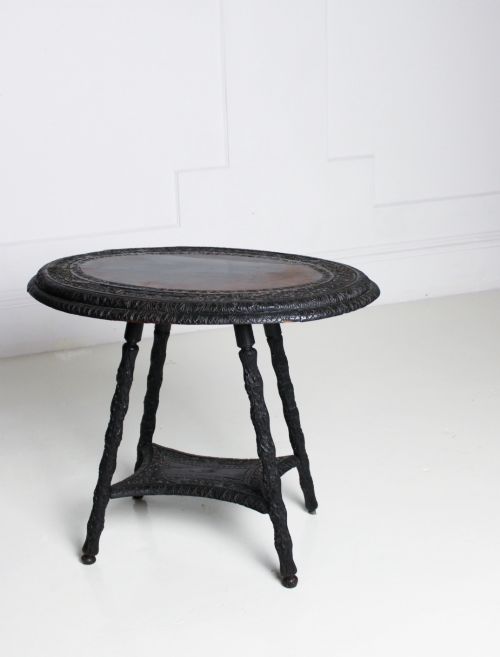
The Black Forest tradition dominates the larger hall stands and stick stands, frequently depicting naturalistic bears and other wildlife carved with theatrical expression. Alongside these European works, Anglo-Indian and Oriental pieces introduce dense foliage and animal motifs executed in heavy hardwoods.
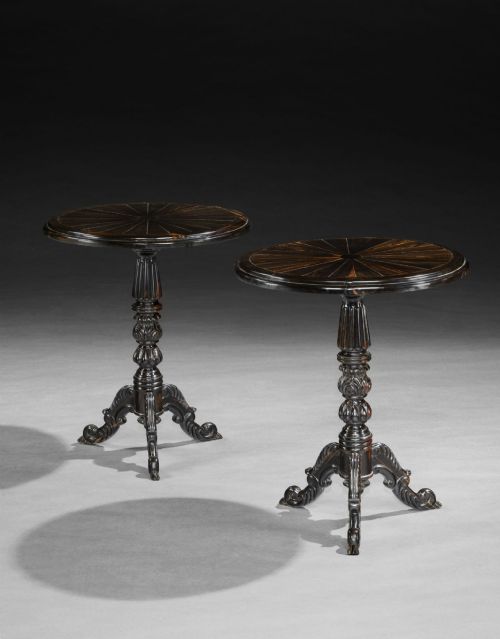
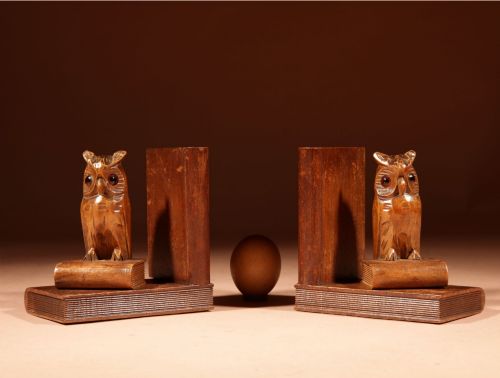
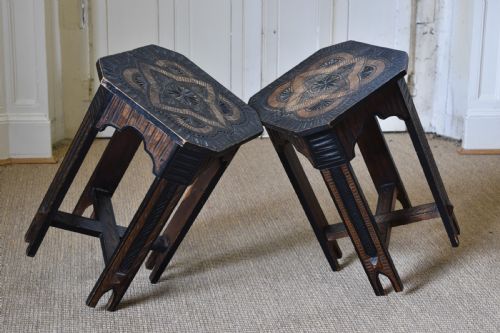
Smaller formats appear regularly, including side tables, bookends, and inkwells that share the same dark surface treatment and deep relief carving. These domestic objects reflect the Victorian and Edwardian taste for heavily ornamented interiors where dark timber provided a serious, cohesive aesthetic.
How they were made
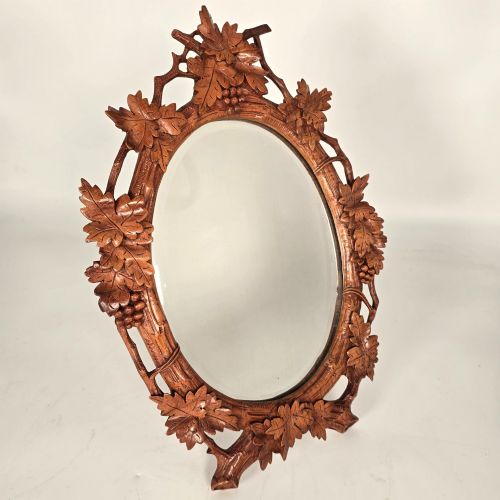
Carvers utilised European timbers like linden wood alongside dense exotic hardwoods such as ebony and unspecified oriental hardwoods, selecting each material for its ability to hold crisp, deep relief details. Linden wood offered a softer consistency suited to the intricate, fur-textured animal carvings typical of Black Forest ateliers, while hardwoods provided the structural rigidity required for tall plant stands and tripod tables.
Surfaces were frequently darkened using ebonisation techniques, lacquering, or dark stains to achieve uniform sombre tones that emphasised the play of light across the carved depth. Artisans combined chip carving, pierced work, and naturalistic modeling by hand, relying on traditional gouges and chisels rather than mechanical replication.
Several stands feature bears clutching card trays or holding umbrellas, offering permanent silent assistance in the hallway.
What varies in quality
The ambition of the carving dictates the distinction between standard production pieces and exceptional examples, separating stiff, repetitive foliage from fluid, lifelike animal anatomy. Master carvers captured tension in muscle and expression in glass eyes, whereas lesser workshops produced flat, generalized rendering with minimal depth.
Proportion and structural integrity separate substantial hall stands from minor items, with superior pieces maintaining balance despite complex, outward-projecting limbs and heavy loads. The integration of the stand with its support base reveals the maker's competence, ensuring stability without clumsy reinforcement.
Liberty of London
The Black Carved Wood Stand Glossary
- Ebonised
- Wood treated with chemical stains or dark paint to imitate expensive ebony. This finish gained popularity during the Victorian period for accentuating classical silhouettes.
- Torchere
- A tall ornamental stand designed to support a lamp, candleholder, or vase. These vertical pedestals lift display items to eye level.
- Linden wood
- A pale, close-grained timber favoured by European carvers for its cooperative texture. It permits deep undercutting without splintering.
- Chinoiserie
- European artistic styles reflecting Chinese decorative motifs. These pieces often feature lacquered surfaces and stylised landscape scenes.
- Jardiniere
- A decorative container for holding plants or floral arrangements. They frequently sit atop dedicated carved stands or pedestals.
Black Carved Wood Stand: Frequently Asked Questions
Where do Black Forest stands come from?
These carved works originate primarily from the woodworking communities of Switzerland, Germany, and the broader Alpine regions during the nineteenth century. Local artisans utilised regional forests to produce domestic items depicting native wildlife.
Production later expanded to satisfy international demand, resulting in varied export items ranging from small desk accessories to large architectural hall stands.
How are hall stands used today?
Hall stands serve their original purpose in entranceways, providing hanging space for coats and upright storage for walking sticks and umbrellas. Their narrow footprints allow them to occupy transitional spaces efficiently.
Collectors also place larger figural stands in living rooms or studies as sculptural focal points that anchor the surrounding interior design.
How do I care for carved wood?
Maintain these pieces by dusting regularly with a soft, dry brush to prevent accumulation within the deep recesses of the carving. Avoid harsh chemical cleaners and excessive moisture that might damage the dark finishes or dry out the timber.
Keep wooden stands away from direct heat sources and strong sunlight to prevent the timber from warping or splitting over time.