
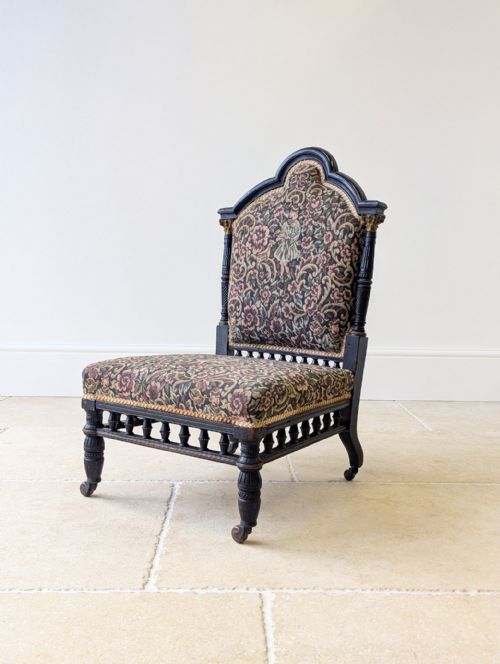
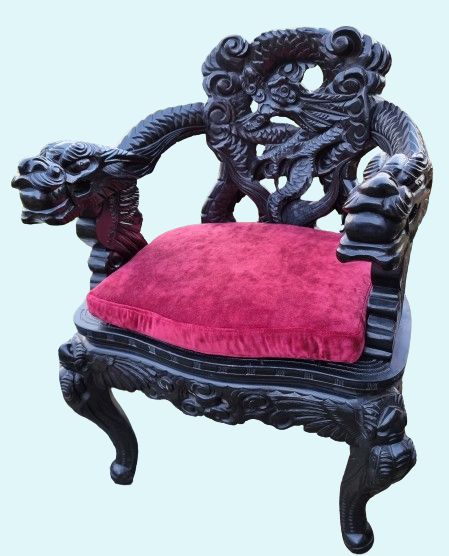
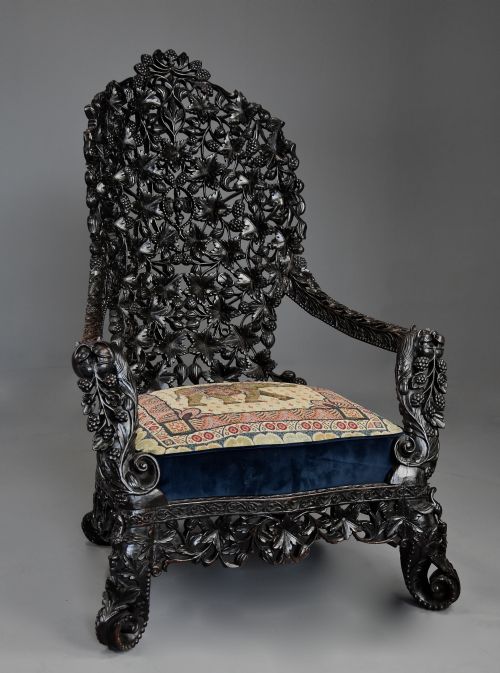
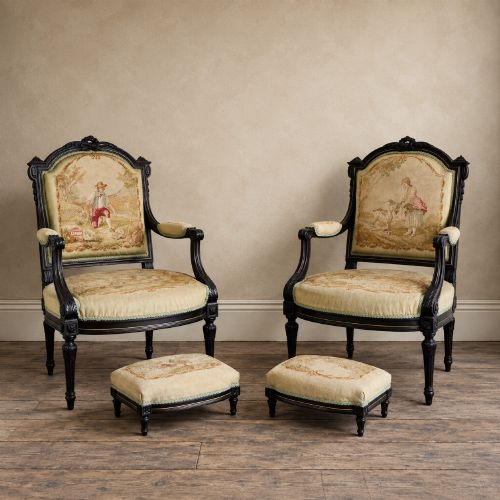
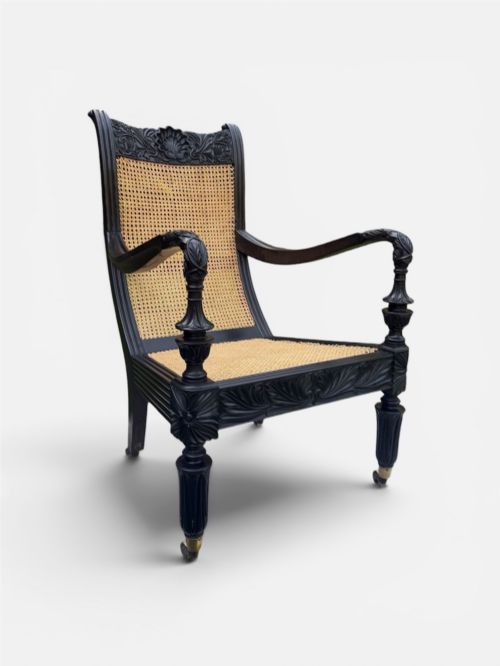
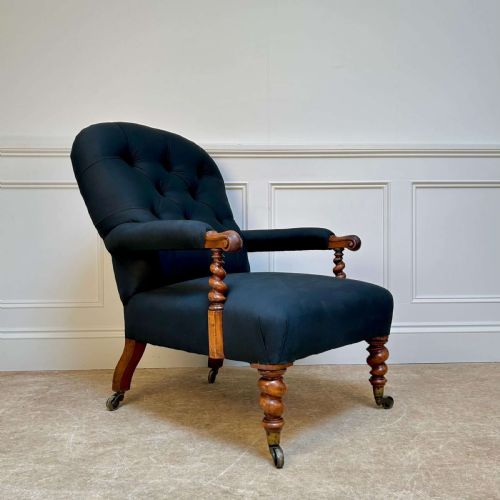
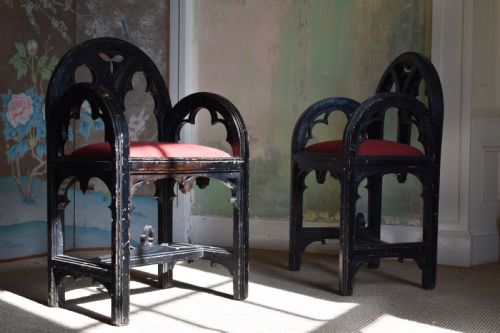


Black Carved Armchair
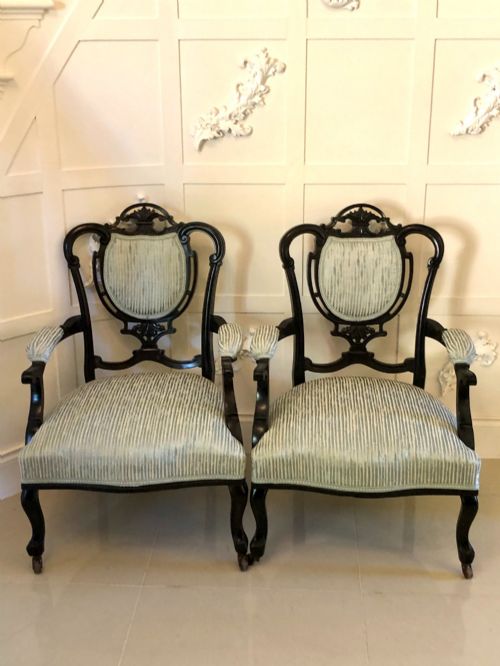
A black carved armchair brings immediate gravity to a room, drawing the eye through dark finishes and intricate woodwork.
Black Carved Armchair
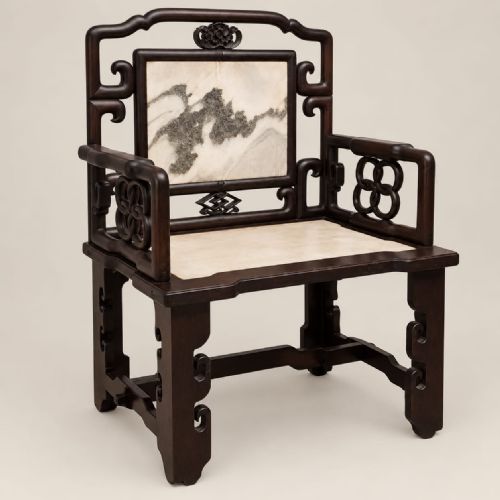
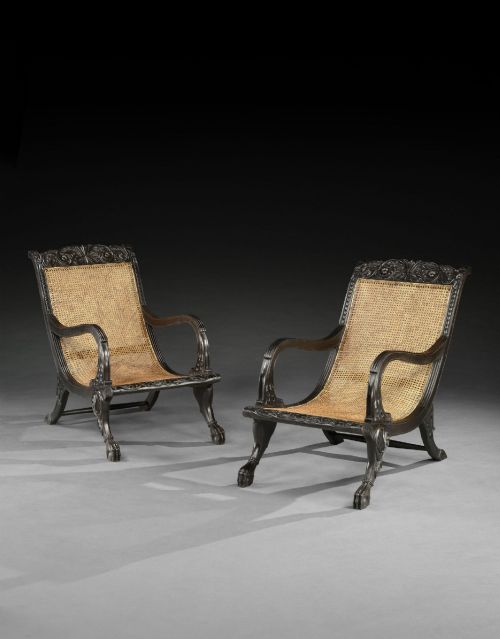
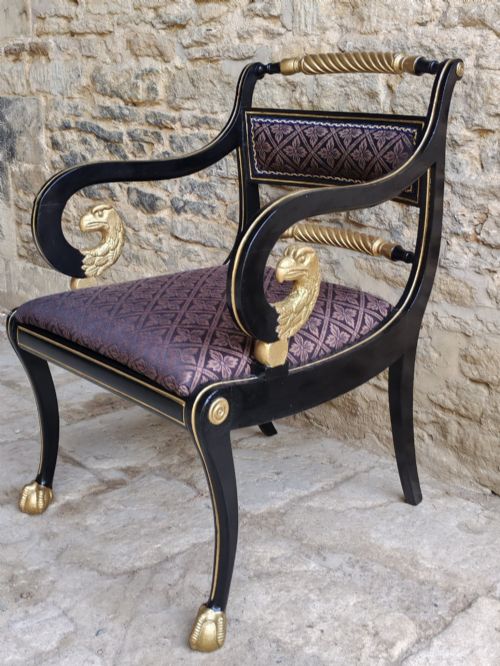
A black carved armchair encompasses a striking variety of seating forms spanning the nineteenth century, from library chairs to folding campaign seats. When searching for a black carved armchair, buyers encounter pieces shaped by diverse cultural influences, including Anglo-Indian craftsmanship, Chinese export design, and European revival styles.
The selection on this page leans heavily toward Victorian ebonised woodwork, Regency library seating, and heavy hardwood carvings from distant workshops. Forms range from low salon chairs and nursing chairs to sturdy desk chairs and grand master seats.
Makers and origins stretch across continents, yielding everything from solid ebony and blackwood frames to painted beech and oak structures. Buyers often find pairs and sets alongside singular statement pieces that display deep relief carving.
How they were made
Cabinetmakers and carvers utilised dense timbers such as ebony, walnut, mahogany, and oak, often applying ebonisation or black lacquer to create a uniform dark surface. Solid hardwoods allowed artisans to execute deep, intricate relief work without compromising the structural integrity of the frame.
Upholstered elements frequently relied on leather, cane, or textured fabric inserts secured to the carved wooden skeletons. Joinery techniques combined traditional peg and tenon framing with specialised turning and steam-bending for complex curves.
The inventory bridges periods from Georgian grandeur through Victorian revivalism and early twentieth-century craftsmanship.
What varies in quality
The depth and crispness of the hand carving separate mass-produced items from superior workshop output, where artisans spent weeks defining foliage, figures, or geometric motifs. Dense tropical hardwoods hold sharp details far better than softer woods finished with dark paint.
Structural stability in the joints and the preservation of original surfaces dictate the desirability of a piece. Chairs retaining their initial leather upholstery, original ebonised finishes, or period cane work command greater appreciation from collectors.
Hindley And Sons·Maple And Co·W And T Avery
The Black Carved Armchair Glossary
- Ebonised
- Wood treated with stain, paint, or chemical processes to imitate costly ebony. This dark finish gained widespread popularity during the Victorian and Aesthetic periods.
- Aesthetic Movement
- A late nineteenth-century design style emphasising artistic value over moral or narrative purpose. Pieces from this movement often utilise clean lines paired with ebonised surfaces.
- Black Forest
- Originating from the mountainous region in Germany, this style denotes deeply carved wooden furniture featuring animals, foliage, and rustic themes. The carving is typically executed in softwoods or walnut.
- Cane
- Strips of rattan or plant material woven into an open mesh pattern for seats and backs. It provides flexible, breathable support in warm climates.
Black Carved Armchair: Frequently Asked Questions
Are these chairs comfortable for daily use?
Many of these historical seats were designed for specific tasks like reading or correspondence rather than lounging. Library and desk variants offer firm support, though ergonomics varied widely across the nineteenth century.
Upholstered versions can be adapted for modern comfort, while rigid wooden or caned models are best suited for accent seating in low-traffic spaces.
How do I care for ebonised wood?
Ebonised and black-lacquered surfaces require gentle dusting with a soft, dry cloth to prevent micro-scratching. Avoid modern chemical polishes that can degrade the historic black finish over time.
Keep these chairs away from direct sunlight and excessive humidity to protect both the dark timber and any delicate hand carving.
How do I tell a Victorian ebonised chair from a Regency one?
Regency models often display classical restraint with clean lines, mahogany frames, or brass inlay, dating from the early decades of the century. Victorian ebonised pieces frequently embrace revival styles or Aesthetic movement asymmetry with heavier ornamentation.
Examining the underside of the frame, tool marks, and screw types helps confirm the manufacturing era.
What is an Anglo-Indian chair?
These are nineteenth-century pieces made in the Indian subcontinent using dense native timbers like solid ebony or blackwood. They were constructed for British residents or exported directly to homes in Britain.
They are instantly recognised by their profuse, deeply undercut carvings depicting tropical flora, fauna, and scrolling patterns.