
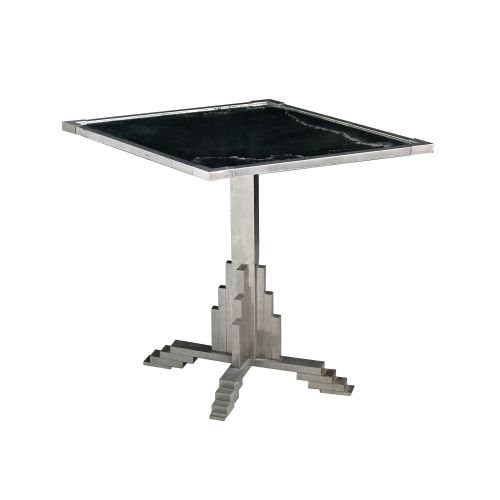



Black Art Deco Table
When you search for a black art deco table, you enter a world of striking geometric lines and dark, dramatic finishes.
Black Art Deco Table
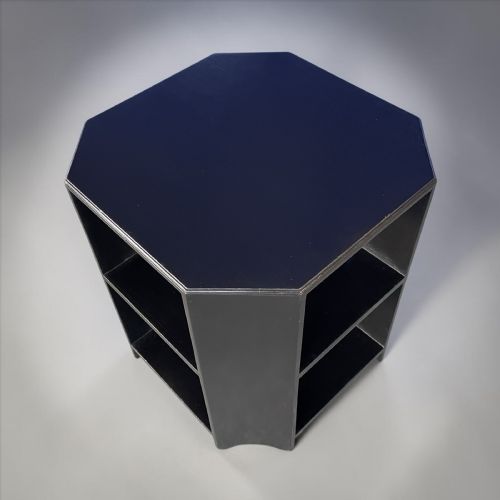
A black art deco table brings the bold geometry and sleek ornamentation of the interwar decades directly into a modern interior. Buyers searching this phrase encounter occasional tables, side tables, and desks defined by dark tones and clean structural profiles.
The pieces appearing here stem primarily from the 1920s and 1930s, capturing the international spread of the modernist movement. Alongside wooden items, the selection includes pieces with contrasting surfaces of glass and metal.
Most examples rely on the visual weight of dark timber or painted surfaces to anchor a room. They function equally well as standalone display pieces or as functional surfaces for daily use.
How they were made
Maker workshops utilised ebonised wood, ebony, and walnut to achieve deep, dark surfaces that contrast with polished metals. Chrome, brass, and wrought iron provide structural frames and reflective trim.
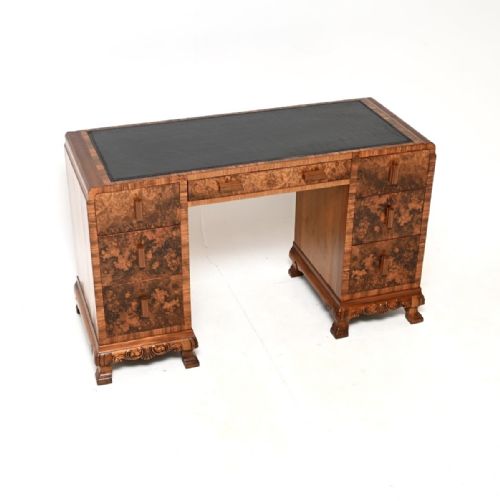
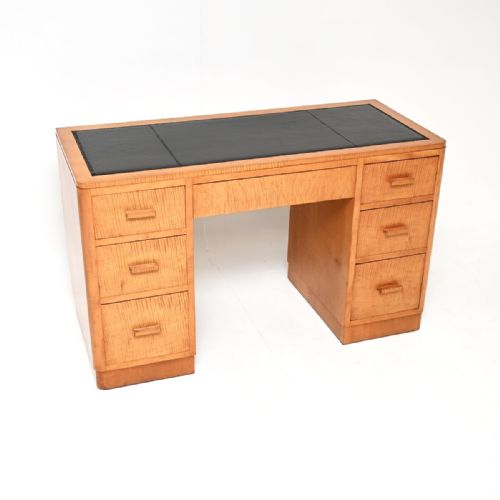
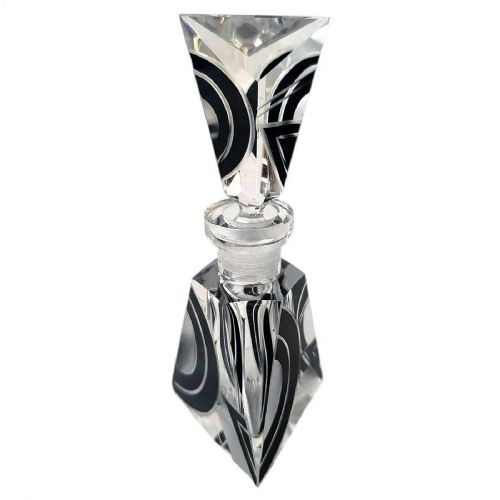
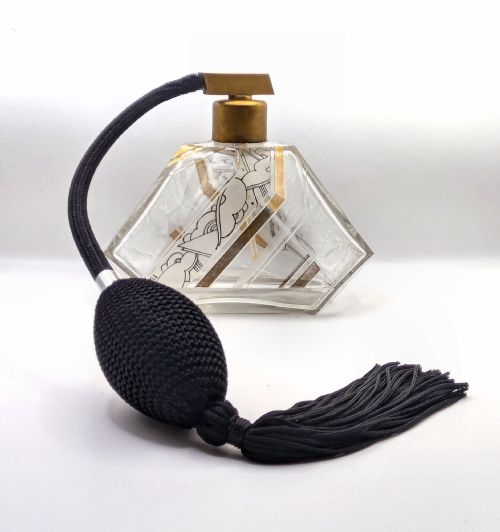
Surface treatments often incorporate inlaid leather tops or mirrored glass inserts to break up the dark expanses. Enamel and cut glass appear on related smaller items, showing the era's taste for mixed media.
Current listings feature items from the 1920s and 1930s alongside mid-century examples utilising chrome, glass, and ebonised wood.
What varies in quality
Quality rests in the crispness of the geometric joinery and the depth of the dark finish. Superior items display meticulous attention to surface preparation, whether through the selection of fine wood grain or the smooth application of ebonising.
The integration of contrasting materials, such as inset glass or metal trim, reveals the maker's hand. Pieces with robust structural integrity and balanced proportions command greater attention from collectors.
Karl Palda·Eileen Grey·Hille Furniture Company·Guido Cacciapuoti·Demetre Chiparus
The Black Art Deco Table Glossary
- Ebonised Wood
- Timber treated with stain, dye, or lacquer to imitate the dark, dense appearance of ebony. This technique was widely utilised during the period to create dark furniture surfaces.
- Art Deco
- A design style dominant in the 1920s and 1930s characterised by streamlined forms, geometric patterns, and industrial materials. It marked a shift away from traditional ornamentation.
- Chrome Plate
- A thin layer of chromium applied to metal to provide a corrosion-resistant and highly reflective finish. It became a defining material for modern furniture framing.
- Occasional Table
- A small, versatile table designed for specific, intermittent use rather than heavy daily service. These forms include side tables and coffee tables.
Black Art Deco Table: Frequently Asked Questions
How do I style a black art deco table?
Pair the piece with neutral backgrounds and metallic accessories to highlight the dark finish and geometric lines.
Keep surrounding objects minimal to let the structural form of the table remain the focal point of the room.
What materials should I expect to see?
Common materials include ebonised wood, walnut, chrome, brass, and inset glass or leather surfaces.
These elements combine to create the characteristic high-contrast aesthetic of the style.
How do I care for ebonised wood?
Dust regularly with a soft, dry cloth and avoid exposing the surface to direct sunlight or excessive moisture.
Apply specialist wax sparingly to maintain the deep dark sheen without buildup.