





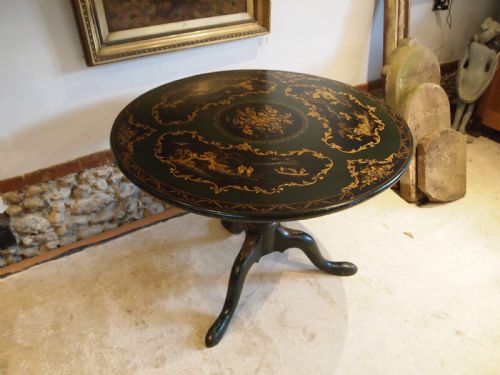
Black and Gold Pedestals
Black and gold pedestals bring dramatic dark surfaces and gilded highlight together, offering a striking display for urns, plants and sculptural objects in any room.
Black and Gold Pedestals
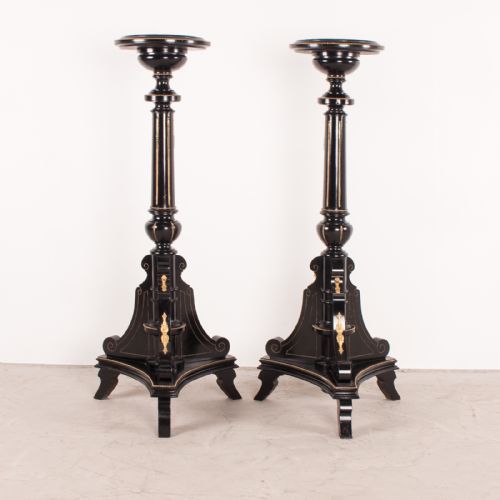
Black and gold pedestals encompass a range of display furniture, plant stands, torcheres and columns designed to elevate objects of interest. When searching for black and gold pedestals, buyers encounter pieces spanning from the Georgian and Regency eras through to the Victorian, Edwardian and Art Deco periods. These supports serve both practical and decorative functions within domestic interiors.
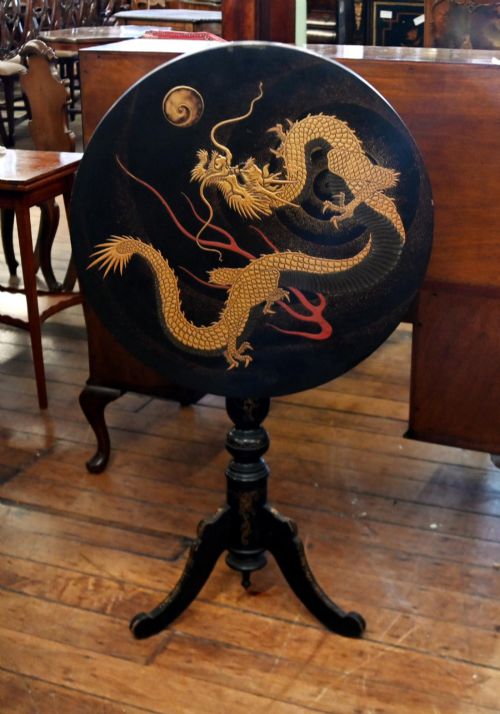
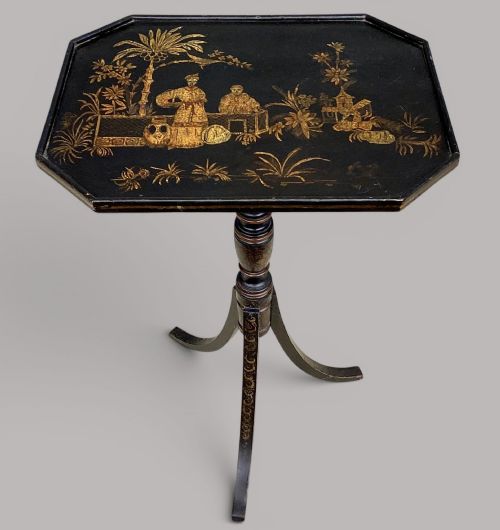
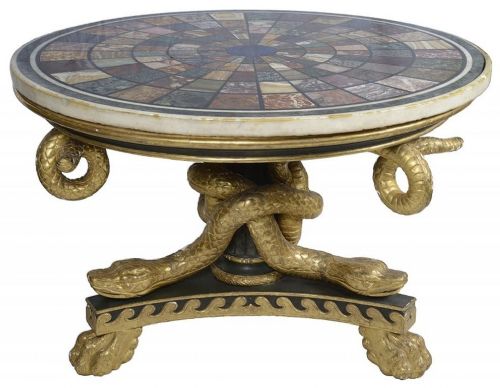
The selection on this page demonstrates various forms including ebonised stands, lacquered columns and parcel gilt supports. Makers utilised dark finishes contrasted with metallic highlights across different styles such as Chinoiserie, Aesthetic Movement and French Napoleon III. Each piece provides a solid platform intended to draw the eye upwards and frame whatever sits atop it.
How they were made
Construction relies heavily on timber, including ebonised wood and ebony, which provides a dense and uniform dark base for decoration. Artisans applied paint, lacquer and gold leaf to create the characteristic contrasting palette seen across these items.
Many examples incorporate additional materials such as marble for tops, brass fittings and papier-mache to achieve specific textures and visual weight. Hand painting and parcel gilding techniques add fine detail to surfaces ranging from classical columns to occasional display tables.
Black and Gold Pedestals Retail Price Guide 2026
Typical asking prices for black and gold pedestals among the pieces listed under this phrase on Sellingantiques today, from the lower quarter to the upper quarter. They describe what is for sale here now, not the wider market.
Some nineteenth-century makers went to great lengths to make ordinary fruitwood look like solid ebony, proving that everyone loves a clever disguise.
What varies in quality
The standard of execution in the gilding and surface finish distinguishes simpler utility items from superior decorative pieces. Hand-applied gold leaf and detailed hand-painted lacquer work require a high degree of skill that elevates the overall presence of a stand.
Proportion and material selection also dictate the character of each piece, with solid marbles and dense ebonised timbers offering greater substance than lighter alternatives. The integration of structural elements like brass mounts and sturdy column shafts determines how well a stand supports heavy vases or sculpture.
George Merrifield
The Black and Gold Pedestals Glossary
- Ebonised wood
- Timber treated with stain, polish or paint to imitate expensive ebony. This dark finish forms the foundational black surface on many pedestals and tables.
- Parcel gilt
- A decorative technique where specific carved details, edges or motifs are partially highlighted with gold leaf or paint. It provides the contrasting gold elements against a dark background.
- Torchere
- A tall, slender stand designed specifically to hold a light source, candle or decorative urn. These forms provide considerable height for display purposes.
- Chinoiserie
- European interpretations of Chinese and East Asian artistic styles, often featuring lacquered surfaces and painted motifs in gold and black. This style appears frequently on Regency and later tables.
- Aesthetic Movement
- A late nineteenth-century design movement that emphasised visual beauty over narrative or moral function. Pieces from this period often employ striking black and gold contrasts.
Black and Gold Pedestals: Frequently Asked Questions
What were black and gold pedestals used for?
These pieces served primarily as elevated platforms for displaying decorative items such as urns, vases, sculptures and exotic plants within formal rooms. By raising objects to eye level, they allowed homeowners to showcase prized possessions and improve the balance of interior spaces.
In addition to plant stands and torcheres, similar dark and gilded surfaces appeared on chess tables, occasional tables and desks. Their dual role as functional furniture and decorative display pieces made them popular additions to drawing rooms and reception halls.
How do I style a pedestal at home?
Placing a pedestal in a corner or alongside a fireplace creates a distinct vertical accent that draws the eye upward. Pairing the dark surface with a contrasting object, such as a white marble vase, a bronze sculpture or trailing greenery, highlights the gilded details.
Because these stands command visual attention, they work best where surrounding furnishings do not compete for focus. Keeping the immediate area uncluttered allows the contrast between the black finish and gold highlights to stand out clearly.
How do I tell Regency pedestals apart from Victorian ones?
Regency pieces often draw on classical architectural forms, featuring crisp lines, neoclassical motifs and refined Chinoiserie lacquering influenced by earlier Georgian tastes. Their construction emphasises balance and proportion derived from ancient Greek and Roman design.
Victorian examples tend to be heavier and more ornate, incorporating diverse influences such as the Aesthetic Movement and Baroque Revival. They frequently employ denser ebonised timbers, elaborate papier-mache elements and bolder surface ornamentation.