



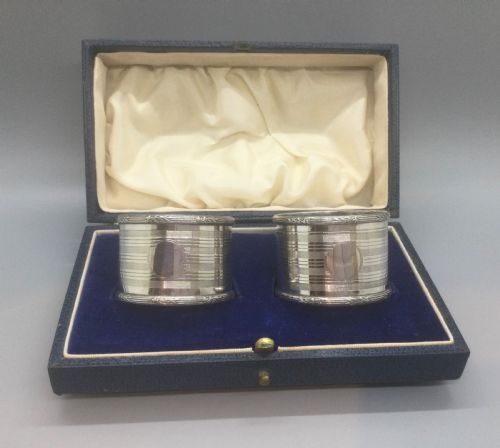

Birmingham Hallmark Silver Box
A birmingham hallmark silver box brings centuries of assay office heritage straight to the dressing table or desk.
Birmingham Hallmark Silver Box
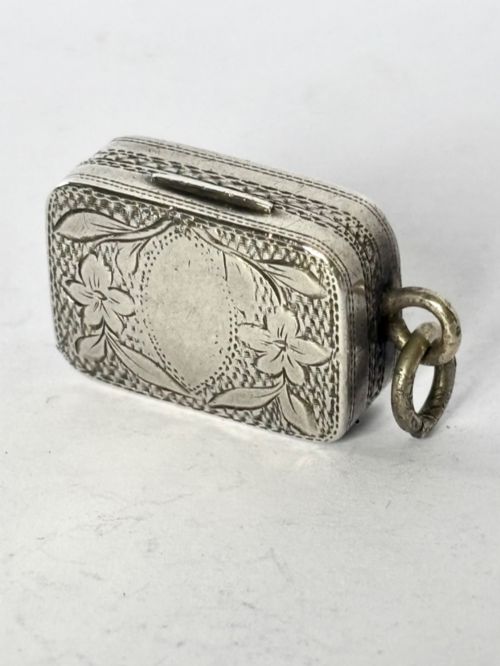
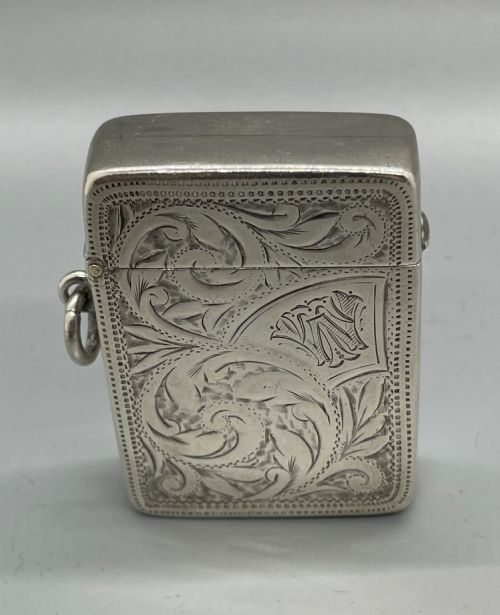
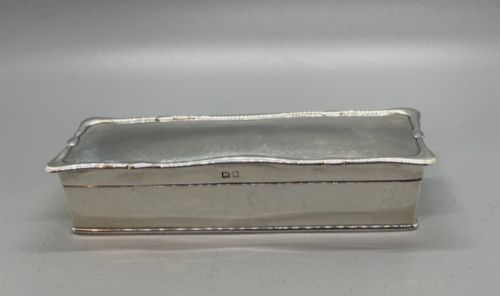
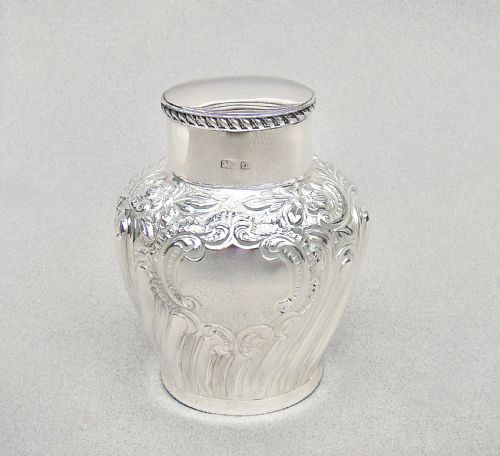
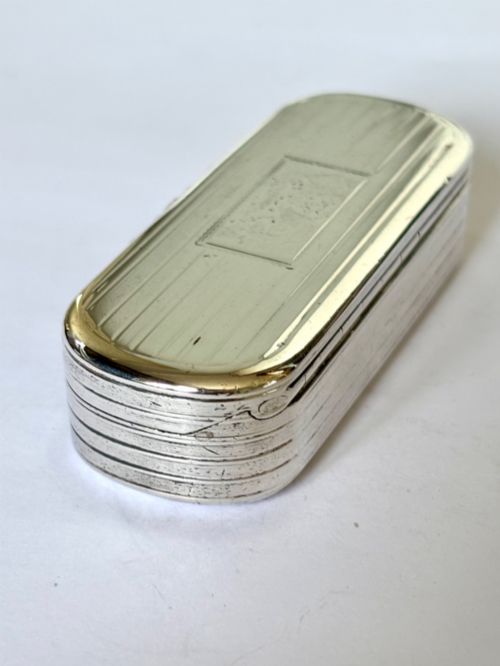
A birmingham hallmark silver box encompasses small desk accessories, vanity containers and pocket cases bearing the anchor mark of the Midlands assay office. The selection ranges from Georgian vinaigrettes and snuff containers to Victorian trinket receptacles and Edwardian tea caddies.
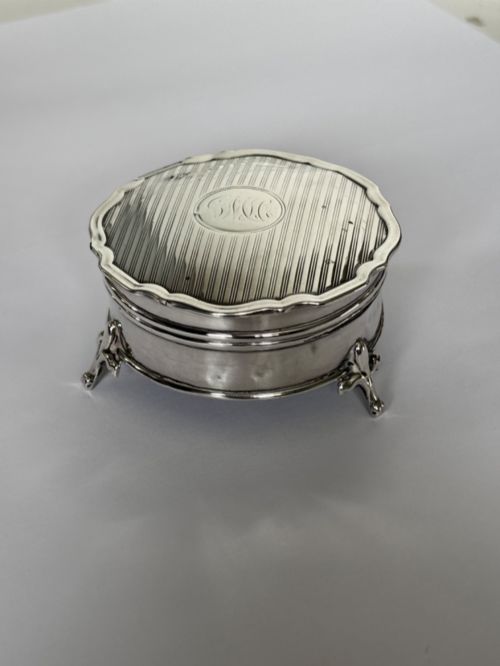
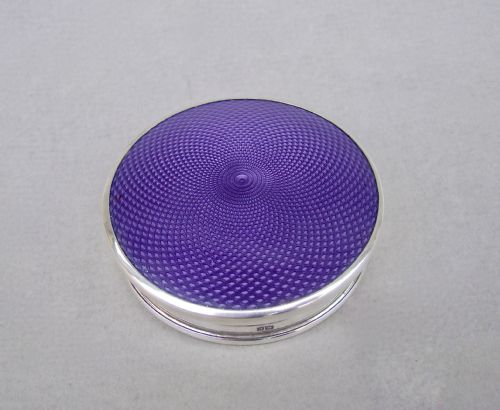
Buyers commonly encounter twentieth-century examples such as George V dressing table ring boxes and Art Deco compacts alongside nineteenth-century pieces. These items serve practical storage roles while displaying distinct period design shifts from ornate Victorian repoussé work to clean modernist lines.
Materials and Construction
Sterling silver forms the primary structural body of these pieces, frequently paired with internal linings of velvet, silk or satin to protect delicate contents. Artisans combined precious metal with contrasting elements including cranberry glass, tortoiseshell, shagreen and celluloid.
Silversmiths utilised techniques such as casting, stamping, gilding and engraving to shape the metal and apply surface decoration. Maker marks and date letters were then punched directly into the silver alongside the Birmingham anchor and standard lion passant.
Some nineteenth-century match boxes were shaped like miniature padlocks, proving that Victorians enjoyed a surprising amount of whimsy in their pockets.
Defining Quality
The standard of a birmingham hallmark silver box rests upon the crispness of its stamping, the structural integrity of its hinges and the snugness of its lid closure. Superior examples retain sharp detail in repoussé or engraved ornamentation without excessive thinning of the metal wall.
Interior fittings also distinguish finer items, particularly where original silk or velvet linings remain intact or where glass inserts fit precisely. The reputation of specific makers and the presence of special commemorative hallmarks further elevate the standing of a piece.
Samuel Pemberton·Thomas Hayes·Robert Thornton·George Unite·Adie & Lovekin Ltd·Levi & Salaman·Ernest Druiff & Co·Henry Williamson Ltd·Wilmot Manufacturing Co·C.T. Burrows & Sons·The Daniel Manufacturing Co·W Coulthard Ltd·S Blanckensee & Co Ltd·J Taylor·Thomas Shaw·Cotterell
The Birmingham Hallmark Silver Box Glossary
- Assay Office
- The official body responsible for testing the purity of precious metals and stamping them with statutory marks. The Birmingham office uses an anchor symbol.
- Vesta Case
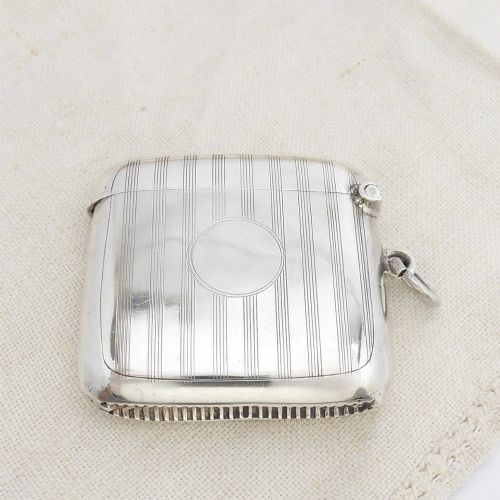
- A small pocket container specifically designed to hold matches and keep them dry. These often feature distinctive novelty shapes or engraved decoration.
- Vinaigrette
- A small ornamental box housing a perforated inner grille that held a sponge soaked in aromatic vinegar. Victorians carried these to neutralise unpleasant odours in public spaces.
- Repoussé
- A metalworking technique where the artisan hammers the design from the reverse side to form raised relief patterns on the front. This method typifies much nineteenth-century ornamentation.
- Silver-Gilt
- Sterling silver that has been coated with a thin layer of gold, often referred to as vermeil. This treatment protects the interior of boxes used for acidic substances like snuff or vinaigere.
Birmingham Hallmark Silver Box: Frequently Asked Questions
How do I read the Birmingham date letter?
Each assay year corresponds to a specific letter font and shield shape stamped alongside the anchor and maker mark. Reference tables match these combined characteristics to exact years of manufacture.
Note that uppercase and lowercase letters repeat in cycles, requiring attention to the surrounding cartouche outline to determine the correct decade.
Can I use these boxes for daily storage?
Sterling silver boxes work well for holding modern rings, cuff-links or small keepsakes on a daily basis. The soft metal benefits from gentle handling and occasional polishing with appropriate cloths.
Vintage velvet and silk linings require protection from moisture and sharp edges to preserve their original condition.
What caused the shift in box styles?
Design changes followed broader artistic movements, moving from ornate Victorian floral motifs into Edwardian elegance and subsequent Art Deco geometric patterns. Maker preferences and changing domestic habits also influenced the shift from pocket snuff boxes to dressing table trinket containers.
Mid-twentieth-century pieces increasingly adopted streamlined shapes with minimal surface embellishment.
Are all Birmingham silver pieces sterling standard?
British items bearing the lion passant indicate sterling silver purity of ninety-two point five percent. Some specialised pieces like vinaigrettes feature silver-gilt interiors while maintaining standard silver exterior walls.
Foreign imports hallmarked in Birmingham followed specific assay regulations distinct from standard domestic marks.