



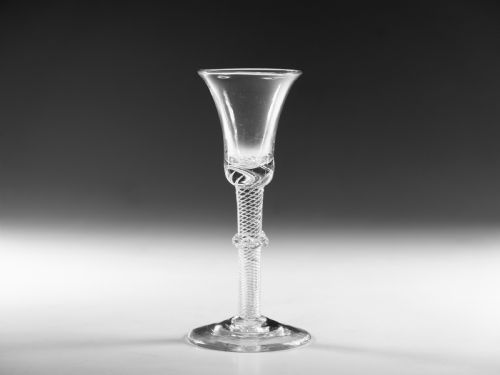
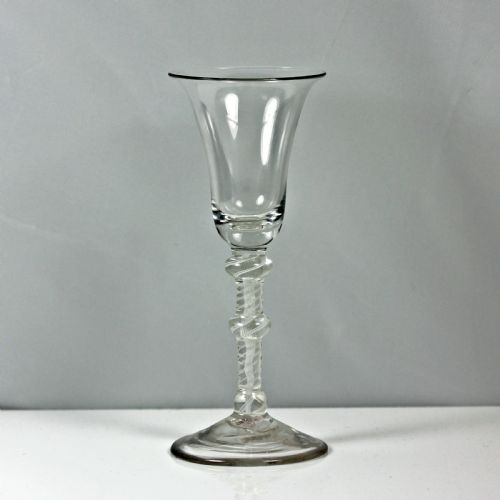
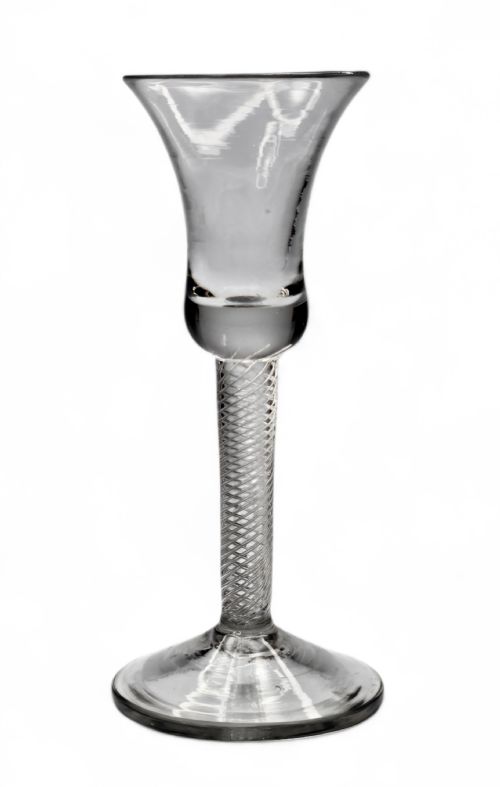


Bell Bowl Drinking Glass
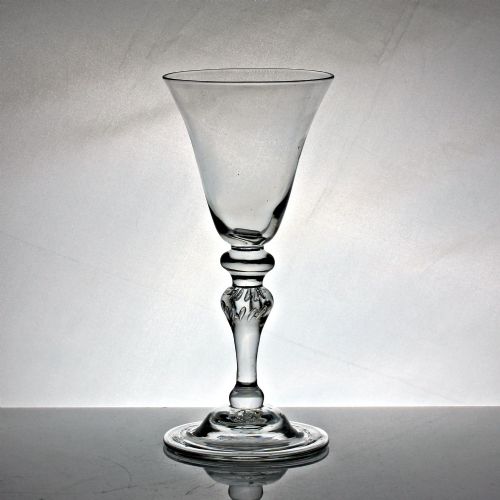
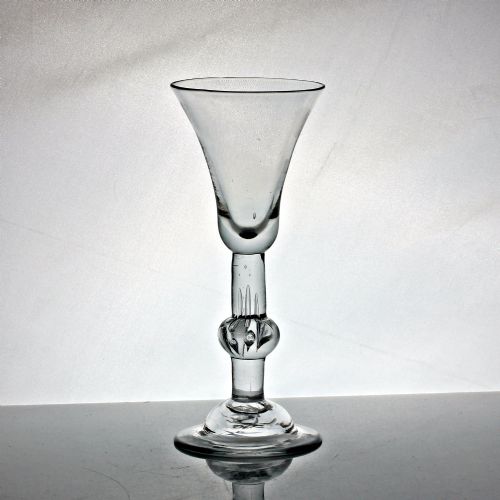
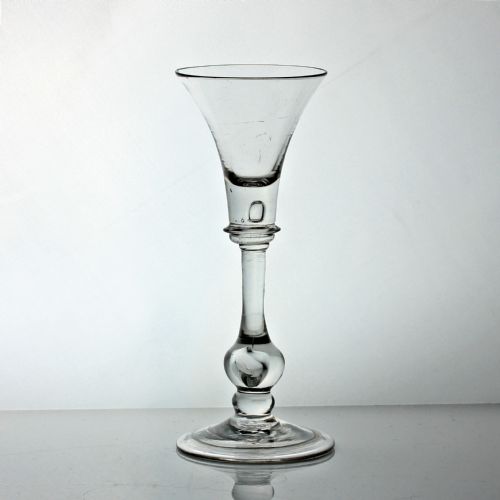
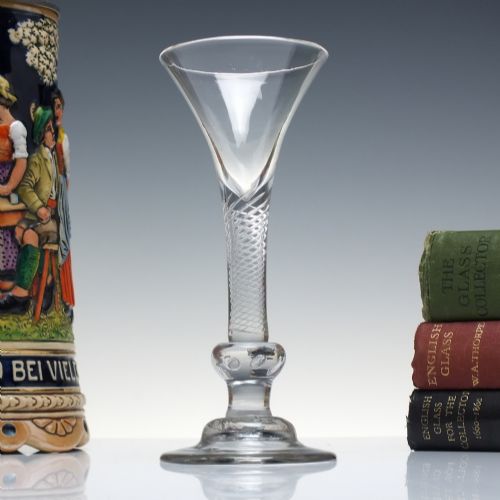
A bell bowl drinking glass is a classic Georgian drinking vessel defined by its distinct flared profile, offering a tactile connection to eighteenth-century dining tables.
Bell Bowl Drinking Glass
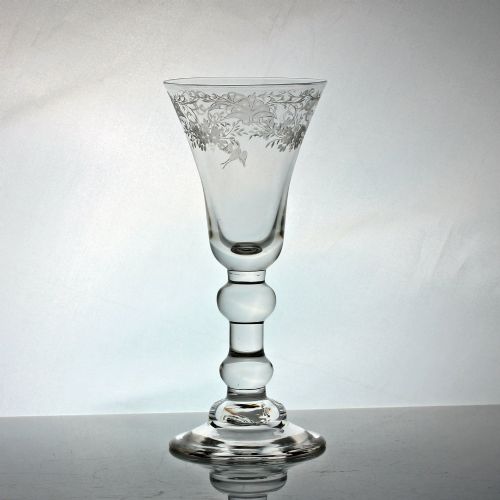
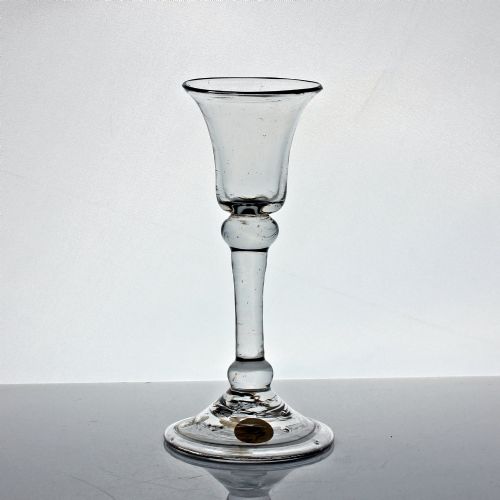
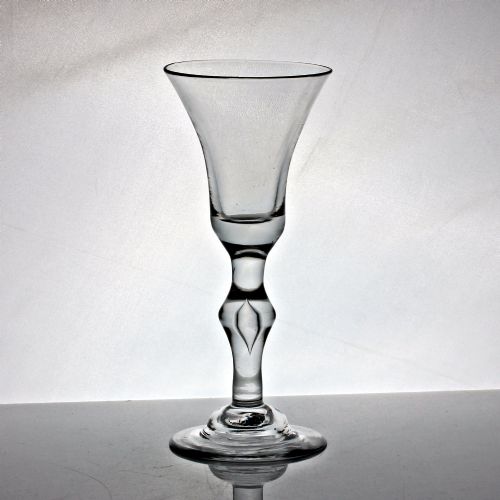
A bell bowl drinking glass is fundamentally a Georgian form, emerging predominantly across the eighteenth century in English tableware. When exploring this selection, buyers encounter various stem treatments supporting the characteristic bell-shaped bowl, from plain stems to intricate twists.
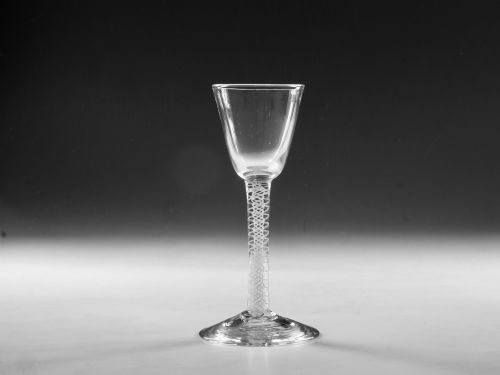
The versions most commonly met on this page include eighteenth-century wine glasses featuring air twists, opaque twists, and balustroid forms. These drinking vessels showcase the characteristic profile of the period, often finished with folded feet or domed bases.
How they were made
These drinking glasses rely primarily on lead glass and lead crystal, shaped through free-blowing techniques to achieve clarity and form. Glassmakers manipulated the molten material while hot, drawing out stems and applying distinct foot configurations.
Intricate internal patterns within the stems, such as multi-spiral air twists and opaque enamel threads, required sophisticated manipulation of air bubbles and white enamel canes during the manufacturing process.
Bell Bowl Drinking Glass Retail Price Guide 2026
Typical asking prices for bell bowl drinking glass among the pieces listed under this phrase on Sellingantiques today, from the lower quarter to the upper quarter. They describe what is for sale here now, not the wider market.
The selection demonstrates various stem configurations typical of Georgian glassware, including shoulder knops, domed feet, and composite forms.
What varies in quality
The distinction between average examples and superior pieces rests on the precision of the stem formation and the optical purity of the lead crystal. Master glassmakers achieved exceptional clarity and symmetry, whereas lesser examples display minor optical distortions or irregular proportions.
The Bell Bowl Drinking Glass Glossary
- Bell bowl
- A drinking glass bowl shaped like an inverted bell, curving outward smoothly toward the rim. This profile defines many eighteenth-century English wine glasses.
- Air twist
- A stem containing spiral threads of elongated air bubbles trapped within the glass. Makers produced this effect by drawing and twisting hot glass canes.
- Opaque twist
- A stem featuring internal threads of white enamel glass twisted into a spiral pattern. These contrasting strands create distinct single or double series designs.
- Composite stem
- A stem combining two or more distinct construction styles, such as an air twist section joined above a plain or knop section. These represent advanced glassmaking skill.
- Folded foot
- A glass foot where the outer rim is folded underneath to create a thickened, rounded edge. This technique added physical weight and stability to the base.
Bell Bowl Drinking Glass: Frequently Asked Questions
What is a bell bowl drinking glass?
A bell bowl drinking glass is an eighteenth-century English drinking vessel characterised by a bowl that flares outward toward the rim, reminiscent of an inverted bell.
These pieces typically date from the Georgian era and feature various decorative stem formations, including air twists, opaque twists, and baluster designs.
How do I identify a Georgian wine glass?
Identifying a Georgian wine glass involves examining the metal weight, manufacturing characteristics, and stem construction. Eighteenth-century pieces frequently display pontil marks on the base and distinct material properties associated with early lead glass.
Form variations such as folded feet, balustroid stems, and internal air or enamel twists help distinguish these historical drinking vessels from later reproductions.
What is an air twist stem?
An air twist stem is a decorative feature found on eighteenth-century drinking glasses where spiral ribbons of tiny air bubbles run down the length of the stem.
Glassmakers created these patterns by manipulating air entrapments within the molten glass before drawing and twisting the stem into shape.
How were these glasses used originally?
These drinking glasses served primarily for consuming wine during formal dining and social occasions in eighteenth-century households.
Their smaller capacities compared to modern glassware reflect the different drinking habits and social rituals of the Georgian period.
Can I use antique wine glasses today?
Using antique wine glasses for dining is entirely possible, provided they receive careful handling and gentle hand washing.
Many collectors prefer to enjoy the tactile history of these pieces by using them occasionally for special toasts or quiet evenings.