





Beech Wood Dining Chairs
These beech wood dining chairs bring sturdy vernacular and bistro forms to the table, offering a practical seating solution rooted in historic craftsmanship.
Beech Wood Dining Chairs
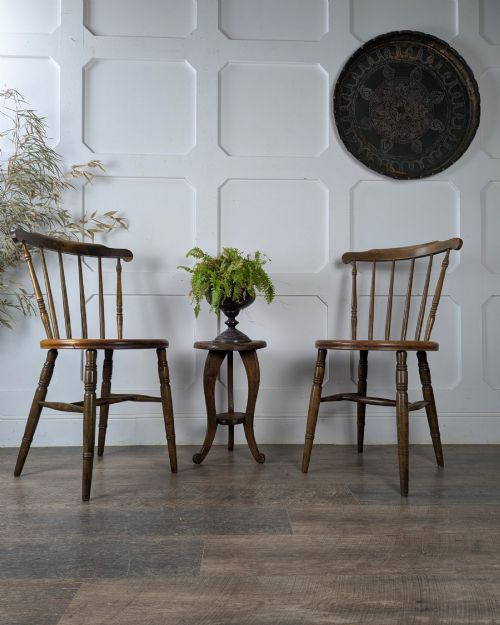
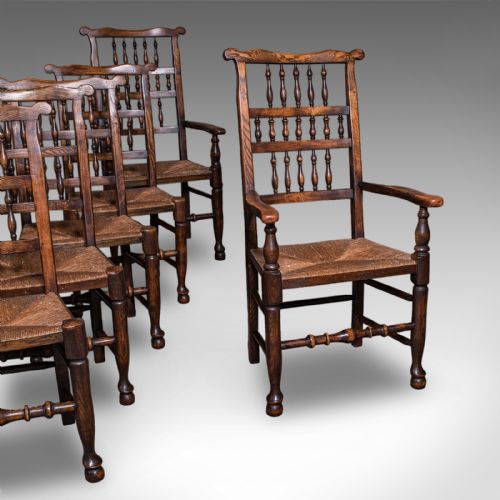
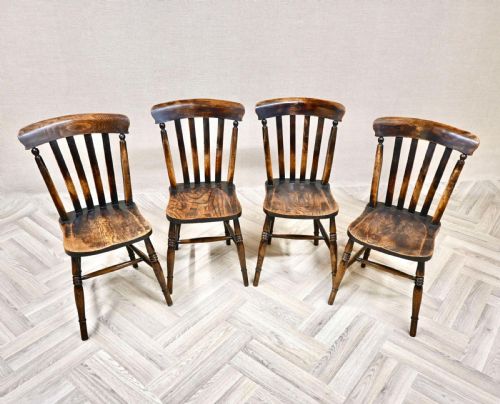
When buyers search for beech wood dining chairs, they encounter a diverse range of forms spanning from nineteenth-century country kitchen seats to mid-century bistro designs. The selection frequently includes side chairs and carvers, with sets varying from pairs up to ten pieces.
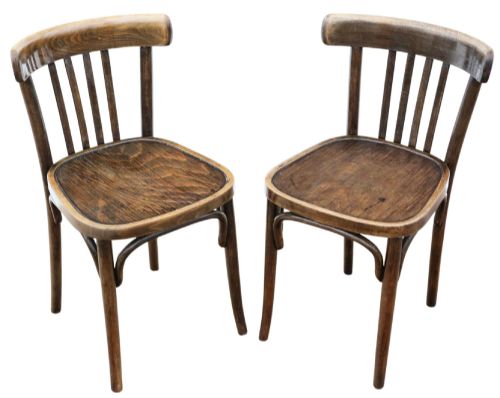
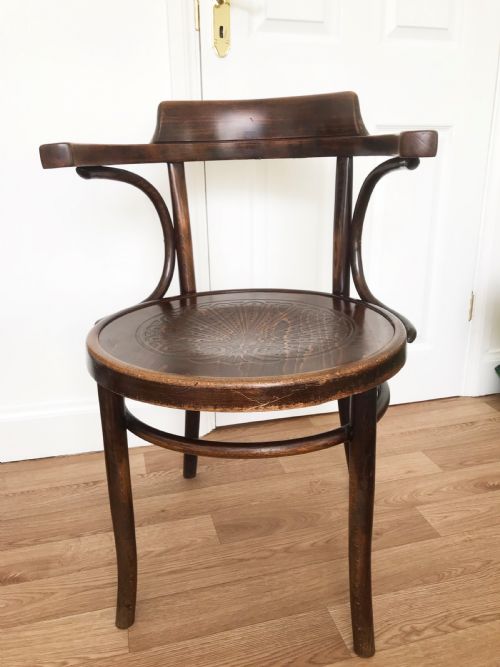
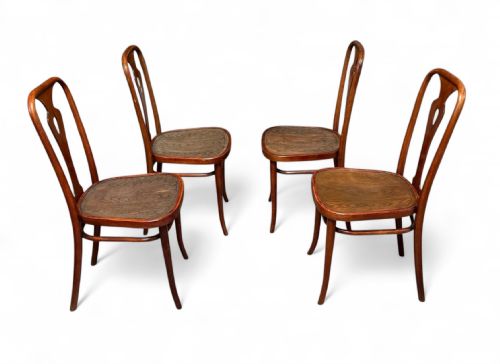
Edwardian vernacular styles and Thonet bentwood pieces dominate the available offerings, reflecting both domestic British country traditions and continental cafe manufacturing. Buyers frequently find matching sets of four or six alongside individual carver armchairs.
The historical spread extends from seventeenth-century carved seating through Regency bamboo-effect and Victorian bar-back designs up to nineteen-sixties bentwood. This broad chronological span ensures that multiple regional and stylistic interpretations of the timber are accessible.
Materials and Construction
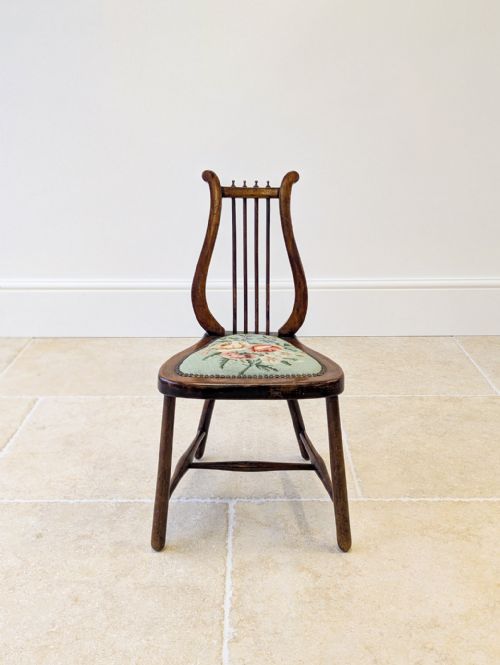
Makers utilised beech primarily for its dense, even grain and bending capabilities, frequently pairing it with elm for solid seats and ash for turned spindles. Rush, plywood, fabric, and tapestry were incorporated for seating pads, depending on whether the piece was intended for a rustic kitchen or a formal dining room.
Steam-bending techniques defined the manufacturing process for bentwood and bistro forms, allowing timber to be shaped into curved backs and hoops without joints. Traditional joinery relied on turning, steam-press carving, and pegging to assemble country Windsor, lath-back, and wheelback frameworks.
Surface treatments ranged from natural wax finishes highlighting the pale timber to stained beech mimicking more expensive materials such as rosewood or bamboo. This versatility in finishing allowed manufacturers to produce everything from unpretentious farmhouse seating to simulated luxury furniture.
Some nineteenth-century beech chairs secretly impersonate exotic bamboo or costly rosewood through clever staining and turning.
Evaluating the Craft
Quality rests upon the integrity of the timber joints and the retention of structural rigidity across steam-bent components. Pieces that maintain tight frame joints without excessive movement through decades of use demonstrate superior initial construction.
The refinement of carved details, such as the crispness of a splat back or the definition in a lion and rose motif, separates standard utility seating from finer workshop productions. Thonet and associated bentwood pieces derive their distinction from the precision of their steam-pressed curves.
Matching consistency within a set dictates desirability, particularly when dealing with larger dining groups assembled from kitchen or bistro environments. Original upholstery webbing and intact rush or cane work further elevate the standing of a historic chair.
Thonet·Dinco·Codina·Fischel·Morris & Co·Philip Webb
The Beech Wood Dining Chairs Glossary
- Bentwood
- Wood shaped by heating and steaming it until pliable, allowing manufacturers to create sweeping curves for chair backs and frames. This technique revolutionised cafe and bistro seating in the nineteenth century.
- Carver
- An armchair designed with armrests, traditionally placed at the head of a dining table and accompanied by matching side chairs. These often feature matching turned or splat-back designs.
- Side chair
- An upright chair without armrests, built specifically for placement around a dining table. They form the majority of seating in larger antique sets.
- Wheelback
- A vernacular chair style featuring a carved wheel motif incorporated into the central splat of the wooden back. This design is common in nineteenth-century country kitchen seating.
- Bistro chair
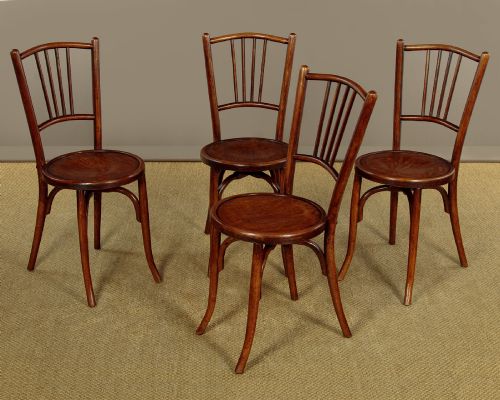
- A lightweight, durable chair designed for commercial cafe use, typically constructed using bentwood techniques. These pieces often feature circular wooden seats and hoop backs.
Beech Wood Dining Chairs: Frequently Asked Questions
How do I care for antique beech chairs?
Clean the timber gently using a dry cloth or a slightly damp cloth with mild soap, avoiding harsh chemical sprays that strip historic finishes. Feed the wood occasionally with a traditional beeswax to maintain moisture and prevent splitting.
Keep the chairs away from direct heat sources and drastic temperature shifts, which cause the natural timber to dry out and joints to loosen over time.
Were beech chairs used in kitchens?
Beech was a primary choice for kitchen and country dining chairs due to its abundance, shock resistance, and hard-wearing nature. Elm and ash were frequently combined with the beech frames to handle heavy daily domestic use.
These utilitarian seats ranged from simple lath-backs to wheelback carvers, built to withstand generations of family meals in farmhouses and cottages.
How do I identify a Thonet chair?
Thonet bentwood chairs are recognised by their smooth, continuous curved wooden components that eliminate heavy traditional joinery. They typically feature lightweight frames with circular seats and steam-bent hoop backs.
Many examples carry stamped manufacturer marks or paper labels underneath the seat base, confirming their origins in the nineteenth or early twentieth century.
What is the difference between a carver and a side chair?
A carver includes armrests built into the frame, designed historically for the head of the dining table where the host would carve meat. Side chairs lack arms, allowing them to tuck neatly beneath dining tables in greater numbers.
Antique dining sets commonly paired two carvers with several side chairs to complete a functional seating arrangement.