



Baroque Wooden Figure
A baroque wooden figure brings intense drama and devotional presence into a room, carved from oak, limewood or olive wood with centuries of history.
Baroque Wooden Figure
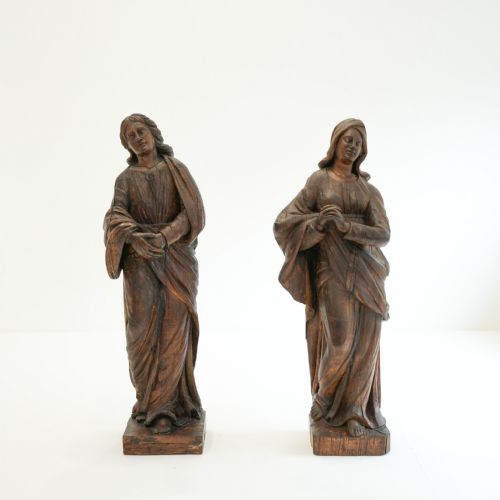
When searching for a baroque wooden figure, a buyer encounters centuries of ecclesiastical and secular sculpture spanning the seventeenth, eighteenth and nineteenth centuries. These pieces originate from Italian, Spanish, German, Flemish and wider continental workshops, taking the form of saints, cherubs, angels, caryatids and religious figures.
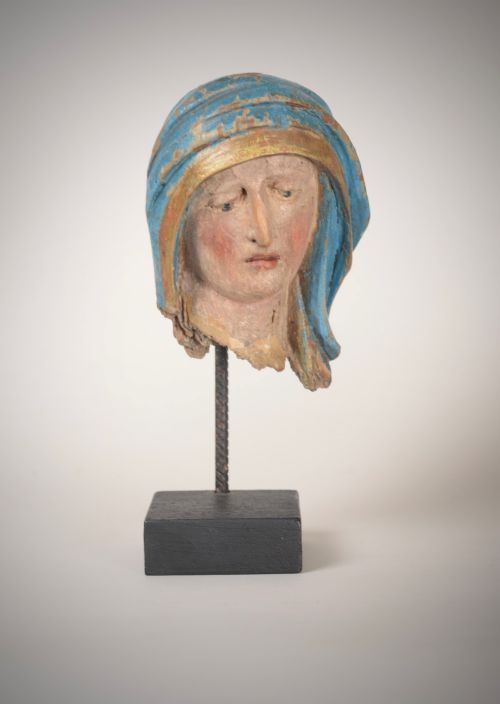
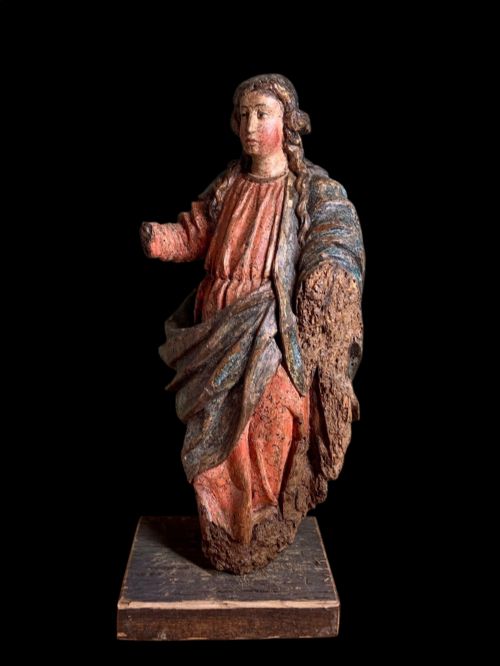
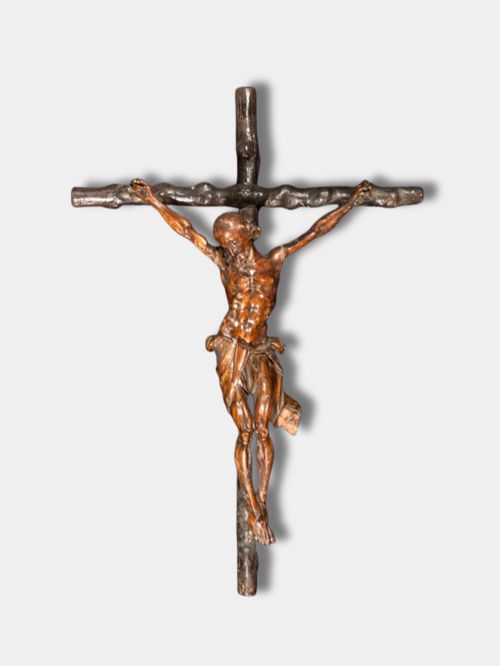
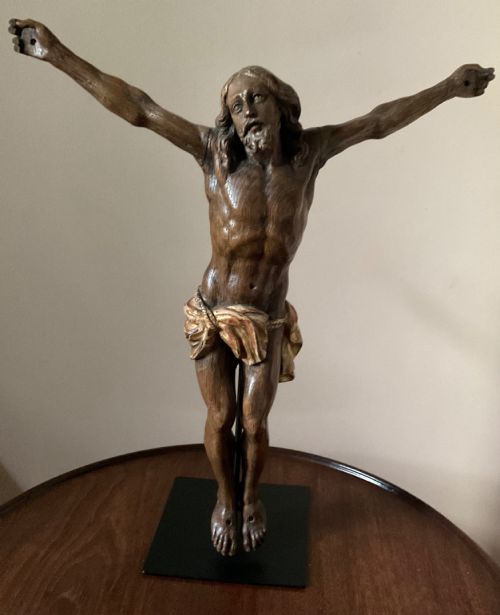
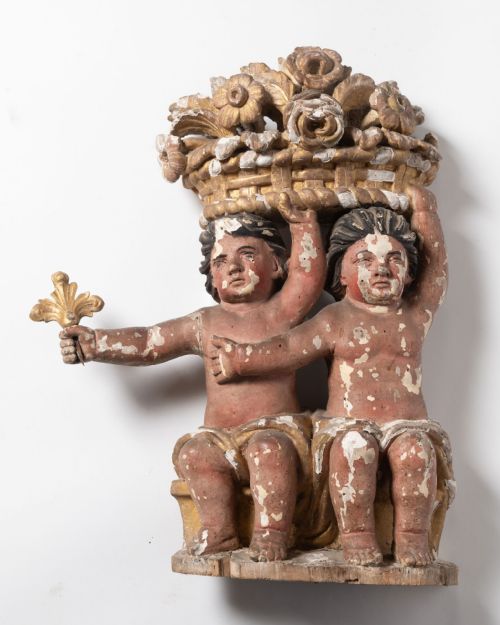
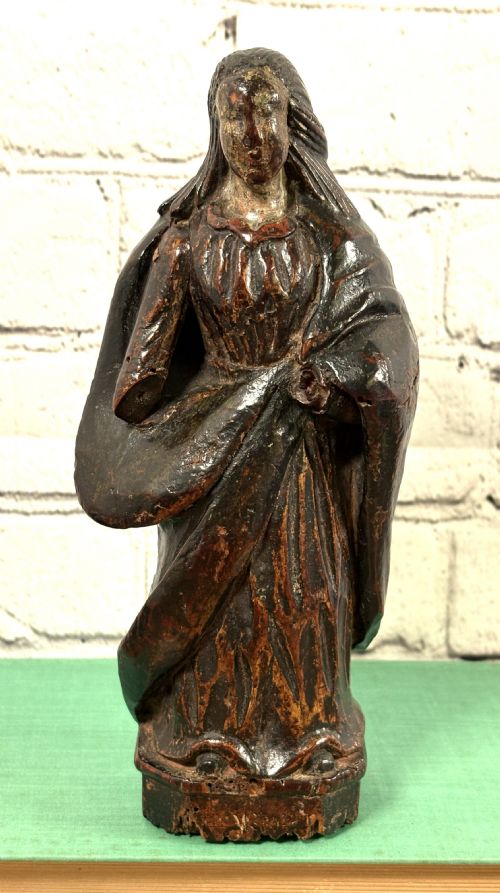
The version most commonly met on this page is the seventeenth or eighteenth-century carved saint, corpus Christi or putto, often showing traces of original polychrome paint, silvering or gold leaf.
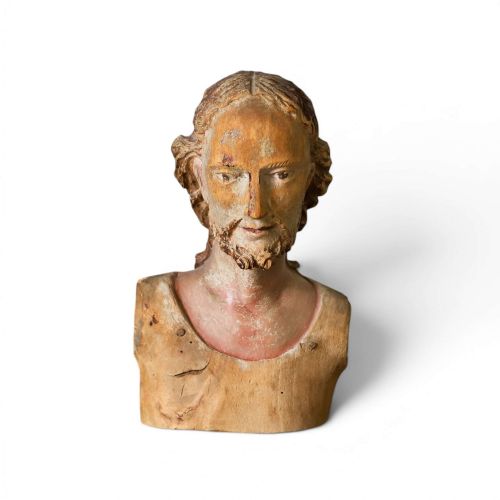
Forms range from small devotional busts and boxwood carvings to life-size Continental statues and wall sculptures intended for altars, chapels and grand interiors.
How they were made
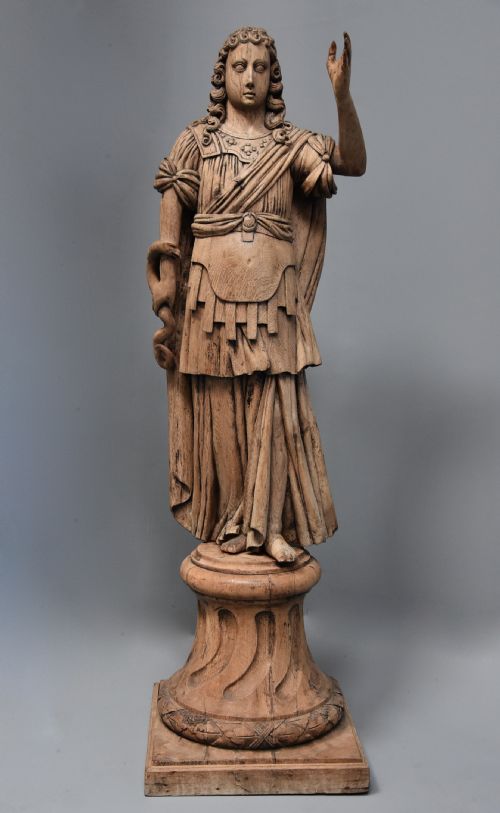
Carvers shaped these sculptures from dense hardwoods such as oak, applewood, boxwood, limewood, lindenwood and olive wood using precise hand chisels and gouges to achieve deep folds and expressive anatomical detail.
Many surfaces received a preparatory layer of gesso before being finished with polychrome paint, silver leaf or gold leaf to create rich, light-reflecting textures.
Workmanship combined timber selection with layered surface treatments, allowing wood to be paired with ivory in specialised German regional pieces.
Listings feature carved wood, gesso, gold leaf and polychrome paint across seventeenth, eighteenth and nineteenth-century periods.
What varies in quality
The distinction between ordinary and exceptional carving lies in the vitality of the posture and the depth of the undercut drapery, where master sculptors achieved a sense of movement in stationary timber.
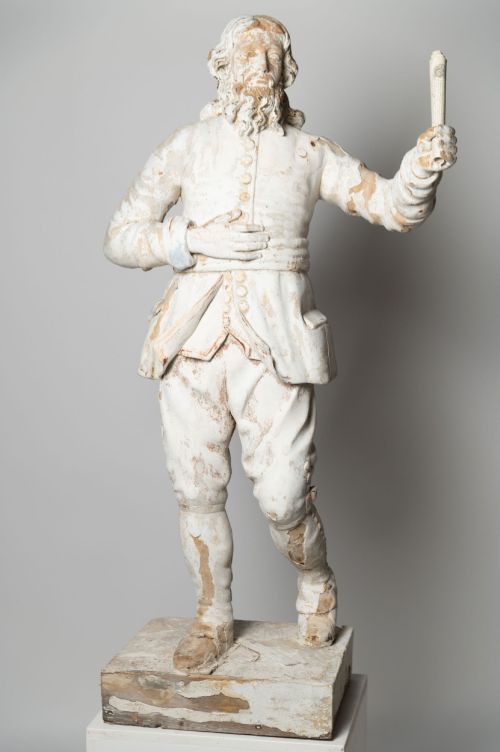
Survival of the original surface finish, whether polychrome pigment or gilding, governs the integrity of the piece compared to later overpainting or stripped timber.
Anatomical proportion and the expressive power of the carved face separate provincial workshop output from the finest ecclesiastical commissions.
Simon Troger
The Baroque Wooden Figure Glossary
- Polychrome paint
- Multi-coloured decoration applied to wooden sculpture. This finish frequently survives in fragments that reveal the original palette of the period.
- Gesso
- A plaster mixture applied to wood as a smooth base for gilding or painting. It seals the timber grain before the application of gold leaf.
- Corpus Christi
- A representation of Jesus on the cross. These wooden carvings range from small domestic pieces to large church items.
- Putto
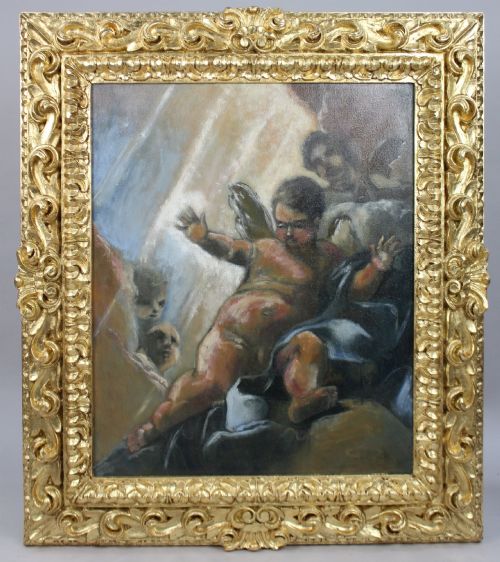
- A figure of a small winged infant, common in baroque art. They appear frequently as cherubs or angels kneeling on clouds.
- Caryatid
- A sculpted female figure serving as an architectural support. These wooden architectural elements often appear with folded arms.
Baroque Wooden Figure: Frequently Asked Questions
What is a baroque wooden figure?
A baroque wooden figure is a hand-carved sculpture originating primarily from seventeenth and eighteenth-century European workshops, depicting religious subjects, angels or allegorical characters.
These pieces were typically carved from limewood, oak or boxwood and often finished with gesso, polychrome paint or gold leaf to enhance their dramatic visual impact.
How were these figures used originally?
These sculptures served primarily religious functions in churches, private chapels and domestic altars, aiding in devotion and prayer.
Some pieces functioned as architectural supports, candelabra figures or decorative elements within grand European interiors and ecclesiastical settings.
How do I live with a wooden sculpture?
Living with these pieces involves placing them away from direct heat sources and sudden humidity changes to protect the aged timber and delicate surface finishes.
Wall sculptures and freestanding figures benefit from stable indoor environments that preserve fragile gesso, gold leaf and original polychrome pigments.
How can I tell periods apart?
Seventeenth-century pieces often display intense emotional drama and robust tooling marks, whereas eighteenth-century figures frequently lean towards ornate decorative flourishes and delicate cherubic forms.
Nineteenth-century revival works often copy earlier styles but can be identified by tool techniques, timber conditioning and the specific ageing of the underlying gesso.