


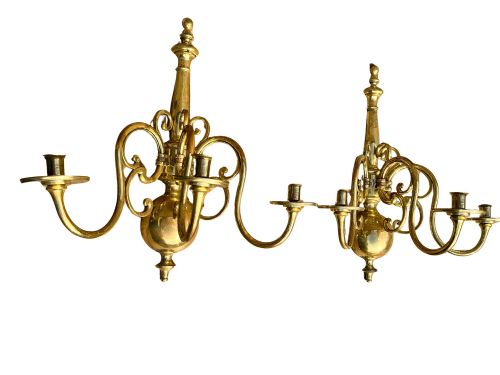


Baroque Wall Sconces
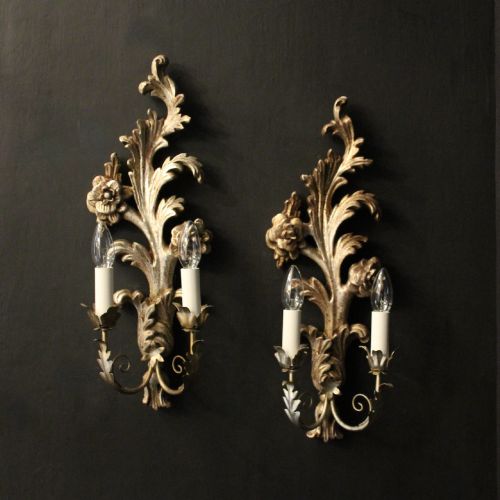
Baroque wall sconces bring dramatic architectural presence and candlelight warmth to a room through ornate carved wooden and gilded metal forms.
Baroque Wall Sconces
Baroque wall sconces encompass elaborate wall lights, brackets, girandole mirrors, and hanging lanterns designed to project illumination across a panelled room. The pieces found here span centuries of production, from authentic seventeenth-century survivals to nineteenth-century revivals and twentieth-century interpretations.
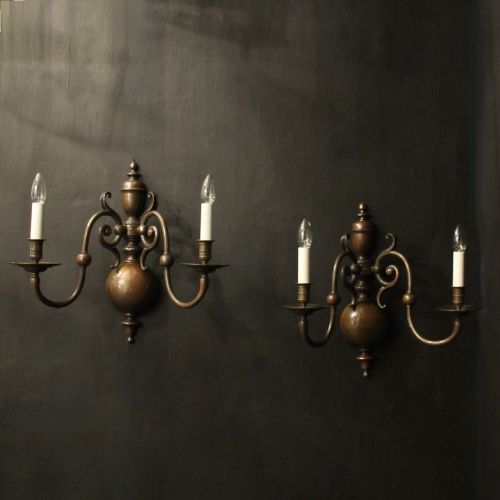
Italian workshops and French makers dominate the selection, frequently channelling Florentine, Louis XIV, and rococo aesthetics. Pairs appear often, configured with single, twin, or triple arms for candles and later wired for electricity.
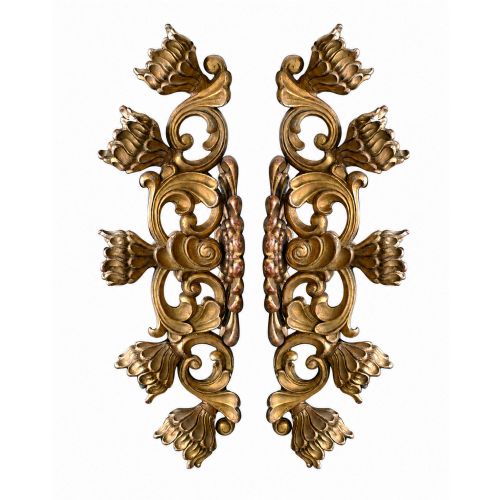
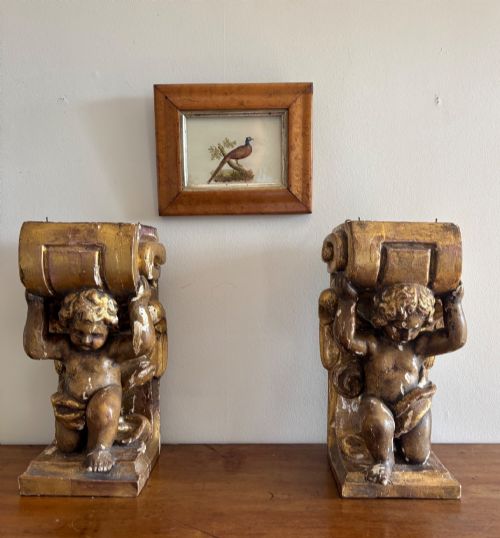
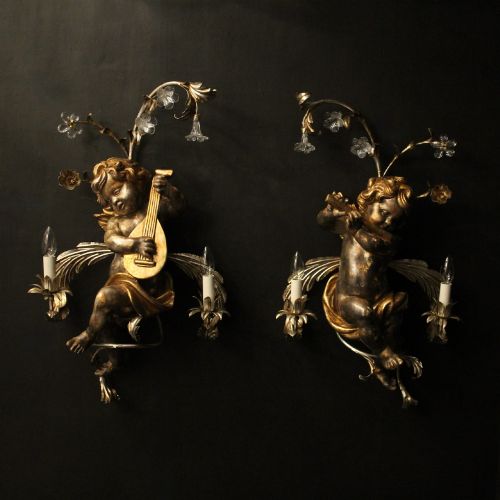
Forms range from simple carved wooden brackets to large gilded bronze and crystal sconces adorned with cherubs and floral motifs. Buyers encounter regional variations that display local carving traditions alongside grand court styles.
Materials and construction
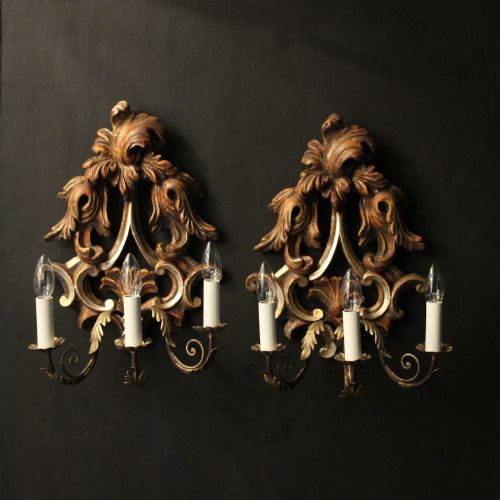
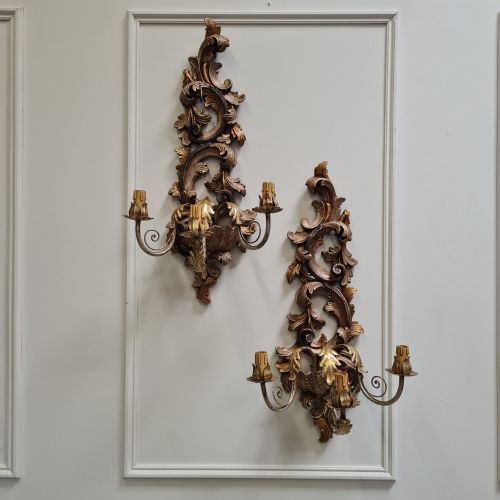
Carved wood provides the structural foundation for many examples, finished with gesso and layers of gold leaf or silver leaf to catch the flickering candle light. Artisans shaped timber into volumetric scrolls and figures before applying precious metal leaf by hand.
Metal alternatives utilise cast bronze, brass, and gilt metal, often forming intricate arms and bripets that hold the illumination. Skilled founders chased the cast metal surfaces to achieve crisp detail on cherubs and acanthus leaves.
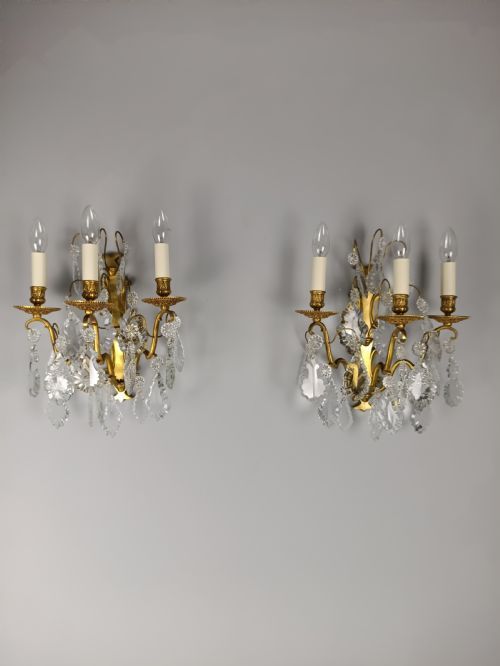
Selected pieces incorporate glass elements such as Murano drops or crystal pendants, complementing the reflective qualities of gilded wood and painted polychrome finishes.
Baroque Wall Sconces Retail Price Guide 2026
Typical asking prices for baroque wall sconces among the pieces listed under this phrase on Sellingantiques today, from the lower quarter to the upper quarter. They describe what is for sale here now, not the wider market.
The listings span periods from the seventeenth century through to the early twentieth century, showing sustained demand for ornate wall lighting.
Qualities of distinction
Depth and precision of the hand-carving separate standard production from superior examples, particularly in the rendering of cherubs, drapery, and acanthus foliage. Sharp undercut details show the hand of a confident artisan rather than a hasty workshop.
The integrity of the original giltwood or polychrome surface determines much of the visual impact, where subtle patination accumulates over time. Original gilding over gesso holds a warm, deep tone that modern replacements struggle to replicate.
Weight and structural balance reflect the quality of the casting in bronze or brass sconces, alongside the harmonious proportion of the arms relative to the backplate.
The Baroque Wall Sconces Glossary
- Giltwood
- Wood that has been coated with a thin layer of gold leaf. This finish creates a luminous surface that reflects candle and natural light.
- Gesso
- A plaster-like mixture applied to wood surfaces as a smooth base for gilding or painting. It allows carvers to achieve sharp details before applying gold leaf.
- Girandole
- A branched wall light or sconce fitted with a looking glass or mirror. The reflective glass multiplies the illumination of the candles.
- Polychrome
- Decorated in multiple colours. Artisans applied paints to wooden carvings to create lifelike figures and floral details.
- Appliqué
- A French term often used interchangeably with wall sconce or wall light. It refers to decorative light fittings mounted directly to a vertical surface.
Baroque Wall Sconces: Frequently Asked Questions
How do I wire old sconces?
Many antique wall lights arrive with old wiring or require conversion to meet modern safety standards. A qualified electrician can safely thread new internal cables through the arms without damaging the historic structure.
Position the sconces at eye level or slightly above to ensure optimal light distribution and to highlight the carved details effectively.
Are these pieces French or Italian?
The listings feature strong representations from both Italian workshops, particularly Florence, and French makers working in the Louis XIV manner. Italian pieces frequently showcase carved wood with giltwood or polychrome finishes, whilst French examples lean towards cast bronze and brass.
Examining the underlying material and the style of the carving helps determine the likely regional origin.
How do I clean gilded wood?
Dust the surface gently using a soft dry brush or feather duster to prevent abrasive particles from scratching the delicate gold leaf. Avoid liquid cleaners and chemical solvents, which can strip away the historic gesso and gilding.
Maintain a stable room humidity to protect the underlying timber from warping or cracking over time.
What period are these from?
The selection includes authentic seventeenth-century examples alongside nineteenth-century revival pieces and early twentieth-century interpretations. Makers across later periods frequently recreated the grand proportions and dynamic forms of the seventeenth and eighteenth centuries.
Dates range from the seventeenth century through the Victorian era and into the twentieth century, reflecting enduring design tastes.