




Baroque Table Cabinet
A baroque table cabinet is a portable architectural storehouse of the seventeenth or eighteenth century, built to house precious objects and papers.
Baroque Table Cabinet
A baroque table cabinet is a compact desk or box designed to sit upon a table, stand or chest rather than rest directly on the floor. These pieces span the seventeenth and eighteenth centuries, with additional continental examples appearing from around eighteen hundred and the nineteenth century.
The forms on this page include table top escritosires, jewelery cabinets, table caskets and pedestal cupboards, alongside related console tables and dressing tables. Regional variations encompass Flemish, Italian Tuscan, Venetian, Spanish and Dutch stylistic influences.
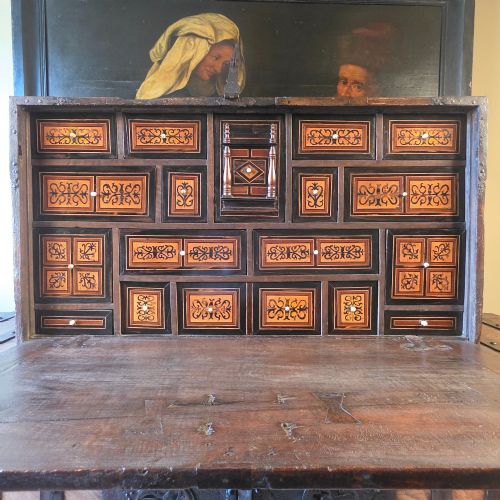
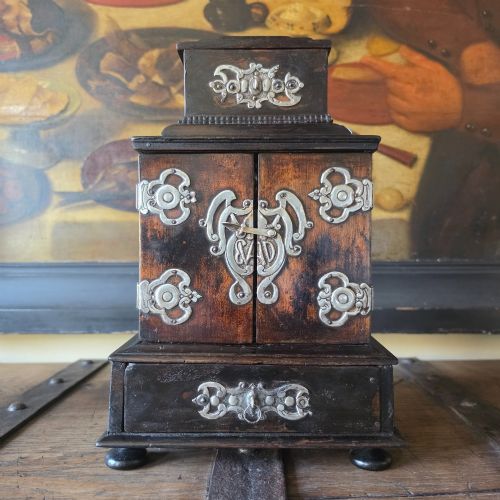
Makers constructed these storage pieces using durable timbers such as walnut, ebony, fruitwood and ebonised wood, frequently decorated with intricate bone inlay, parquetry or marquetry. Iron and brass fittings provide structural strength and functional security for the internal drawers.
Materials and construction methods
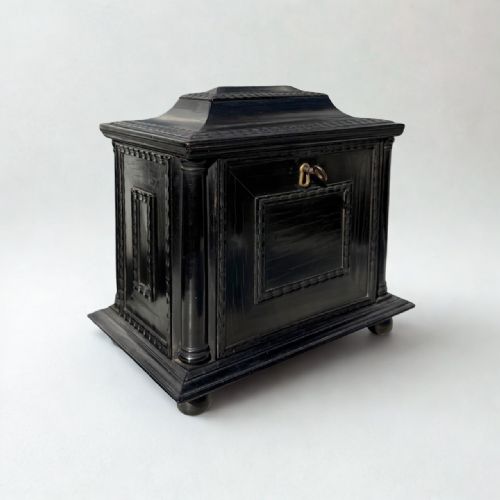
Cabinet makers utilised dense hardwoods like ebony, walnut and fruitwood as the primary structural foundation for these portable chests. Surfaces were often ebonised or veneered in kingwood and walnut to create a rich, dark backdrop.
Craftsmen enriched the exterior and interior facades through bone inlay, parquetry and delicate marquetry patterns. Brass and iron hinges, lock plates and drop handles were fitted to secure the numerous internal compartments.
Some seventeenth-century Flemish caskets hide secret compartments behind revolving architectural tabernacles, built to outwit curious guests.
Assessing quality in early cabinets
Quality rests in the precision of the parquetry, bone inlay and marquetry work, where tight joints and balanced geometric patterns indicate superior craftsmanship. The choice of dense timbers like ebony or figured walnut over plain fruitwood elevates the standing of a piece.
The sophistication of the internal architecture distinguishes finer examples, particularly those featuring revolving tabernacles or numerous concealed drawers. Robust iron and brass hardware that integrates cleanly into the overall design further separates standard boxes from masterworks.
The Baroque Table Cabinet Glossary
- Table cabinet
- A portable small-scale storage chest designed to sit upon a table or desk. These compact units typically contain multiple internal drawers for valuables.
- Parquetry
- A geometric mosaic of wood veneers arranged in repeating patterns on a surface. Craftsmen used this technique to decorate cabinet doors and drawer fronts.
- Ebonised wood
- Timber treated with a dark stain or finish to imitate expensive solid ebony. This dark surface provided high contrast for bone inlay and brass mounts.
- Escritoire
- A small writing cabinet fitted with a sloping lid or fall front. Interiors of these pieces contain small pigeonholes and secret drawers for correspondence.
- Tabernacle
- A central architectural niche or architectural compartment within a cabinet interior. In more complex pieces, this section can revolve to reveal hidden storage.
Baroque Table Cabinet: Frequently Asked Questions
What is a baroque table cabinet?
A baroque table cabinet is a portable tabletop storage piece originating primarily from the seventeenth and eighteenth centuries. These pieces were designed to secure jewellery, documents and small precious items.
They combine architectural facades with multiple internal drawers and compartments. Regional styles range from Flemish ebony caskets to Italian walnut cupboards and Spanish tortoiseshell examples.
Where were table cabinets placed?
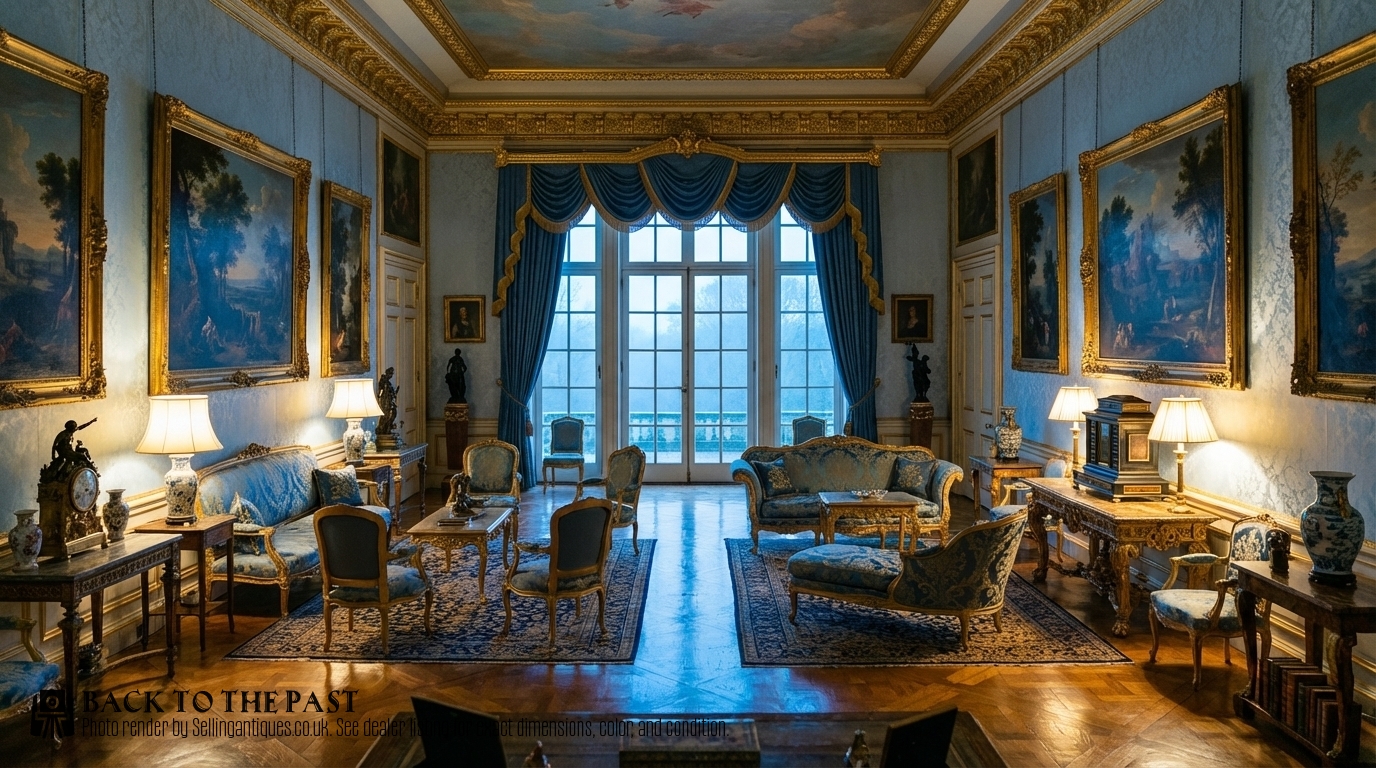
These cabinets were built to sit atop existing furniture rather than stand independently on the floor. Owners placed them on heavy tables, sideboards, chests or dedicated stands.
Because they were portable, they could be moved between private chambers and public reception rooms as needed.
How do I date an antique cabinet?
Dating relies on examining the timber species, construction techniques and stylistic decorative motifs. Seventeenth-century examples often utilise heavy ebony and walnut, while eighteenth-century pieces frequently feature intricate marquetry and parquetry.
Hardware styles, such as iron locks and brass drop handles, also provide reliable clues to the period of manufacture.