
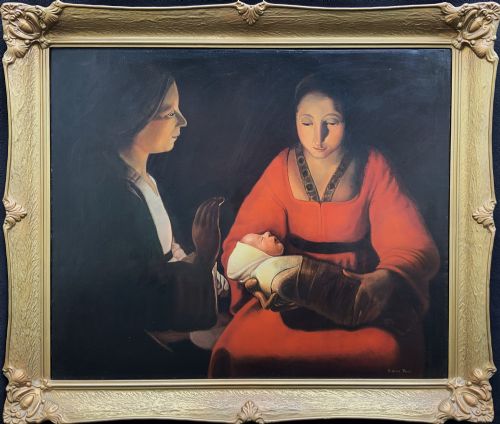
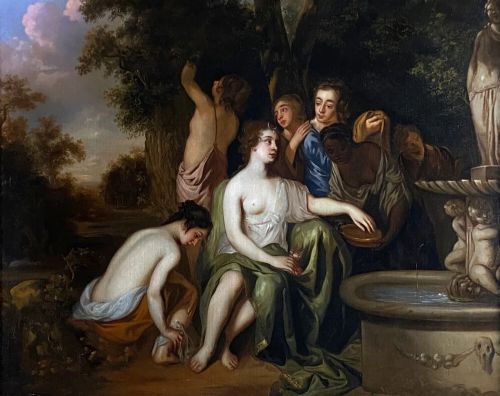

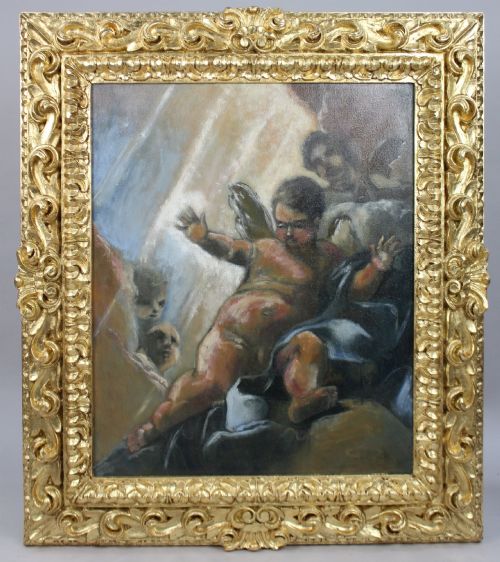
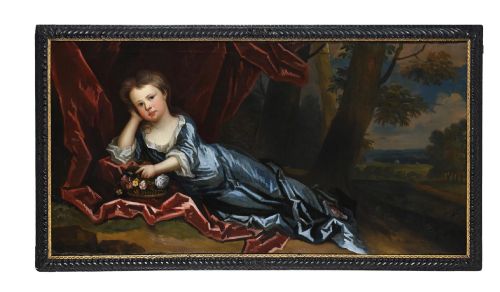
Baroque Style Wall Art
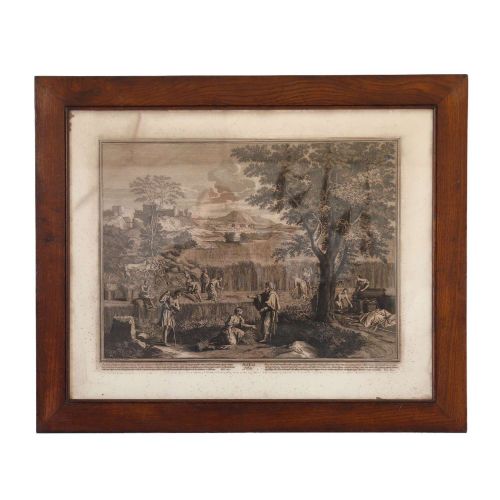
Baroque style wall art brings intense drama and rich narrative to a room through centuries-old oil paintings, detailed engravings, and carved frames.
Baroque Style Wall Art
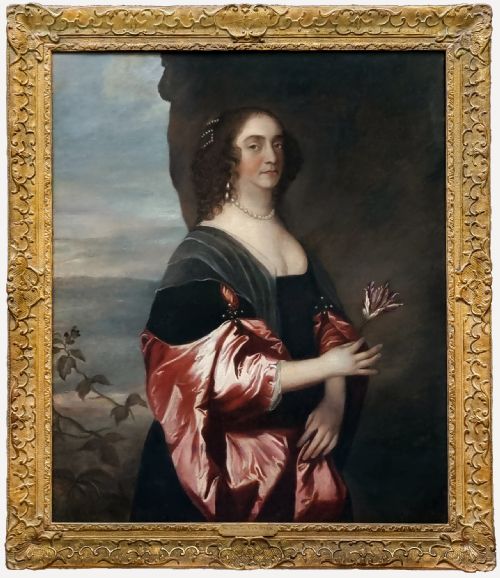
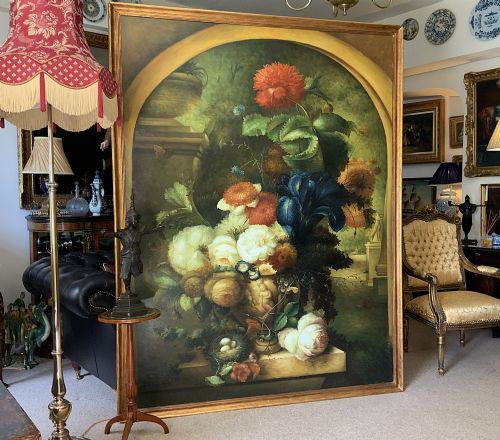
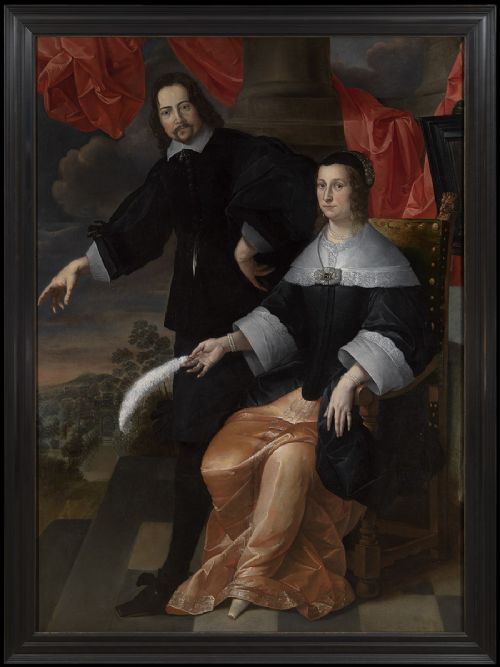
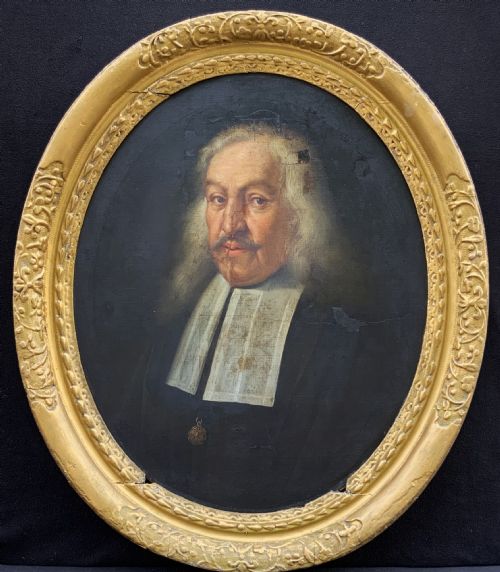
When you search for baroque style wall art, you encounter historical oil paintings and fine art prints centred on dramatic portraiture, floral still lifes, and mythological scenes. These works capture the theatrical lighting and emotional depth characteristic of the seventeenth and eighteenth centuries, alongside later revivals.
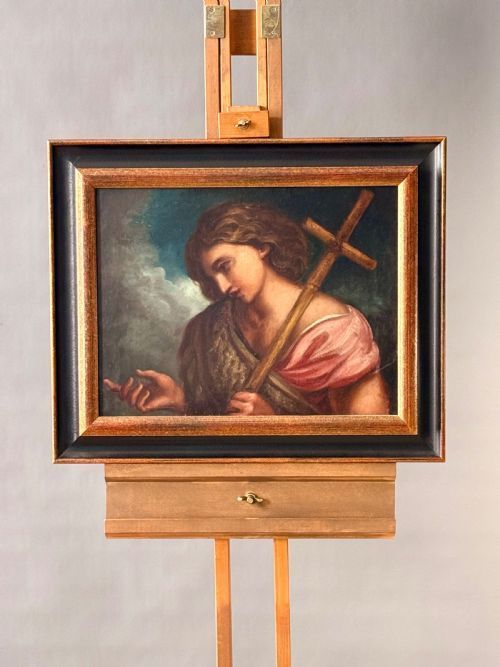
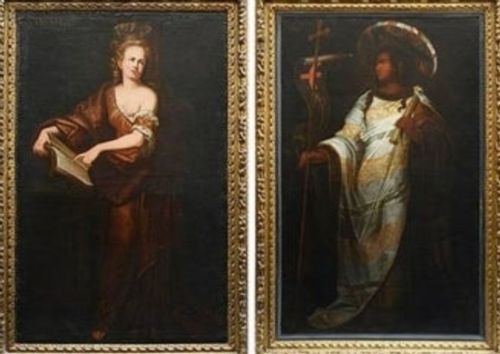
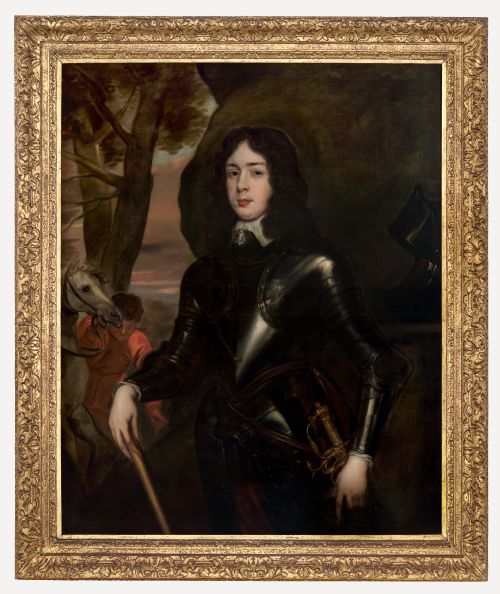
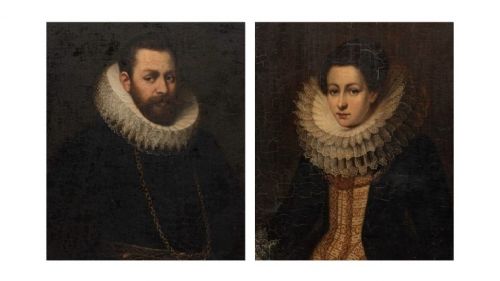
The most common examples on this page are oil on canvas paintings spanning the seventeenth century to the nineteenth century, including studio pieces and later interpretations after masters such as Sir Peter Lely and Anthony van Dyck. Alongside portraits of noblemen and ladies, you find religious compositions and genre scenes rendered in deep, atmospheric palettes.
Materials and Technique
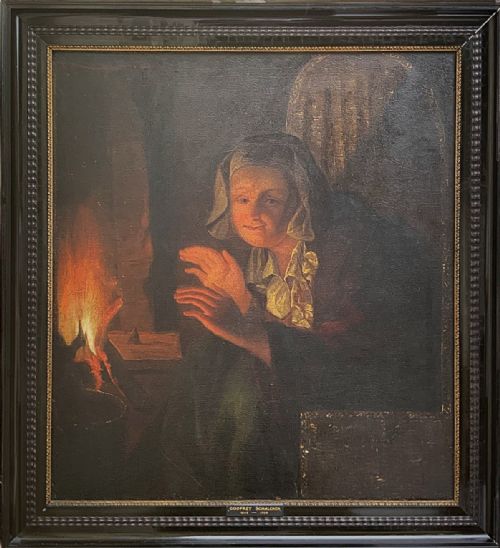
The primary medium recorded across these listings is oil paint applied to woven canvas, though oak panels and paper engravings also appear. Artists built depth through layered glazes and stark contrasts of light and shadow, creating the characteristic luminosity of the period.
Many of these artworks are housed in their original or period-matched surrounds, specifically carved giltwood and gilded wood frames that complement the ornate visual weight of the paintings within.
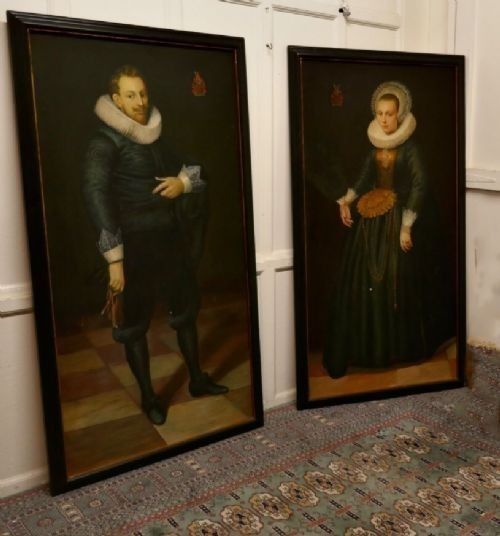
Several noblemen on these walls sport remarkably stiff ruff collars that look entirely hazardous to turn around in.
Distinguishing Quality
Quality in these works rests upon the confidence of the brushwork, the anatomical precision in portraiture, and the subtlety with which light models form across fabrics and skin. Studio pieces and works by followers often show greater stiffness in execution compared to the fluid mastery found in primary hands.
The integrity of the canvas support, the preservation of the original pigment layers, and the craftsmanship of the accompanying carved giltwood frame significantly influence the standing of any given piece.
Georges de La Tour·Sir Peter Lely·John Hayls·Charles D’Agar·Bartholomeus van der Helst·Pieter Borseler·Sir Anthony van Dyck·Nicolaes Maes·David Teniers·Simon Pietersz Verelst·Francesco Solimena·Philipp Peter Roos·David Teniers II·Nicolas Fouché·Domenico Zampieri·Rembrandt van Rijn
The Baroque Style Wall Art Glossary
- Baroque
- A European artistic style spanning the seventeenth and early eighteenth centuries, defined by dramatic movement, deep shadow, and grand scale. This aesthetic prioritises emotional intensity and theatrical composition.
- Giltwood
- Wood that has been coated with a thin layer of gold leaf or powder. It provides the ornate, reflective framing typical of period art.
- Oil on Canvas
- Pigment mixed with drying oil applied to a stretched cloth support. This technique allows for rich blending and luminous glazes.
- Provenance
- The documented history of ownership of an artwork. It establishes authenticity and traces the journey of the piece through time.
- Studio of
- A term indicating a work produced by assistants or students under the direct supervision of a master artist. Such pieces closely follow the master's style and composition.
Baroque Style Wall Art: Frequently Asked Questions
What defines baroque style wall art?
These works are characterised by dynamic movement, rich contrasts of light and dark, and subjects ranging from regal portraits to allegorical scenes. They reflect the grand aesthetic prevalent in seventeenth and eighteenth-century Europe.
Many examples on display include oil paintings on canvas and panel, often set within heavy carved gilt frames that echo the theatricality of the imagery.
How do I care for an antique oil painting?
Protect the canvas from direct sunlight and maintain stable indoor humidity to prevent the paint and wood from warping or cracking. Dust the surface very gently with a soft, dry brush without applying pressure.
Avoid using water, chemical cleaners, or modern cloths on the pigment or the giltwood frame. Professional conservation should be sought for any deeper cleaning.
How can I tell an original period piece from a later copy?
Examine the canvas weave, the composition of the stretcher bars, and the ageing of the oil paint under magnification. Period works show natural craquelure and pigment stability consistent with centuries of age.
Later nineteenth-century and twentieth-century revivals often utilise different priming methods and modern canvas preparations that reveal their true age upon closer inspection.
Where should I hang a large oil painting?
Select a wall with substantial structural support to safely bear the weight of a heavy canvas and its carved wooden frame. Ensure the hanging location remains away from direct heat sources like radiators or fireplaces.
Position the centre of the artwork at eye level to allow proper appreciation of the deep tonal contrasts and fine details typical of these historical compositions.