



Antique Aristocrat Portrait Art
Antique aristocrat portrait art captures notable figures from past centuries, offering buyers genuine historical presence and skilled canvas work for their walls.
Antique Aristocrat Portrait Art
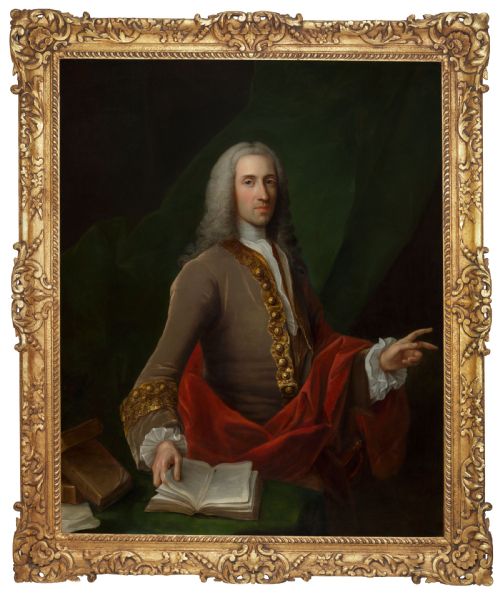
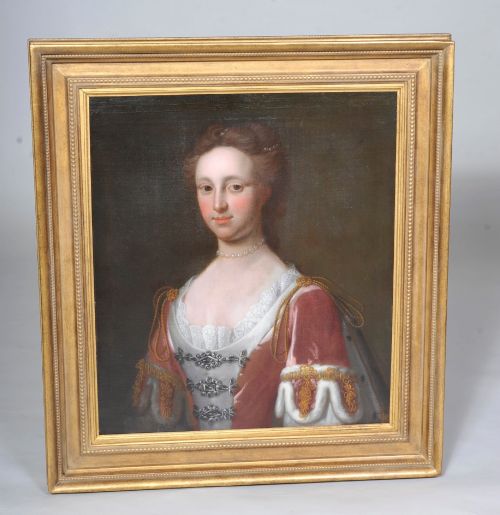
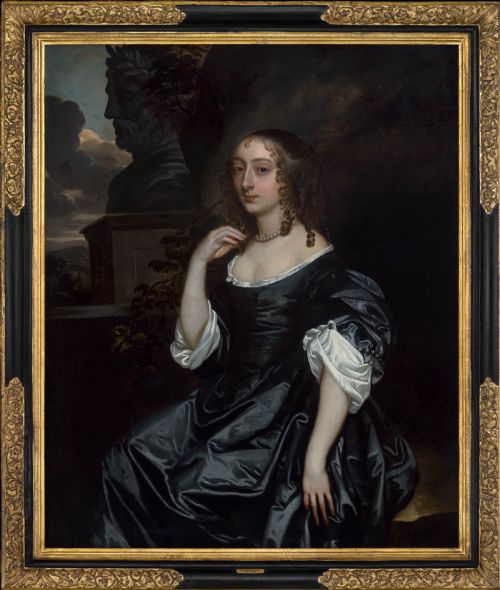
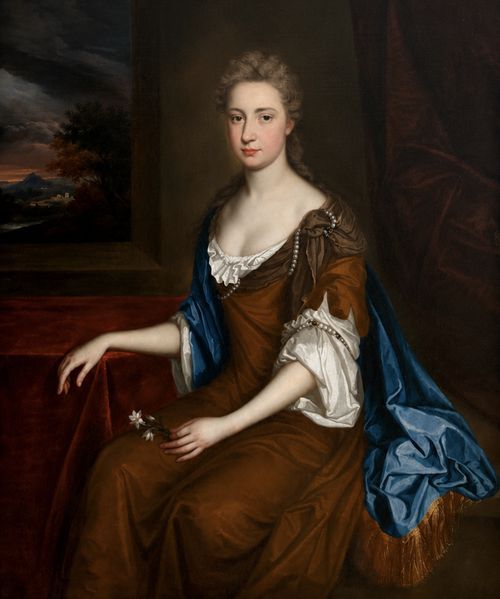
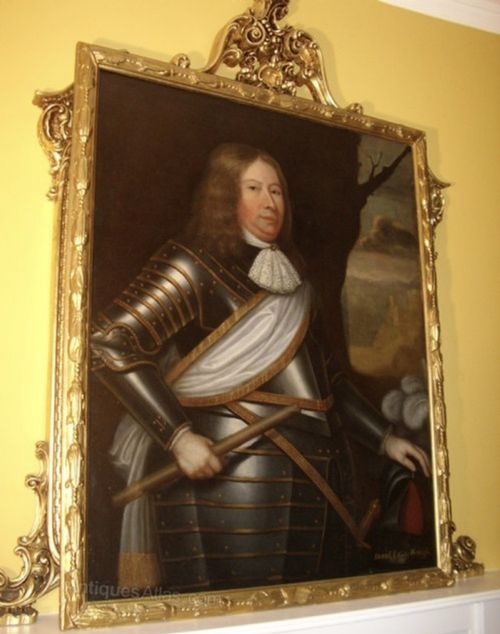
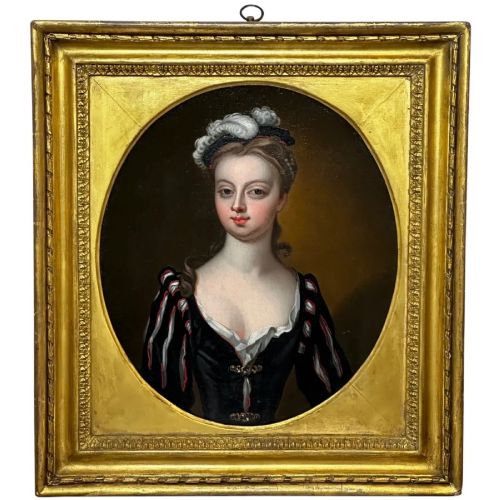
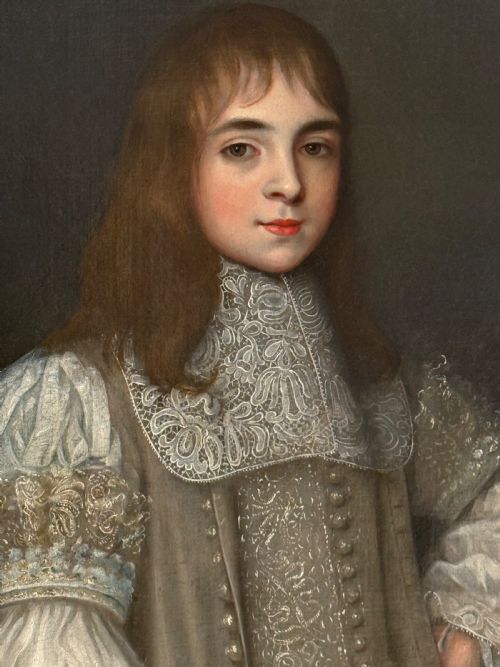
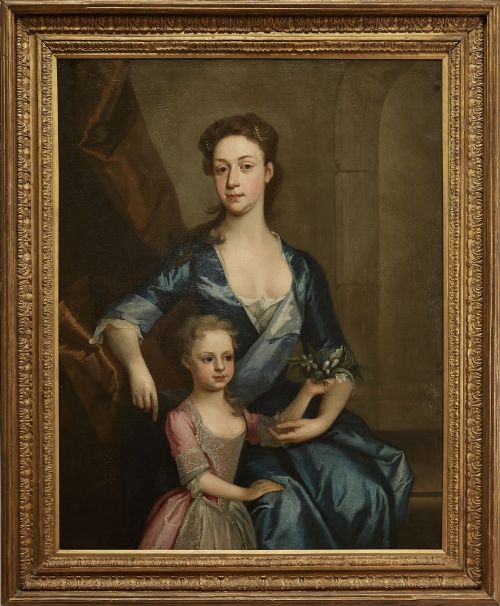
When searching for antique aristocrat portrait art, collectors encounter formal depictions of nobles, lords, ladies, and gentlemen. These works record the likenesses of historical figures from the seventeenth, eighteenth, and nineteenth centuries.
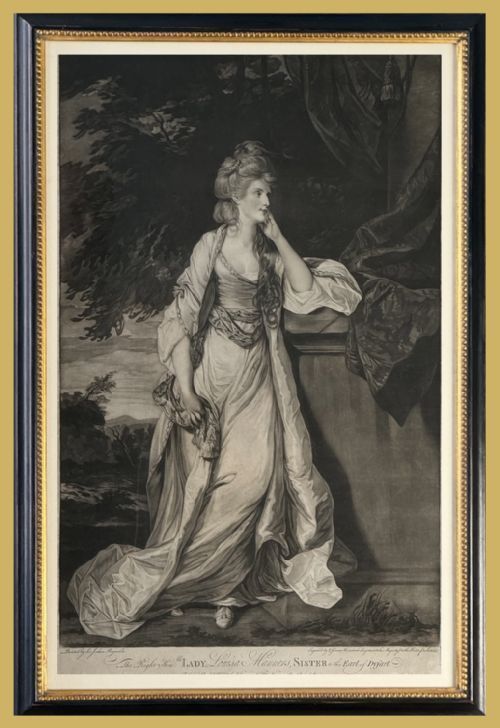
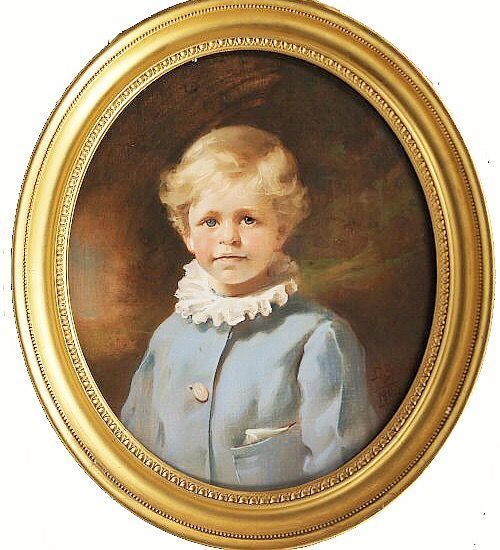
The pieces on this page appear mainly as oil paintings on canvas, alongside prints and pastel works. Subjects frequently display elaborate dress, lace, armour, or symbols of station appropriate to their period.
Originating across British, French, and German schools, these portraits reflect the stylistic shifts from Baroque grandeur to Georgian and Victorian portraiture. Buyers find both full-scale canvases and intimate portrayals representing specific dynasties and family lines.
How They Were Made
Makers utilised oil paint spread across stretched canvas, applying pigment to build depth in garments, skin tones, and background shadows. Some pieces employ copper or paper supports, while print variations utilise techniques like mezzotint to reproduce painted compositions.
Frames form an integral part of the physical object, constructed from wood and finished with giltwood, gold leaf, or gilded wood. Carved wooden moulding surrounds the picture plane, matching the aesthetic standards of the seventeenth, eighteenth, and nineteenth centuries.
Antique Aristocrat Portrait Art Retail Price Guide 2026
Typical asking prices for aristocrat portrait art among the pieces listed under this phrase on Sellingantiques today, from the lower quarter to the upper quarter. They describe what is for sale here now, not the wider market.
Several noble sitters share space on canvas with their loyal pets, including attentive blue chow dogs.
What Varies in Quality
The standard of execution separates works produced by master hands from studio copies and school pieces. Handling of facial expression, fabric drape, and hand anatomy reveals the competency of the painter.
Provenance and attribution elevate certain works, particularly when linked directly to documented portraitists or specific noble houses. The preservation of the original canvas and the integrity of the surrounding gilt wood frame also influence the standing of the piece.
Jeremiah Davison·Sir Peter Lely·Thomas Hudson·David Scougall·Henry Pickering·Valentine Green·Sir Joshua Reynolds·Leon Sprinck·John Vanderbank·John Michael Wright·Joseph Highmore·Hyacinthe Rigaud·Sir Godfrey Kneller·John Horsburgh·Louis De Silvestre·Kenneth Sutherland·Franz Xaver Winterhalter·Enoch Seeman·Michael Dahl·A.R. Whytton
The Antique Aristocrat Portrait Art Glossary
- Oil on Canvas
- A painting medium where pigments bound in oil are applied to a woven fabric support. This technique allows for rich colour blending and gradual tonal shifts.
- Giltwood
- Wood carved and coated with a thin layer of gold leaf or metallic powder. It provides ornate, reflective framing for formal portraits.
- Mezzotint
- A printmaking process of the intaglio family where the plate is roughened to achieve tones and dark fields. It permits subtle gradations of light suited to portrait reproduction.
- Baroque
- An artistic style prevalent in the seventeenth and eighteenth centuries characterised by dynamic movement, drama, and rich detail. Portraits in this mode emphasise grandeur and status.
- Jabot
- A decorative ruffle or lace frisson attached to the front of a shirt or cravat. It frequently appears in eighteenth-century aristocratic dress to indicate wealth.
Antique Aristocrat Portrait Art: Frequently Asked Questions
What periods do these portraits cover?
The listings span from the seventeenth century through the eighteenth and nineteenth centuries up to nineteen-sixty. They include seventeenth-century British and French Baroque examples alongside Georgian and Victorian works.
Each period brings distinct clothing styles, painting techniques, and framing materials that reflect the prevailing aesthetics of the time.
How were these portraits originally displayed?
Aristocratic portraits hung in the grand reception rooms, galleries, and staircases of country houses and town residences. They served to display lineage, wealth, and social standing to visiting guests.
Today, buyers place them in domestic interiors to add historical depth and a commanding visual focal point to a room.
How do I identify the subject of a painting?
Many portraits include identifying inscriptions, heraldic crests, or books and letters within the composition that name the sitter. Attributions often link the sitter to specific historical families, such as the Earl of Morton or the Markham family.
Archival research into the costume, painter's records, and provenance helps confirm the identity of the depicted aristocrat.
What is the difference between a circle and a studio work?
A work from the circle of an artist indicates a painter working closely in the style and period of the master, absorbing their methods. A studio piece generally originates from the workshop under the direct supervision or influence of the named painter.
Both categories represent period artistry tied to prominent portraitists without being primary autograph works.