

Baroque Style Portrait Canvas
A baroque style portrait canvas brings dramatic lighting and solemn nobility into a room.
Baroque Style Portrait Canvas
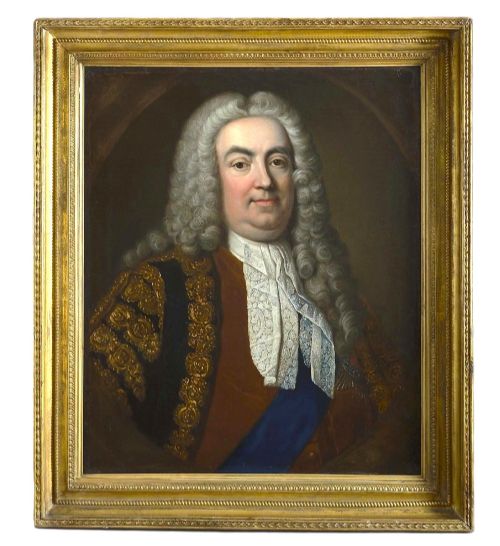
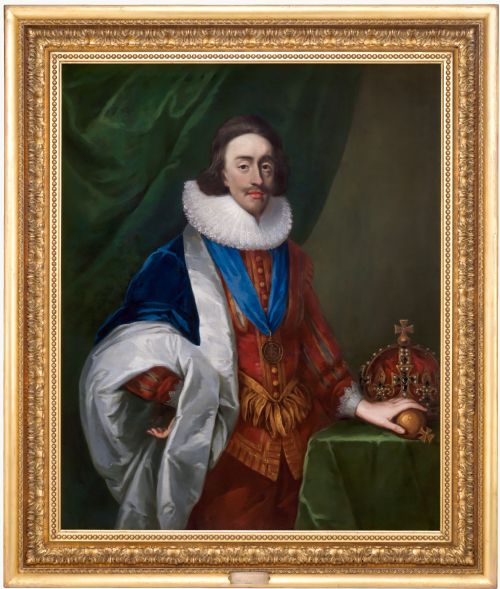
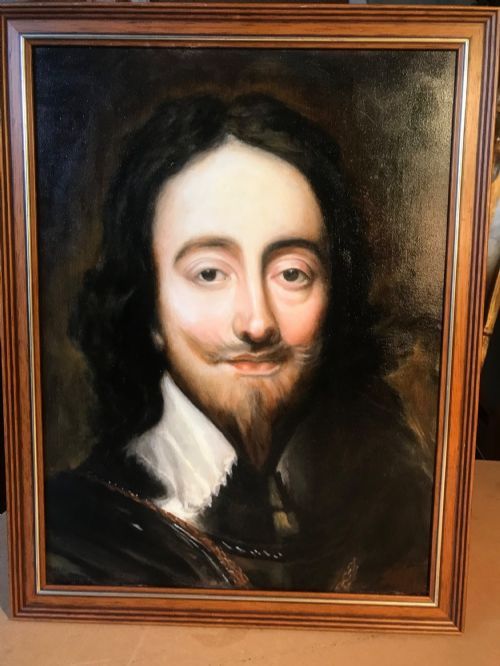
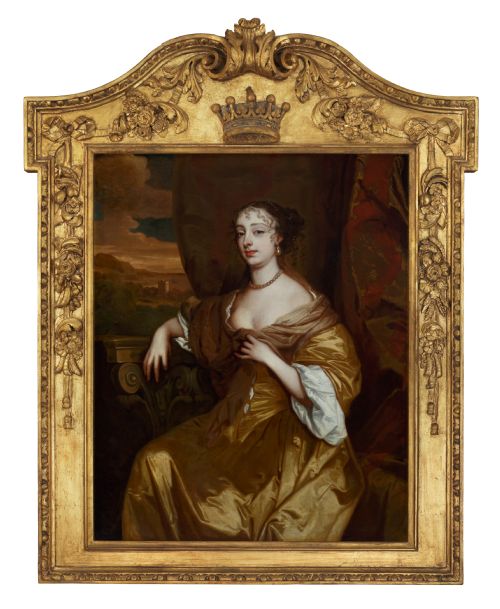
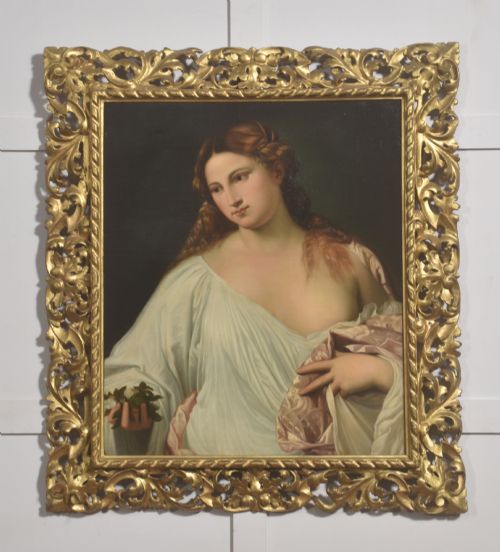
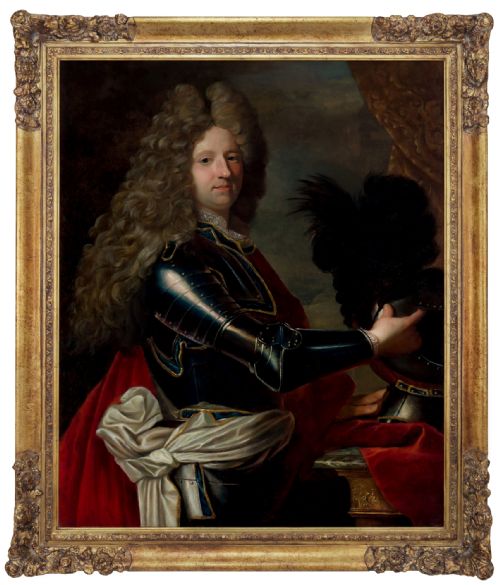
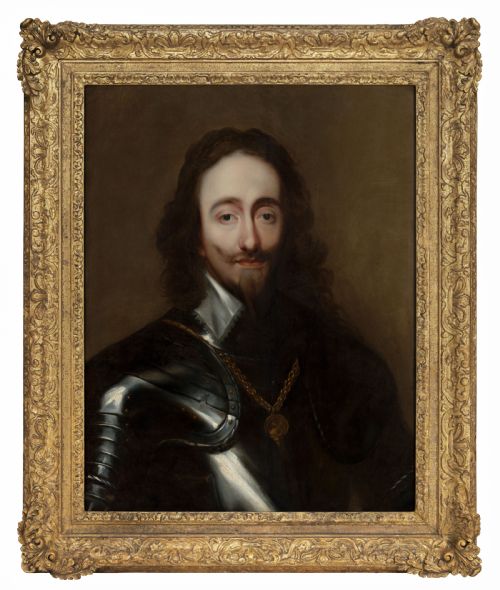
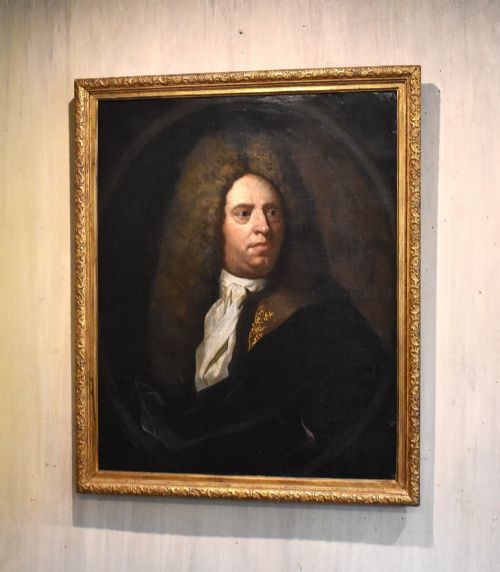
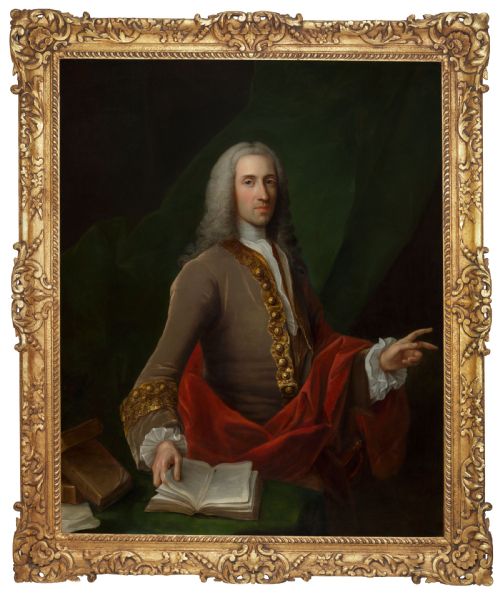
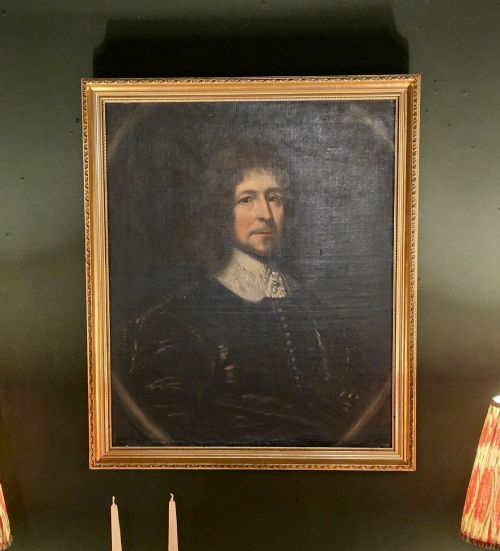
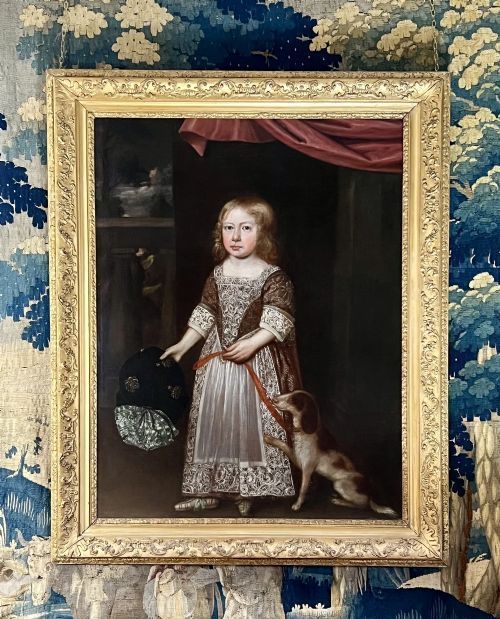
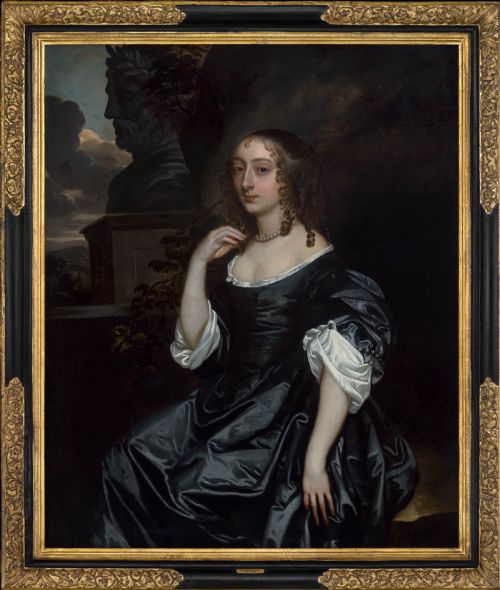
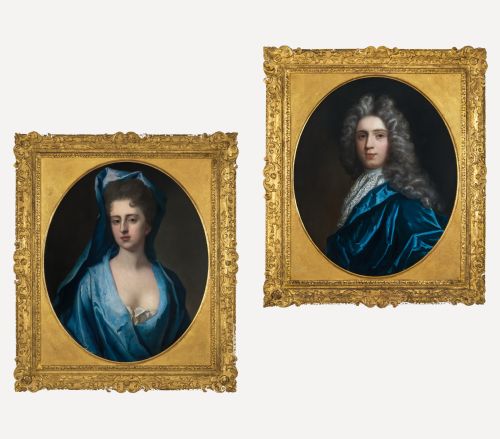
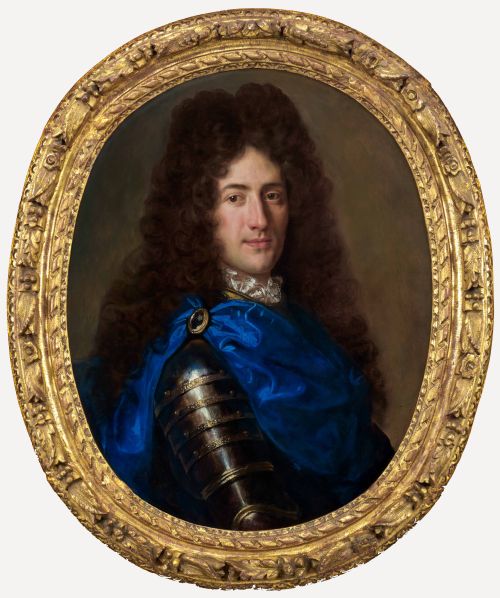
A baroque style portrait canvas depicts noblemen, ladies, and allegorical figures rendered in oil, capturing the deep shadows and theatrical lighting characteristic of seventeenth and eighteenth-century European art.
Buyers encounter period originals alongside later nineteenth-century revivals and mid-twentieth-century copies after old masters, predominantly set within carved giltwood frames.
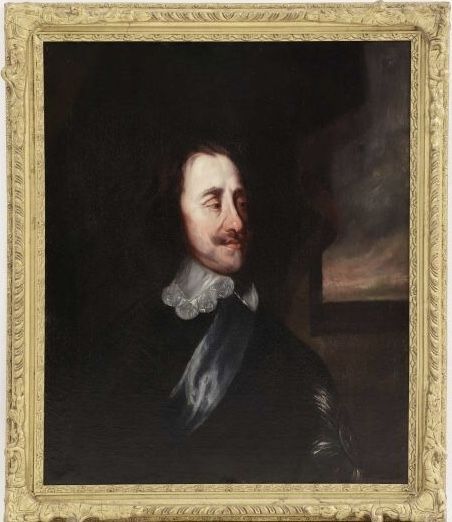
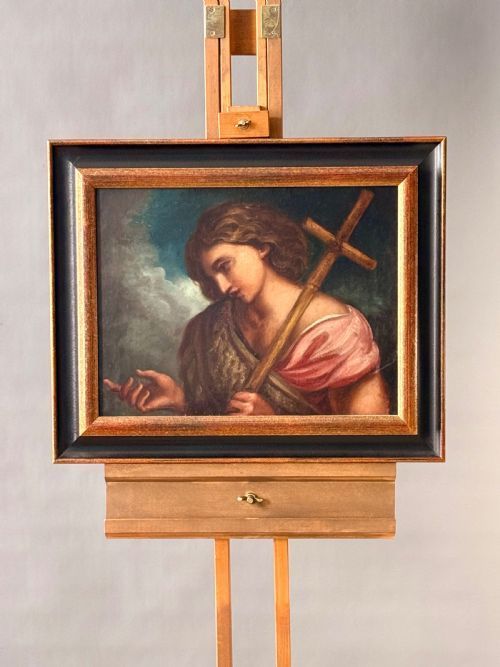
The subjects range from Dutch school double portraits and royal figures in armour to intimate character studies and mythological scenes.
Materials and construction
Painters applied oil paint directly onto stretched woven canvas supports, utilising rich pigments to build up heavy drapery, lace ruffs, and luminous skin tones.
Many of these works are housed in heavy wood frames covered in gesso and gilt, adding architectural weight to the composition.
Baroque Style Portrait Canvas Retail Price Guide 2026
Typical asking prices for baroque style portrait canvas among the pieces listed under this phrase on Sellingantiques today, from the lower quarter to the upper quarter. They describe what is for sale here now, not the wider market.
Several portraits feature stiff lace ruffs so enormous they appear to swallow the sitters entirely.
Judging visual depth and handling
Quality rests in the subtlety of the chiaroscuro and the psychological presence of the sitter, where skilled brushwork defines fabric folds and facial expressions rather than rigid outlines.
Period context and studio associations elevate certain canvases, while later decorative copies rely on formulaic brushwork and flatter colour application.
Sir Peter Lely·David Teniers·Rembrandt van Rijn·Sir Anthony van Dyck
The Baroque Style Portrait Canvas Glossary
- Chiaroscuro
- The strong contrast between light and dark used to give volume to figures and create theatrical tension within a composition.
- Giltwood
- Timber carved and coated with a thin layer of gold leaf, frequently forming ornate frames for seventeenth and eighteenth-century paintings.
- Old Master
- An artist of high skill working in Europe before about eighteen hundred, or a painting produced by such a hand.
- Ruff
- A pleated starched collar worn by nobility during the late sixteenth and seventeenth centuries, meticulously detailed in many portraits.
Baroque Style Portrait Canvas: Frequently Asked Questions
How do I identify a period canvas?
Examination of the stretcher bars, canvas weave, and pigment oxidation helps determine the age of an oil painting.
Older supports often show hand-planed wood and heavy craquelure across the paint surface.
Were these always framed in giltwood?
Giltwood frames are traditional for seventeenth and eighteenth-century works, designed to catch candlelight and complement the dark tones of the oil painting.
Many surviving pieces retain their original or period-appropriate frames, though some have been re-framed later.
How should I hang an oil painting?
These works require stable indoor humidity away from direct sunlight to protect the canvas and oil pigments from cracking.
Secure wall fixings are essential due to the combined weight of the heavy wooden stretcher and ornate frame.
What is a circle or follower attribution?
Attributions to the circle or followers of a master indicate a workshop artist painting in the distinct style of the primary figure.
Such works reflect the direct influence and techniques of prominent seventeenth-century studios.