



Baroque Style Oil Painting
A baroque style oil painting brings dramatic light, deep shadow, and rich historical character into a room.
Baroque Style Oil Painting
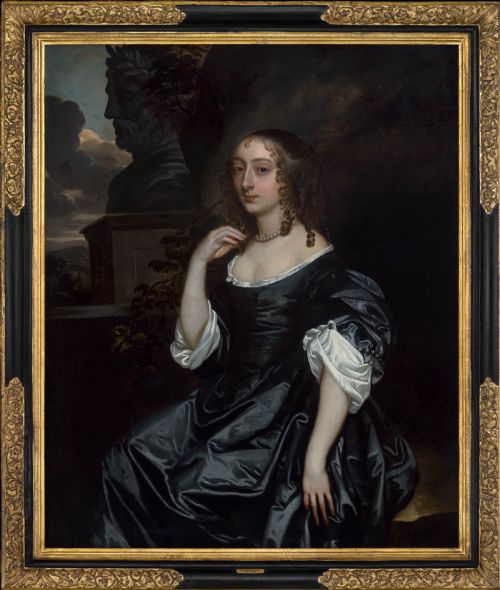
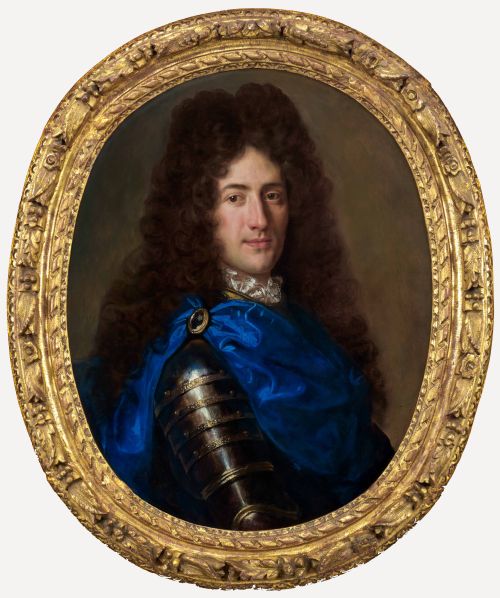
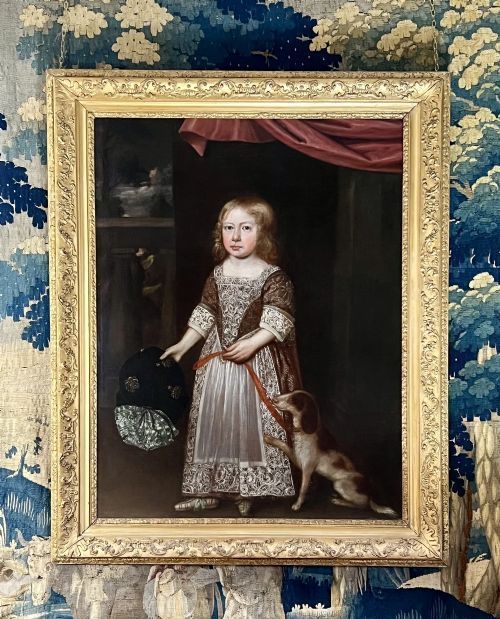
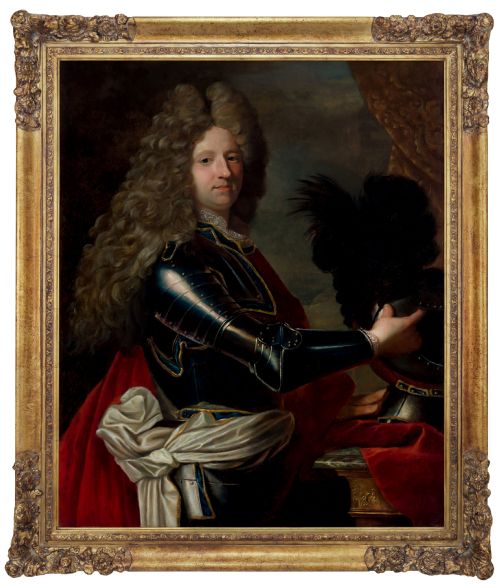
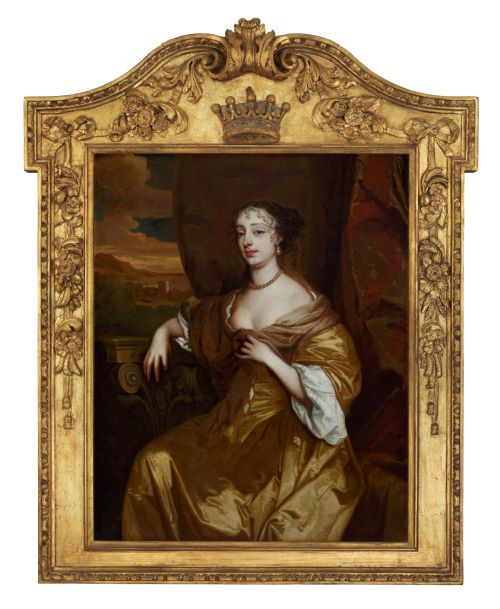
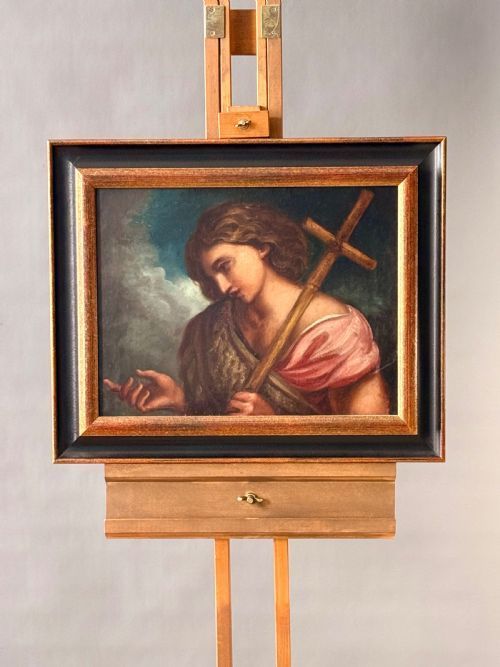
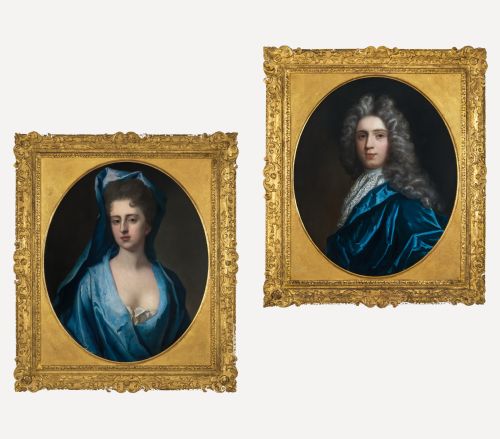
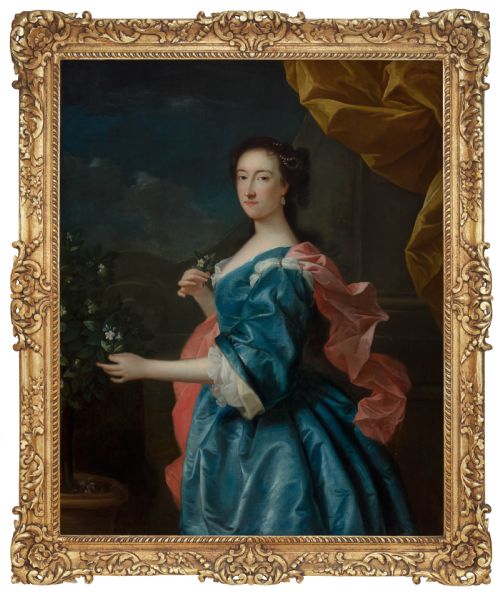
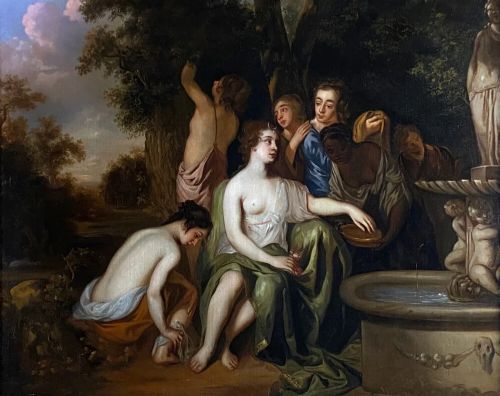
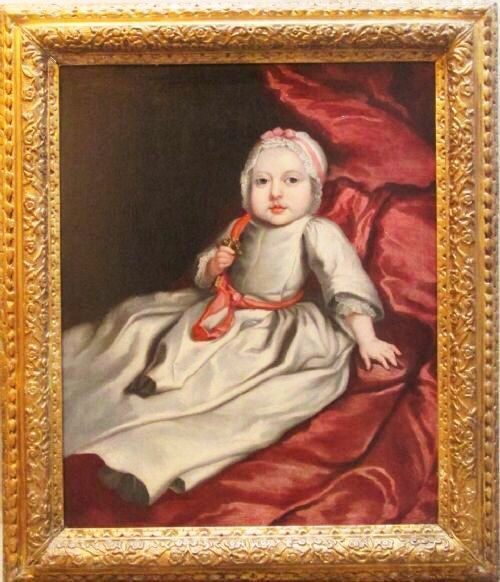
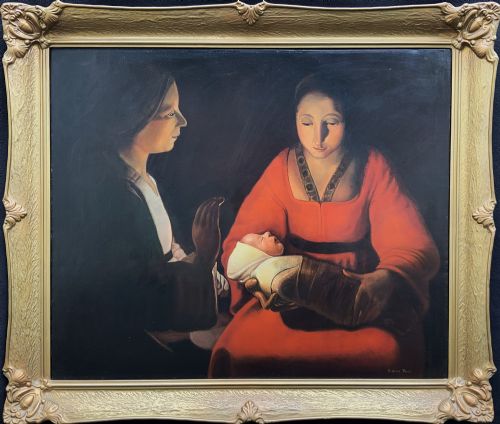
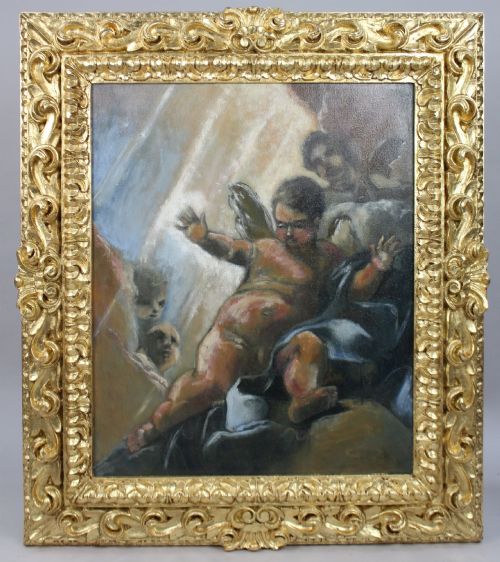
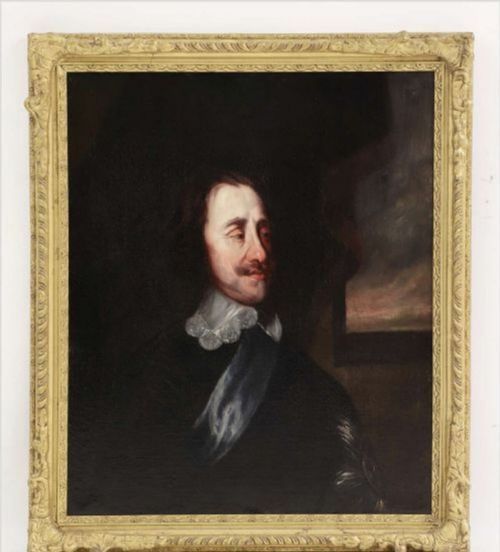
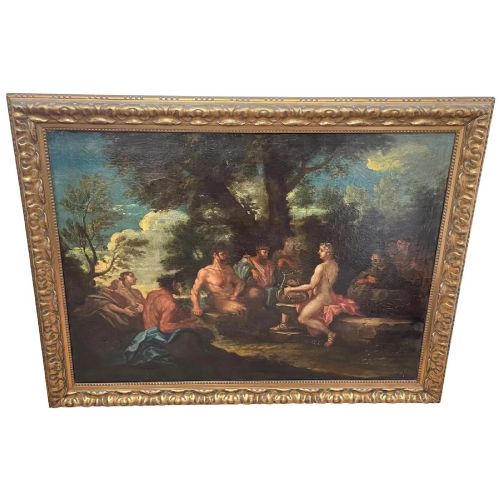
A baroque style oil painting depicts formal portraits, mythological scenes, and figurative compositions rooted in seventeenth and eighteenth-century aesthetics. These works often feature intense contrasts of illumination and shadow, known as chiaroscuro, alongside opulent subject matter like nobility in armour and classical deities.
Buyers browsing this selection encounter period originals alongside later interpretations and works created in the manner of established European schools. The selection spans framed canvas paintings, panel works, and large-scale portraits originating from English, Dutch, Flemish, and Italian traditions.
Distinguishing quality across works
Quality in these paintings rests upon the handling of anatomy, fabric folds, and facial expression by the artist. Stronger pieces display confident brushwork and precise rendering of details such as lace collars, armour gleams, and botanical elements.
The relationship between the painting and its original frame also influences the overall standard. Works retaining period carved giltwood frames demonstrate a higher degree of historical integrity than those paired with later or simpler mouldings.
Baroque Style Oil Painting Retail Price Guide 2026
Typical asking prices for baroque style oil painting among the pieces listed under this phrase on Sellingantiques today, from the lower quarter to the upper quarter. They describe what is for sale here now, not the wider market.
Listings feature works spanning the seventeenth century through to the twentieth century, executed in oil on canvas or wood panel.
Sir Peter Lely·David Teniers·Sir Anthony van Dyck·Jeremiah Davison·Charles D'Agar
The Baroque Style Oil Painting Glossary
- Chiaroscuro
- The strong contrast between light and dark areas within a composition to create dramatic depth and volume. This technique defines much of the modelling in seventeenth-century figurative art.
- Giltwood
- Wood that has been coated with a thin layer of gold leaf or metallic gilt finish. It is commonly found on ornate period frames surrounding classical canvases.
- Old Master
- A European artist of high skill working before the nineteenth century, or a painting created by such a hand. The term also encompasses accredited followers and circles from the same eras.
- Provenance
- The documented history of ownership and origin for an artwork. Establishing this trail confirms attribution to specific schools or makers.
Baroque Style Oil Painting: Frequently Asked Questions
How do I identify a period piece?
Examine the canvas preparation, stretcher construction, and pigment ageing under magnification to assess historical materials. Comparing the handling of paint with documented works from specific European schools helps determine the likely era of creation.
Frame construction and joinery offer further clues regarding age. Older panels and stretchers display hand-tooled marks and wood types consistent with seventeenth or eighteenth-century cabinetmaking.
What subjects are most common?
Portraits of nobility, military figures in armour, and elegant ladies dominate the selection. Mythological narratives and religious scenes also feature prominently across Dutch, Flemish, and Italian interpretations.
Still life compositions involving flowers, birds, and genre scenes of village life appear frequently. These subjects reflect the diverse interests of patrons during the seventeenth and eighteenth centuries.
How should I hang these paintings?
Position the artwork away from direct sunlight and excessive moisture to protect the oil pigments and canvas integrity. Stable indoor temperatures prevent the wooden panels and stretchers from warping over time.
Ensure the wall fixings are rated to support the combined weight of the painting and its heavy giltwood frame. Professional hanging hardware distributes the load safely across the structure.
What does circle of mean?
This attribution indicates an artist working in the direct studio or immediate environment of a master. The creator absorbed the specific techniques and stylistic traits of the primary painter without necessarily being that exact person.
Such works often date from the same period and share the workshop vocabulary of lighting and composition. They represent authentic historical output closely tied to major artistic names.