




Baroque Oak Table
A baroque oak table brings heavy timber, deep carving and centuries of continental craftsmanship directly into a room.
Baroque Oak Table
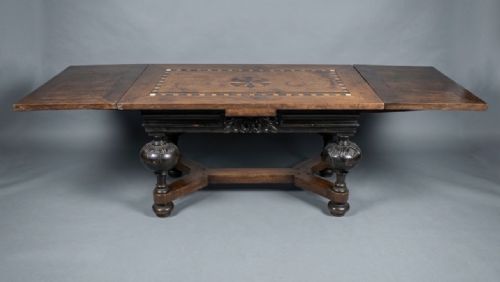
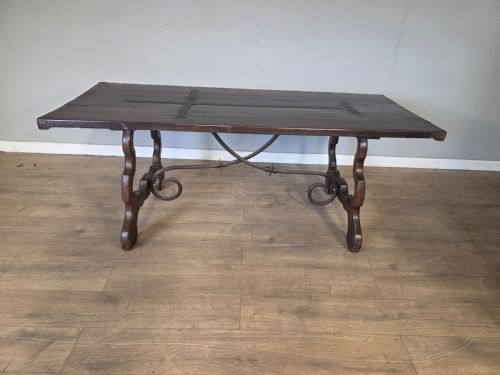
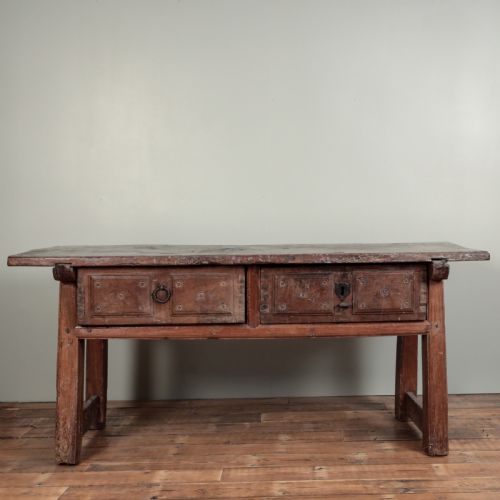
A baroque oak table spans sturdy refectory forms, console tables and side tables originating from seventeenth-century workshops in Spain, Flanders and the Netherlands, alongside later revival pieces. Buyers seeking this phrase encounter heavy timber construction, carved detail and continental proportions suited to formal dining or display.
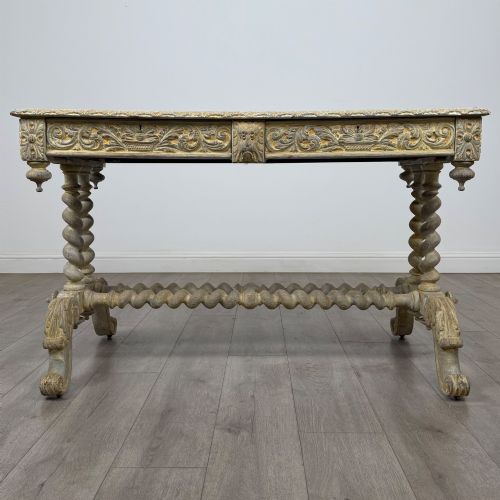
The selection here encompasses seventeenth-century originals featuring draw leaves and parquetry alongside nineteenth-century revival interpretations, writing tables and smaller lamp tables. Oak remains the primary timber, occasionally accompanied by walnut or iron fittings, reflecting both domestic utility and grander architectural furniture.
Materials and construction
Makers utilised solid oak alongside walnut and wrought iron supports, shaping timber with hand tools to build structural frames for heavy use. Joinery techniques such as draw leaves and panel construction allowed tables to expand or endure seasonal timber movement.
Carving and parquetry surface work required skilled hand chiselling, seen in caryatids, cherubs and geometric wood inlay. Metal elements like brass and iron provided functional hinges, braces and decorative mounts.
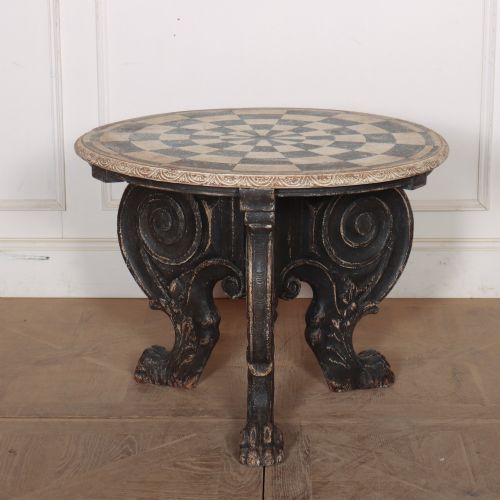
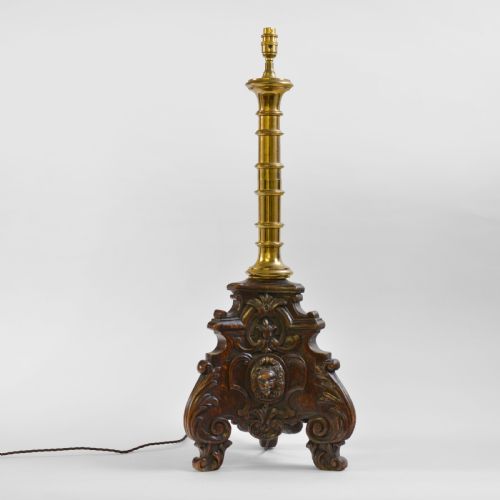
Carved cherubs peer out from unlikely places on lamp tables.
Evaluating quality and age
The distinction between seventeenth-century originals and later nineteenth-century revival pieces rests on the depth of hand-carved relief work, the integration of timber joints and the natural patina developed over generations. Early examples exhibit the subtle tool marks of period joiners, whereas revival pieces often display machine precision or stylised interpretations of historical motifs.
Proportion and material selection also define the tier of a piece, with dense quarter-sawn oak and sophisticated parquetry inlay marking out superior cabinet-making. Lesser examples rely on simpler surface decoration and standard timber framing without the architectural presence of Spanish or Flemish prototypes.
The Baroque Oak Table Glossary
- Draw leaf table
- A table with pull-out leaves stored beneath the main top that extend to lengthen the surface. This ingenious mechanism increases seating capacity without removing the central top.
- Parquetry
- Geometric wood inlay forming decorative patterns across a table top or surface. Craftsmen assemble small blocks of contrasting timber to create visual depth.
- Refectory table
- A long, narrow dining table traditionally used in monastic dining halls. These pieces feature sturdy stretcher bases designed to support heavy timber tops.
- Caryatid
- A sculpted female figure serving as an architectural support in place of a column. They frequently appear carved into the legs or supports of continental furniture.
Baroque Oak Table: Frequently Asked Questions
How do I clean an oak table?
Dust regularly with a dry, soft cloth to prevent particulate buildup on the carved surfaces and joints. Avoid harsh chemical cleaners that strip the historic finish and dry out the timber.
Apply natural beeswax occasionally to nourish the oak and maintain its protective sheen. Keep the table away from direct heat sources and strong sunlight to prevent warping.
Are these tables suitable for daily dining?
Many solid timber examples possess robust construction intended for everyday use in living spaces and dining rooms. Large refectory forms and extendable variants comfortably accommodate family meals.
Use protective pads beneath hot dishes and liquids to safeguard the antique surface from rings and marks. Regular maintenance ensures the heavy timber withstands active daily routines.
How can I tell a seventeenth-century table from a revival piece?
Examine the construction methods, tool marks and timber shrinkage patterns visible on the underside and joints. Seventeenth-century originals show hand-cut joinery and authentic surface wear accumulated over centuries.
Revival pieces from the nineteenth century often utilise standardised machine cutting and cleaner internal framing. Comparing carving depth and regional styles helps confirm the period of origin.
Where were these styles made?
The continental pieces originate primarily from workshops in Spain, Flanders, Germany and the Netherlands. Each region developed distinct carving characteristics, such as heavy geometric moulding or figurative supports.
Later Victorian and Edwardian revival pieces were produced domestically in Britain, drawing direct inspiration from continental European designs. This cross-cultural exchange explains the variety of Spanish, Dutch and Flemish influences found on these tables.