


Baroque Female Portrait
When you choose a baroque female portrait, you bring home a painted record of status, expression and textile rendered with seventeenth- and eighteenth-century gravity.
Baroque Female Portrait
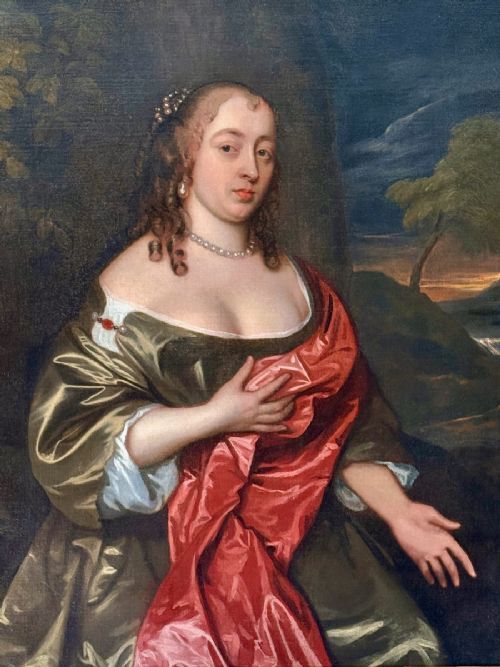
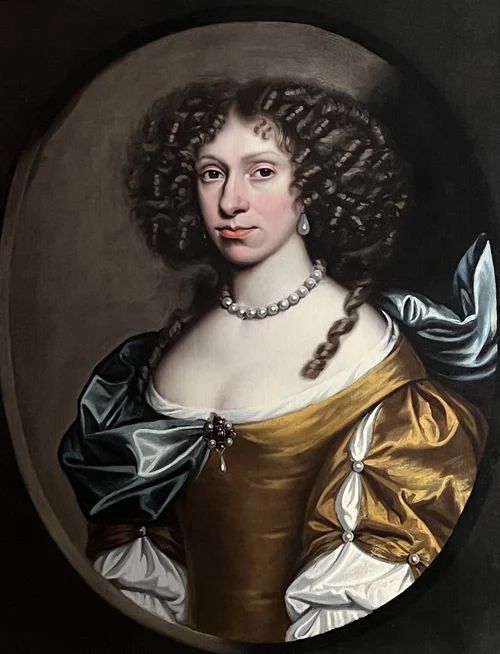
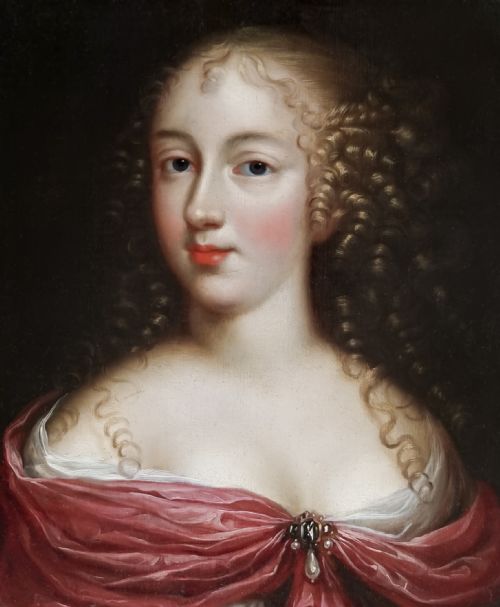
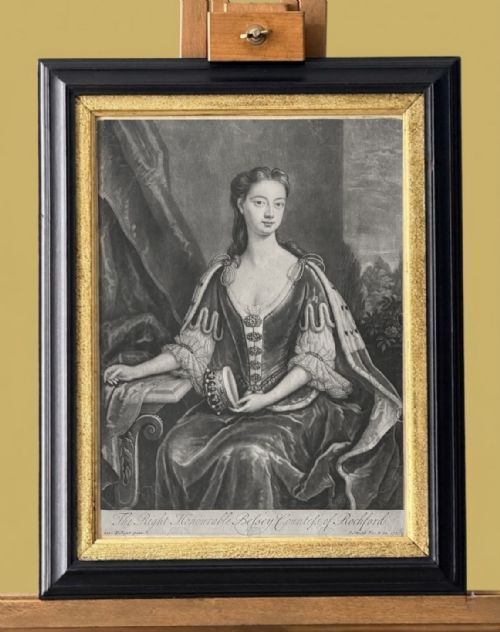
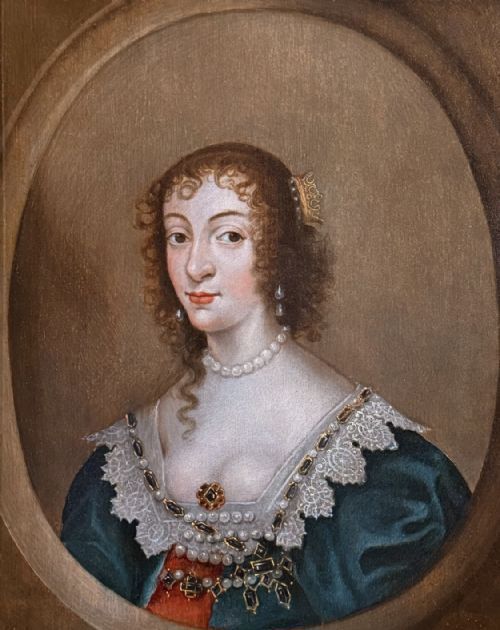
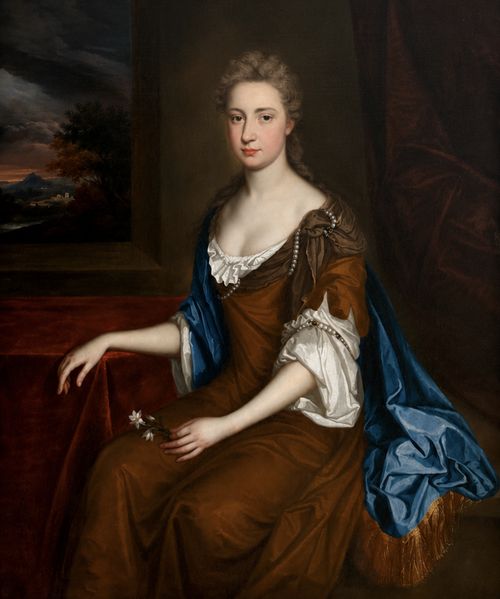
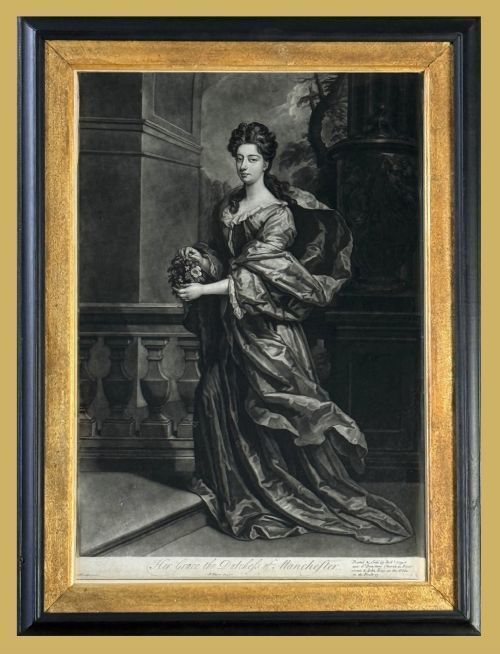
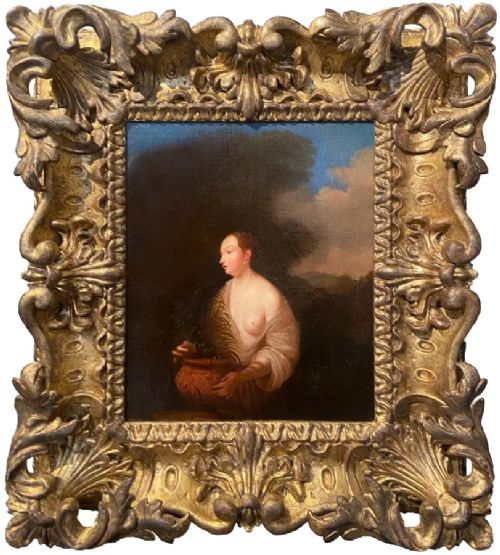
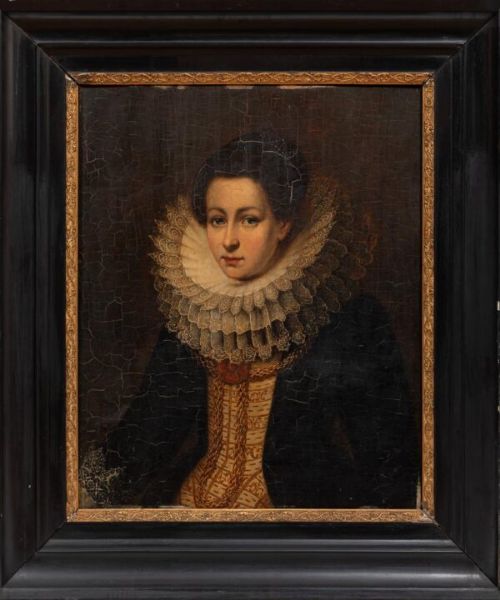
A baroque female portrait captures noblewomen, countesses and mythological figures in oil on canvas, oil on panel, or printed mezzotint from the seventeenth and eighteenth centuries.
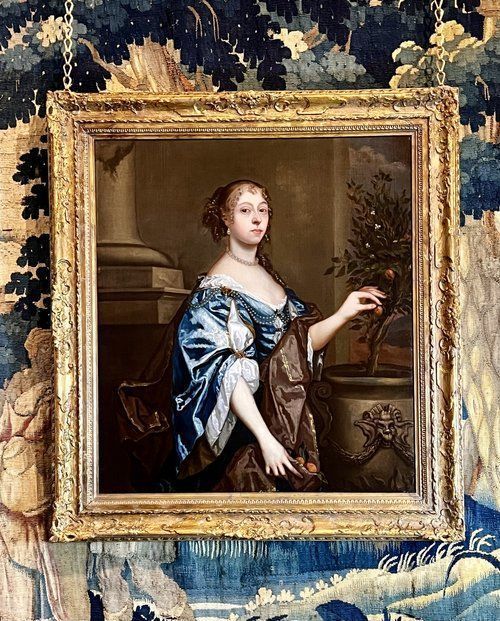
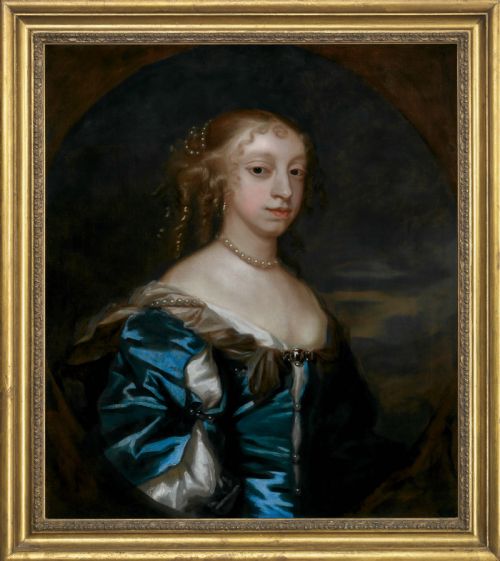
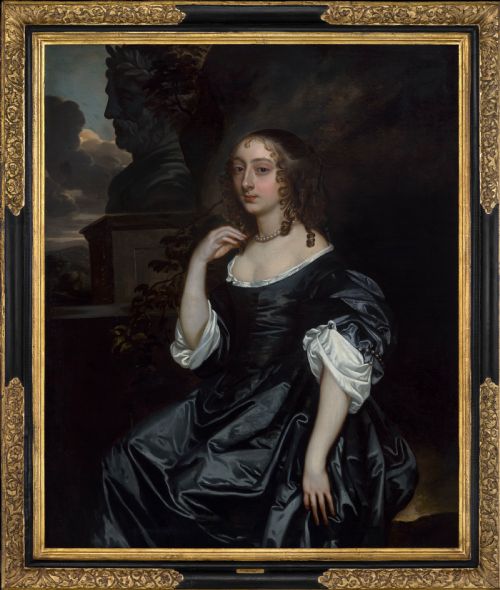
The most common examples on this page are oil paintings on canvas depicting aristocratic sitters in elaborate gowns, pearls and lace, often attributed to major continental and British workshops.
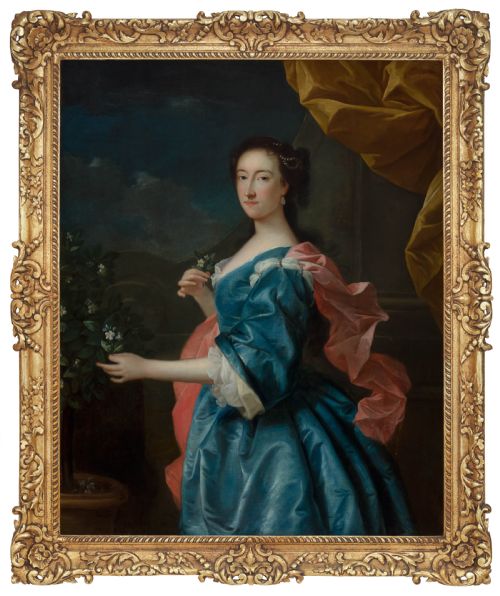
These works function simultaneously as historical records and decorative focal points, reflecting the sitter's rank through symbolic accessories like orange trees, musical instruments or velvet drapery.
Materials and construction
Painters applied oil paint to stretched canvas or wooden panels, building rich textures for silk dresses, satin sleeves and intricate lace collars.
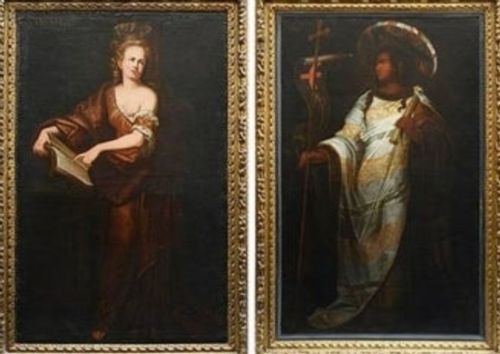
Many surviving canvases retain their period giltwood frames, carved from wood and finished with gold leaf to complement the dark, dramatic palettes of the paintings.
Baroque Female Portrait Retail Price Guide 2026
Typical asking prices for baroque female portrait among the pieces listed under this phrase on Sellingantiques today, from the lower quarter to the upper quarter. They describe what is for sale here now, not the wider market.
The listings on this page span the seventeenth and eighteenth centuries, utilising oil on canvas, oil on panel, and giltwood frames.
What separates examples
Quality rests in the handling of fabrics, facial lighting and hands, where master hands achieve convincing folds in silk and lifelike skin tones.
The distinction between primary studio output and later circle or follower pieces lies in the precision of the drawing and the depth of the background landscape.
John Hayls·David Scougall·Jeremiah Davison·Pierre Mignard·Pieter Borsseler·Sir Peter Lely·John Smith·Charles D Agar·Sir Anthony Van Dyck·Robert Byng·John Faber Jr·Sir Godfrey Kneller·Toussaint Gelton·Henri and Charles Beaubrun·Cornelius Johnson·John Greenhill·Nicolaes Maes·Nicolas Fouché·Pierre Gobert·Guido Reni·Thomas Murray·Balthasar Denner·Pieter Nason
The Baroque Female Portrait Glossary
- Mezzotint
- A printmaking process where the copper plate is roughened to achieve dark tones and subtle gradations of light. This technique allows for faithful reproductions of painted portraits.
- Giltwood
- Wood that has been coated with gold leaf or gold paint. Frames utilising this finish were designed to catch candlelight in period interiors.
- Panel painting
- An artwork executed on a flat piece of wood rather than canvas. These rigid supports were common in earlier European traditions before canvas became standard.
- Circle of
- A designation used when a painting is by an unidentified artist working closely alongside a known master in the same style. It indicates period proximity without direct attribution.
- Ruff
- A pleated starched collar worn around the neck in the sixteenth and seventeenth centuries. In portraits, the intricacy of the lace indicates the sitter's wealth.
Baroque Female Portrait: Frequently Asked Questions
How do I identify a seventeenth century portrait?
Look closely at the sitter's costume, particularly the cut of the sleeves, the style of the bodice, and whether she wears pearls or a lace collar. These elements followed strict fashion timelines that help date the canvas.
Compare the handling of the paint and the canvas texture against documented examples from the same decade to confirm the period.
What is the difference between studio work and circle of?
Studio works were produced under the direct supervision or within the active workshop of a named master painter, often incorporating the master's own touch on key areas like the face.
Circle pieces are by independent contemporaries who absorbed the exact mannerisms and techniques of the principal artist without working directly in their workshop.
How were these paintings displayed originally?
Aristocratic sitters hung these large oil paintings in the primary reception rooms and long galleries of country houses to project lineage and political alignment.
Heavy giltwood frames were selected to project light outward into dimly lit panelled interiors.
How do I care for an antique oil painting?
Keep the canvas away from direct sunlight, heating vents, and damp environments to prevent the oil paint from cracking or the wooden stretcher from warping.
Avoid touching the painted surface or applying any liquid cleaner, leaving dusting to a professional conservator with a soft brush.