

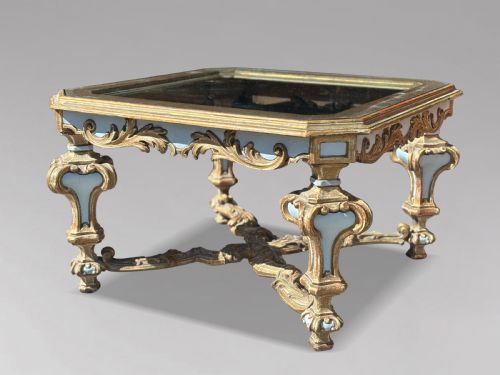


Baroque Centre Table
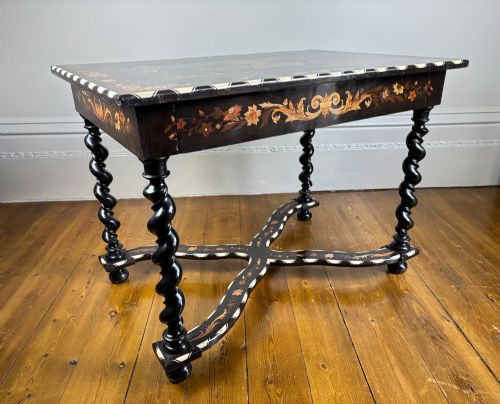
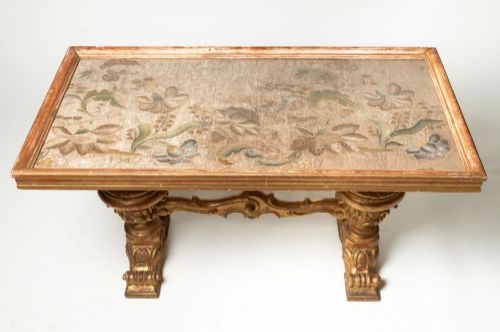
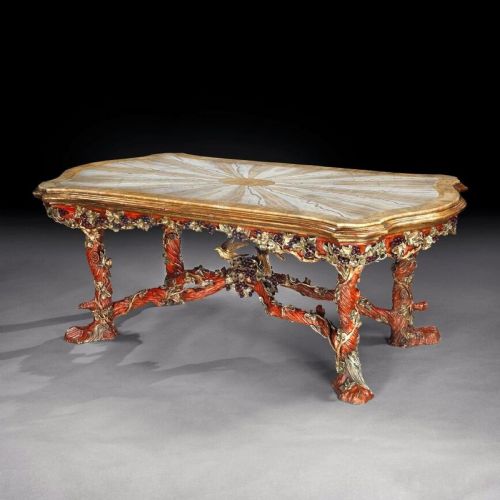
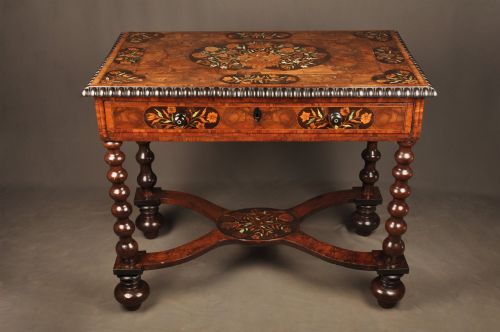
A baroque centre table commands the middle of a room with substantial timber and rich surface detail.
Baroque Centre Table
A baroque centre table stands as a decorative and functional focal point, designed to be viewed from every side rather than pushed against a wall. The pieces collected under this phrase span diverse European traditions including Italian, Spanish, Dutch and Flemish workshops.
The selection on this page encompasses authentic period pieces alongside later revivals, ranging from grand seventeenth-century walnut boards to nineteenth-century interpretations. Formats vary from classic centre tables to low coffee tables, side tables and console tables.
What varies in quality
The distinction between tiers rests upon the depth of the hand-carving and the precision of the joinery. Superior examples display crisp relief work on the timber and meticulous alignment in marquetry and parquetry patterns.
Materials dictate another level of distinction, particularly the selection of figured walnut, the quality of the original patina, and the weight and fossilisation within inset marble or onyx tops.
Listings feature walnut as the dominant wood, accompanied by ebonised wood, oak, fruitwood, and giltwood alongside marble and onyx tops.
Amleto Bertoni·Harrods·Angiolo Barbetti Firenze·B Battioli Varese
The Baroque Centre Table Glossary
- Marquetry
- Decorative veneer work forming intricate pictures or geometric patterns using various coloured woods and bone.
- Parquetry
- Geometric mosaic woodwork used for flooring or table tops, constructed from small fitted wooden blocks.
- Ebonised
- Wood treated with a dark finish to imitate expensive ebony.
- Parcel Gilded
- Partially gilded with gold leaf, leaving portions of the underlying wood or paint exposed.
- Patina
- The surface sheen and mellowing developed on wood over centuries of handling and age.
Baroque Centre Table: Frequently Asked Questions
Where should I place a baroque centre table?
These tables work best positioned centrally in a principal room, allowing the carved details and finished top to be appreciated from all angles. They also function effectively as large coffee tables in expansive seating arrangements.
Ensure there is sufficient clearance to walk around the perimeter of the table without obstruction. Their visual weight anchors a room, making them ideal for balancing high ceilings or large architectural spaces.
How do I care for an antique wooden top?
Dust the surface regularly with a soft, dry cloth to prevent particulate accumulation in carved recesses and marquetry joints. Avoid applying modern silicone polishes, which can degrade historic finishes and accumulate in the grain.
Maintain stable room humidity to prevent the solid timbers and wood veneers from shrinking or cracking. Protect marble or onyx inserts from acidic spills by using coasters and gentle cleaning methods.
Are these tables sturdy enough for daily use?
Period tables were constructed from dense hardwoods like walnut and oak to withstand regular domestic demands. Their robust frames provide stable foundations for everyday placement of books and decorative objects.
Exercise caution with moisture and heat directly on historic timber or inlaid surfaces. Using protective mats helps preserve delicate parquetry and polished finishes from accidental marking.
How can I tell a seventeenth century table from a nineteenth century revival?
Examine the construction methods, tool marks and the nature of the timber shrinkage. Seventeenth-century pieces typically exhibit hand-cut joinery, pegged tenons, and deep patination accumulated over centuries of wear.
Nineteenth-century revival pieces often incorporate machine-sawn components or display stylised interpretations of earlier motifs. Comparing the wood density and the oxidation in concealed areas helps clarify the age.