




Baroque Carved Timber Relief
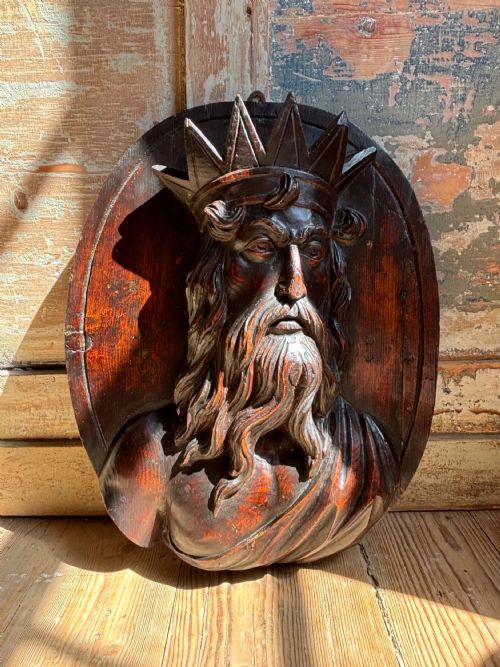
Baroque carved timber relief works bring substantial presence to a wall, offering rich religious or classical iconography carved from dense hardwoods.
Baroque Carved Timber Relief
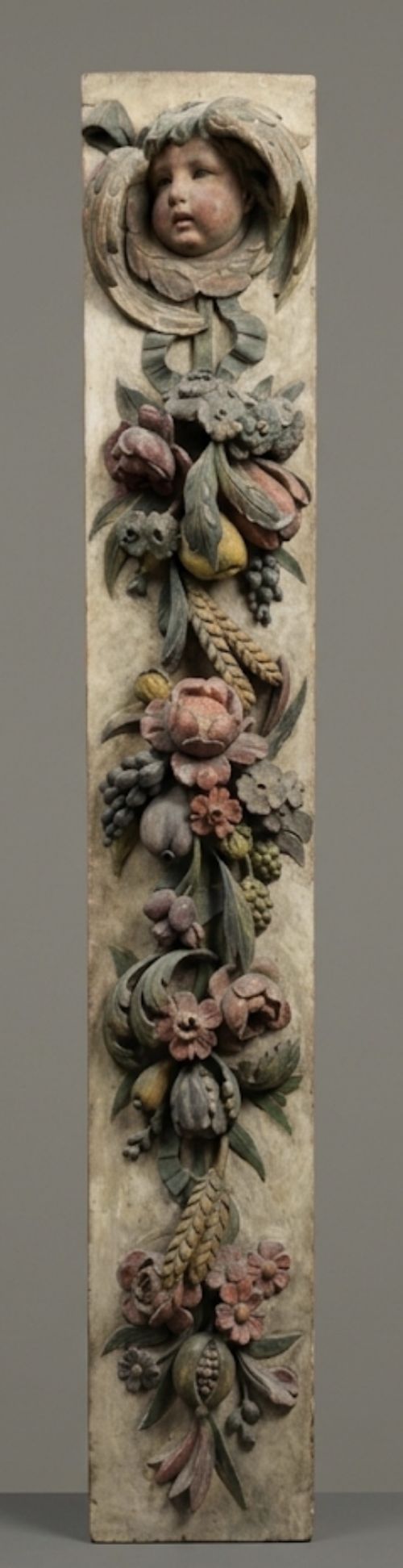
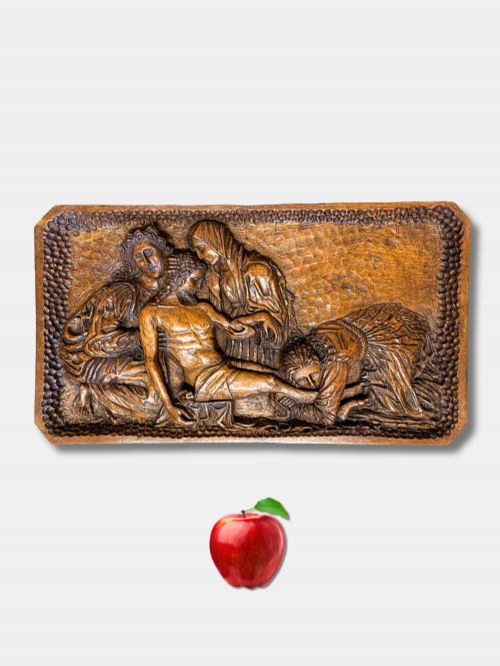
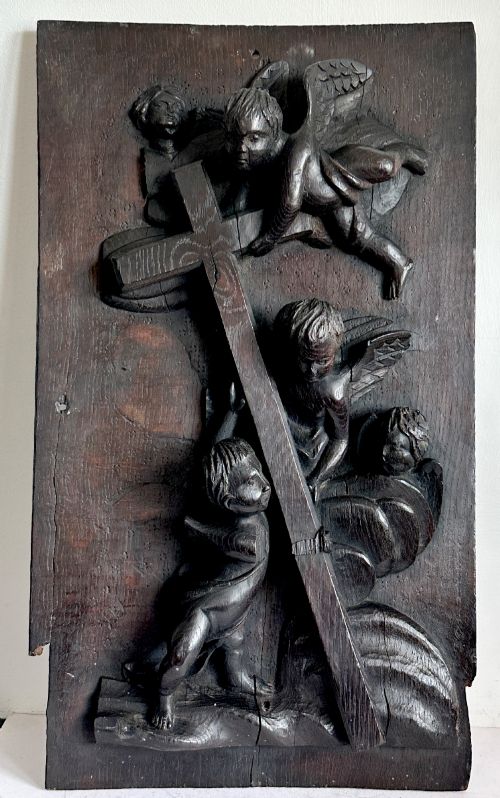
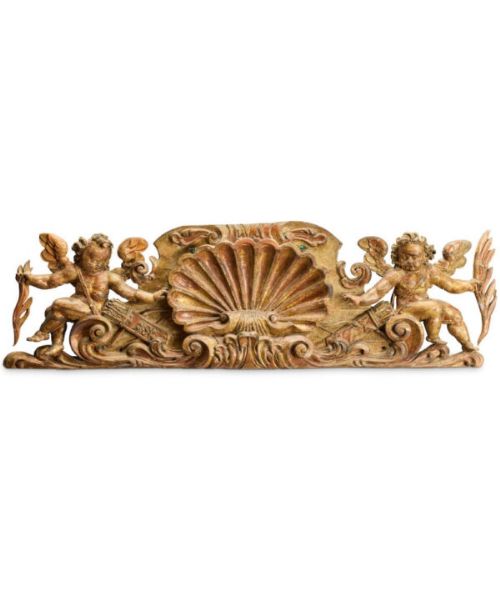
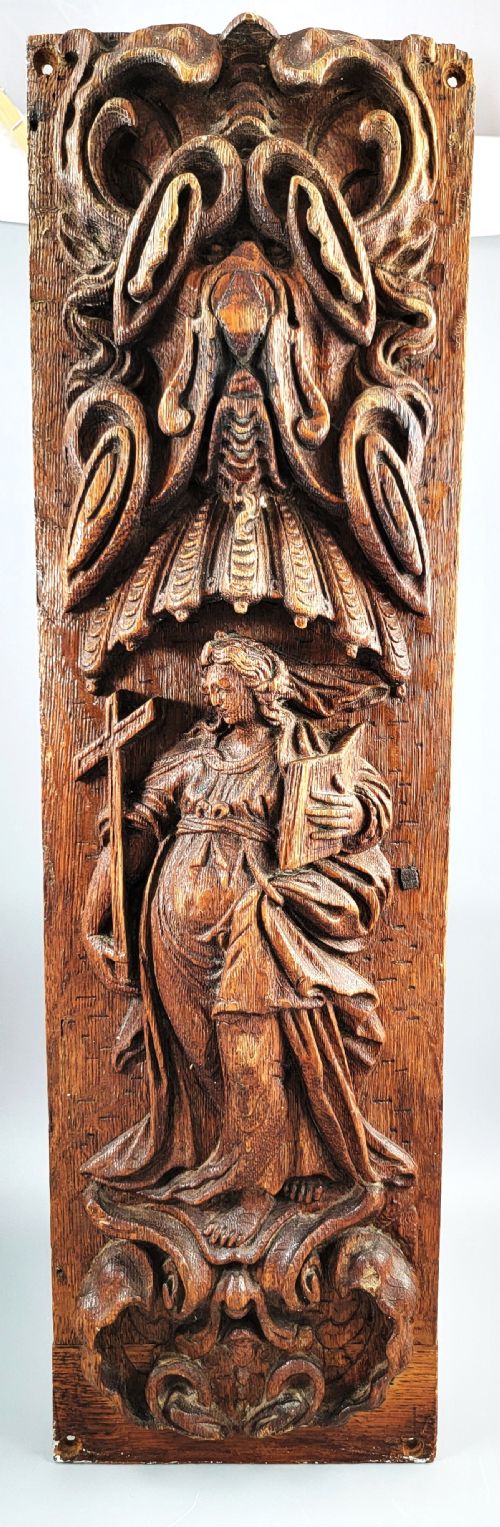
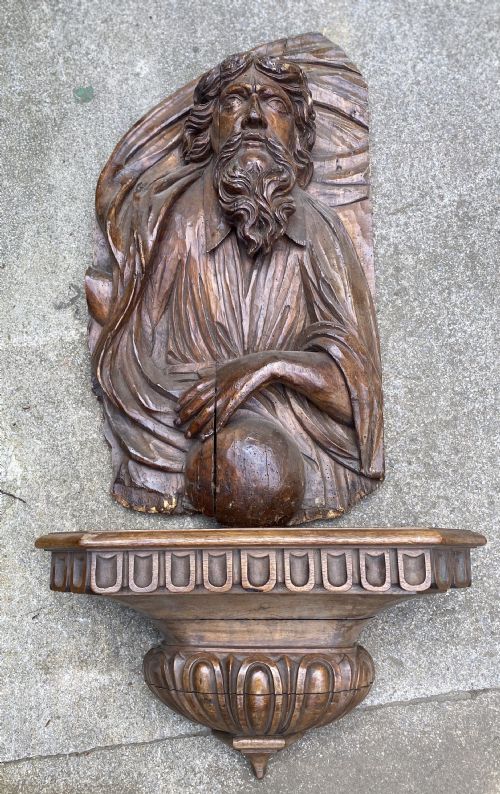
A baroque carved timber relief functions as a significant focal point, taking the form of wall sculptures, architectural fragments, and structural panels originating from the seventeenth and eighteenth centuries. These pieces translate theatrical seventeenth-century design principles into deep-relief wood carving, depicting mythological figures, allegorical scenes, and celestial cherubs.
Most examples encountered here consist of robust oak, walnut, or chestnut panels shaped by continental and English carvers. Buyers select these architectural salvages to anchor period interiors, bringing centuries-old craftsmanship directly into domestic spaces.
Materials and construction
Surfaces were frequently finished with gesso and gold leaf or detailed polychrome pigments to heighten theatrical contrast under candlelight. Pierced carving techniques removed background material entirely to create dramatic shadows behind acanthus leaves and figural compositions.
Baroque Carved Timber Relief Retail Price Guide 2026
Typical asking prices for baroque carved timber relief among the pieces listed under this phrase on Sellingantiques today, from the lower quarter to the upper quarter. They describe what is for sale here now, not the wider market.
Listings feature seventeenth and eighteenth-century oak, walnut, and chestnut panels spanning English, Flemish, German, and Italian regional styles.
Factors of quality
Quality rests upon the anatomical precision of the figures and the sharpness of the chisel work within recessed areas. Superior panels display confident, fluid motion in acanthus scrolls and expressive depth in human subjects rather than shallow, mechanical execution.
The integrity of the original timber surface also dictates value, where untouched patination and traces of historic polychrome or gilding elevate an architectural fragment. Greater depth of relief requires exceptional skill, distinguishing workshop pieces from standard decorative production.
Grinling Gibbons·Edward Pearce
The Baroque Carved Timber Relief Glossary
- Baroque
- An artistic style originating in the seventeenth century characterised by dramatic movement, deep relief, and theatrical ornamentation. It prioritises emotional intensity and grand scale across sculpture and architecture.
- Architectural salvage
- Elements removed from historical buildings, including overdoors, pediments, and structural panels. These pieces once formed part of a larger interior scheme before being repurposed for display.
- Polychrome
- The practice of decorating carved timber surfaces with multiple colours of paint. It adds lifelike realism and decorative richness to figural panels and religious sculptures.
- Gesso
- A plaster-like preparation mixture used as a smooth base for gilding or painting on wood surfaces. It provides a bright foundation that enhances the brilliance of gold leaf.
- Acanthus
- A classical ornamental leaf motif heavily utilised in baroque carving to frame panels and create flowing scrollwork. It derives its shape from Mediterranean flora.
Baroque Carved Timber Relief: Frequently Asked Questions
How were these panels originally displayed?
These carvings typically functioned as permanent fixtures within grand domestic interiors, churches, and civic buildings. They were integrated into wall panelling, overdoors, and staircases as decorative architectural elements.
Over subsequent centuries, many panels were removed from their original settings to be preserved and mounted independently as wall art.
How do I secure a heavy wood panel to the wall?
Mounting heavy timber reliefs requires assessing the weight of the dense oak or walnut and locating secure wall studs or masonry anchors. Professional metal brackets or custom french cleats are often employed to support the substantial mass safely.
Consulting a specialist installer ensures the antique timber remains stable without incurring structural stress from improper hanging.
Can these carvings be placed in modern interiors?
These pieces provide a striking textural contrast against neutral, contemporary walls. Their deep relief and historic patination create an immediate focal point in minimalist or transitional spaces.
Placing them away from direct heat sources and strong sunlight preserves the stability of the dry timber and historic surface treatments.
How do I distinguish seventeenth-century work from later copies?
Authentic seventeenth-century examples display tool marks consistent with hand chisels and natural timber shrinkage over centuries. The carving depth and anatomical proportions align with the specific regional practices of the period.
Examination of the reverse side often reveals period joinery methods and ageing patterns absent in later reproductions.