

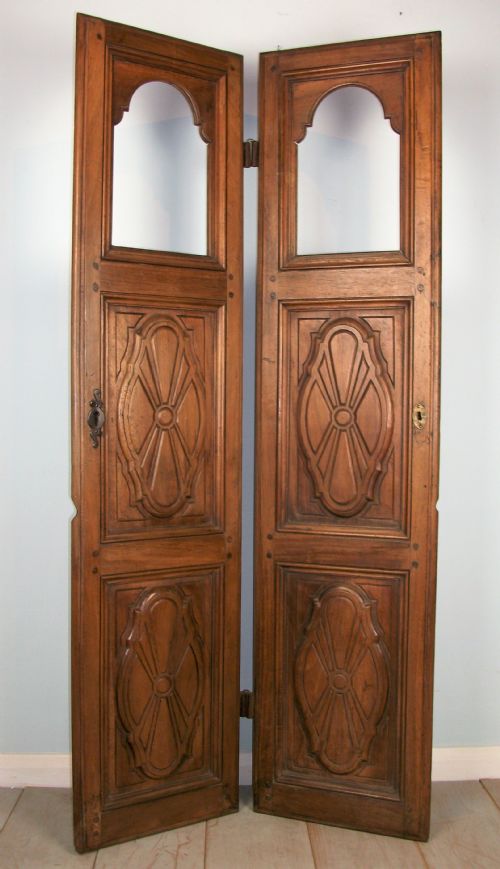


Italian Baroque Carved Panel
An italian baroque carved panel brings intense relief and rich timber grain to a room.
Italian Baroque Carved Panel
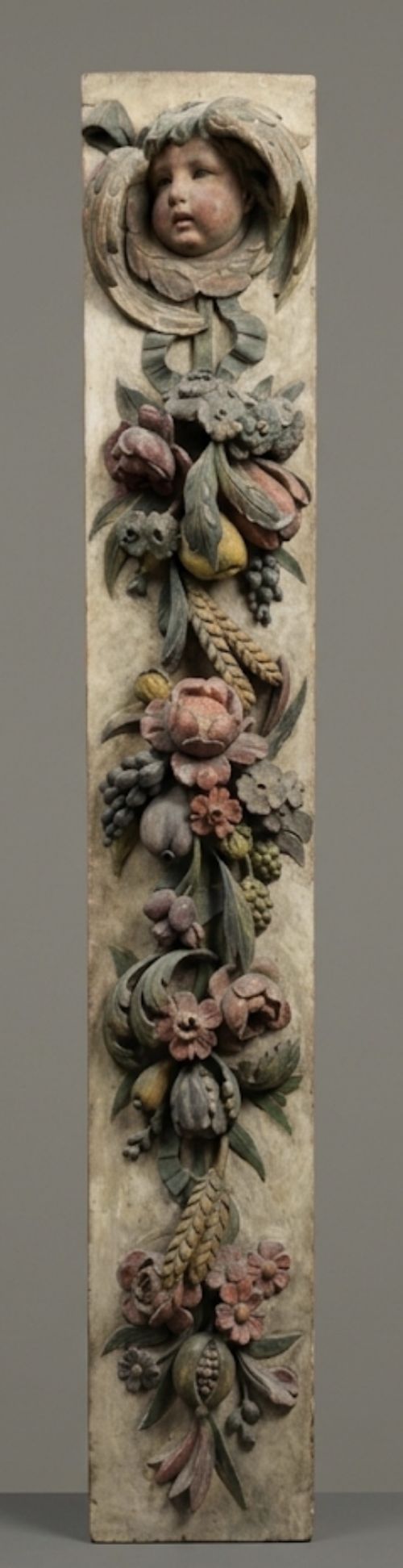
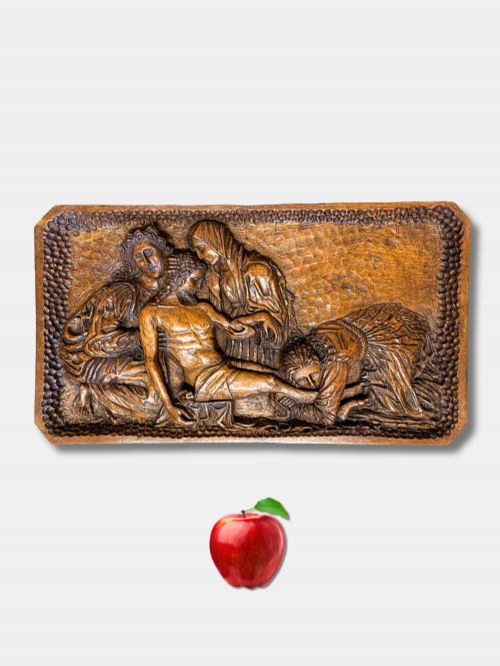
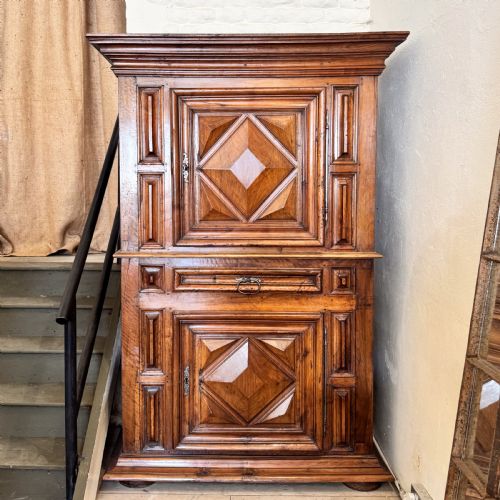
An italian baroque carved panel displays the deep relief work and dynamic forms typical of southern European woodworking from the seventeenth century onward. Buyers searching for an italian baroque carved panel frequently encounter architectural fragments, wall reliefs, and cupboard doors shaped from dense timber.
The selections span seventeenth-century religious subjects like Christ's Lamentation and cherub putto heads, alongside eighteenth-century domestic panels and later nineteenth-century interpretations. These items function as wall decorations or architectural salvage built to anchor a period interior.
How they were made
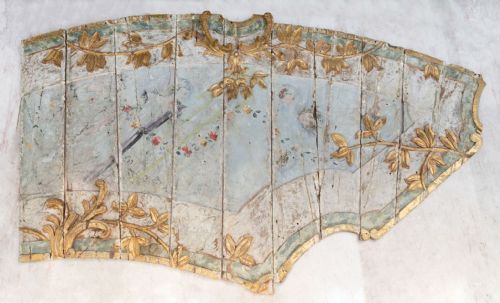
Craftsmen shaped walnut, chestnut, and general wood substrates using hand chisels to achieve deep three-dimensional undercut relief. Surfaces often received applications of gesso, gold leaf, or polychrome oil paint to enhance the theatrical light and shadow characteristic of the style.
Hardware components incorporate iron and brass hinges or mounts where panels formed parts of larger cupboards, sideboards, or doors. The integration of oil paint on board or wooden panels occasionally complements the sculptural woodwork within the same grouping.
Italian Baroque Carved Panel Retail Price Guide 2026
Typical asking prices for italian baroque carved panel among the pieces listed under this phrase on Sellingantiques today, from the lower quarter to the upper quarter. They describe what is for sale here now, not the wider market.
Keep an eye out for winged cherubs watching the room from deep seventeenth-century timber.
What varies in quality
The depth and vigour of the chisel work dictate the sculptural success of each piece, distinguishing spirited seventeenth-century carvings from flatter later adaptations. Crisp anatomical definition in figures and cherubs separates superior relief panels from simpler decorative timberwork.
The preservation of original surface treatments, such as polychrome pigment and gold leaf over gesso, determines the historical integrity of the object. Intact architectural context, such as surviving panelled doors or structural framing, elevates the significance of the surviving woodwork.
The Italian Baroque Carved Panel Glossary
- Baroque
- A European artistic style originating in the seventeenth century characterised by dramatic movement, deep relief, and theatrical presence. It values emotional intensity and grand scale.
- Gesso
- A plaster-like mixture applied to wood surfaces to prepare them for gilding or painting. It provides a smooth ground for decorative finishes.
- Polychrome
- The practice of decorating architectural elements or sculptures in multiple colours. It highlights carved details with painted pigments.
- Architectural fragment
- A surviving portion of a larger building or furnishing salvaged for its decorative or historical merit. These pieces often transition from structure to wall art.
- Putto
- A representation of a plump, winged infant frequently carved in seventeenth-century Italian woodwork. They add a classical motif to religious and secular panels.
Italian Baroque Carved Panel: Frequently Asked Questions
What is an italian baroque carved panel?
An italian baroque carved panel is a decorative wooden carving displaying the theatrical movement and deep relief typical of seventeenth and eighteenth-century southern European craftsmanship. These items originate as wall reliefs, cupboard doors, or architectural fragments.
Such panels bring historical depth and sculptural presence to modern interiors when hung on walls or integrated into joinery.
How were these panels used originally?
Original uses included decorating the walls of grand buildings, facing large cupboards and sideboards, or forming parts of architectural doors. Artisans designed them to project status and religious devotion through dramatic imagery.
Today they serve primarily as standalone wall art or statement pieces within period room settings.
How do I identify a seventeenth century piece?
Seventeenth-century examples often feature dynamic religious iconography, such as cherub putto heads or lamentation scenes, carved directly into dense walnut or chestnut. The tool marks show hand-chiselled execution rather than mechanical shaping.
Subtle signs of age include the oxidation of the timber and the integration of period iron or brass fixings.
How do I care for wooden wall reliefs?
Maintain stable indoor humidity levels to prevent the dense timber and gesso layers from cracking or warping over time. Avoid direct sunlight to protect any remaining polychrome paint and gold leaf.
Dust the deep recesses gently with a soft, dry brush without applying modern polishes or cleaning agents.