



Antique Religious Relief Carving
An antique religious relief carving brings sacred history into a room through textured timber and stone.
Antique Religious Relief Carving
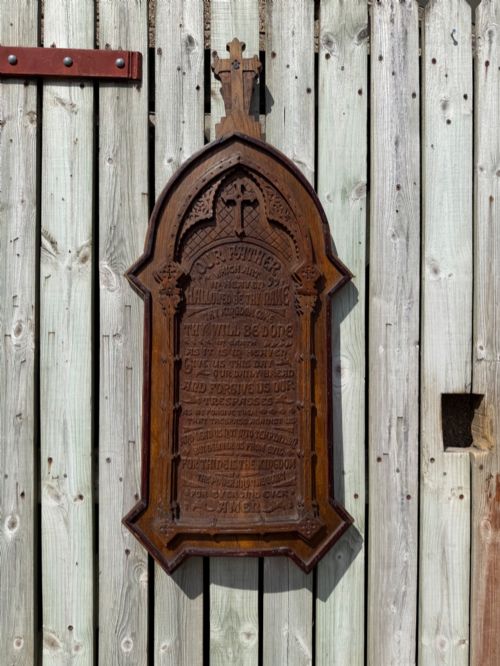
When searching for an antique religious relief carving, a buyer encounters wall panels, plaques, and sculptures depicting sacred narratives. The pieces range from pre-sixteenth century stone figures to nineteenth-century plaques and twentieth-century devotional objects.
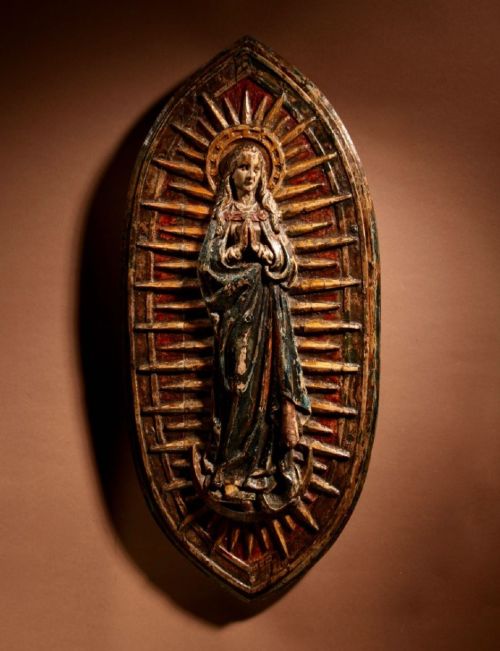
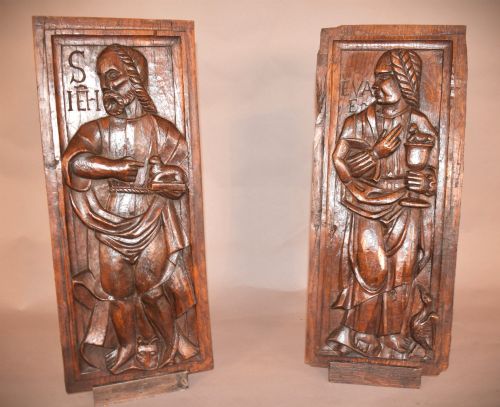
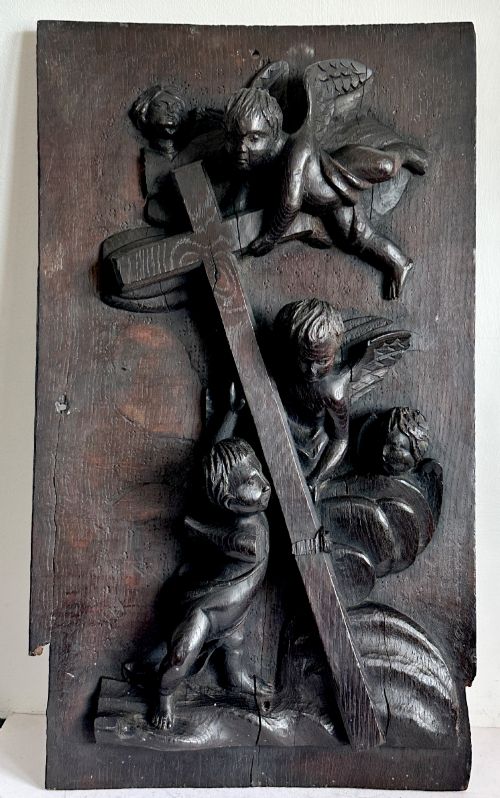
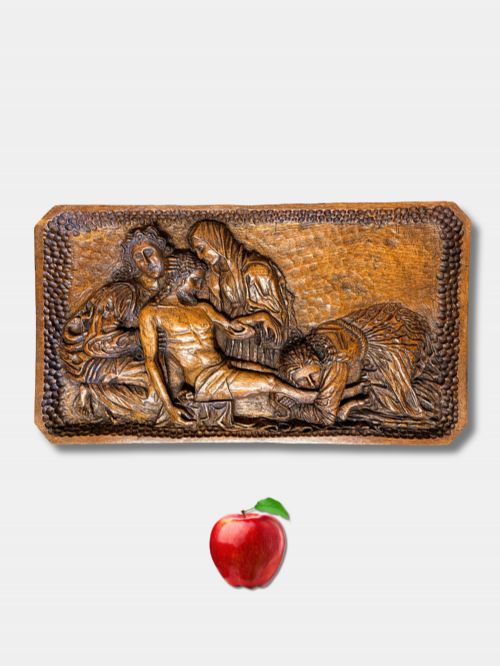
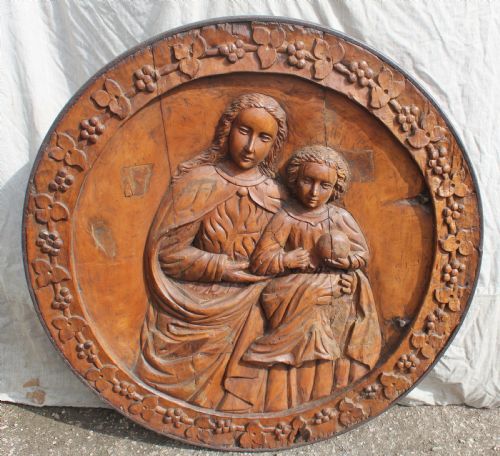
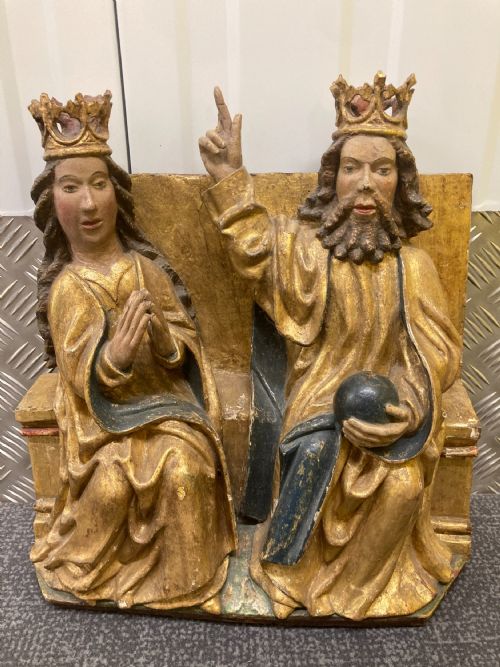
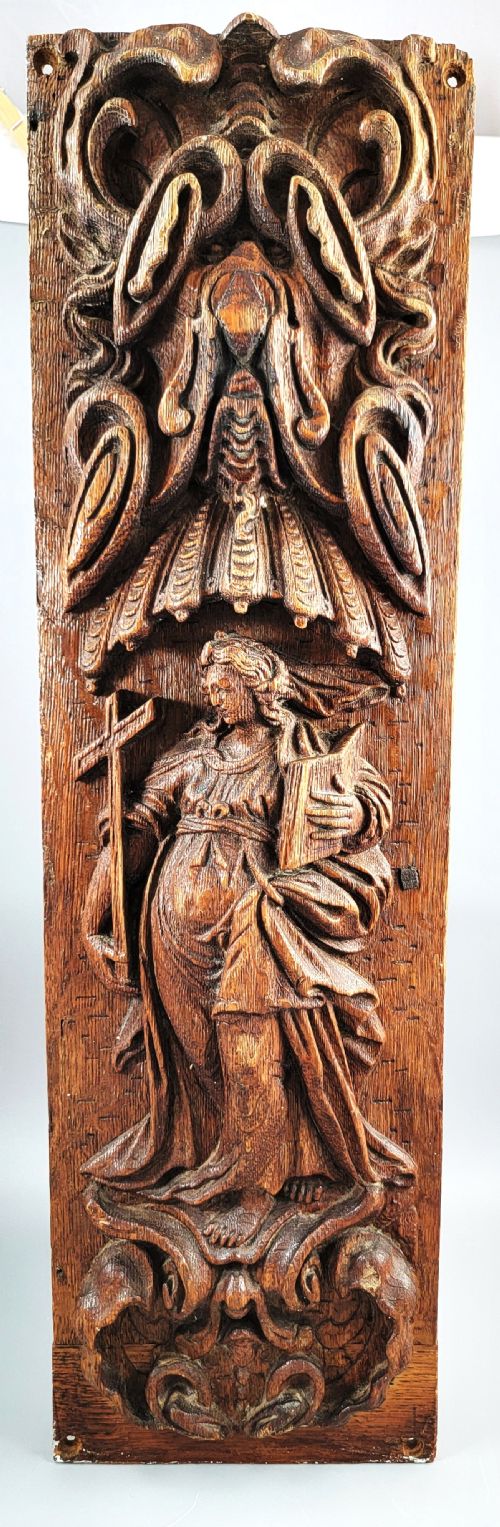
Oak panels and carved wood wall reliefs dominate the selection, often originating from altarpieces, church furnishings, or domestic devotional shrines. Figures such as the Virgin Mary, Christ, and various saints appear frequently across the centuries.
European workshops from the sixteenth and seventeenth centuries provide many of the sculptural wood panels. Italian, Flemish, and German pieces reflect Renaissance, Gothic, and Baroque stylistic traditions.
How they were made
Carvers shaped dense hardwoods like oak, walnut, and chestnut using chisels and gouges to create varying depths of projection. Some items utilise stone, marble, or mother of pearl shell for intricate figurative work.
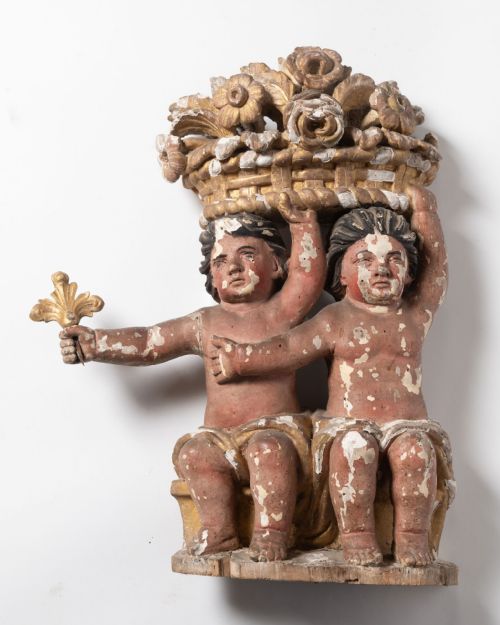
Surfaces often received layers of gesso, polychrome paint, or gold leaf to enhance the visual impact of the sacred subjects. These applied finishes brought dimension and colour to altarpieces and wall plaques.
Listings feature woods such as oak and walnut alongside stone, marble, and mother of pearl across multiple centuries.
What varies in quality
The precision and depth of the chisel work dictate the sculptural refinement of each figure. Master carvers achieved expressive faces and natural drapery folds that distinguish superior panels from simpler folk art.
The survival of original surface treatments, such as polychrome paint or gilding, alters the visual character of a carving. Intact early finishes elevate the historic integrity of the piece.
The Antique Religious Relief Carving Glossary
- Relief carving
- A sculptural technique where figures project from a flat background. The depth ranges from shallow low relief to deep high relief.
- Polychrome
- Painted in several colours. This term describes wood and stone carvings finished with decorative pigments.
- Altarpiece
- A structured work of art set above an altar. Many surviving panels originated from these large ecclesiastical installations.
- Giltwood
- Wood that has been thinly coated with gold leaf or gold paint. This technique added luminous highlights to religious sculptures.
- Gesso
- A plaster mix used as a smooth base for paint and gold leaf on wooden panels. It prepared the carved surface for fine decoration.
Antique Religious Relief Carving: Frequently Asked Questions
How were antique religious carvings used?
These carvings served primarily as focal points for prayer and worship in religious buildings and homes. Many formed part of larger altarpieces or church furnishings.
Over time, domestic spaces also housed smaller plaques and panels for personal devotion. Today, they function as decorative wall art and historical artefacts.
How do I date a carved wooden panel?
Dating relies on stylistic clues, tool marks, and the type of wood utilised in the construction. Gothic, Renaissance, and Baroque motifs point to specific centuries of production.
Examining the back of the panel and any surviving surface finishes helps determine the age. Comparing the figural style to known regional workshops narrows down the period further.
How do I hang a heavy wood relief?
Heavy wood reliefs require secure wall fixings suited to the weight of the dense timber. Professional assessment of the wall structure ensures the piece remains safely supported.
Hardware should distribute the load evenly across the frame or backing. Brackets or french cleats are commonly utilised for substantial wooden wall panels.
What styles appear in religious carvings?
The styles span Gothic, Renaissance, Baroque, and folk art traditions across various European regions. Italian and Flemish workshops often produced ornate Baroque panels.
Earlier medieval pieces display Gothic architectural influences and linear drapery. Folk art examples offer simpler, regional interpretations of sacred figures.