



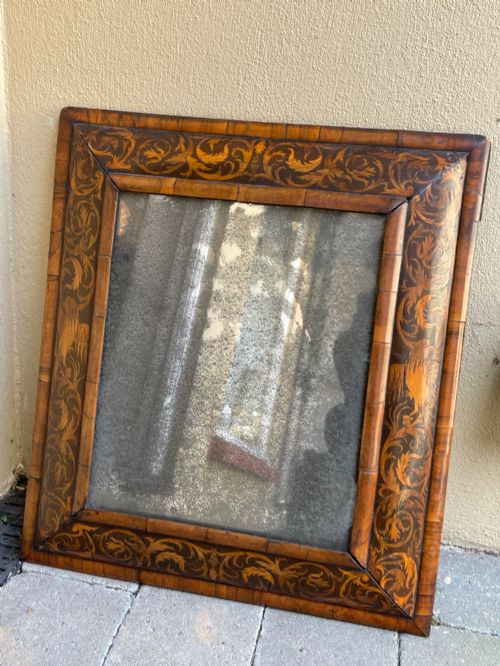
Baroque Carved Frame
These substantial pieces offer deep historical presence, bringing centuries of dramatic ornamentation into modern rooms through ornate timber and gilded surfaces.
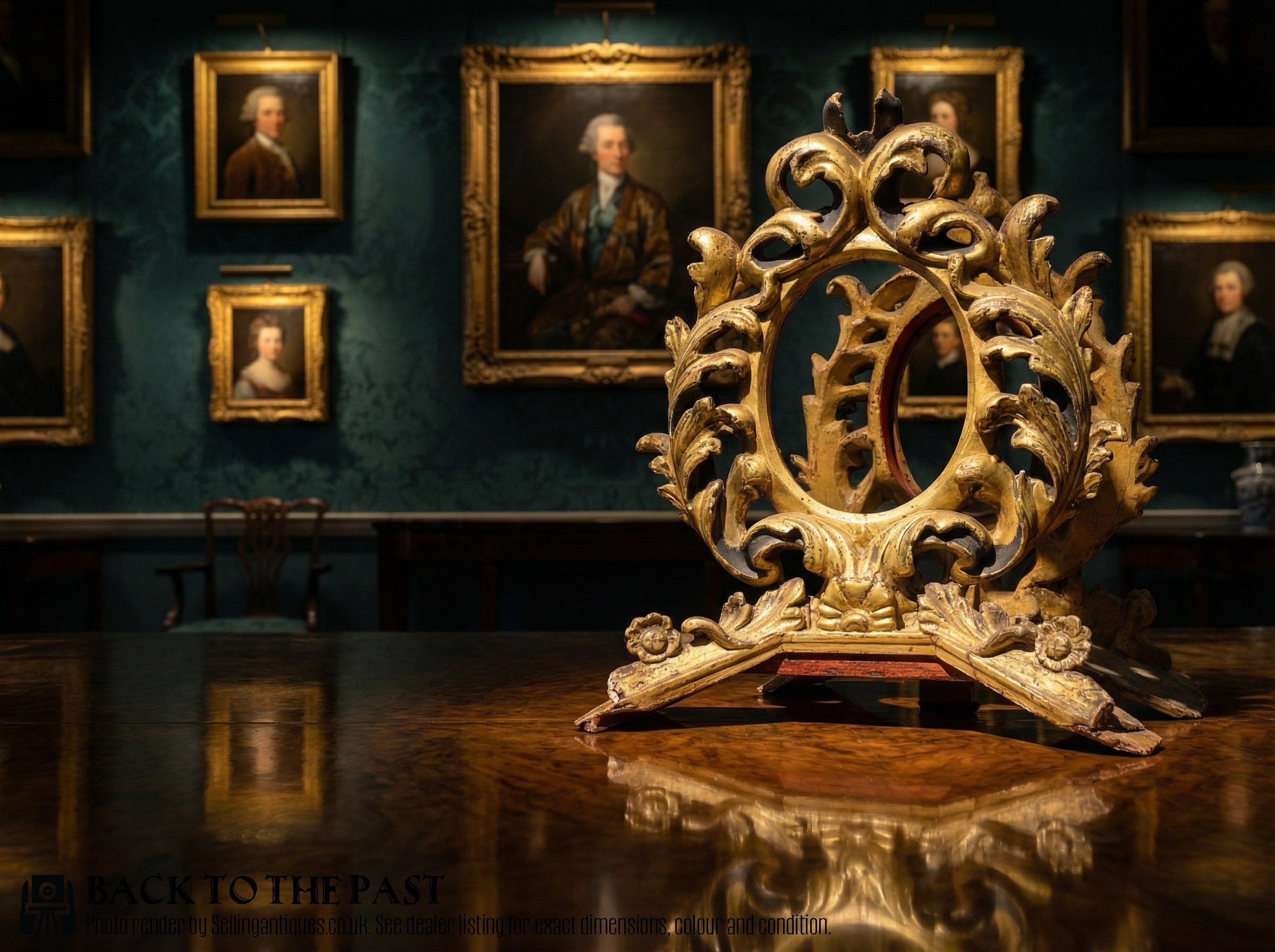
Baroque Carved Frame
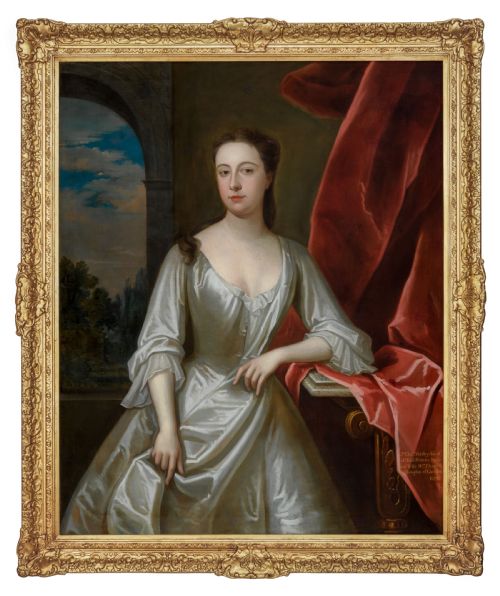
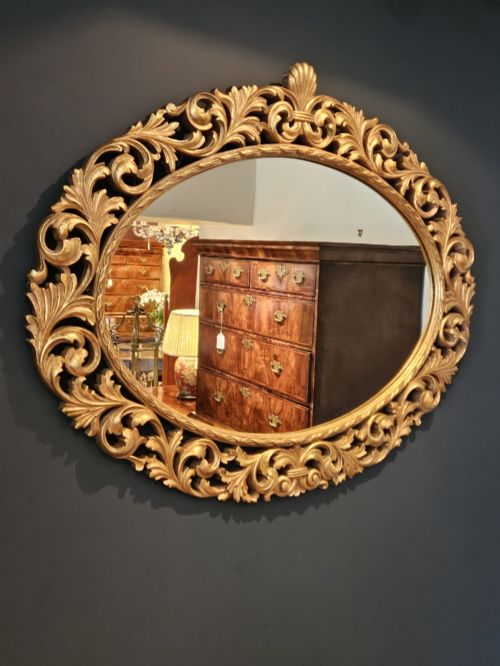
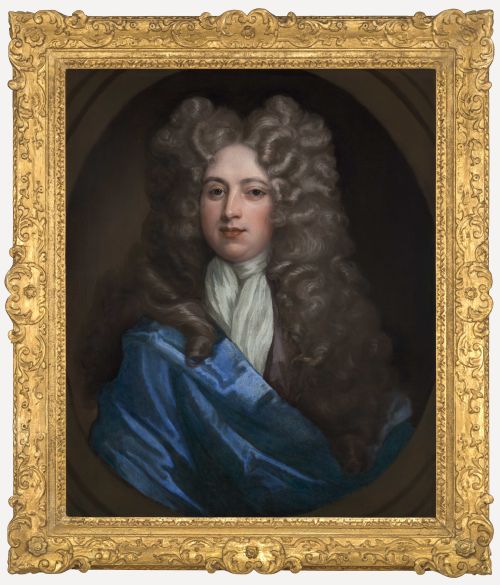
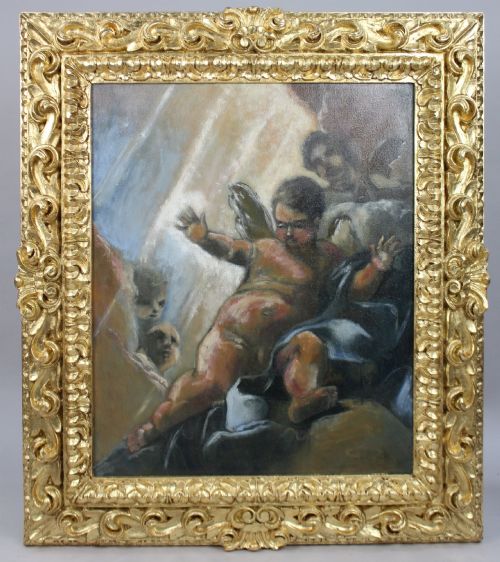
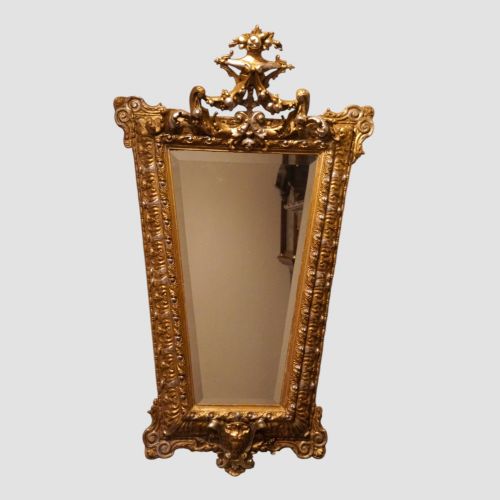
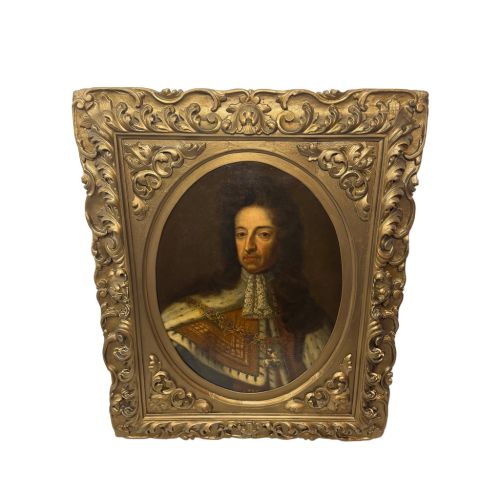
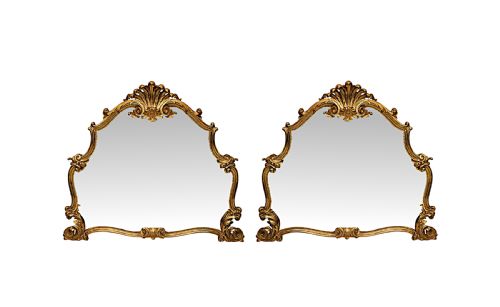
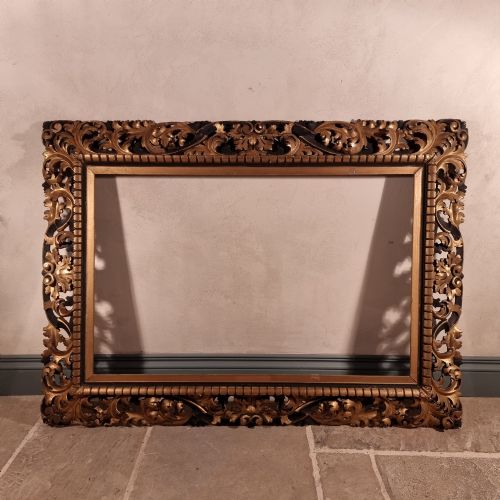
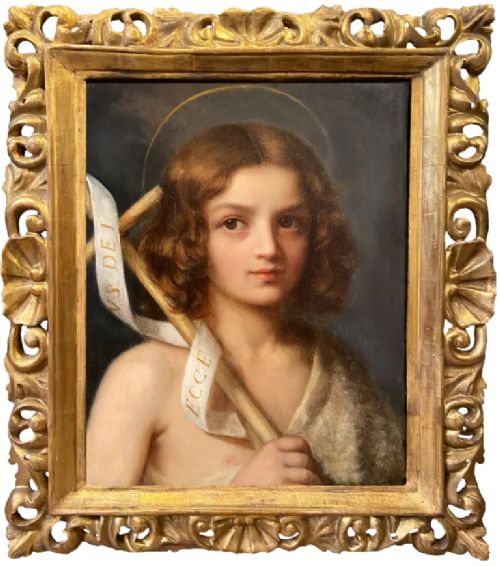
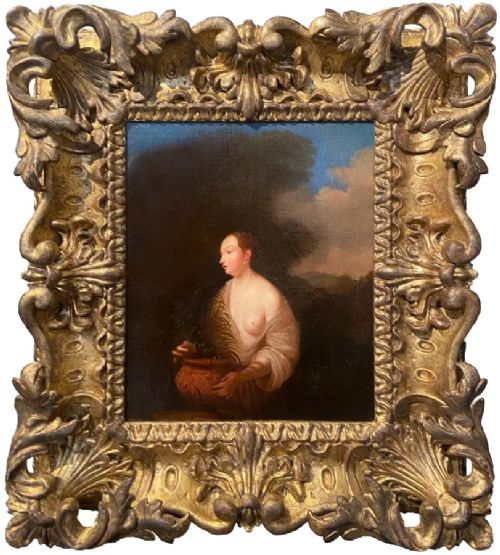
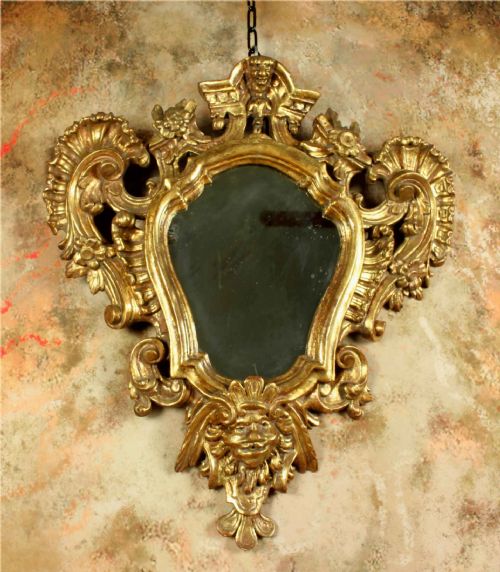
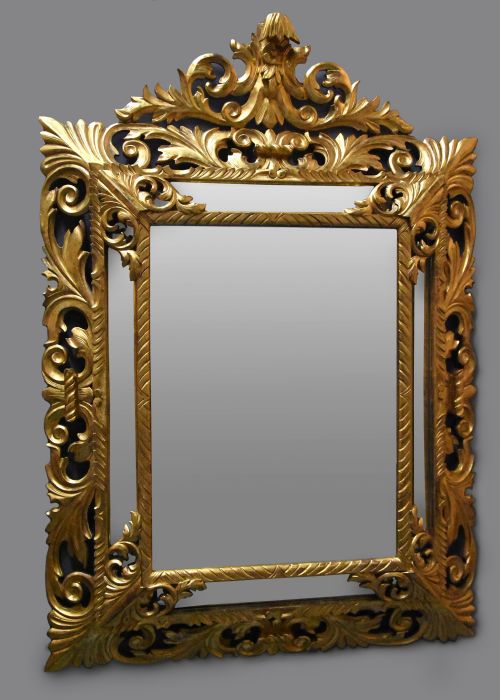
When you search for baroque carved frame, you encounter heavy wooden wall mirrors, oil paintings, and decorative picture frames dating from the seventeenth century through to later revival periods. The majority of surviving examples on this page comprise Italian wall mirrors and oil portraits originating from the nineteenth century, alongside older seventeenth-century works.
These objects frequently take the form of large overmantel mirrors, cushion mirrors, and rectangular canvas surrounds displaying deep relief carving. Italian ateliers dominate the selection, particularly Florentine and Venetian workshops producing heavily ornamented giltwood designs.
Beyond mirrors, the category encompasses historical oil paintings on canvas depicting subjects in elaborate costume, set directly within their original or period-appropriate carved wooden housings.
How they were made
Makers constructed these pieces using carved timber or wood foundations, building up intricate relief ornament with gesso before applying gold leaf, silver-gilt, or oil paint. Artisans shaped the wood by hand to create deep scrolls, foliage, and masks characteristic of the style.
Reflecting surfaces rely on period glass plates, including original mercury plates found in earlier examples. Finished frames combine carved wood with metallic leaf layers to achieve a reflective, luminous appearance.
The listings include seventeenth-century oil paintings alongside nineteenth-century Italian Florentine mirrors.
What varies in quality
The depth and crispness of the hand-carved detail distinguish finer examples from simpler production, particularly where relief ornament retains sharp undercut edges. The quality of the gilding and the preservation of the original gesso surface also dictate the standing of a piece.
For mirrors, the survival of the original glass plate adds significant character compared to later replacements. In paintings and frames together, the harmony between the wooden structure and its historical surface finish defines the standard.
Sir Godfrey Kneller·Sir Anthony van Dyck·Thomas Murray·Jan Cossiers·Nicolaes Maes
The Baroque Carved Frame Glossary
- Giltwood
- Wood covered with a thin layer of gold leaf over a prepared gesso ground. This finish provides the characteristic metallic brilliance seen on seventeenth and eighteenth-century mirrors.
- Gesso
- A plaster mixture applied to wooden frames as a smooth base for gilding. Artisans carved intricate details directly into this hardened layer before applying gold leaf.
- Mercury plate
- An early type of mirror glass made using a tin-amalgam backing process. These plates display subtle imperfections and a deep, cloudy reflectivity unique to older manufacture.
- Cushion mirror
- A frame profile featuring a wide, rounded slope resembling a cushion. This swelling shape focuses attention toward the central glass plate.
- Pier glass
- A tall mirror designed specifically to hang on the narrow wall space between windows. These pieces often matched architectural proportions of period rooms.
Baroque Carved Frame: Frequently Asked Questions
How do I clean a giltwood frame?
Dust surfaces gently using a soft, dry brush without applying moisture or modern cleaning solutions. Liquid cleaners strip the delicate gold leaf and historical gesso layers.
Protect the surrounding wood from direct sunlight and excessive humidity to prevent the underlying timber from cracking or warping over time.
Are these mirrors original to the seventeenth century?
Many frames combine seventeenth or eighteenth-century elements with later restorations or nineteenth-century revival craftsmanship. Examining the construction of the wooden backing and the type of glass helps determine age.
Surviving pieces often show signs of historical wear across the gilt surface that distinguish period originals from modern reproductions.
How were pier mirrors used historically?
Pier mirrors hung between large windows to reflect natural light deeper into dark period drawing rooms. They paired frequently with console tables placed underneath.
Their tall, vertical proportions maximised available light while serving as grand decorative focal points on otherwise empty wall spaces.