



Baroque Cabinet
When you search for a baroque cabinet, you are looking at substantial timber storage pieces defined by architectural presence and decorative surface work.
Baroque Cabinet
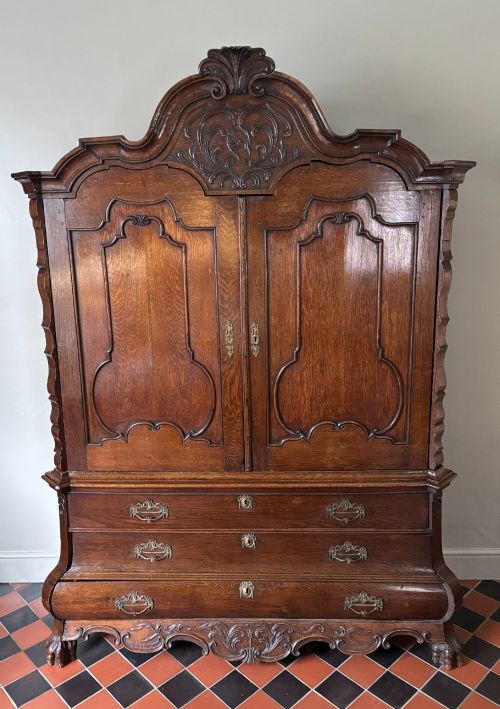
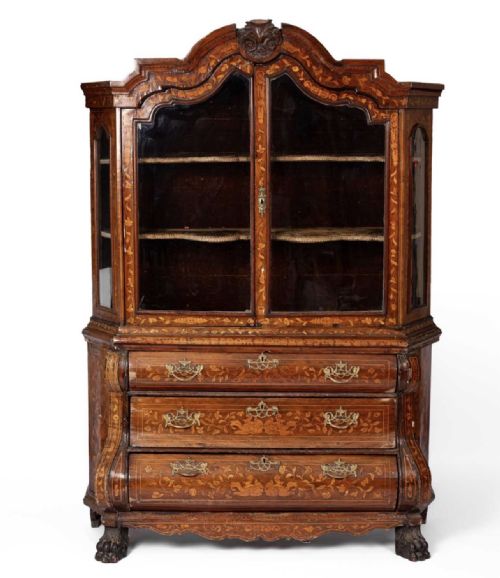
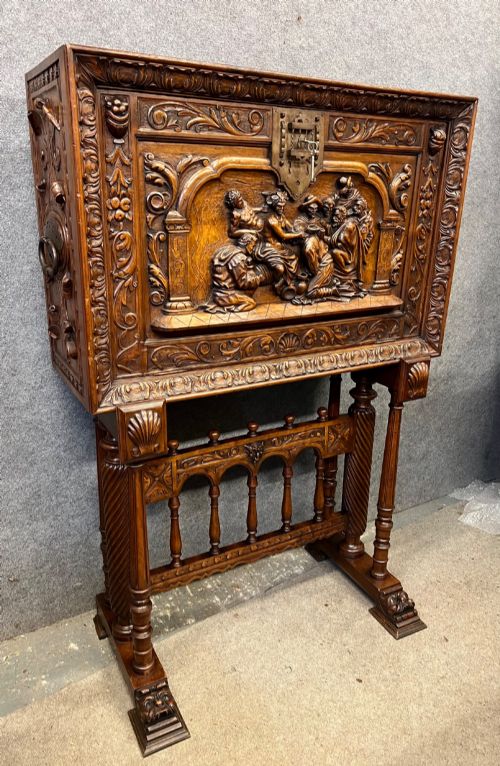
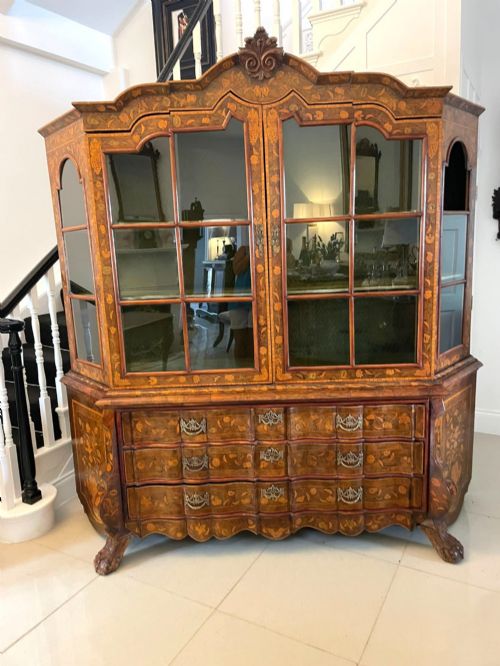
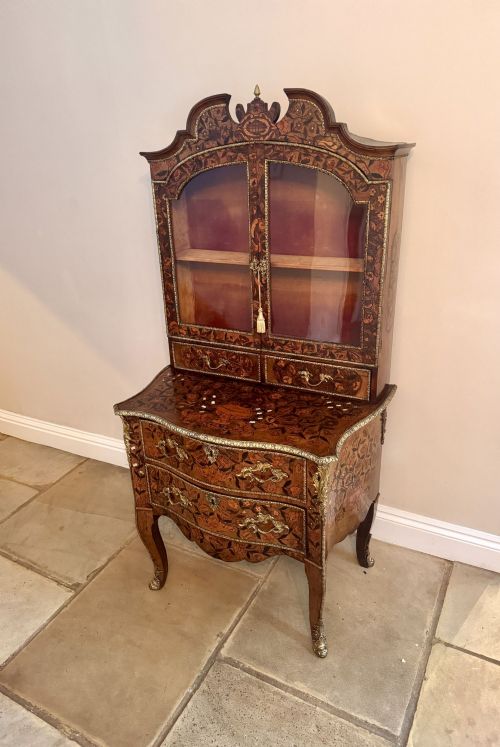
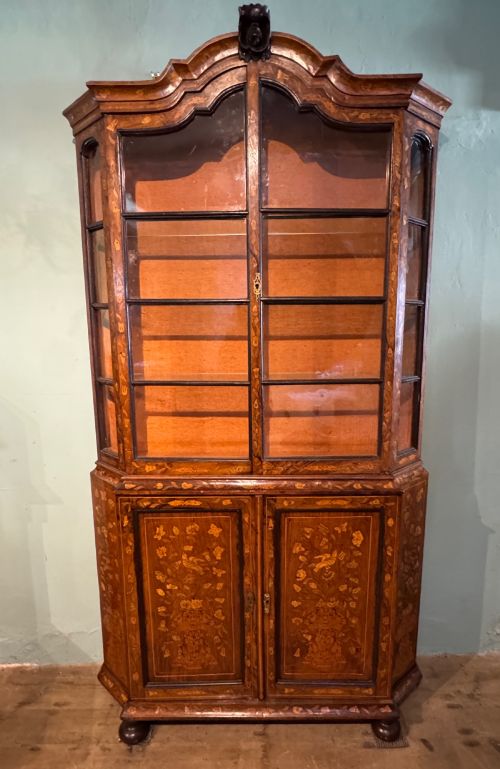
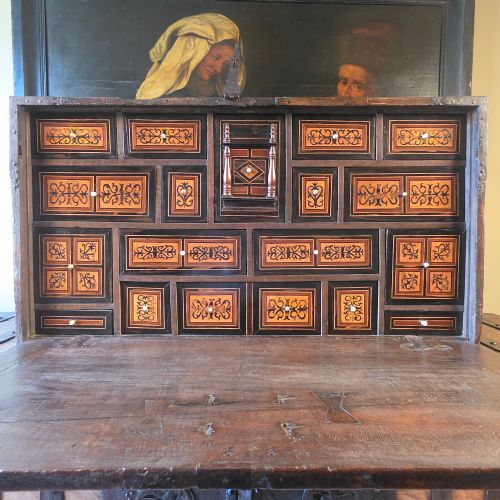
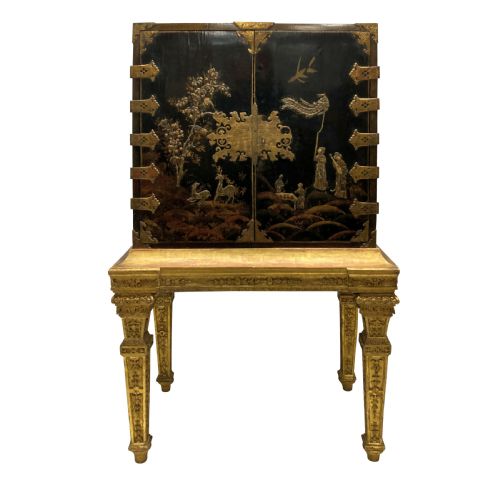
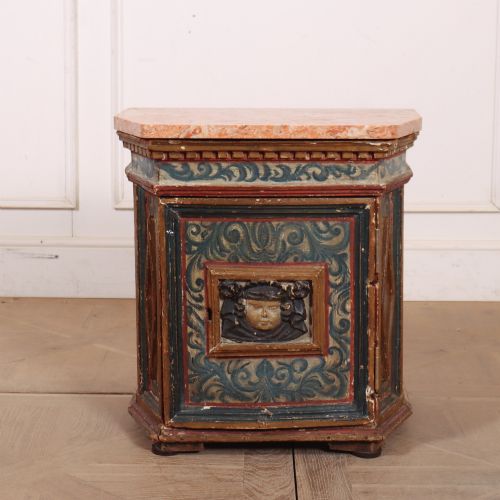
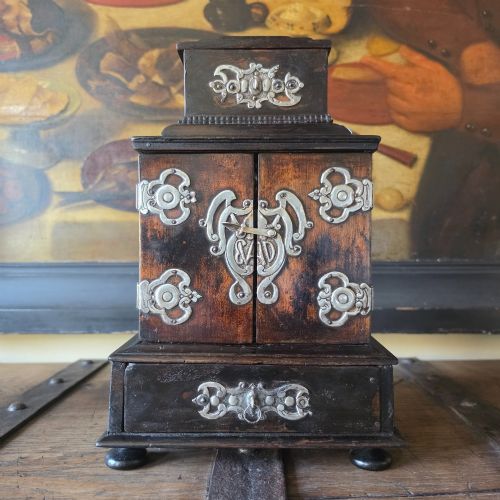
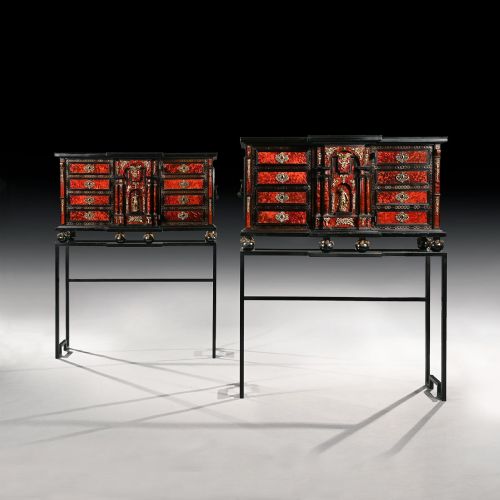
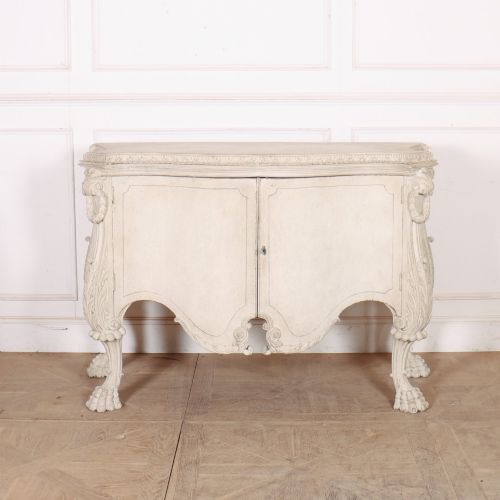
A baroque cabinet brings together centuries of regional furniture design, ranging from 17th century examples to later revivals. Buyers seeking this form will frequently encounter Dutch marquetry pieces alongside Italian painted cupboards, Spanish walnut furniture, and Flemish architectural stands.
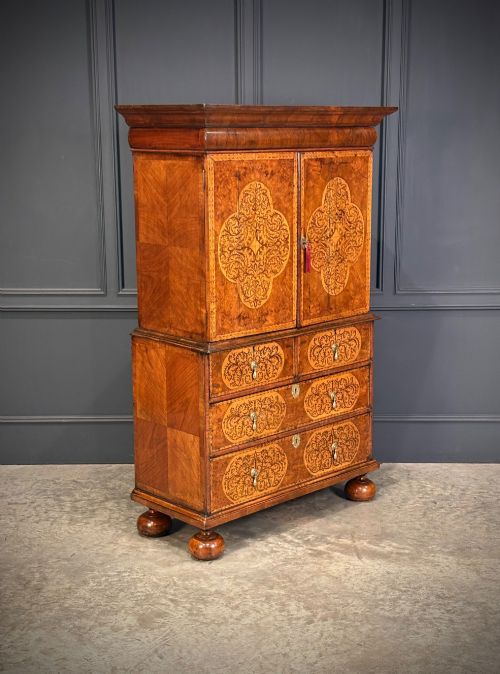
The primary forms include cabinets on stands, linen presses, display vitrines, and bureau bookcases. These functional storage units combine enclosed cupboard space with writing surfaces or elevated display areas.
Regional variations span across continental Europe, with distinct structural traits appearing in pieces originating from Spain, Italy, France, and the Netherlands. Each centre of production employed local timbers and stylistic motifs typical of the period.
How they were made
Cabinet makers utilised structural timbers such as oak, walnut, and fruitwood to build sturdy carcases and frameworks. These dense woods provided a stable foundation for applied veneers and decorative mountings.
Surfaces were enriched through intricate floral marquetry, seaweed marquetry, and parquetry using contrasting woods, pewter, bone, and tortoiseshell. Certain pieces incorporated painted finishes, gilt bronze mounts, or ebonised wood details to create high contrast.
Joinery techniques included pegged frames, dovetailed drawer construction, and applied mouldings that defined the architectural facade of each piece.
Baroque Cabinet Retail Price Guide 2026
Typical asking prices for baroque cabinet among the pieces listed under this phrase on Sellingantiques today, from the lower quarter to the upper quarter. They describe what is for sale here now, not the wider market.
Some hidden desk compartments still retain the scent of centuries-old cedar and beeswax.
What varies in quality
The refinement of the marquetry and inlay work separates standard examples from exceptional pieces. Artisans who executed crisp, complex floral patterns or detailed pictorial scenes achieved a higher degree of artistry than those producing repetitive or crude motifs.
The selection and matching of wood veneers dictate the visual depth of the facade. Gradations in quality depend on whether the timber shows natural grain movement and how precisely the veneer sections align across the doors and drawers.
The integration of original mounts, hinges, and handles alongside the condition of carved elements influences the integrity of the piece. Surviving historical surfaces and authentic structural hardware elevate the standing of any cabinet.
Edwards and Roberts·Simon Troger
The Baroque Cabinet Glossary
- Marquetry
- Decorative patterns formed by inserting thin pieces of wood, ivory, or metal into a veneered surface. This technique created elaborate floral arrangements and pictorial scenes across drawer fronts and cabinet doors.
- Cabinet on Stand
- A distinct form comprising a primary storage box resting upon an independent table or framed base with legs. These pieces elevate heavy storage compartments to display eye-level contents.
- Boulle
- A method of marquetry using tortoiseshell and brass inlay developed in France. It produces a shimmering metallic and dark shell pattern across the surface.
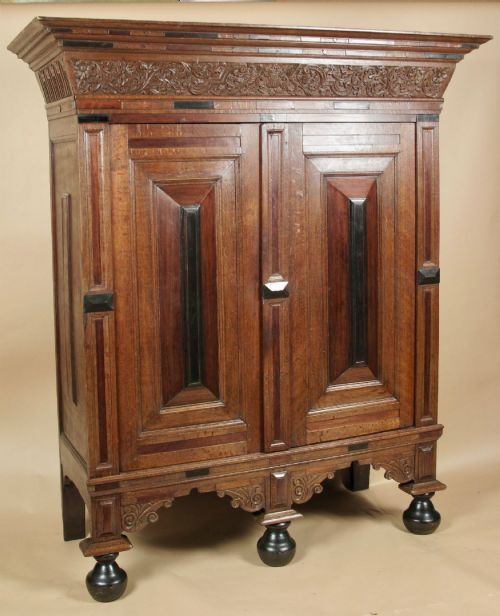
- Kussenkast
- A traditional Dutch cupboard style featuring cushion-moulded panel doors. The term describes the pillow-like protrusions on the cabinetry facade.
- Bargueño
- A type of portable writing cabinet originating in Spain, fitted with numerous small drawers behind a drop front. They often rest on decorative stands or tables.
Baroque Cabinet: Frequently Asked Questions
What is a baroque cabinet?
A baroque cabinet is a heavy timber storage piece built with architectural mouldings, dramatic proportions, and ornate surface decoration.
These items range from large linen presses and bureau bookcases to compact cabinets on stands originating from seventeenth and eighteenth-century European workshops.
How do I identify a Dutch marquetry cabinet?
Dutch marquetry cabinets are typically recognised by dense floral inlay work executed in varied timbers across walnut carcases. They often feature serpentine or bombe shaping on the lower chests.
Many examples include glazed upper doors or fall fronts that conceal fitted desk interiors.
Where were these cabinets made?
The pieces originate from workshops across continental Europe, with strong representations from the Netherlands, Italy, Spain, and Flanders.
Each region utilised local wood supplies and distinct decorative techniques, such as Spanish tortoiseshell mounts or Italian painted finishes.
How do I care for antique wood cabinets?
Antique wood cabinets require stable indoor humidity levels and protection from direct sunlight to prevent timber splitting and veneer shrinkage.
Routine maintenance involves gentle dusting with a dry cloth, avoiding modern chemical polishes that can degrade historic finishes.