






Bakhtiari Tribal Runner
These bakhtiari tribal runner pieces are hand-knotted Western Persian floor coverings offering enduring village character and robust utility for narrow spaces.
Bakhtiari Tribal Runner
A bakhtiari tribal runner represents a specific weaving tradition originating from the Chahar Mahal region in Western Persia. These elongated formats served as corridor carpets or utilitarian floor coverings within nomadic and village settlements.
The available selection spans from the late nineteenth century into the early decades of the twentieth century, specifically covering periods around 1880, 1900, 1910, and 1920. Collectors encounter designations such as Luri-Bakhtiari or corridor carpets alongside standard runner rugs and village carpets.
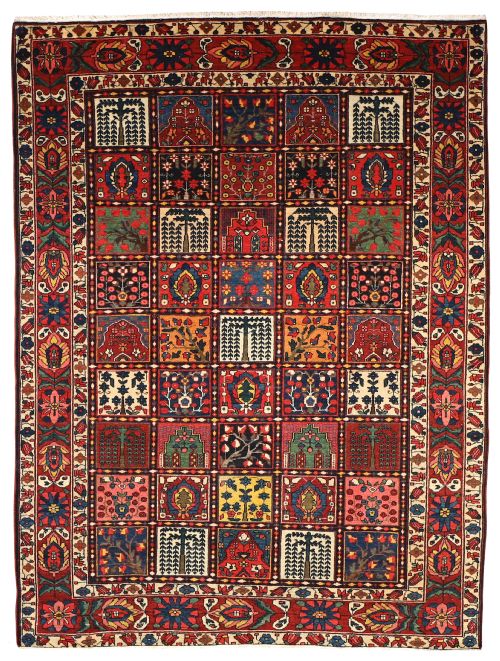
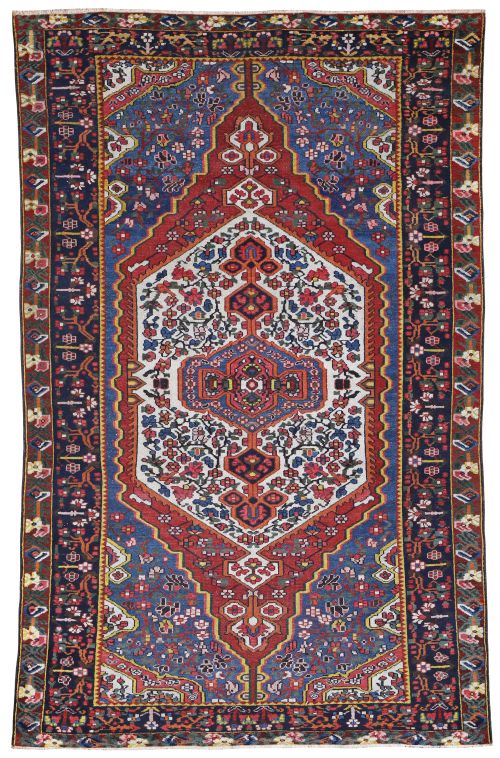
Makers in these Western Persian communities produced distinct formats including garden designs and geometric village patterns. Each piece reflects the regional aesthetic of Persian tribal and Bakhtiari traditions.
Materials and construction
Weavers utilised traditional materials consisting of wool for the pile and cotton for the structural foundations. These organic components provided the necessary durability for heavy daily foot traffic in domestic settings.
The production relied upon natural dyes to achieve the rich colour palettes visible across the surviving examples. Master dyers extracted hues from plant and mineral sources native to the region, ensuring deep saturation.
Bakhtiari Tribal Runner Retail Price Guide 2026
Typical asking prices for bakhtiari tribal runner among the pieces listed under this phrase on Sellingantiques today, from the lower quarter to the upper quarter. They describe what is for sale here now, not the wider market.
Some weavers included bread-making cloths in their repertoire, proving that ancient nomads took their dough preparation very seriously.
Assessing quality and execution
The refinement of the knot density and the precision of the tribal motifs dictate the upper tiers of quality. Finer execution in the village workshops results in crisper geometric definitions and more complex garden layouts.
The integrity of the wool pile and the balance of the natural dye palette determine the overall visual success of the weaving. Superior pieces maintain structural soundness while displaying harmonious colour ageing across the elongated field.
The Bakhtiari Tribal Runner Glossary
- Chahar Mahal
- The historical region in Western Persia associated with the production of these tribal textiles. This district shaped the distinct design vocabulary.
- Kelleh
- A traditional Persian format describing a rug that is longer than it is wide, functioning typically as a room-size carpet or corridor piece. These differ from standard square proportions.
- Sofreh
- A flatwoven or piled spread used traditionally for domestic purposes such as kneading bread or sharing meals. Examples exhibit nomadic utility.
- Pile
- The upright surface yarn of the rug formed by knotted loops of wool. This layer bears the direct wear of foot traffic.
Bakhtiari Tribal Runner: Frequently Asked Questions
What dates do these runners span?
The available pieces date from the late nineteenth century through to the early twentieth century. Specific periods represented include 1880, 1900, 1910, and 1920.
This timeframe captures the transition from nineteenth-century tribal weaving practices into early twentieth-century village production.
How do I place a runner in a home?
Runners suit narrow spaces such as hallways, corridors, galleries, and long entryways. Their elongated proportions direct movement through domestic interiors.
Ensure the floor surface beneath is even and consider a suitable underlay to protect the wool pile from excessive friction.
What materials make up the construction?
The structure relies on a combination of wool and cotton. Wool forms the thick surface pile while cotton provides the strong foundational warp and weft threads.
Natural dyes colour the wool yarns, producing organic tones that develop patina over decades of existence.