


Austrian Cold Painted Dog
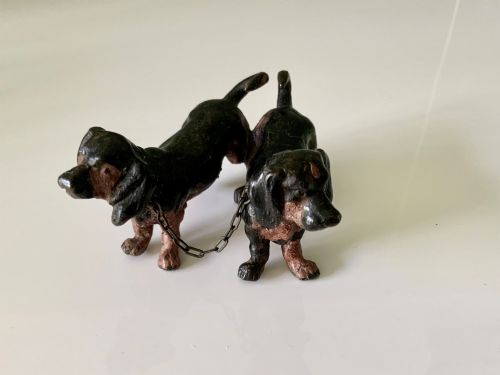
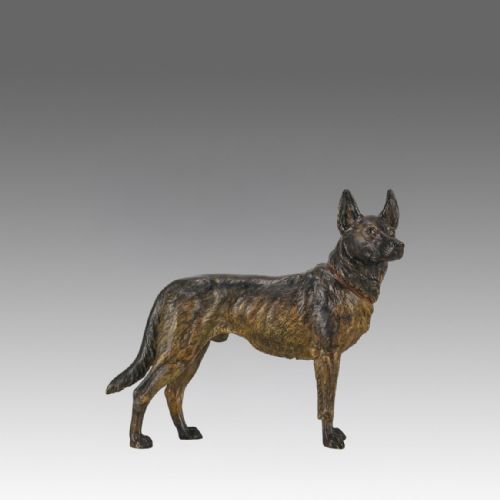
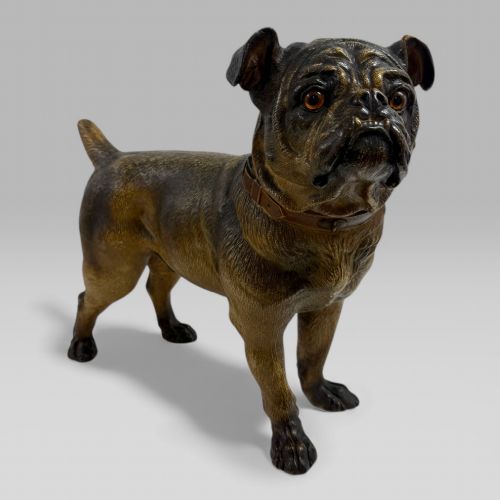
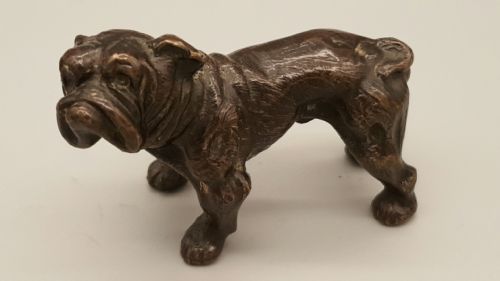
These small, characterful austrian cold painted dog figures capture breeds with humour and precision, bringing spirited personality to a desk or mantel.
Austrian Cold Painted Dog
When you search for an austrian cold painted dog, you encounter small sculptural objects originating from workshops in Vienna during the late nineteenth and early twentieth centuries. These pieces represent various canine breeds, from pugs and dachshunds to terriers and bulldogs, often captured in humorous or lifelike poses.
The most common form you meet on this page is the cabinet bronze, though larger terracotta models and functional items such as inkwells, match strikes, and letter openers also appear. The output spans the Victorian, Edwardian, and later periods up to around nineteen twenty, reflecting a distinct European penchant for decorative animal figures.
Materials and manufacture
The foundation of the majority of these pieces is cast bronze or art metal, poured using traditional techniques before receiving the signature cold-painted finish. Unlike fired enamels, the paint sits on the metal surface without subsequent high-temperature firing, making the original pigment vulnerable to wear over time.
Makers also utilised terracotta for larger, substantial sculptures, applying paint directly to the fired clay body. Metal items frequently combine cast figural groups with trays, dishes, or functional desk accessories.
One particularly cheeky hound is caught in the act of cocking its leg.
Judging quality and character
Preservation of the original surface paint dictates much of the desirability among collectors. Examples retaining their polychrome finish intact show the artisan's touch far more clearly than those with extensive retouching.
Franz Bergman·Stephan Buchinger·Bernard Bloch·Carl Kauba
The Austrian Cold Painted Dog Glossary
- Cold-painted
- A technique where bronze or metal sculptures are painted with oil-based or tempera pigments rather than fired in a kiln. This finish sits entirely upon the metal substrate.
- Vienna Bronze
- Small, highly detailed bronze sculptures produced in Austrian foundries during the late nineteenth and early twentieth centuries. These works frequently depict animals, human figures, and orientalist scenes.
- Terracotta
- Fired clay used for sculptural modelling. Several pieces on this page utilise this ceramic material for larger dog models rather than cast metal.
- Match strike
- A functional desk or smoking accessory featuring a textured surface designed for igniting safety matches. These often incorporated cold-painted bronze animal figures.
- Spelter
- A zinc alloy commonly utilised as a substitute for bronze in decorative metalwork. It provides a lighter base for cast figures.
Austrian Cold Painted Dog: Frequently Asked Questions
What is cold painting?
Cold painting involves applying oil or enamel colours to a metal or terracotta sculpture without firing the piece in a kiln afterward. Because the paint is simply laid onto the cooled surface, it tends to show age and handling through natural thinning.
This technique allowed Vienna foundries to achieve vibrant polychrome detail on small bronzes that kiln firing would have ruined. Surviving examples retain varying degrees of this original pigment.
Were these dogs used as toys?
These figures were strictly designed as ornamental or desk items for adults rather than playthings for children. Many served practical functions as inkwells, vesta cases, match strikes, or paperweights.
Their presence in studies and drawing rooms reflected Victorian and Edwardian tastes for amusing, lifelike animal ornaments. Some pieces incorporated trays for holding small daily items.
How do I date these figures?
Dating relies on stylistic clues, foundry marks, and the materials used in the casting. Most pieces date from the late nineteenth century through to the nineteen twenties, spanning the Victorian and Edwardian eras.
Registration numbers and Bergman amphora marks help narrow down the production period. Terracotta models from makers like Bernard Bloch typically date around nineteen hundred.
How should I clean my bronze?
Maintenance requires only gentle dusting with a soft, dry brush to protect the delicate surface paint. Moisture and chemical cleaners will strip the original cold-painted finish entirely.
Because the paint is unfired, handling should be kept minimal to preserve the remaining pigment. Avoid all polishing compounds on the painted areas.