


Austrian Art Glass
Austrian art glass brings tactile beauty and fluid forms to a room, ranging from iridescent vases to silver-mounted vessels.
Austrian Art Glass
When you search for austrian art glass, you encounter striking objects shaped by the Art Nouveau and Vienna Secession movements. These pieces span the late nineteenth century into the nineteen-twenties, capturing a period of intense creative output across Central Europe.
Vases dominate the selection, often finished with iridescent treatments or metallic overlays. Alongside these vessels, collectors find drinking glasses, jugs, and delicate lamp-work figurines produced by notable regional workshops.
How They Were Made
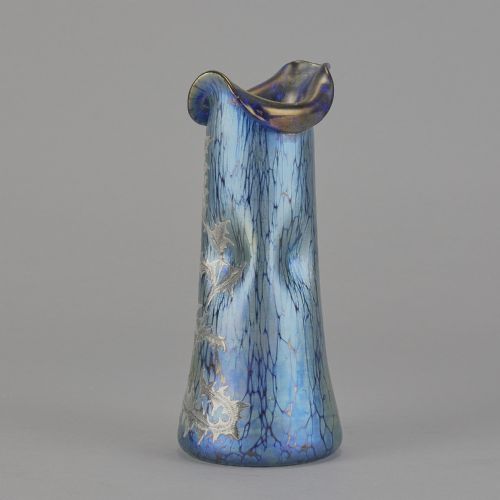
Glassmakers utilised specialised thermal treatments and chemical applications to create shimmering, multicoloured surface effects. Molten material was blown into moulds or manipulated by hand to achieve organic, flowing contours.
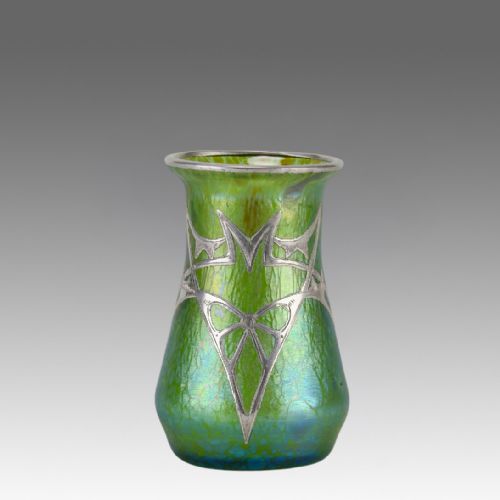
Many glass bodies incorporated metal mounts in sterling silver or pewter, requiring collaboration between glasshouses and metalworkers. Engraved decoration and crackle textures added further tactile depth to the finished pieces.
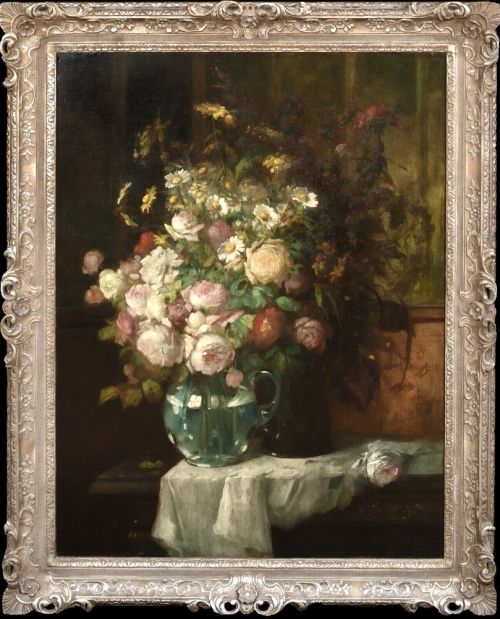
The listings span from the nineteenth century into the nineteen-twenties, uniting glass with silver, pewter, and oil paint.
What Varies in Quality
The sophistication of the iridescence and the depth of the colour saturation distinguish finer examples from standard production. Superior execution reveals itself in the harmonious integration of metal mounts with the glass body.
Design attribution plays a significant part, with pieces conceived by prominent architects or designers carrying distinct artistic weight. The crispness of hand-engraved details and the complexity of surface patterns also elevate the stature of a vessel.
Loetz Witwe·Otto Prutscher·Koloman Moser·Lobmeyr
The Austrian Art Glass Glossary
- Iridescent Glass
- Glass treated with metallic salts while hot to produce a rainbow-like sheen. This shimmering surface effect defines many Art Nouveau vessels.
- Vienna Secession
- An artistic movement formed in eighteen ninety-eight by Austrian painters and designers who broke away from traditional institutions. Their aesthetic favoured clean geometric lines alongside organic forms.
- Lamp Work
- A technique where glass rods are melted over a torch and shaped by hand. This method allows for the creation of intricate miniature figurines.
- Silver Overlay
- A decorative technique where sterling silver is applied directly onto the glass surface in floral or abstract patterns. The metal grips the vessel through chemical and mechanical bonding.
- Crackleglass
- Glass deliberately fractured during the cooling process and then reheated to fuse the outer layer while retaining the internal network of fine lines. This creates a textured, crystalline appearance.
Austrian Art Glass: Frequently Asked Questions
How do I clean my iridescent glass vase?
Dust the surface gently with a soft, dry cloth to preserve the delicate chemical sheen on the exterior.
Avoid submerging pieces with metal mounts or silver overlay in water for extended periods to protect the joints.
How can I tell Art Nouveau pieces from Art Deco ones?
Art Nouveau works rely on asymmetrical, flowing lines inspired by natural organic forms like plant stems and flower petals.
Art Deco designs shift toward geometric rigidity, symmetrical patterns, and stylized abstraction.
Where were these glass pieces manufactured?
Production centred around specialised glasshouses and workshops operating within the Austro-Hungarian Empire.
Key regions included Bohemia and Vienna, where skilled artisans collaborated with contemporary designers.
Are these glass items signed?
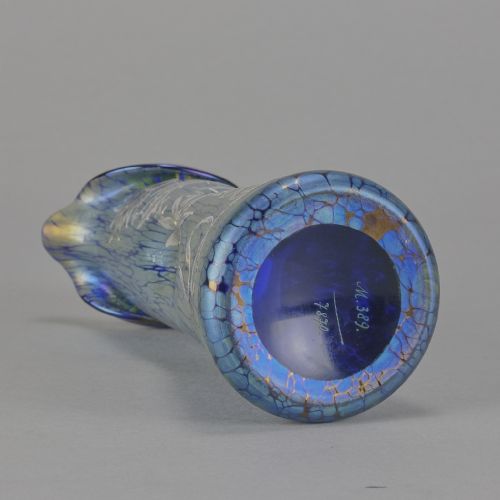
Some pieces carry acid-etched signatures, painted marks, or paper labels from the original maker or retailer.
Unsigned works are frequently identified through distinct decorative decors, colour palettes, and form characteristics.