




Antique Loetz Vessel
An antique loetz vessel brings the iridescent brilliance and organic curves of the 1900 Art Nouveau movement directly into a room.
Antique Loetz Vessel
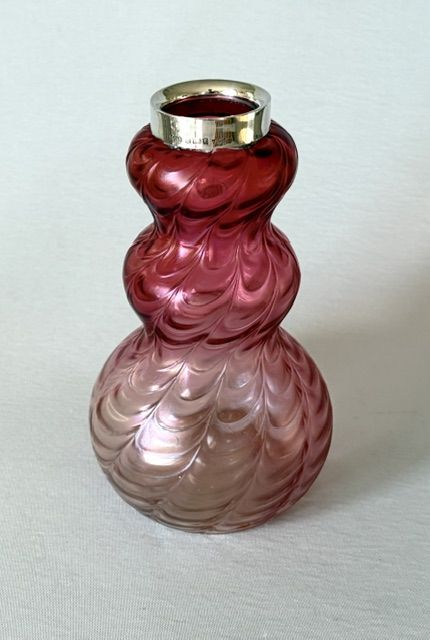
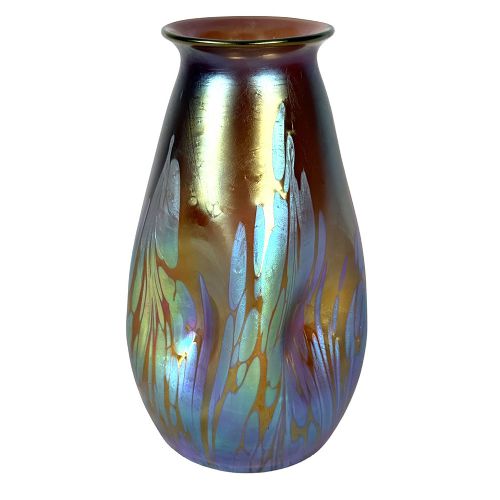
When searching for an antique loetz vessel, collectors encounter hand-blown glass pieces originating from Austria around 1900. These works capture the fluid, natural forms typical of the period, often associated with the Vienna Secession and Jugendstil movements.
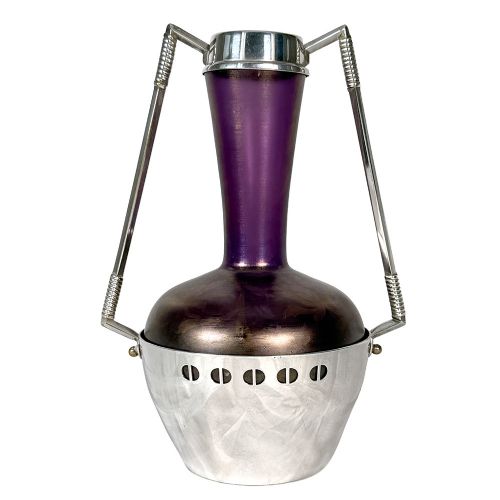
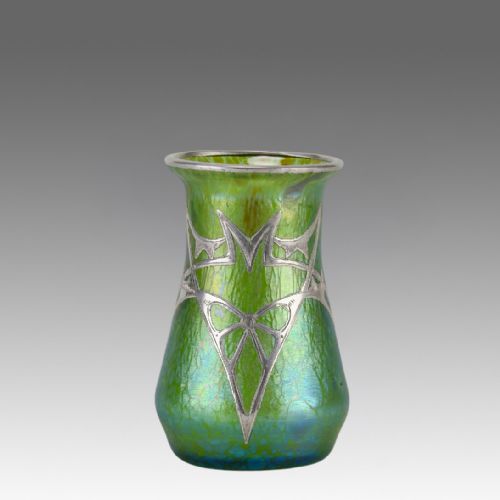
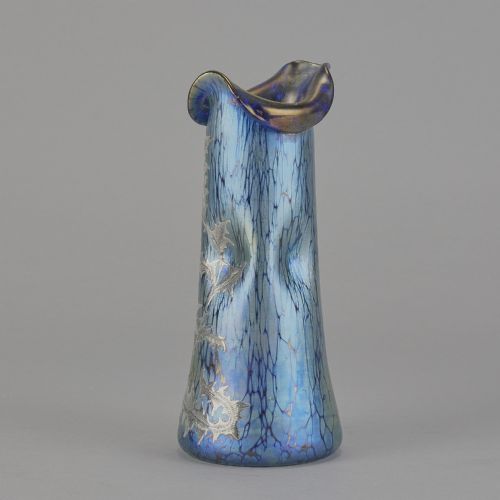
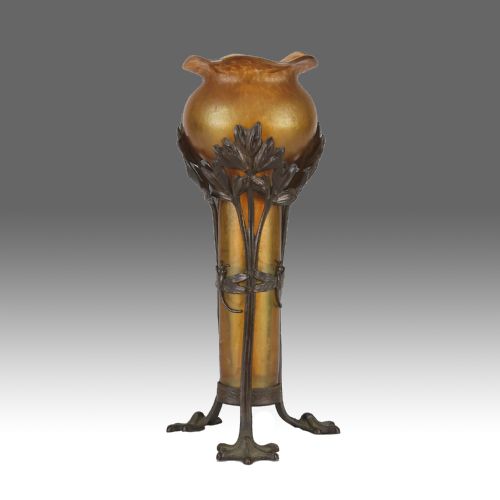
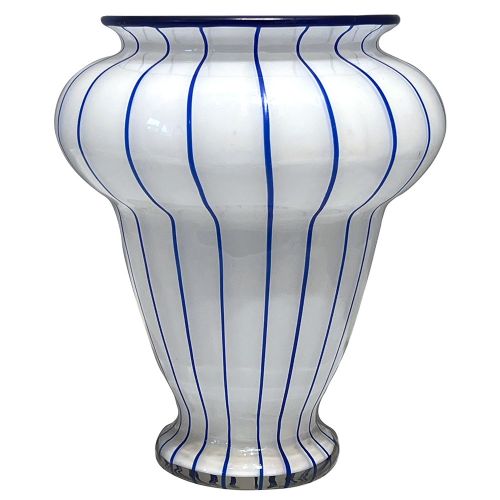
The objects seen here are primarily vases, ranging from standard proportions to large statement pieces. Many incorporate intricate metalwork, utilising pewter stands, bronze mounts, or silver overlay to complement the iridescent glass bodies.
The most common iterations on this page feature distinctive décors such as the Papillon pattern or metallic silvering. Alongside verified Loetz pieces, the selection includes related Austrian glassworks like Kralik, sharing the same aesthetic vocabulary.
Production methods and materials
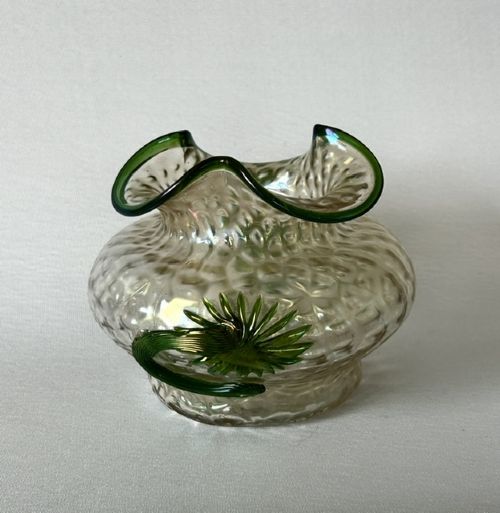
Makers produced these vessels using hand-blown glass techniques, manipulating molten material to achieve organic shapes and applied surface details like snakes or tadpole motifs. Artisans applied metallic chemical salts to hot glass surfaces to create the signature iridescent sheen.
Metalworkers added further structure by mounting the glass in bronze, pewter stands, or wrapping the bodies in silver overlay. These metal additions were cast and worked separately before being fitted securely to the finished glass vessels.
Antique Loetz Vessel Retail Price Guide 2026
Typical asking prices for loetz vessel among the pieces listed under this phrase on Sellingantiques today, from the lower quarter to the upper quarter. They describe what is for sale here now, not the wider market.
Current listings feature pieces exclusively from the year 1900, spanning Art Nouveau, Jugendstil, and Secessionist styles.
Factors of quality and distinction
Quality rests heavily on the depth and complexity of the iridescence, alongside the crispness of applied décors such as Papillon or Vesuvian patterns. Stronger examples display a vibrant interplay of shifting colours across the glass surface.
The integration of metal mounts dictates the upper tier of the range, where heavy pewter stands or detailed bronze and silver overlay match the artistic ambition of the glass itself. Pieces that combine multiple skilled trades demonstrate greater workshop mastery.
Loetz Witwe·Johann Loetz·Kralik·J Reinemann
The Antique Loetz Vessel Glossary
- Iridescent glass
- Glass treated with metallic vapours to produce a rainbow-like sheen on the surface. This optical effect shifts in colour depending on the angle of light.
- Secessionist
- An aesthetic style associated with Central European artists who broke from academic traditions around 1900. It favours geometric restraint alongside organic floral curves.
- Papillon
- A specific spotted or mottled glass décor resembling butterfly wings. It creates a speckled iridescent texture across the body of the vessel.
- Silver overlay
- Metal applied directly to the exterior of a glass vessel in decorative patterns. This technique requires precise chemical bonding between the silver and the glass surface.
Antique Loetz Vessel: Frequently Asked Questions
What defines an antique loetz vessel?
These vessels are hand-blown glass art objects produced in Austria around 1900. They are defined by their iridescent finishes and organic Art Nouveau forms.
Many examples feature distinct surface patterns like Papillon or incorporate metal mounts such as pewter stands and silver overlay.
How were metal mounts used on the glass?
Metalworkers created bronze mounts, silver overlay, and pewter stands to encase or support the delicate glass bodies. These additions enhanced the structural presence of the vessels.
Workshops like J Reinemann provided fitted stands that elevated the glass into combined metal and glass sculptures.
How do I display these pieces at home?
Place these vessels in areas with direct natural light to activate the iridescent qualities of the glass surface. Avoid placement in cramped shelving where the organic contours are obscured.
Allow the piece to stand as a focal point on a mantel or tabletop where the interplay of metal and coloured glass can be appreciated.
How do I distinguish Loetz from Kralik?
Both Austrian makers utilised similar iridescent glass techniques and Art Nouveau motifs during the same period. Specific vessel shapes and surface décors help attribute individual pieces.
Documentation and characteristic glass formulas often separate the primary Loetz output from contemporary makers like Kralik.